
In Short
Narcissistic personality patterns in a mediation session are not simply difficult behaviour. They follow a predictable internal logic driven by ego protection and shame avoidance. Mediators who understand that logic can adapt their technique to keep the process alive, rather than fighting a dynamic they cannot see clearly.
- Standard mediation relies on good faith; narcissistic patterns actively resist it.
- The mediator's role shifts from facilitating agreement to managing self-image threats.
- Technique, structure, and clear ground rules matter more here than empathy alone.
Narcissistic personality patterns are recurring behavioural tendencies in which a person prioritises the protection of their self-image above practical outcomes. In mediation, this appears as blame-shifting, extreme sensitivity to perceived criticism, and an inability to accept compromise without experiencing it as personal defeat.
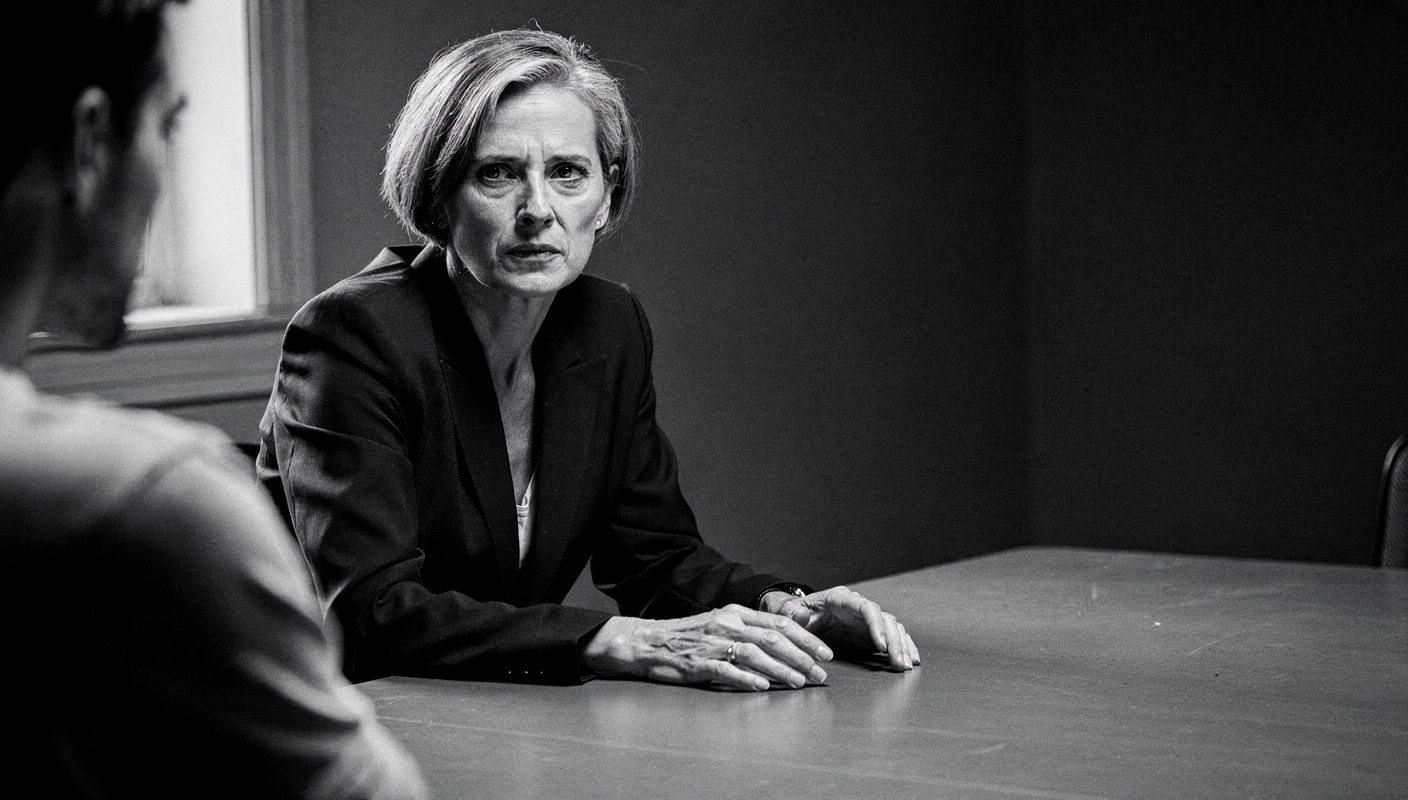
There is a particular kind of session I have sat in more times than I care to count. Two parties, one table, and one of them gradually making the whole room feel like it is tilting. They are not shouting. They are not being obviously unreasonable. But every attempt to move the conversation forward gets redirected back to why they are right and the other person is fundamentally at fault. The mediator tries harder. The other party grows more frustrated. And nothing moves.
What most mediators attribute to stubbornness or bad faith is, in many of those cases, something more specific: narcissistic personality patterns operating underneath the surface of the dispute. These patterns do not respond to the standard toolkit of mediation skills because they are not driven by disagreement about facts. They are driven by the need to protect a fragile sense of self. Once you understand that, everything changes about how you sit in that room.
Why Narcissistic Personality Patterns Resist Standard Mediation Techniques
Most mediation training prepares you for rational disagreement. Two parties want different outcomes; your job is to help them find common ground. That model works beautifully when both people are genuinely interested in resolution, even if they are frustrated and dug in. The tools you reach for, active listening, reframing, resolving interpersonal tension through empathy, interest-based questioning, all assume a basic willingness to be heard and then to move.
Narcissistic personality patterns break that assumption at the foundation. The party displaying these patterns is not primarily interested in resolution. They are interested in being seen as correct, wronged, and superior. Every technique you apply gets processed through that filter first. An empathetic reflection, "I can hear this has been really difficult for you," gets received not as understanding but as an opening to expand the case for why they are the real victim here. A reframe that invites shared responsibility, "Let us look at what both parties might do differently," lands as an accusation.
This is the core thing to grasp. Standard techniques fail not because you are applying them badly. They fail because the goal of the person in front of you is not what you think it is. Their goal is ego protection. Resolution is secondary, and often threatening, because genuine resolution requires acknowledging some degree of shared responsibility.
"The Conversation You're Avoiding Is the One You Need to Have."
"The Conversation You're Avoiding
Is the One You Need to Have."
Stop rehearsing conversations you'll never have. Say It Right Every Time gives you 115 word-for-word scripts and 16 proven frameworks to speak with confidence in every conversation that matters.
The Psychology Driving the Behaviour in the Room
Here is the truth of it, and this took me a long time to see clearly. What looks like arrogance from the outside is almost always operating on top of something far more fragile underneath. Narcissistic personality patterns are, at their root, a system of defence built around a self-image that cannot tolerate damage.
When a person with these patterns enters a mediation session, they experience the very premise of the process as threatening. Mediation implies that two parties have a legitimate dispute. It implies that both may carry some responsibility. For someone whose self-image depends on being entirely in the right, that implication is not uncomfortable; it is unbearable. Their nervous system treats it the way most people's treats physical danger. The response is not considered or strategic. It is automatic.
This is why you see certain behaviours repeat so reliably. Blame-shifting happens because if fault is entirely the other party's, the self-image is safe. Escalation happens because loudness and intensity can substitute for logic, and they can dominate the emotional weather of a room. Victimhood narratives happen because casting themselves as the person most wronged is both a position of moral high ground and a way to explain away accountability. And contempt, which often appears as dismissiveness or subtle ridicule toward the other party, happens because devaluing the other person reinforces their own sense of superiority.
Every one of those behaviours has a function. They are not random. They are a system for managing the unbearable feeling of being exposed or diminished. When you know that, you stop trying to push through the behaviour and start working with the underlying logic instead.
The practical consequence is direct. You must remove face-threatening language from everything you say. You must structure the session so that engaging with the process does not feel like an admission of fault. And you must find ways to frame movement toward resolution as something the high-conflict party is choosing from strength, not conceding under pressure. De-escalating arguments during meetings requires the same principle: reduce the threat, and the heat comes down.
What This Looks Like When It Is Happening in Front of You
Let me give you something concrete, because the patterns are recognisable once you know what to look for.
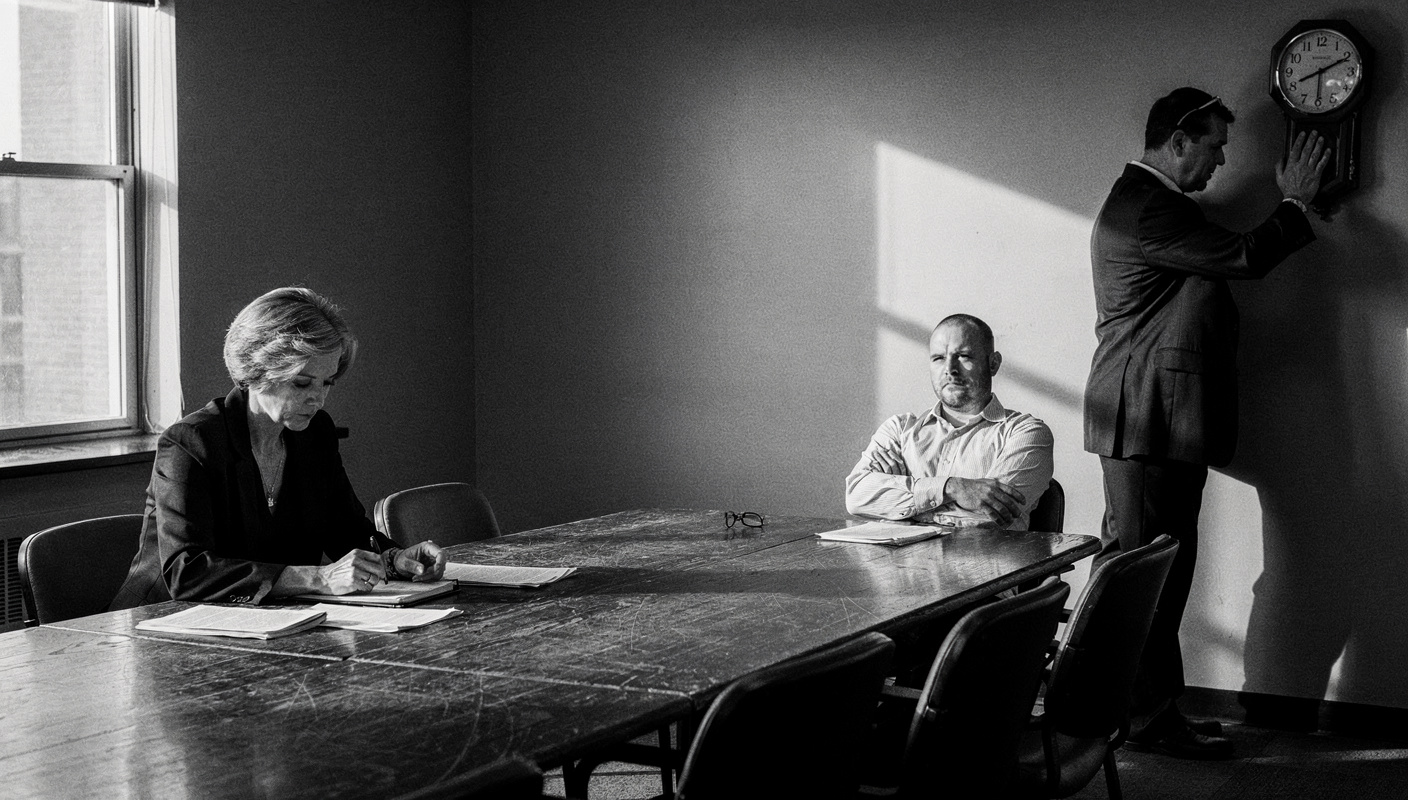
A senior manager and a long-serving team member are in mediation over a breakdown in working relationship. The team member is calm, specific, and focused on practical outcomes. The manager begins well but within fifteen minutes has reframed every exchange into an account of their own competence and the team member's failures. When the mediator tries to redirect, the manager addresses the redirect as if it were an attack on their professionalism. By the thirty-minute mark, the session is about the manager's reputation, not the actual dispute.
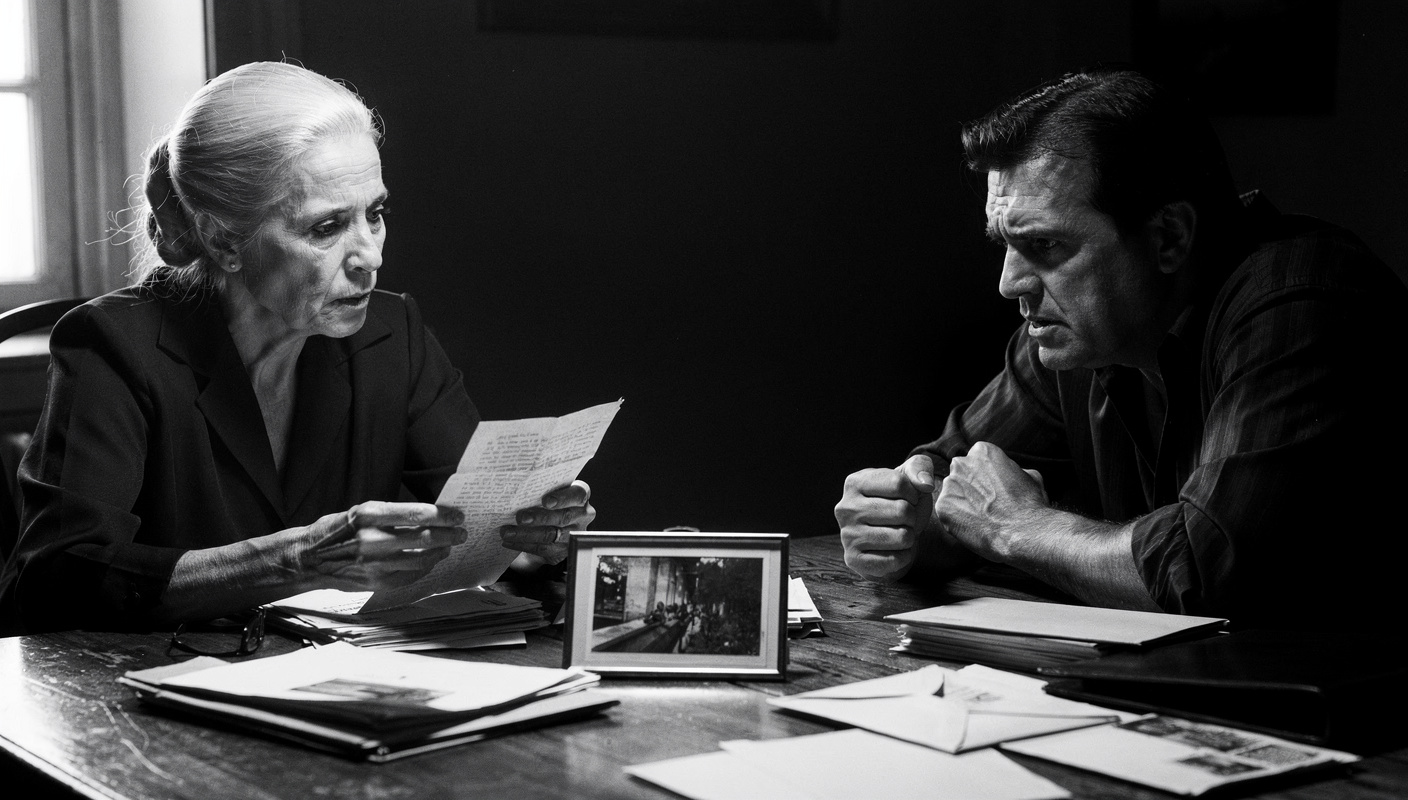
Or consider two business partners in a commercial dispute. One partner has a clear narcissistic pattern. They arrived late, offered no apology, and opened by listing the other party's failures in considerable detail. When their own decisions came into question, they pivoted immediately to the suggestion that the mediator was biased. Classic behaviour. The escalation was not anger exactly; it was controlled, targeted, and designed to put the mediator on the defensive.
In both cases, the tell is the same. Progress on the actual matter becomes impossible because the session keeps being redirected to the self-image of one party. Every time you approach resolution, the high-conflict party creates a new obstacle. They are not doing this consciously in most cases. They are doing it because the ego machinery is running automatically beneath every surface interaction. Recognising the tell early matters, because managing two strong personalities in mediation requires different tools than managing a simple impasse.
Why Even Experienced Mediators Miss These Patterns
There are three reasons this goes unrecognised, and I have fallen into all three of them at different points in my practice.
The first is that narcissistic behaviour can look like passion, confidence, or strong advocacy. In the early stages of a session, a party who is articulate, forceful, and completely certain of their position can seem like someone who simply cares deeply about being heard. We are trained to take that seriously. We lean in, we give space, we try to honour the strength of their feeling. It is only when the pattern repeats cycle after cycle, regardless of what the other party says or does, that the deeper structure becomes visible.
The second reason is that mediators are trained to stay neutral, and neutrality can become a trap. When one party keeps escalating, the pressure to appear balanced can lead a mediator to over-accommodate the difficult party in an attempt to keep things calm. That accommodation often reinforces the behaviour. The high-conflict party learns that escalation gets them more space, more validation, more control over the session's direction.
The third is the most uncomfortable one. Narcissistic behaviour in the room is designed, unconsciously but effectively, to put others in a reactive position. After decades of practice, I still feel the pull to either capitulate or to push back when someone in a session is operating this way. Both of those responses serve the pattern, not the process. Staying grounded while someone tries to pull you off your footing is a genuine skill, and it is exactly what the C.O.R.E. framework is built to support.
Adapting Your Mediation Skills When These Patterns Are Present
The session needs a different architecture when narcissistic personality patterns are active. Here is what that looks like in practice.
Structure protects the process. Use explicit ground rules at the start and return to them firmly when the pattern emerges. Controlled turn-taking, time limits for opening statements, and clear expectations about staying on the current issue all reduce the opportunities for ego-driven domination of the room. Using the D.E.A.L. method to resolve workplace tension before it escalates gives you one reliable structure for exactly this kind of session.
Separate positions from self-image. When the high-conflict party speaks, listen for the practical interest underneath the ego statement. Reflect the interest, not the framing. "It sounds like you need to know that your contribution to this project is recognised" is workable. "So you feel you have been disrespected" keeps you inside the ego frame.
Frame movement as choice, not compromise. A narcissistic pattern will resist any outcome that feels like submission. Reframe every potential agreement as a decision the high-conflict party is making from a position of strength. "You could choose to accept this arrangement, which gives you certainty and lets you move forward on your own terms" is very different from "The other party is proposing this, what do you think?"
Do not challenge; redirect. Direct challenge to a narcissistic position will harden it. The self-image under threat becomes a fortress. Instead, redirect: acknowledge what was said without endorsing it, then move the frame. Word-for-word scripts for de-escalating tension in the moment can help you prepare exact language before a high-stakes session.
Caucus more readily. Joint sessions amplify the dynamic. Separating the parties and meeting with each individually gives you space to work with the high-conflict party's self-image without the other party watching. Progress made in caucus can then be brought carefully into joint session once the ego stakes are lower. For more on handling conflict during meetings and when to move out of joint session, the principles are consistent.
What You Cannot Fix, and Why That Matters
There is a boundary mediators need to respect, and crossing it causes real harm to the process.
You cannot, in a mediation session, address the personality pattern itself. You are not there as a therapist, and the other party did not agree to have their character examined. What you can do is manage the conditions of the session so that the pattern has fewer opportunities to derail the work. That is a meaningful distinction. It keeps you in your role, it keeps the session safe, and it keeps your credibility intact.
There will be sessions where the pattern is too entrenched and the self-image threat too acute for any amount of skilled adaptation to bridge. Knowing when a process has genuinely reached that point, rather than simply when it has become uncomfortable, is a judgment that only comes with experience. Ending a session cleanly and honestly is itself a mediation skill. Not every dispute can be resolved in the room you are sitting in, and pretending otherwise serves no one.
Frequently Asked Questions (FAQ)
What are narcissistic personality patterns in mediation?
Narcissistic personality patterns in mediation are recurring behaviours where one party prioritises self-image over resolution. This includes blame-shifting, refusing to acknowledge any fault, and treating compromise as personal defeat. Recognising these patterns early helps mediators adjust their approach before the process breaks down.
How do narcissistic personality patterns affect the mediation process?
They create persistent obstacles because standard mediation techniques rely on mutual good faith. A party displaying narcissistic personality patterns often reframes every offer as an attack, turns factual disagreements into personal contests, and uses emotional escalation to control the room. This derails progress if the mediator is unprepared.
Can mediation succeed when one party shows narcissistic traits?
Yes, but it requires adapted technique. Mediators must remove face-threatening language, create structured turn-taking, and anchor the conversation to practical outcomes rather than blame. The process becomes possible when the high-conflict party feels their self-image is not under attack throughout the session.
What mediation skills are most useful with high-conflict personalities?
The most useful skills are reframing, controlled turn-taking, and separating positions from interests. Mediators who stay calm, avoid direct challenge, and redirect ego-driven statements toward practical outcomes give the process its best chance. Preparation and clear ground rules before the session begins are equally important.
How should a mediator handle blame-shifting in a mediation session?
Acknowledge what was said without agreeing or disagreeing, then redirect to the practical consequence. Phrases like "I hear that this felt unfair to you; let us talk about what a fair outcome looks like going forward" keep the session moving without validating or confronting the behaviour directly.
What is the difference between a difficult negotiator and a narcissistic personality pattern?
A difficult negotiator pushes hard for their position but responds to logic, reciprocity, and well-framed compromise. Narcissistic personality patterns are different because the ego need is stronger than the outcome goal. They resist compromise even when it serves their practical interests, because winning and being right matter more than resolution.