
In Short
Unexpected disclosures mid-session are not failures of preparation. They are tests of your process.
- Pause before you react. The mediator who stays calm gives both parties permission to stay calm too.
- Reassess privately before proceeding. A short recess is not a retreat; it is a tool.
- Adapt the session structure if the new information genuinely changes what is being resolved.
New mediation information refers to any fact, disclosure, or piece of evidence that surfaces unexpectedly during a mediation session, altering the known context of the dispute and requiring the mediator to reassess the situation, the session structure, or the resolution pathway before proceeding.
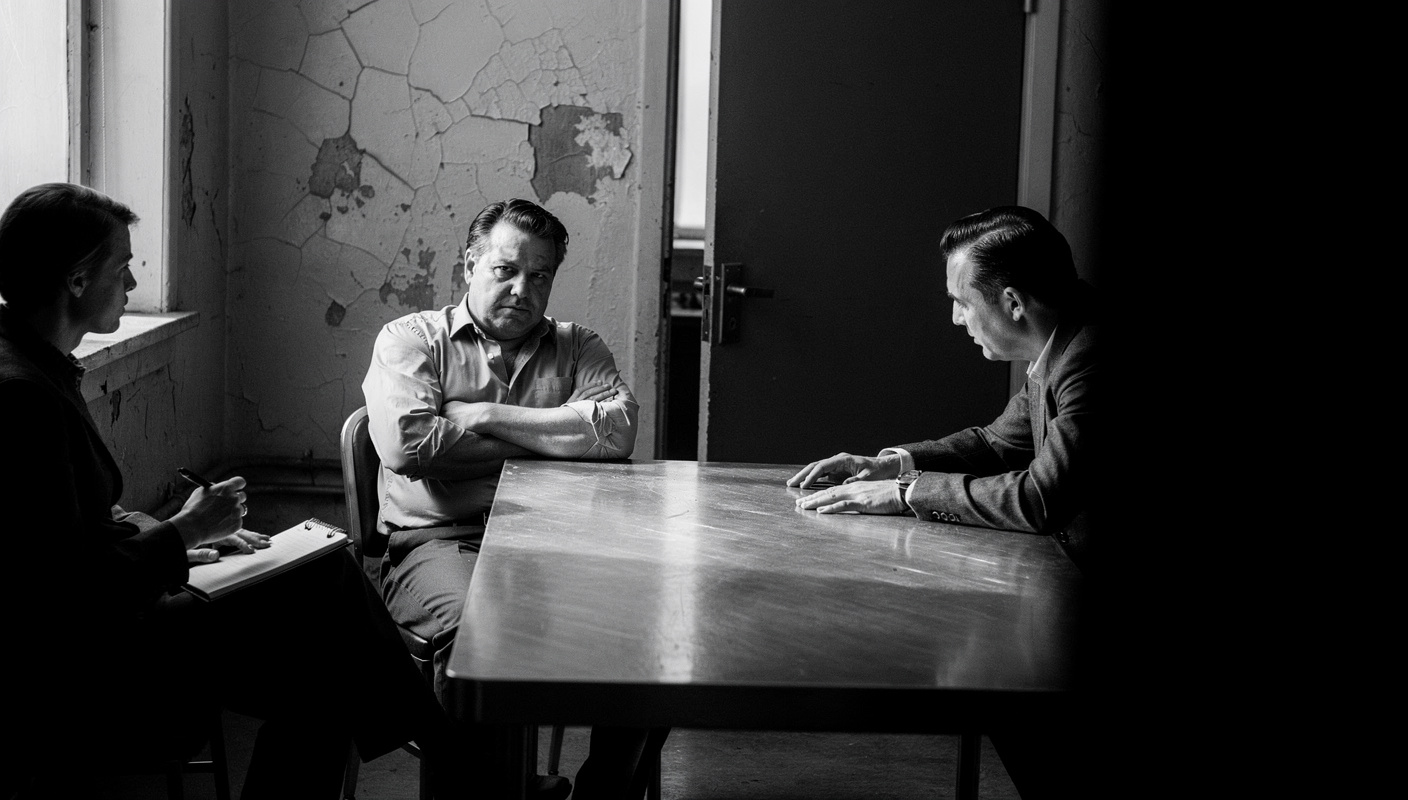
I watched a senior mediator lose a six-hour session in under four minutes. Both parties had been moving toward agreement, slowly and painfully, the way these things always move. Then one of them produced a document no one had seen. The other party's face changed. The mediator's face changed too, and that was the real problem. She had no process for this moment. She tried to push forward as though nothing significant had happened, one party shut down completely, and by the time she called a recess, the room had turned cold. The session never recovered.
Handling new mediation information that surfaces mid-session is one of the sharpest tests a mediator faces. You cannot predict it. You cannot always prevent it. But you can prepare a clear response, so that when the ground shifts, you stay standing.
Why Unexpected Disclosures Hit Harder Than They Should
Mediation sessions are built on preparation. You gather background. You speak with each party separately beforehand. You map the terrain as best you can. So when something surfaces that no one mentioned, it does not just change the facts. It shakes your confidence in everything you thought you knew.
The difficulty is not the information itself. The difficulty is the pressure to respond in real time, in front of both parties, while managing your own reaction and theirs simultaneously. Most mediators either freeze or rush, and both responses make things worse. Freezing signals that the situation is out of control. Rushing signals that you are not taking the disclosure seriously.
There is also a subtler problem. New information can unconsciously shift your perception of the parties. If one person reveals something that makes the other look worse, you may not notice the shift in your own neutrality until damage is already done. This is why you need a process, not just composure.
"The Conversation You're Avoiding Is the One You Need to Have."
"The Conversation You're Avoiding
Is the One You Need to Have."
Stop rehearsing conversations you'll never have. Say It Right Every Time gives you 115 word-for-word scripts and 16 proven frameworks to speak with confidence in every conversation that matters.
What Must Be in Place Before Any Session Begins
Before I walk you through the steps, there are two things that must already exist for this process to work.
The first is established ground rules. At the start of every session, both parties must agree that either party may request a pause at any time, without explanation. This sounds minor, but it is the thing that gives you permission to call a recess without it feeling like a reaction to the disclosure. If you have not built this into your opening, read how to handle conflict during meetings for a working framework on setting the conditions before tension arrives.
The second is a private note-taking system. When new information surfaces, you need to write it down quickly and accurately before your interpretation of it overwrites the actual content. A small notebook or pad kept beside you at all times is not optional. It is part of your tool set.
The Six-Step Process for Managing New Mediation Information
Step 1: Stop the conversation, do not redirect it
The moment something significant is disclosed, you stop. Not with alarm, not with apology. You pause deliberately and say something close to this: "I want to make sure we give this the attention it deserves. Let's slow down for a moment."
Do not try to redirect the conversation to keep momentum going. Momentum built on unacknowledged information is fragile. Stopping communicates that you are in control, that the process is safe, and that what was just said matters.
Step 2: Write down exactly what was said
Before you respond to the room, write down the key content of the disclosure in your own words. Not your interpretation. The facts as stated. This does two things. It gives you a few seconds to regulate your own reaction, and it gives you an accurate record before the emotional weight of the moment distorts your memory.
If you are unsure you heard correctly, say so: "Before we go further, I want to make sure I understood correctly. You are saying that..." Then write down the confirmed version.
Step 3: Acknowledge without assigning meaning
This step is where many mediators stumble. They either over-react, treating the disclosure as decisive, or they under-react, minimising what was shared to preserve momentum. Neither serves the parties.
What works is simple acknowledgment: "Thank you for sharing that. That is clearly relevant, and I want to make sure we address it properly." You are not saying it changes everything. You are not saying it changes nothing. You are saying it has been received and will be handled. That alone reduces the temperature in the room.
Step 4: Call a recess and use it well
Request a short break. Ten to fifteen minutes is usually enough. Frame it as procedural: "I'd like us to take a short break so I can think about how best to proceed from here."
During the recess, you are doing three things. First, reassessing whether the new information changes the core dispute or only one aspect of it. Second, considering whether it creates a power imbalance between the parties that you now need to address. Third, deciding whether you need individual time with each party before bringing them back together.
If the information has visibly unsettled one party, a caucus with that person first is often the right call. For more on how to manage separate conversations without losing your neutral position, how to manage tension when you are both a participant and a mediator covers the dual-role challenge directly.
Step 5: Reframe the session scope if necessary
When you bring both parties back, be clear about what the new information means for the structure of the session. You have three options: continue with the original scope and address the new information as a relevant factor, widen the scope to include what has emerged, or acknowledge that the disclosure requires a separate process before mediation can continue.
Most disclosures fall into the first category. A script that works: "Now that we have this information on the table, I'd like us to consider how it relates to the core issues we came here to resolve. I'm going to ask each of you to speak to that, one at a time."
This reframe does something important. It moves the information from being a disruption into being part of the work. That shift is what keeps the session alive.
Step 6: Recalibrate your impartiality before continuing
Before any substantive conversation resumes, take a moment to check your own neutrality. New information almost always creates a pull. You may feel sympathy toward one party, or you may feel that the disclosure has clarified who is "right." Both reactions are human, and both are dangerous in your role.
A quick internal check: Am I treating both parties with the same standard of attention right now? If the answer is no, adjust before you speak. Your impartiality is not just a professional obligation. It is the thing both parties are depending on to trust the process. See how to resolve interpersonal tension through empathy for a practical approach to maintaining genuine regard for both sides without losing your footing.
When the Disclosure Is Genuinely Serious
Sometimes new information does not just complicate the session. It stops it. If a disclosure reveals illegal conduct, a significant safety concern, or evidence that one party has been operating in bad faith in a way that undermines the entire mediation, you cannot proceed as if it is simply a new factor to weigh.
Stop the session with clarity: "What has come to light goes beyond what mediation is designed to address. I need to pause this process, and I'd encourage both of you to seek appropriate advice before we consider whether to continue."
This is not failure. This is the mediator doing their job. The hardest discipline in this work is knowing when your process has reached its limit. For the work of rebuilding what comes after, how to rebuild trust after unresolved tension has damaged a working relationship is a honest look at what that repair requires.
When You Are Mediating Remotely
Remote mediation adds a specific layer of difficulty when new information surfaces. You cannot read the room the same way. A party who has just heard something difficult may go quiet on a video call in a way that looks like poor connection. You miss the small physical cues that tell you someone is shutting down.
Two adjustments matter most. First, slow your speech down even more than usual when you call a pause. The deliberate pace communicates control in the absence of physical presence. Second, use the private message or breakout room function the same way you would use a caucus in person. Do not try to manage a significant disclosure in a full group call. Move one party into a private space, check in briefly, then bring the group back.
If you want a pre-session structure that reduces the likelihood of blindsiding disclosures in remote settings, how to de-escalate arguments during meetings has a useful pre-meeting check-in model worth adapting.
Three Mistakes Mediators Make and What to Do Instead
The mistake: Pressing forward without acknowledging the disclosure.
Why it happens: The mediator fears losing momentum and hopes the session will stabilise naturally.
What to do instead: Stop. Acknowledge. Recess. The session will not stabilise on its own when something significant has been left unaddressed.
The mistake: Interpreting the new information aloud in front of both parties.
Why it happens: The mediator feels pressure to show they understand what the disclosure means.
What to do instead: Describe what was shared, not what it means. Save your interpretation for the recess, in private.
The mistake: Failing to recalibrate impartiality after an emotionally loaded disclosure.
Why it happens: The mediator does not notice the shift in their own stance because it feels like a reasonable reaction.
What to do instead: Build the internal check into your post-recess routine, before you speak to either party. Make it a habit, not an afterthought.
The D.E.A.L. method offers a complementary structure for exactly this kind of recalibration moment. If you have not applied it before, how to use the D.E.A.L. method to resolve workplace tension before it escalates is a strong starting point.
Your Pre-Recess Assessment Tool
When new information surfaces and you call a recess, work through these questions before you return to the room. This is not a checklist you read aloud. It is a private thinking tool.
- What exactly was disclosed? Write the content in one or two plain sentences, no interpretation.
- Does it change the core dispute, or only one aspect of it? The distinction determines whether you widen scope or integrate the information within the existing structure.
- Has it created or revealed a power imbalance between the parties? If so, what will you do to address it before the joint session resumes?
- Does one party need a private conversation before you reconvene? If the disclosure has visibly destabilised someone, a brief individual check-in is better than forcing them back into the room unprepared.
- Is your impartiality intact? Be honest. If it is not, decide how you will restore it before you speak again.
- Is the disclosure within the scope of what mediation can address? If not, what do you say, and to whom?
Print this out. Carry it. The sessions where you most need it are the ones where you are least likely to remember it from memory.
When the Ground Shifts, Your Steadiness Is the Tool
Here is the truth of it: you will never fully eliminate the surprise of new mediation information. People hold things back. They wait to see if trust is established before they speak. They sometimes do not know something is relevant until they hear the other party speak. This is not a failure of preparation. It is the nature of the work.
What you can control is your response in the moment. A clear process, practiced until it becomes instinct, is what separates a session that survives an unexpected disclosure from one that collapses under it. The six steps above are not theory. They are the product of hard sessions, mistakes made in real rooms with real people, and the slow work of learning what steady looks like when everything around you just shifted.
For the broader work of holding a tense conversation together, how to use the C.O.R.E. framework to stay grounded during a tense workplace conversation offers a grounding method that pairs well with everything in this article. Practice handling new mediation information before you need to. The session that tests you is coming. Make sure you are ready.
Frequently Asked Questions (FAQ)
What is new mediation information?
New mediation information is any fact, disclosure, or evidence that surfaces unexpectedly during a session, changing the context of the dispute. It may come from either party and can shift the balance of the conversation, requiring the mediator to reassess the situation before continuing.
How do you handle a surprise disclosure during mediation?
Pause the session calmly, acknowledge what has been shared without judgment, and request a short recess. Use that time to reassess the relevance of the new information, consider how it affects both parties, and decide whether the session can continue or needs to be restructured.
When should a mediator call a caucus after new information surfaces?
Call a caucus when the new information has visibly unsettled one or both parties, when you need to speak with each side privately to gauge the impact, or when you need time to think clearly before bringing the group back together. A caucus protects the process.
Can new information derail an entire mediation session?
It can, but only if the mediator reacts rather than responds. New information changes the landscape, but it rarely ends the possibility of resolution. Most disclosures, even serious ones, can be absorbed into the process if you slow down, reassess, and communicate clearly with both parties.
How do you stay impartial when new information favours one side?
Acknowledge the information without interpreting it. Your role is not to decide what the information means for the outcome, but to help both parties understand its relevance and decide together how to proceed. Impartiality means holding the process steady, not pretending new facts do not exist.
What if new information reveals a serious ethical issue during mediation?
Stop the session. Some disclosures, such as evidence of illegal conduct or immediate harm, fall outside the scope of mediation. You must explain clearly that the matter requires a different process. Continuing a session when ethical boundaries have been crossed does harm to both parties and to you.