
In Short
Mediating a dispute between business partners who must keep working together is one of the hardest communication tasks you will ever attempt. The relationship cannot end, which means the agreement must hold. Do it well and you protect the partnership. Do it badly and you make the fracture permanent.
- A mediator holds the structure, not the verdict. Your job is to create the conditions for resolution, not to decide who is right.
- Meeting each partner separately before the joint session is not optional. It is the foundation everything else rests on.
- A spoken agreement is not enough. If it is not written down and signed, it did not happen.
Mediate disputes partners bring to a neutral third party means guiding two people in a structured, facilitated conversation to reach a workable agreement. The mediator controls the process, not the outcome, and both parties retain full ownership of any resolution they reach together.
Why Mediating Between Business Partners Is Harder Than Most Conflict Work
Two colleagues who clash in a meeting can go home at the end of the day and cool down. Business partners cannot. They share a company, a bank account, a reputation, and often years of history together. The conflict lives in the same room where the decisions get made.
I have sat in on mediations where the dispute on the surface was about one partner taking a client meeting without telling the other. Below the surface, it was about three years of feeling sidelined and disrespected. The mediator who rushed straight to "so how do we handle client meetings going forward" never reached the real problem. The agreement collapsed within a month.
The other thing that makes partner mediation uniquely difficult is the power of precedent. Whatever gets resolved today sets the tone for how disagreements are handled from now on. If one partner feels steamrolled in the process, they will not come back to the table next time. They will go straight to lawyers, or just start quietly disengaging.
This is why the process matters as much as the outcome. Partners do not just need a solution. They need to believe the process was fair.
"The Conversation You're Avoiding Is the One You Need to Have."
"The Conversation You're Avoiding
Is the One You Need to Have."
Stop rehearsing conversations you'll never have. Say It Right Every Time gives you 115 word-for-word scripts and 16 proven frameworks to speak with confidence in every conversation that matters.
What Must Be True Before You Bring Both People into the Room
Attempting to mediate disputes before these conditions are in place is like building on wet ground. The whole structure sinks.
Both partners must agree to participate voluntarily. A partner who has been pressured into the room will perform resistance and wreck the session. If one party is resistant, address that privately first. Explain clearly: this process does not decide winners and losers. It creates a structured space to find a way forward.
You must be genuinely neutral. If you have a closer relationship with one partner, a shared history, or a stake in the outcome, say so before you begin. A mediator who privately favors one side and tries to hide it will be read immediately. You lose all trust and the session becomes worse than nothing. If you cannot be neutral, bring someone who can.
Each partner must have spoken to you privately first. The individual pre-meeting is not a courtesy. It is where you learn what each person actually needs, what they fear, and what outcome would let them stay in the partnership with their self-respect intact. You cannot guide a conversation well if you are hearing the real concerns for the first time in front of the other person.
The environment must support the work. A neutral space, enough time, no interruptions, and ideally no audience. Partners who feel observed perform for spectators rather than engage honestly.
The Six-Step Process for Mediating Business Partner Disputes
Step 1: Hold Individual Pre-Meetings
Before you bring both partners together, meet with each one separately. Your goal is not to hear their complaints. Your goal is to understand their core interests, what outcome they could live with, and what they are genuinely afraid of.
Ask each person: "What needs to be true at the end of this for you to feel the partnership can work?" That question cuts through positions and gets to interests. One partner might say they want an apology. What they actually need is to feel their contributions are respected. Knowing that before the joint session lets you steer toward the real need.
Keep what you learn confidential unless a party gives you explicit permission to share it. This is what earns trust in the process.
Step 2: Open the Joint Session with Ground Rules
When both partners are in the room, your first job is to establish the structure. Do this before anything else.
A short opening sounds like this: "We are here because you both want this partnership to work and something has broken down between you. My role is to help you have this conversation well, not to decide who is right. Here is how we will work. One person speaks at a time. No interrupting. You speak about your own experience, not what you believe the other person intended. If things get heated, I will call a pause. Agreed?"
Wait for verbal agreement from both people. That agreement is the first small act of cooperation between them. Do not skip it. If you are working to de-escalate arguments during meetings, the same principle applies: structure is what makes safety possible.
Step 3: Give Each Partner Uninterrupted Time to Speak
Each person speaks first without interruption. You decide the order, and you frame it carefully: "I am going to ask each of you to share your perspective. The only rule is that while one person speaks, the other listens without responding. You will have your full turn."
Your job during this phase is not to evaluate what you are hearing. It is to listen for the needs underneath the narrative, to watch the body language of the person who is listening, and to note where the two accounts share common ground. That common ground is where you will build the resolution.
After each person speaks, reflect back what you heard: "What I am hearing is that you felt excluded from that decision and it damaged your trust in the process. Is that right?" You are not agreeing with the position. You are demonstrating that the person has been heard. This matters enormously. People cannot move toward resolution when they believe they have not yet been understood. For a deeper look at how to use this skill, how to resolve interpersonal tension through empathy covers the mechanics in detail.
Step 4: Shift the Conversation from Positions to Interests
This is the step most internal mediators miss, and it is where the real work happens.
A position is what someone says they want. An interest is why they want it. Positions clash. Interests often do not.
One partner insists on having final approval over all financial decisions. That is their position. Their interest is that they do not feel blindsided by cash flow decisions that affect their personal liability. Another partner insists decisions must be made jointly. Their interest is that they feel like an equal owner, not a junior employee. Those two interests are compatible. The positions as stated are not.
Your script for this shift: "I want to make sure I understand what matters most to each of you, underneath the specific request. Can you help me understand what this issue has meant for you in practice?" That question invites people out of the argument and into the territory where agreements become possible.
When unmet needs drive team conflict, the pattern is almost always the same: two people fighting over positions while their real interests sit unaddressed.
Step 5: Build the Agreement Together
Once both parties have been heard and the real interests are on the table, move toward building a specific, practical agreement. You are not drafting a legal document. You are building a set of commitments both people can live with and act on.
Ask: "Given what you have both shared today, what would need to change specifically for this to work going forward?" Take notes. Reflect each proposed commitment back to both parties before it goes into the agreement.
Be rigorous about specificity. "We will communicate better" is not an agreement. "We will meet for thirty minutes every Monday to review the week's decisions before any client-facing communication goes out" is an agreement. Vague commitments are abandoned within days. Specific ones hold.
This is also the stage where you apply a structure that separates the conversation into clear phases. The D.E.A.L. method for resolving conflicts that fracture team relationships gives you exactly that kind of phase-based framework for the agreement-building conversation.
Step 6: Write It Down and Name the Follow-Through
A spoken agreement between people who have just had an emotional conversation is worth very little. Memory is selective. What felt clear in the room becomes contested within a week.
Before the session ends, write down every commitment made, read it aloud to both partners, and ask each one to confirm it reflects what they agreed. Then ask both partners to sign it. Not because it is a legal document, but because the act of signing is a physical, visible commitment. It changes the weight of the words.
Name a review point: "We will meet again in four weeks to see how these commitments are holding." That follow-through step is what turns a mediation session into a genuine repair. Without it, the agreement is just a conversation that felt good at the time. Rebuilding trust after unresolved tension takes sustained effort over time, not just a single session.
When the Dispute Has Been Running for a Long Time
Most of what I have described above works well for disputes that are weeks or a few months old. When you are dealing with a conflict that has been building for years, the approach needs adjustment.
Long-running partner disputes carry accumulated grievances that neither party has fully articulated, even to themselves. The surface issue is rarely the issue. One partner might raise a complaint about how sales leads are divided. The real grievance might be about a decision made three years ago that they never felt was fully acknowledged.
In these cases, extend the pre-meeting time significantly. You need at least an hour with each partner, not thirty minutes. You are not just gathering information. You are helping each person organize their own thinking about what has actually gone wrong and what they genuinely need going forward.
In the joint session, do not rush the speaking phase. Let each person take as long as they need. The feeling of being fully heard is itself part of the repair, especially when someone has been carrying unspoken grievances for a long time.
You may also need more than one joint session. That is not a failure. Complex, multi-year disputes rarely resolve in a single afternoon. Building a plan that structures the next conversation into the agreement gives both parties a reason to hold the commitments they made in the first session. You can also use a structured framework for managing the conversation when tension spikes during the session itself. Learning how to handle conflict during meetings equips you with de-escalation tools for exactly those moments.
What Goes Wrong When People Attempt This Without a Clear Process
Four mistakes come up repeatedly when people try to mediate partner disputes informally.
The mistake: Letting the session turn into a debate about facts.
Why it happens: When one partner makes a claim the other disputes, the instinct is to establish what actually happened.
What to do instead: Redirect with this line: "I am less interested in the exact facts than I am in what each of you experienced and what you need going forward. Let's stay there."
The mistake: Proposing a solution before both parties feel fully heard.
Why it happens: The mediator becomes uncomfortable with the tension and wants to fix it.
What to do instead: Hold the discomfort. Wait until both parties have finished speaking and confirmed they feel understood. Only then move toward solutions.
The mistake: Taking the session without a written outcome.
Why it happens: The conversation ends on a positive note and everyone assumes that is enough.
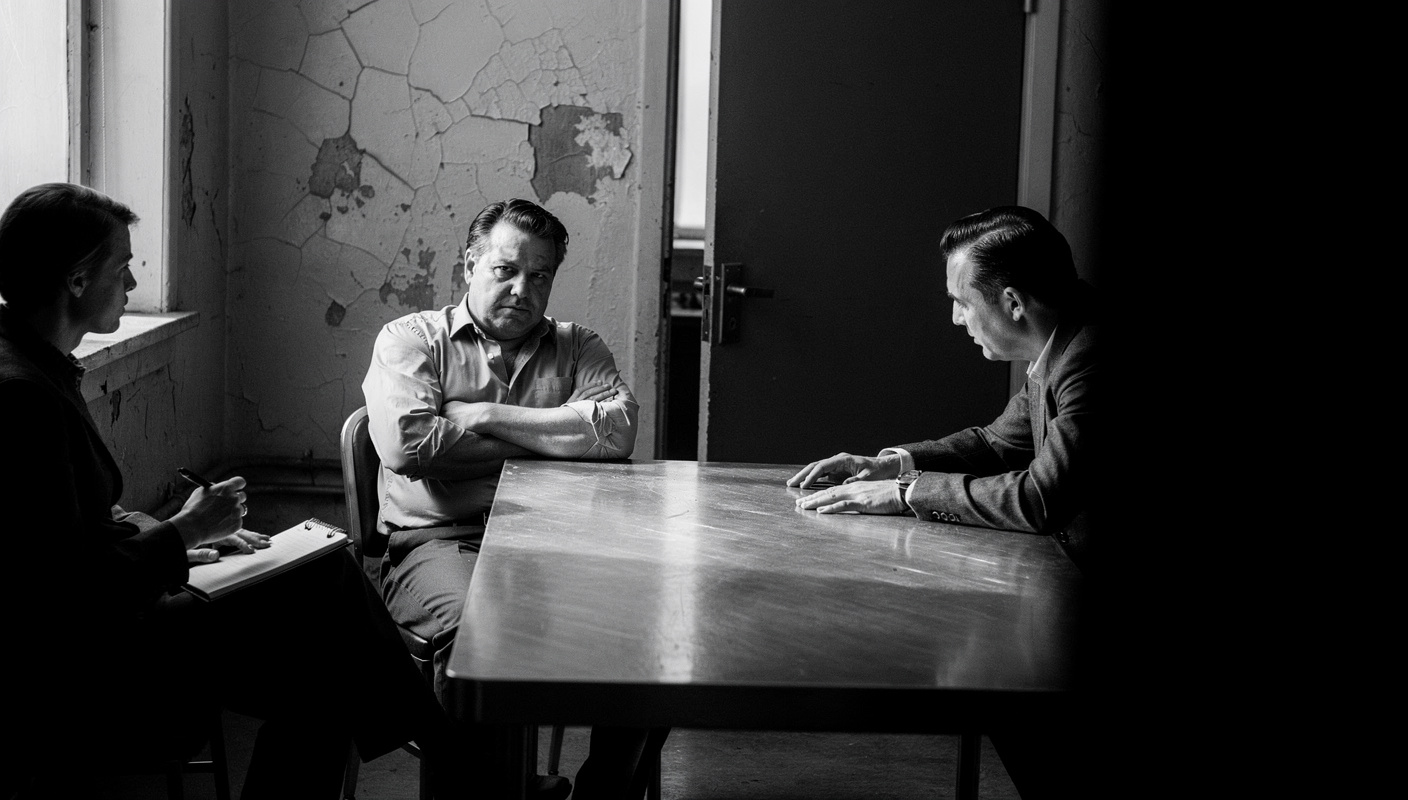
What to do instead: Keep a notepad in front of you throughout. Draft the agreement before anyone leaves the room.
The mistake: Losing your neutral stance when one partner's account seems obviously correct.
Why it happens: Human nature. Some accounts are more persuasive than others.
What to do instead: Remind yourself that you are hearing one version of events at a time. Your job is the process. Every D.E.A.L. method application for workplace tension reinforces the same principle: hold the structure, and let the structure do the work.
Your Pre-Session Mediation Checklist
Use this before every business partner mediation session. It takes five minutes and prevents the most common failures.
- Have I met individually with each partner for at least thirty minutes?
- Do I know each person's core interest, not just their stated position?
- Have I confirmed that both partners are participating voluntarily?
- Am I genuinely neutral, and have I disclosed any prior relationship with either party?
- Is the venue private, neutral, and free from interruption for the full session?
- Have I prepared my opening statement, including the ground rules?
- Do I have paper and pen to draft the agreement before the session ends?
- Have I scheduled a review meeting four weeks from today?
If the answer to any of these is no, fix it before you begin.
The Work That Carries the Partnership Forward
Here is the truth of it: a single mediation session does not save a partnership. What it does is create a moment where both parties choose the relationship over the dispute. That choice has to be made again, in smaller ways, in the weeks that follow.
Your job as a mediator is to make that first choice possible. You do that by giving both people a process they trust, a space where they feel genuinely heard, and a specific agreement they both helped build. When you mediate disputes between partners with that level of care, you are not just resolving the current problem. You are showing them how to handle the next one.
Frequently Asked Questions (FAQ)
What does it mean to mediate disputes between partners?
To mediate disputes between partners means to guide two people in conflict toward a resolution they both accept, without taking sides. A mediator creates the structure, manages the conversation, and helps both parties hear each other. The goal is a workable agreement, not a verdict.
How do you mediate disputes partners cannot resolve on their own?
Start by meeting each partner separately to understand their core concerns. Then bring them together with clear ground rules, move from positions to shared interests, and build a written agreement they both commit to. The mediator holds the process; the partners own the outcome.
What are the biggest mistakes people make when trying to mediate disputes?
The most common errors are choosing sides early, rushing to a solution before both parties feel heard, and letting the session go without a written agreement. Each of these collapses trust in the process and often makes the original dispute harder to resolve later.
Can you mediate disputes between partners without professional training?
Yes, with preparation and the right framework. Internal mediation works well for many business partner disputes, especially when a trusted third party leads the process. For disputes involving legal claims, financial assets, or broken trust, a qualified professional mediator is worth the investment.
How long does a mediation session between business partners typically take?
Most structured mediation sessions run two to four hours for the joint session alone, with shorter pre-meetings before. Complex or long-running disputes may need more than one session. Rushing the process produces fragile agreements that break down within weeks.
What happens if one partner refuses to engage in mediation?
Refusal is common and usually signals fear, not stubbornness. Address it directly in a private conversation before the joint session. Explain what mediation is not: it is not a tribunal, and the outcome is not imposed. When both parties understand the process is safe, resistance usually softens.