
In Short
Neutrality is the foundation of effective mediation. When it slips, the whole process tilts. The warning signs are subtle: a warmer tone for one party, impatience with the other, a quiet hope that one side prevails. Catching it early and correcting course is a learnable skill, and it may be the most important one a mediator ever develops.
Lost your neutrality is the state in which a mediator, having begun your neutrality is the state in which a mediator, having started as an impartial guide, begins to favour one party over another through tone, attention, or framing. It can happen consciously or entirely without awareness, and it undermines the integrity of the entire dispute resolution process.
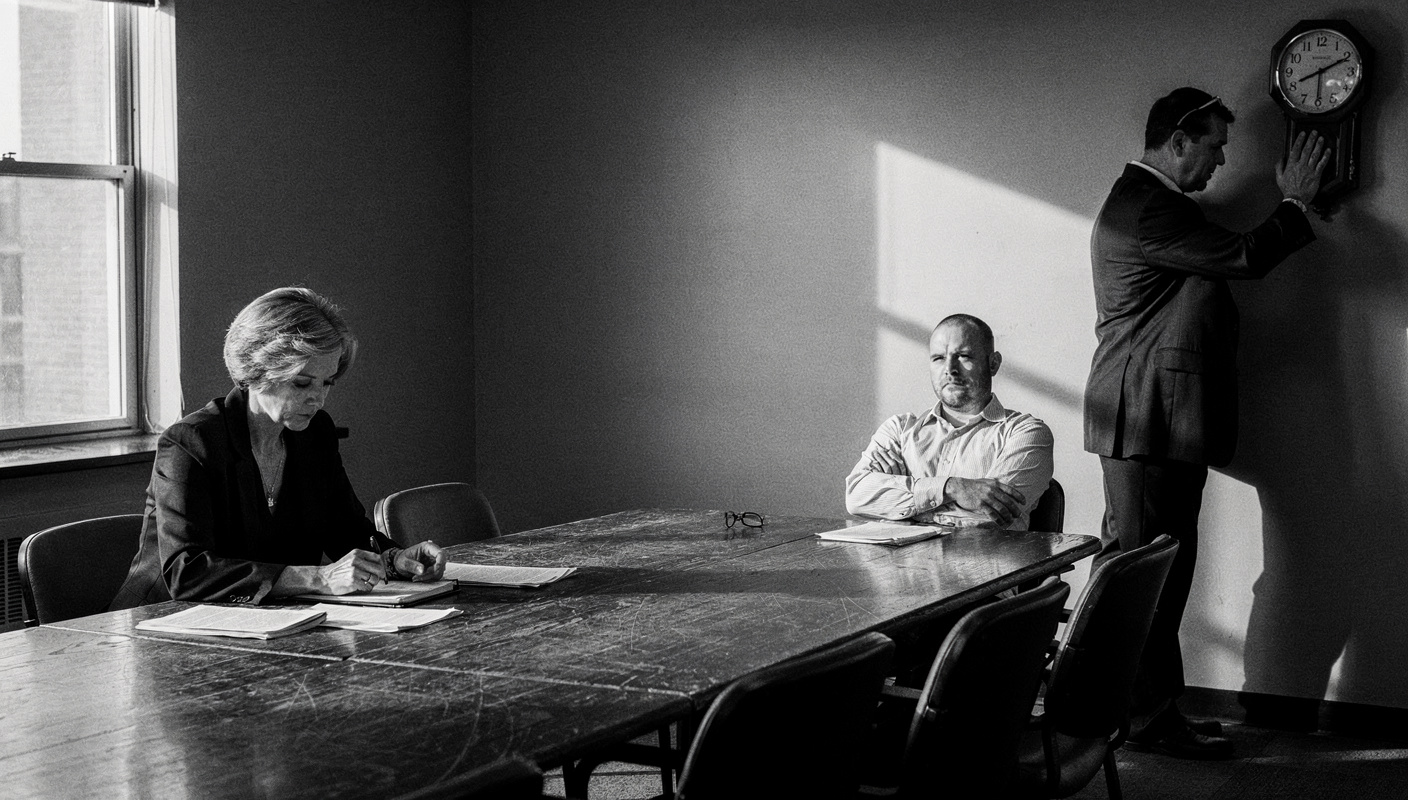
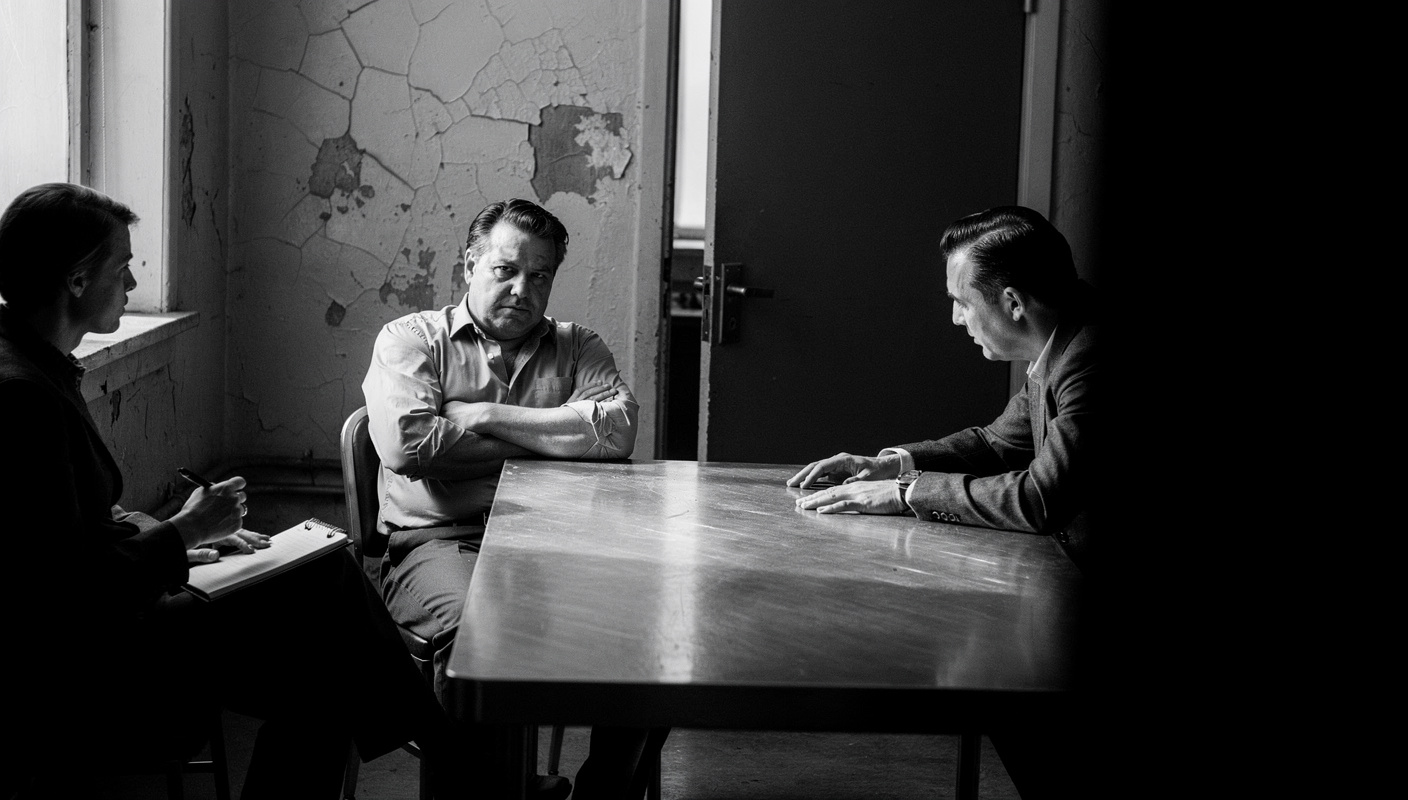
I watched a skilled colleague destroy a mediation once. Not through incompetence. Through drift. One of the two parties reminded her of her younger sister: same nervous energy, same habit of interrupting herself. Within twenty minutes, she was finishing that party's sentences. Her voice softened when they spoke. Her questions to the other side grew sharper. She did not notice until the other party stood up and said, "You are not here for both of us." She was not. She had lost her neutrality and the session was over.
Losing your neutrality in mediation is not a moral failure. It is a human one. But it costs real people real outcomes, and it costs you your credibility as someone trusted to hold the middle ground. The good news is this: you can learn to spot it early, and you can correct course before the damage becomes permanent.
Why Staying Impartial Is Harder Than It Looks in Practice
Neutrality sounds simple. Treat both parties the same. Listen equally. Ask balanced questions. In theory, it is clean. In practice, it is one of the most demanding things a mediator does.
Every dispute you enter comes loaded with human material that pulls at you. One person is articulate and calm; the other is evasive and difficult. One party's position aligns with something you believe in; the other's does not. One person reminds you of your father. The other reminds you of the colleague who once made your working life miserable. None of this is rational, and none of it announces itself politely.
The pull happens beneath the surface, in the territory of tone and attention and body language. You do not decide to favour someone. You simply find yourself doing it. That is what makes it so dangerous. If you felt yourself slipping, you would stop. The problem is that you often do not feel it at all. If you are working on how to handle conflict during meetings, you will recognise this same drift: the room pulls you toward whoever seems most reasonable, and you follow without thinking.
"The Conversation You're Avoiding Is the One You Need to Have."
"The Conversation You're Avoiding
Is the One You Need to Have."
Stop rehearsing conversations you'll never have. Say It Right Every Time gives you 115 word-for-word scripts and 16 proven frameworks to speak with confidence in every conversation that matters.
The Signals That Tell You Impartiality Has Slipped
Before you can correct course, you need to know what you are looking for. These are not dramatic red flags. They are quiet, easy-to-miss signals that something has shifted.
You have likely lost your neutrality if you notice any of the following:
- You find yourself hoping one party's position prevails by the end of the session.
- Your voice warms noticeably when one party speaks and tightens when the other does.
- You ask one side probing, open questions and the other side closed or leading ones.
- You interrupt or finish sentences for one party but not the other.
- You feel genuine irritation or contempt when one party speaks, even briefly.
- You have stopped tracking one party's body language while closely watching the other's.
- You catch yourself mentally drafting arguments on behalf of one side.
One or two of these, noticed once, may simply be a momentary lapse. A pattern of them across fifteen minutes is a real problem. The skill is learning to run this check on yourself while the session is still running, not only in the debrief afterward.
When you are helping to resolve interpersonal tension through empathy, the empathy that serves you as a mediator can also be the thing that pulls you off centre. Empathy and impartiality are not opposites, but they require deliberate balance.
How to Correct Course: A Six-Step Process
This sequence works whether you catch the drift early or well into a session. The steps are ordered. Do not skip the internal ones to get to the visible ones.
Stop and name it to yourself. Before you do anything visible, acknowledge internally what has happened. Say it plainly in your own mind: "I have been favouring this person. My neutrality has slipped." No self-criticism, no drama. Just an honest statement of fact. This matters because the impulse is to justify the drift rather than admit it. Resist that.
Call a short break. You need distance from the dynamic before you can reset within it. Say something neutral and calm: "I'd like to take a ten-minute break before we continue. Please help yourself to water and we will resume shortly." You do not need to explain further. A break is always within your authority as a mediator.
Run the self-check. During the break, ask yourself three specific questions. First: what pulled my sympathy toward this party? Second: what have I missed or minimised from the other side? Third: what would a genuinely neutral person notice right now that I have been filtering out? Write brief notes if it helps. This is not self-flagellation. It is recalibration.
Re-enter with a deliberate reset. When you return, consciously adjust your physical presence: equal eye contact, the same posture for each party, the same pacing in your voice. Begin with a question directed to the party you have been neglecting. Make it open and genuine: "Before we go further, I want to make sure I understand your position fully. Can you walk me through what matters most to you here?" This is not performance. It is rebalancing.
Name the imbalance if the parties have already noticed it. Sometimes you will not catch the drift before one of the parties does. If someone calls it out, do not deflect. Say: "That is a fair observation, and I take it seriously. My intention is to make sure this process is fair to both of you. I am going to be more deliberate about that from here." Brief, direct, and without blame. That kind of honesty rebuilds more trust than a smooth denial ever could.
Monitor yourself closely through the rest of the session. Correction is not a one-time act. Set an internal checkpoint every fifteen minutes for the remainder of the session. Briefly ask yourself whether your questions, attention, and tone have been balanced in the last quarter hour. If you are using a structured approach like the D.E.A.L. method for resolving workplace tension, build your neutrality check into the natural pause points that method provides.
Adapting This Process for High-Conflict Settings
When the dispute is genuinely high-conflict, losing your neutrality becomes more likely, not less. Emotions run hotter. One party may behave in ways that are aggressive, dismissive, or manipulative. Your nervous system responds, and your impartiality pays the price.
In high-conflict mediations, the drift often runs in a counter-intuitive direction: you may find yourself favouring the quieter, more distressed party out of a protective instinct, while holding the louder or more aggressive party in subtle contempt. Both are forms of bias. Both compromise the process.
The adjustment here is to separate behaviour from position. One party's behaviour may be genuinely difficult. That does not diminish the legitimacy of their underlying interests. Your job is to hold the distinction clearly. If you need a tool for managing the dynamics created by one dominant voice in the room, the guidance on dealing with dominant voices in a discussion gives you concrete methods for restoring balance without taking sides.
In high-conflict sessions, use caucuses more readily. Meeting with each party separately gives you a chance to reset your own internal state between conversations, rather than managing your neutrality in real time while both parties watch.
Where Mediators Go Wrong: Three Patterns Worth Knowing
These are the patterns I have seen most often, in colleagues and in myself. Each one has a practical correction.
The mistake: Believing that liking one party more does not affect your process.
Why it happens: Mediators are human, and genuine warmth is not automatically a problem. The error is assuming that internal feeling stays internal.
What to do instead: Accept that your internal state leaks. Your tone, your timing, your follow-up questions all carry the signature of how you feel. Monitor the outputs, not just the intentions.
The mistake: Naming the imbalance to the parties before you have addressed it in yourself.
Why it happens: Transparency feels like the responsible response, and it usually is. But transparency without internal recalibration first is just performed honesty.
What to do instead: Take the break, run the self-check, reset your approach, and then name it only if the parties have already seen it. Sequence matters.
The mistake: Overcorrecting once you spot the drift.
Why it happens: Guilt and self-correction are powerful forces. Once you realise you have favoured Party A, you swing hard toward Party B.
What to do instead: Correct gradually and deliberately. A sudden shift in your attention and tone is visible to both parties, and it creates new confusion about your role. Steady the ship; do not rock it in the other direction. If you are working within a broader framework, the C.O.R.E. framework for staying grounded in tense conversations is worth applying here. It is built precisely for the moments when your internal state is pulling you off balance.
Understanding what drives conflict between parties in the first place also protects your neutrality. When you know that unmet needs are often what drive team conflict, you are less likely to judge one party's position as unreasonable and more likely to stay curious about what is underneath it.
Your Pre-Session and Mid-Session Neutrality Checklist
Use this before every mediation and at the midpoint of any session longer than an hour.
Before the session begins:
- Do I have any prior relationship with either party? If yes, have I disclosed it?
- Does either party's situation, background, or position trigger a personal reaction in me? Be honest.
- Am I entering this session with a preformed view of who is right? If yes, I need to examine that before I begin.
- Have I reviewed both parties' pre-mediation submissions with equal attention?
- Am I physically and mentally rested enough to stay present through this?
At the midpoint of the session:
- Have my questions been equally open for both parties, or have I been softer with one?
- Has my eye contact, tone, and body language been consistent across both parties?
- Have I interrupted or spoken over one party more than the other?
- Is there anything one party has said that I have not followed up on, that I would have followed up on if the other party had said it?
- If I were one of the parties watching me right now, would I trust that I was genuinely neutral?
After the session:
- Was there a moment when I felt my sympathy move toward one side? What triggered it?
- Did I correct course, or did I rationalise the drift?
- What will I do differently next time to catch this earlier?
If you work with teams whose conflicts stem from structural fractures, building your neutrality practice alongside a tool like the D.E.A.L. method for resolving team synergy conflicts gives you both a process for the dispute and a framework for managing your own role within it.
The Ground You Must Hold
Here is the truth of it: the parties in a mediation are not just looking for a resolution. They are looking for a process they can trust. When you lose your neutrality, you take that trust away from them, often without them being able to name exactly what has gone wrong. They feel it before they can articulate it.
Recovering your neutrality mid-session is entirely possible. It takes self-awareness, a willingness to pause, and the courage to name what has happened without defending it. Those are not easy things. But they are exactly the things that separate a mediator who is genuinely useful from one who simply occupies the middle chair.
The practice of recognizing when you have lost your neutrality and correcting course is not a technique you learn once. It is a discipline you return to, session after session, for as long as you do this work. Stay close to the ground. The moment you assume you are immune to drift is the moment you are most at risk of it.
Frequently Asked Questions (FAQ)
What does it mean to lose your neutrality in mediation?
Losing your neutrality in mediation means you have begun to favour one party over another, consciously or not. It shows up as tone differences, selective listening, or stronger advocacy for one side. When this happens, the process loses its credibility and both parties notice, even if neither says so directly.
How do you know if you have lost your neutrality as a mediator?
You can tell you have lost your neutrality when you find yourself hoping one party wins, finishing their sentences, or feeling irritated when the other side speaks. Noticing that you soften your voice for one person and stiffen it for another is one of the clearest early signals that your impartiality has slipped.
Can a mediator recover lost neutrality mid-session?
Yes, a mediator can recover lost neutrality mid-session if they act quickly and transparently. The most effective approach is to call a short break, self-assess honestly, and return with a deliberate reset. Naming the imbalance aloud, without blame, is often the fastest way to restore trust with both parties.
What causes mediators to lose their neutrality?
Mediators most often lose their neutrality because one party reminds them of someone they know, because they share a value system with one side, or because one party behaves badly enough to trigger an emotional reaction. Fatigue, unresolved personal conflict, and time pressure also erode impartiality in ways that are hard to detect in the moment.
What should you say when you realize you have lost your neutrality?
A direct, calm statement works best. You might say: I want to make sure both of you feel this process is fair. I am going to take a short break and come back with fresh eyes. This gives no blame and no drama. It signals self-awareness and commitment to the process without undermining your credibility.
How can I prevent losing neutrality in future mediations?
Prevention comes down to three habits: a written self-check before each session, a short pause at the midpoint of every mediation, and a debrief with a trusted colleague afterwards. Knowing your personal triggers, the kinds of people or situations that pull your sympathies, is the single most protective thing a mediator can build over time.