
In Short
Listening silence and avoidance silence are not the same thing, though they are easy to confuse.
- Listening silence is a deliberate act that signals presence, respect, and strength in a leader's voice.
- Avoidance silence is a fear response that masquerades as patience but quietly destroys your credibility.
- Learning to tell them apart, and to use one while eliminating the other, is one of the most underrated skills in leadership communication.
Listening silence in leadership is the intentional, purposeful use of quiet to give others space to speak fully and think out loud. It is distinct from avoidance silence, which is fear-driven evasion disguised as restraint, and it is the difference between a leader who commands respect and one who merely occupies a position.
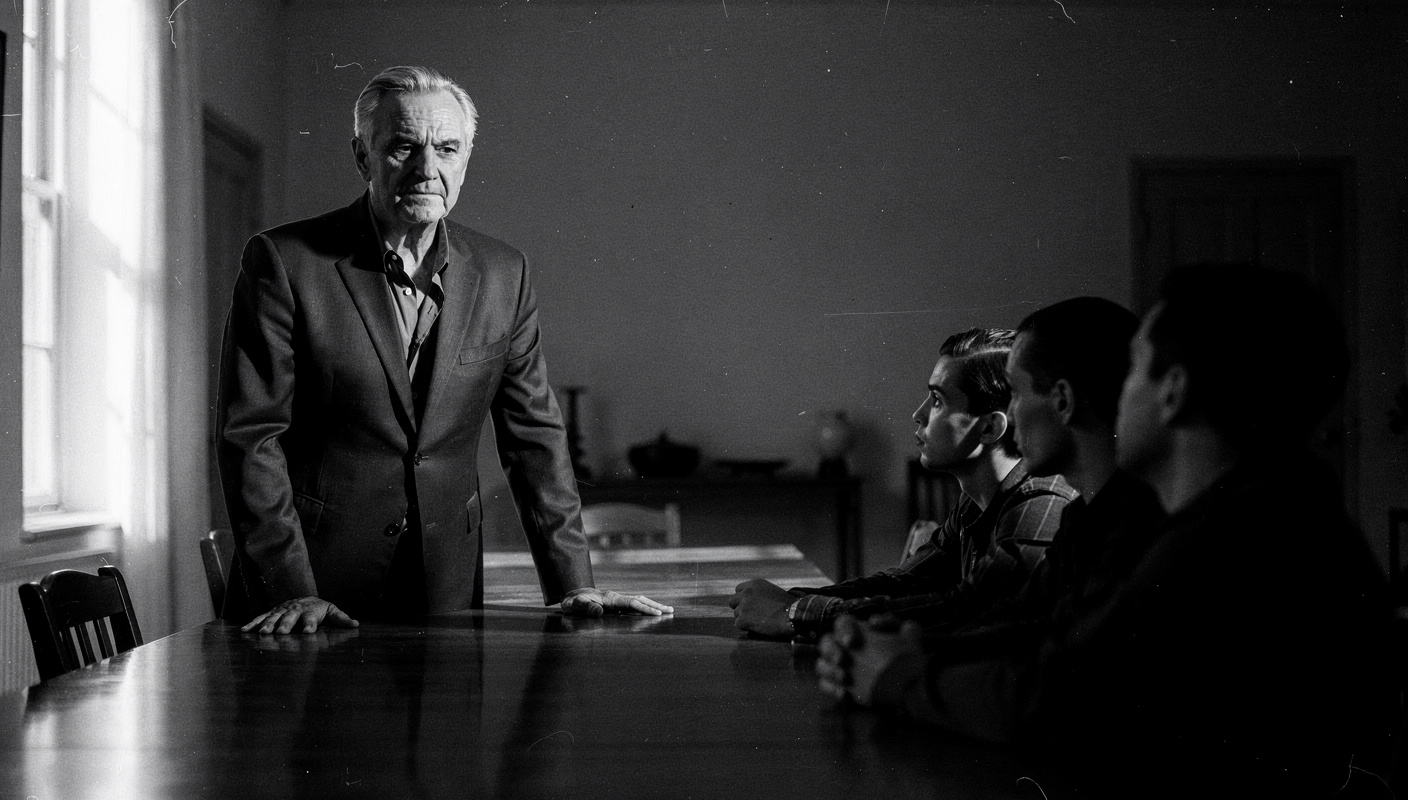
I watched a senior manager lose his team's trust without ever raising his voice or missing a deadline. He was competent, well-organised, and broadly well-liked. But every time a hard conversation came up, a conflict needed naming, or a team member asked a direct question, he went quiet. Not thoughtfully quiet. Evasively quiet. The kind of quiet that leaves a room feeling colder. Within a year, his people had stopped bringing him real problems. They had learned, correctly, that his silence meant he would not help them.
The distinction between listening silence and avoidance silence sits at the centre of leadership voice. Most leaders know they should listen more. Very few understand that not all silence is listening, and that the wrong kind of quiet can do more damage than the wrong kind of talking.
What Listening Silence Actually Looks Like in Practice
Listening silence is an act of will. It requires you to stay fully present while someone else speaks, resist the urge to formulate your response before they have finished, and hold space long enough for the other person to arrive at what they actually mean to say.
In practice, this kind of silence has a quality to it. The leader maintains eye contact. The body stays open, not crossed or turned away. There is no checking of phones, no shuffling of papers. When the other person finishes, the listening leader may pause for another few seconds before responding, not because they have nothing to say, but because they are giving the words their proper weight.
This silence communicates something clear: you matter enough for me to slow down. It is not passive. It takes effort and courage to stay present with someone who is distressed, angry, or saying something you disagree with.
For a deeper look at how this kind of presence builds team safety over time, the article on what psychological safety is and how it drives team synergy is worth your time.
"The Conversation You're Avoiding Is the One You Need to Have."
"The Conversation You're Avoiding
Is the One You Need to Have."
Stop rehearsing conversations you'll never have. Say It Right Every Time gives you 115 word-for-word scripts and 16 proven frameworks to speak with confidence in every conversation that matters.
What Avoidance Silence Costs a Leader
Avoidance silence is fear wearing the mask of patience. It looks like restraint from the outside. From the inside, it feels like dread, the dread of saying the wrong thing, creating conflict, being challenged, or having to commit to a position.
The danger is that it almost works. A leader who goes quiet during a tense conversation can tell themselves they are giving others space, or that they are thinking carefully. But their team reads the truth of it. They notice that the silence always appears when something difficult needs addressing. They notice that the quiet is followed not by a considered response but by a subject change, a deflection, or a vague non-answer.
Over time, avoidance silence teaches a team that certain conversations are off-limits. It suppresses honesty, because people stop raising things they know will be met with evasion. This is how psychological safety erodes without a single harsh word being spoken.
Side by Side: How the Two Silences Compare
| Dimension | Listening Silence | Avoidance Silence |
|---|---|---|
| Origin | A deliberate choice to be fully present | A fear response to discomfort or risk |
| Body language | Open posture, steady eye contact, stillness | Distraction, averted gaze, physical withdrawal |
| What follows it | A direct, engaged response or a clarifying question | A deflection, a change of subject, or a vague reply |
| Effect on the speaker | They feel heard; they often reach greater clarity | They feel dismissed; they stop trusting the process |
| Effect on team culture | Encourages honest communication | Suppresses difficult but necessary conversations |
| Leader's inner state | Confident, curious, grounded | Anxious, uncertain, conflict-averse |
| What it signals about leadership | Strength and respect | Avoidance and unreliability |
The table above shows the structure. Here is what the contrast looks like when it matters most.
Imagine a team member comes to you and says directly that the project timeline is unrealistic and the team is burning out. Listening silence means you let them finish, hold the weight of that for a moment, and then say: "Tell me more about where the pressure is heaviest." Avoidance silence means you glance at your notes, say something like "I hear you, let's keep an eye on it," and move on. The first response builds trust. The second one ends it.
The body language distinction deserves its own attention. In listening silence, stillness is a signal. Your team reads your posture before they hear your words. A leader who is genuinely present sits differently than one who is waiting for the conversation to end. You can practise nonverbal communication in tense situations as a separate skill, and it will reinforce every act of listening silence you bring to your leadership.
The Grey Area: When the Two Silences Overlap
Here is the truth of it: there are moments when even the most experienced leader is not entirely sure which silence they are in. You might start a pause intending to listen, and then feel fear creeping in. Or you might stay quiet for legitimate reasons but find your body language has closed off and your team has read it as avoidance.
This grey area is real and worth naming. Not every quiet moment is pure intention or pure evasion. What matters is what you do when you become aware of which silence you have slipped into. The leader who catches themselves in avoidance and names it directly, "I notice I have been quiet on this and that is not fair to you," recovers their credibility quickly. Silence followed by honesty is not weak. It is exactly the kind of direct communication that builds lasting respect.
The question is not whether you will ever land in avoidance silence. You will. The question is how fast you recognise it and return to ground.
Where Leaders Confuse the Two: Three Common Errors
Understanding the distinction in theory is one thing. In the heat of a real conversation, three specific confusions tend to trip leaders up.
The mistake: Believing that any pause is good leadership.
Why it happens: Leaders are often coached to "listen more" without being told what real listening looks like, so they adopt silence as a general strategy regardless of what is driving it.
What to do instead: Check your inner state during the pause. If you feel relief that you have not had to speak, that is avoidance. If you feel present and curious, that is listening.
The mistake: Using silence to buy time without telling the team that is what you are doing.
Why it happens: Leaders fear that admitting they need to think will look uncertain or weak.
What to do instead: Say it plainly. "That is a serious question and I want to give you a real answer. Can we pick this up tomorrow morning?" That is not weakness; it is direct and trustworthy.
The mistake: Treating silence as a substitute for the difficult conversation that actually needs to happen.
Why it happens: Avoidance silence is comfortable in the short term. It sidesteps the friction.
What to do instead: If there is a specific issue that your silence is skirting, name it and address it. The article on how to start a difficult conversation that's blocking your team's synergy offers a clear framework for exactly those moments.
When Each Silence Belongs in Your Leadership
Listening silence belongs in nearly every significant conversation you have as a leader. Use it when a team member is working through something difficult and needs room to think out loud. Use it after you have asked a hard question, because filling that space with more words is the fastest way to let them off the hook. Use it when conflict is present, to model that staying in a hard moment is possible. In productive meetings, a leader who holds silence after posing a question draws out contributions that a leader who talks constantly never hears.
Avoidance silence, by contrast, belongs nowhere in deliberate leadership. But it is worth knowing when it is most likely to ambush you: during performance conversations, when you are delivering feedback that might upset someone, when a team member challenges your decision publicly, and when a conflict between colleagues lands on your desk and both parties are watching you.
These are the moments when avoidance silence is most tempting and most damaging. Learning to recognise them in advance lets you prepare. For structured guidance on those conversations, the D.E.A.L. method for resolving team conflicts gives you a usable method to stay engaged rather than retreating into quiet.
The skill of staying present when you most want to disappear is something you develop by practising it in lower-stakes situations first. Giving feedback effectively is a good training ground, because it asks you to stay in a moment that has the potential to be uncomfortable for both sides.
Building the Habit of Deliberate Silence
The difference between a leader who uses silence well and one who is controlled by it comes down to intention. Intention is a muscle. It gets stronger when you practise it deliberately and weaker when you ignore it.
Start with this: before your next significant conversation, decide that you will pause for a full two seconds before responding to anything that feels charged. Not two seconds of scrambling for words. Two seconds of genuine presence, looking at the person, taking in what they said. It will feel longer than it is. Your team will feel the difference immediately.
Pay attention to what follows your silences. A direct question, an honest acknowledgement, a clear position: these are the signs of listening silence. A hedge, a redirect, a non-answer: these are the signs of avoidance doing its damage quietly.
For leaders working in remote settings, where silence can be even harder to read and easier to hide behind, the guidance on how leaders stay visible in virtual workspaces applies directly here. The principles of deliberate presence translate across every medium.
The Credibility You Build or Surrender
After six decades of watching people communicate under pressure, this much I know for certain: a leader's credibility is built more in moments of silence than in moments of speech. Words are easy to prepare. Silence, in a hard conversation, is where character shows itself.
Your team will not remember most of what you say to them. They will remember how they felt when they brought you something difficult. They will remember whether you stayed or retreated. That feeling, that stayed or retreated, is the entire territory that listening silence and avoidance silence divide between them.
You cannot fake listening silence. Teams are too perceptive for that. But you can earn it, by practising presence when it costs something, by naming avoidance when you catch yourself in it, and by building the habit of deliberate quiet until it becomes the truest part of your leadership voice. Listening silence leadership is not a technique you apply once. It is a commitment you renew in every hard conversation you choose to stay in.
Frequently Asked Questions (FAQ)
What is listening silence in leadership?
Listening silence is a deliberate pause a leader uses to give others space to speak fully and think out loud. It signals respect and full attention. Unlike avoidance silence, it is intentional, time-limited, and followed by a direct, engaged response that shows the leader was present.
How does listening silence differ from avoidance silence?
Listening silence is active and purposeful. The leader is fully present, processing what is being said, and will respond clearly. Avoidance silence is passive and fear-driven. The leader says nothing because speaking feels risky, which leaves the team without direction and erodes trust over time.
How do you use listening silence as a leadership tool?
Pause before responding to difficult questions instead of filling the gap with noise. Hold eye contact during that pause. Ask a clarifying question before offering your view. These small habits signal to your team that you hear them before you judge them, which builds genuine credibility.
Can avoidance silence damage team trust?
Yes, significantly. When a leader consistently goes quiet during conflict, tough decisions, or uncomfortable feedback, the team learns not to expect clarity. That expectation of evasion erodes psychological safety and makes honest communication feel pointless, which weakens the whole team's performance over time.
How can a leader tell which silence they are using?
Ask yourself one question after any significant silence: did I stay quiet because I was genuinely listening, or because I was afraid of what saying something might cost me? The answer is usually immediate and honest. Fear-based silence has a particular discomfort that deliberate listening silence does not.
Is it always wrong for a leader to delay a response?
No. Saying you need time to think and then following through is responsible leadership. The problem is silence without that explanation. Avoidance silence leaves a vacuum. A brief acknowledgment that you heard the question and will respond by a specific time preserves trust while you gather your thoughts.