
In Short
Praise delivered without care can silence a high performer faster than silence itself.
- Your leadership voice is a tool: specificity, timing, and setting determine whether recognition motivates or deflates.
- High performers need to know you understand their work, not just that you noticed it happened.
- A clear, repeatable process turns well-meant praise into a genuine motivating force.
Leadership voice praise is the deliberate use of tone, specificity, timing, and setting to recognise a high performer in a way that deepens motivation rather than causing discomfort. It treats recognition as a precise communication skill, not a spontaneous gesture.
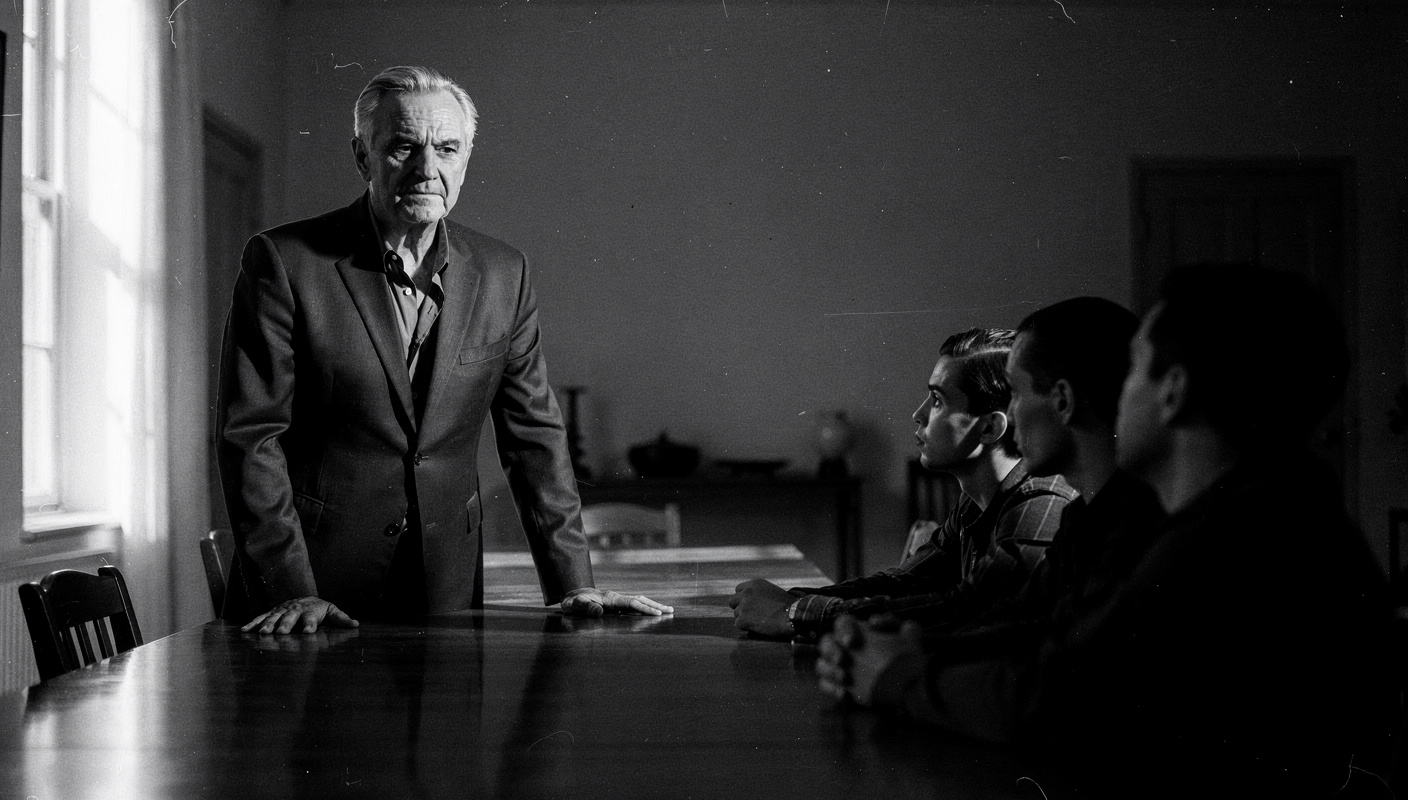
A manager I knew once stood up at a team meeting and announced, in front of twenty people, that one of his best engineers had "absolutely saved the project." He meant every word. The engineer, a deeply private and meticulous man, smiled thinly, said nothing, and handed in his resignation six weeks later. In the exit conversation, he told HR that he had started to feel like a prop. The manager never understood what he had done wrong.
That story has stayed with me for thirty years, because the intention was good and the outcome was damage. Leadership voice praise is not simply about saying something kind. It is about understanding the person in front of you, choosing your words with care, and delivering recognition in a way that lands as respect rather than as performance.
High performers are the hardest people to praise well. They already know what they did. They do not need applause; they need to feel genuinely seen. Getting this right is one of the most underestimated skills a leader can build.
Why Praising High Performers Is Harder Than It Looks
Most leadership advice on recognition assumes the goal is simply more of it. More praise, more often, more publicly. For average performers who need encouragement, that guidance has some merit. For high performers, it can actively backfire.
High performers tend to have a sharp internal compass. They know when the work was excellent and when it was merely adequate, and they expect their leader to know the difference too. Vague praise, the kind that could apply to anyone, signals that you watched the result but not the work. That gap is felt immediately, and it erodes the trust that makes a team function.
There is also the question of exposure. Some high performers thrive when publicly recognised. Others experience it as pressure, or worse, as an uncomfortable spotlight that invites comparison with peers. They did not perform well in order to be used as an example; they performed well because the standard mattered to them. Praise that ignores this inner drive misses the point entirely.
This is where your leadership voice becomes the instrument that shapes everything. Tone, timing, setting, and specificity all carry meaning. A leader who praises with authority and precision communicates something fundamentally different from one who praises with enthusiasm but little substance.
"The Conversation You're Avoiding Is the One You Need to Have."
"The Conversation You're Avoiding
Is the One You Need to Have."
Stop rehearsing conversations you'll never have. Say It Right Every Time gives you 115 word-for-word scripts and 16 proven frameworks to speak with confidence in every conversation that matters.
What Needs to Be True Before You Open Your Mouth
Before you think about what to say, you need two things in place.
First, you need to actually know what the person did. Not the headline, not the outcome, but the specific decisions, behaviours, and effort that produced the result. If you cannot describe the work in concrete terms, you are not ready to praise it. Offering recognition without understanding is a form of dishonesty, and high performers sense it within seconds.
Second, you need a basic read on how this individual responds to recognition. Some people light up when acknowledged in front of peers. Others shrink. A few find any form of external praise faintly irritating because their motivation runs entirely on internal standards. You do not need a deep psychological profile; you need enough observation to make an informed choice about setting and delivery.
If you are working with someone you do not yet know well, the private, specific, and brief approach is almost always the right default. You can build from there.
A Clear Process for Delivering Praise That Actually Lands
Here is the sequence I have tested and refined over decades. It is not complicated, but each step depends on the one before it.
Name the specific behaviour, not the general outcome. Do not say "you did a great job on the proposal." Say "the way you restructured the risk section to address the client's unstated concerns was the move that won the room." The difference is enormous. One tells them you noticed a result. The other tells them you understand their thinking. Start here, before anything else, because the specificity of your observation is what earns the right to say anything further. If you cannot identify a specific behaviour, go back and look harder before you speak.
Connect it to real impact. Once you have named what they did, say what it actually changed. "That restructure meant the client trusted us with the implementation scope, which we would not have won otherwise." You are not padding the praise; you are completing the picture. High performers are motivated by contribution, not by compliments. Showing that you understand the downstream effect of their work treats them as the professional they are. Keep it short and factual, not effusive.
Match your tone to the weight of the contribution. Your leadership voice should carry authority and warmth in proportion. If the contribution was significant, say so with directness and calm conviction. If it was a smaller, consistent behaviour you want to reinforce, acknowledge it with quiet confidence rather than theatrical appreciation. What you are aiming for is sincerity without performance. The moment your praise sounds like it is for an audience, the high performer in front of you begins to disengage.
Choose the setting deliberately. For most high performers, the first time you recognise a specific contribution, do it privately. One-on-one, unhurried, with your full attention. This allows the recognition to feel personal rather than public. Once you know that this individual welcomes or even values group acknowledgment, you can bring some recognition into a wider setting. But even then, the private conversation should come first. The public recognition becomes an amplification of something real, not a substitute for it.
Stop before you over-explain. This is where leaders most often undo good work. You have said what was done and what it meant. You do not need to follow it with anecdotes, comparisons to past performance, or encouragement about the future. Let the words settle. A short silence after meaningful recognition is not awkward; it is respectful. It signals that you are not looking for a response, just offering something true. Say it, let it land, and move on.
Leave space for their reaction, but do not demand one. Some high performers will acknowledge your words briefly and get back to work. That is not dismissal; it is absorption. Others will share something about what drove the work, which opens a genuine conversation. Your job is to be present and unhurried, not to extract gratitude or to push for enthusiasm. If they nod and say "thank you," that is enough. The impact is happening underneath the surface.
Adapting Your Approach for Remote Teams
When your team works remotely, leadership voice praise requires extra deliberateness because the ambient cues you rely on in person disappear. You cannot read a room, catch someone briefly after a meeting, or lower your voice for a private word in the corridor.
The impulse many leaders have in remote settings is to compensate with visible, public recognition in team channels. For some people, a thoughtful message in a shared space is genuinely motivating. For others, it creates a kind of digital stage they never asked to stand on. Before you type anything in a group channel, ask yourself whether you have a clear enough read on this person's preferences.
The private video call becomes the equivalent of the corridor conversation. Keep it short and purposeful. Do not turn it into a broader check-in unless that is what the person wants. A five-minute call where you say something specific, genuine, and brief, then let the person respond naturally, is often more powerful than any message in a shared channel.
Where you can build a small system: note when a high performer does something worth recognising, and address it promptly but privately. The delay between the behaviour and the recognition matters. Within 48 hours, the connection is alive. A week later, the moment has cooled. For guidance on structuring feedback conversations more broadly in remote settings, the S.B.I. method offers a reliable framework that keeps recognition specific and grounded.
Where Leaders Go Wrong When Praising High Performers
The errors below are common and often well-intentioned. Each one carries a correction.
The mistake: Generic praise delivered publicly without prior individual acknowledgment.
Why it happens: Leaders feel that visibility signals importance, and public recognition seems like a gift.
What to do instead: Always acknowledge the work privately and specifically first. If public recognition follows, it should feel like confirmation of something already understood between you, not a first disclosure.
The mistake: Comparisons that position the high performer above peers.
Why it happens: Leaders want to underscore how exceptional the contribution was by contrast.
What to do instead: Praise the work on its own terms. "This was excellent" requires no comparison to land. The moment you introduce comparison, you have shifted the conversation from recognition to ranking, which creates discomfort and resentment among the whole team.
The mistake: Praising in the middle of a busy, high-pressure moment.
Why it happens: The leader is moved by something they just witnessed and reacts immediately.
What to do instead: Note the moment, and return to it when there is space. Recognition given in a hurry, alongside ten other agenda items, signals that the contribution was noticed but not really considered. Timing is part of the message.
The mistake: Attaching praise to a future expectation.
Why it happens: Leaders see recognition as a coaching moment and add "keep this up and you will go far."
What to do instead: Keep the recognition clean. Future expectations belong in a separate conversation. When you tether praise to what you want next, the recognition loses its weight entirely.
Understanding these patterns matters especially in high-stakes settings. If you are working through tension in your team at the same time as managing recognition, the S.B.I. method for addressing tension-causing behaviour gives you language that keeps things specific without escalating. And if you want to deepen your grasp of tone and nuance in recognition conversations, the advanced feedback techniques piece covers the psychological dynamics in more detail.
A Practical Pre-Praise Checklist
Use this before any recognition conversation with a high performer. It takes under two minutes.
- Can I name the specific behaviour, not just the outcome? If not, I am not ready.
- Can I describe the real impact that behaviour had, in concrete terms?
- Do I know whether this person tends to prefer private or public recognition?
- Have I chosen a setting that reflects their preference, not mine?
- Is my tone calibrated: confident and warm, without being theatrical?
- Am I prepared to stop after I have said what is true, rather than filling silence?
- Is this the right moment, or should I wait for one with more space?
If you cannot answer yes to all seven, pause. Go back to the step that is missing. Recognition that is half-prepared is often worse than recognition that is delayed.
For a broader foundation on what makes feedback effective in the first place, why effective feedback is the backbone of workplace growth is worth returning to. And if a conversation involving recognition or correction starts to heat up, how to de-escalate arguments during meetings and how to use the C.O.R.E. framework to stay grounded during tense conversations give you tools to stay composed.
For situations where corrective feedback and recognition need to coexist, how the S.B.I. method reduces tension when giving corrective feedback is a useful companion resource.
How You Leave a High Performer Feeling
Here is the truth of it. A high performer who receives well-delivered recognition does not walk away thinking about the praise. They walk away with a stronger sense that their work is genuinely understood, that their leader is paying real attention, and that this is a team worth staying on.
That is what leadership voice praise, done properly, actually builds. Not gratitude. Not loyalty as obligation. Connection grounded in mutual respect for the work. The engineer I mentioned at the start of this article did not leave because he went unrecognised. He left because he was recognised in a way that made him feel misread. Those are not the same thing, and the difference is everything.
The process in this article is not complicated, but it requires you to slow down, prepare, and put the high performer's experience ahead of your own impulse to express enthusiasm. Practice it on the next contribution worth recognising. Be specific. Be brief. Choose the right setting. Let the weight of what you say come from precision, not volume. That is leadership voice praise at its best, and your best people will feel the difference.
Frequently Asked Questions (FAQ)
What is leadership voice praise?
Leadership voice praise is the deliberate use of tone, timing, specificity, and setting to recognise a high performer in a way that motivates rather than embarrasses them. It treats recognition as a communication skill, not just a good impulse, and it requires preparation and awareness of the individual.
Why does praise sometimes embarrass high performers?
High performers often value their work being understood, not just applauded. Generic or public praise can feel hollow, performative, or like exposure they did not ask for. When praise misses what actually made the work excellent, it signals that the leader is not paying close attention.
How do you use your leadership voice to praise without patronising?
Be specific about what the person did, name the real impact it had, and match the setting to what the individual prefers. Avoid superlatives and comparisons. Speak briefly and with confidence. Let the specificity of your words carry the weight, not volume or dramatic delivery.
Should praise for high performers always be given in private?
Not always, but private recognition is often the safer starting point until you know the individual well. Some high performers value being seen publicly; others find it uncomfortable. The best approach is to ask, observe, or reflect on past reactions before choosing the setting.
How often should a leader praise a high performer?
Often enough that recognition is consistent, not so often that it becomes background noise. Praise should be tied to specific behaviour and impact, not a schedule. Most leaders err toward too little, not too much. Meaningful, infrequent recognition is more powerful than frequent, vague encouragement.
What is the biggest mistake leaders make when praising high performers?
The most damaging mistake is vague, crowd-facing praise that does not reflect the actual work. Phrases like "well done" or "great job" communicate that you noticed something happened, but not that you understand what made it excellent. That gap erodes trust and reduces motivation over time.