
In Short
Vocal gravitas is the quality that makes a senior leader's voice carry weight without force. Confidence gets you heard once; gravitas earns you the room every time you speak.
- It is built from pacing, pause, and composure, not volume or assertiveness.
- It signals to others that you have seen hard things and handled them.
- It can be practised, but only if you first understand what it actually is.
Vocal gravitas is the quality in a leader's voice that conveys earned authority, measured composure, and deep conviction. It is not about loudness or forcefulness. It is the combination of pacing, tone, and deliberate pause that makes people trust what they hear before they evaluate what was said.
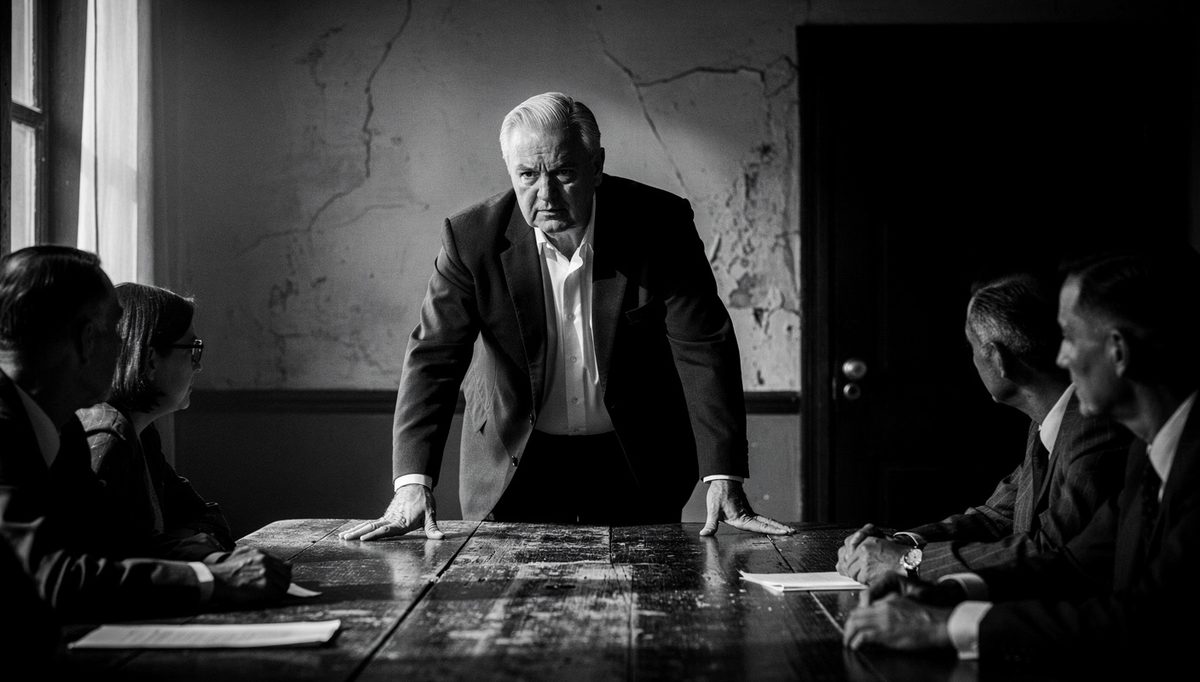
There is a moment most senior leaders have witnessed at least once. A room full of capable, confident people, all talking, all making reasonable points. Then one person speaks, and something shifts. The noise settles. Heads turn. Nobody agreed to pay attention; they just did. That is vocal gravitas at work. It has almost nothing to do with the words chosen and everything to do with how they land. I have watched people with brilliant ideas get talked over while others with ordinary ideas moved entire rooms. The difference, almost every time, came down to vocal gravitas. Understanding what it actually is, and how it differs from simple confidence, is the first step toward building a leadership voice that commands genuine respect.
What Vocal Gravitas Actually Means for Senior Leaders
Confidence is energy directed outward. Gravitas is weight directed inward first, then outward. That distinction matters more than it sounds.
A confident speaker tells the room they believe in themselves. A leader with vocal gravitas tells the room they believe in what they are saying, because they have lived enough to know the difference between what sounds good and what is actually true. That lived quality comes through in the voice before a single argument is made.
Here is what it looks like in practice. A senior director walks into a difficult budget meeting. Every person around the table is braced for spin or defensiveness. She sits, takes a slow breath, and begins: "We are in a hard position. I am going to tell you exactly what I know and exactly what I do not know yet." Her pace is measured. There is a deliberate pause after "yet." Her pitch is steady, not artificially deepened but not rising in anxiety either. The room relaxes. Not because the news is good, but because her voice told them she could hold the weight of it. That is vocal gravitas in a real situation.
"The Conversation You're Avoiding Is the One You Need to Have."
"The Conversation You're Avoiding
Is the One You Need to Have."
Stop rehearsing conversations you'll never have. Say It Right Every Time gives you 115 word-for-word scripts and 16 proven frameworks to speak with confidence in every conversation that matters.
The Difference Between Sounding Confident and Carrying Real Authority
At junior levels, confidence is a distinguishing quality. At senior levels, it is assumed. What people around a senior leader are actually listening for is something harder to fake: whether you can be trusted under pressure.
Confidence can be performed on a good day. Gravitas shows up on the hard ones. When the numbers are wrong, when the strategy has failed, when a room is frightened or angry, a confident voice can crack under that weight. A voice with real gravitas does not. It slows down. It finds its ground. It does not fill silence with noise just to manage its own discomfort.
I spent years confusing the two. I was confident enough in my thirties to walk into rooms without hesitation. But I talked too fast, I filled every silence, and I used energy as a substitute for authority. It took a mentor pointing out, with admirable directness, that I sounded like I was trying to convince myself as much as anyone else. He was right. Confidence was covering for the fact that I had not yet earned the weight behind my words.
This connection between accumulated experience and vocal authority is worth understanding. If you want to explore how that experience translates into a stronger voice over time, the piece on how the confidence-competence loop explains why some leaders develop a stronger voice faster is worth your time.
What Vocal Gravitas Sounds Like When It Is Working
You can hear it clearly once you know what to listen for. The observable signs are consistent across industries and cultures.
A leader with vocal gravitas speaks at a pace that feels unhurried, even when time is short. They do not rush to fill the silence after a question; they let the silence work. Their sentences end with a falling inflection, a definitive close, rather than the upward lilt that quietly turns every statement into a question. Their volume stays even under pressure rather than climbing when challenged or dropping when uncertain.
The pauses are the clearest signal of all. People without gravitas are afraid of silence; they fill it with "um," "so," "you know," "basically." People with it treat silence as punctuation. A well-placed pause after a serious point says: that deserved a moment. It gives the room time to absorb, and it signals that the speaker is not driven by anxiety.
One thing I have noticed consistently: leaders with vocal gravitas never sound surprised by what they are saying. The voice carries the sense that this person has thought this through, that their words are chosen, not grabbed. That quality of considered delivery is what builds trust faster than any amount of enthusiasm.
Three Beliefs That Undermine Vocal Gravitas Without Leaders Realising It
Correcting your practice requires correcting your thinking first. There are three assumptions I hear repeatedly, and each one quietly works against the authority a senior leader is trying to build.
The mistake: Gravitas means speaking louder and more slowly in a deliberately deep voice.
Why it happens: Leaders equate authority with dominance, so they perform authority through volume and forced depth.
What to do instead: Let your natural pitch settle, rather than forcing it. Slow your pace to what feels almost uncomfortable, then slow it a fraction more. Real gravitas is relaxed, not performed.
The mistake: Showing energy and enthusiasm will carry the room better than measured composure.
Why it happens: We associate engagement with animation, and we worry that being still seems disinterested.
What to do instead: Reserve energy for genuine emphasis. When everything is emphasised, nothing is. Composure reads as strength; constant animation reads as anxiety dressed as enthusiasm.
The mistake: Gravitas is something you either have or you do not, a personality trait rather than a practice.
Why it happens: We see established leaders with natural gravitas and assume they were born with it, forgetting the decades of hard use that shaped it.
What to do instead: Treat it as a skill with specific components: pacing, pause, pitch management, breath control, and the removal of filler language. Each one can be practised deliberately and improved.
Running productive meetings is one of the clearest arenas where vocal gravitas either shows or collapses. If you want to see how that plays out in practice, look at how to run productive meetings that don't waste time.
Two Moments Where Gravitas Makes the Real Difference
Abstract principles only become real when they land in a specific situation. Here are two that most senior leaders will recognise.
When the Room Is Pushing Back
A leadership team is presenting a restructuring plan. Halfway through, a senior manager interrupts: "This is the third restructure in four years. Why should anyone believe this one is different?" The room tenses. A confident leader might fire back with data, justify the decision, match the emotional register of the challenge. A leader with vocal gravitas does something else entirely. They pause. They nod. They say, clearly and without hurry: "That is a fair question. And I do not have a perfect answer to it. What I can tell you is what is different this time and why I believe it." The pause before that response is not hesitation. It is weight. It signals: I heard you, and I am not rattled by you.
Managing the emotional temperature of a room, especially during tense exchanges, is a skill closely connected to vocal gravitas. The approaches in how to de-escalate arguments during meetings complement what you are building here.
When You Are Delivering Hard Feedback
A senior leader needs to tell a high-performing team member that their approach to communication is damaging relationships on the team. A confident delivery might be clear but land harshly. Gravitas changes it. The pace slows. The tone stays warm but does not soften into vagueness. There is no upward inflection to cushion the delivery into a question. The message is direct; the voice carries both the weight of the concern and the respect of the relationship. The person being spoken to feels the seriousness without feeling attacked. That combination, directness held inside composure, is what gravitas enables that confidence alone cannot. For more on how that kind of delivery works in practice, why effective feedback is the backbone of workplace growth is worth reading alongside this.
Gravitas also matters beyond live rooms. Leaders working in distributed environments face the added challenge of projecting authority through screens and audio, where every vocal quality is magnified. How leaders stay visible in virtual workspaces addresses that specific challenge. And at the team level, the way a leader speaks directly shapes whether people feel safe enough to contribute fully, which is the foundation of how leaders foster a culture of team synergy and how to sustain team synergy during leadership transitions and restructuring.
How to Start Building It, Starting With the Next Conversation You Have
Vocal gravitas is not built in a workshop. It is built in the next meeting, the next difficult conversation, the next moment you feel the urge to fill a silence and choose not to.
Here is what I would have you do this week. Pick one habit to change first, and change only that one. If you speak quickly under pressure, slow down deliberately even when it feels strange. If you use filler words, practise letting the pause sit where the "um" would have been. Record yourself in a real conversation, not a practice run. Listen back for the moments where your voice tightens, rushes, or rises at the end of a statement. Those are the precise moments to work on.
The truth of it is this: vocal gravitas for leaders is not about sounding impressive. It is about becoming trustworthy enough that people follow you before they have finished evaluating your argument. That quality is earned through years of real experience, but it is expressed through specific, learnable habits of voice. Start with one. Practise it until it is no longer a habit but simply who you are.
Frequently Asked Questions (FAQ)
What is vocal gravitas in leadership?
Vocal gravitas is the quality that gives a senior leader's voice weight, authority, and earned trust. It is not about volume or forcefulness. It comes from measured pacing, deliberate pauses, and the kind of composure that tells a room this person has seen hard things and handled them.
How do vocal gravitas leaders differ from simply confident speakers?
Confident speakers project energy and positivity. Leaders with vocal gravitas project conviction and composure. Confidence can be performed; gravitas cannot. Gravitas is the accumulation of real experience expressed through how you speak, not just what you say.
Can you develop vocal gravitas as a leader?
Yes. Vocal gravitas is a skill built through deliberate practice. Slowing your speaking pace, using intentional pauses, lowering your pitch under pressure, and removing filler words like "um" and "so" are all concrete practices that build it over time.
What does vocal gravitas sound like in practice?
It sounds unhurried. A leader with vocal gravitas does not rush to fill silence. They speak in complete thoughts, allow pauses to land, and vary their tone with intention. Their voice carries weight without volume because every word sounds considered, not reactive.
Why does vocal gravitas matter more than confidence for senior leaders?
At senior levels, confidence is assumed. What people are actually listening for is whether you can be trusted under pressure. Vocal gravitas signals that trust. It tells a room you are steady, that you have thought this through, and that you are worth following.
What are the most common mistakes that undermine vocal gravitas?
The three most damaging habits are: speaking too quickly under pressure, using too many filler words, and ending statements with a rising inflection as if asking a question. Each of these signals anxiety rather than authority and quietly erodes the trust a leader needs.