
What Happened
Brands are waking up to a hard truth: the talent they partner with can detonate their reputation overnight. Ad Age recently examined how companies can build a smarter process for vetting spokespeople, influencers, and ambassadors before signing deals, and how to respond when those relationships go sideways anyway. The piece lays out a playbook covering the full arc from selection to damage control.
The Communication Angle
Picture this. A brand spends eighteen months building a campaign around a charismatic spokesperson. The launch is perfect. Three weeks later, old posts surface, a scandal breaks, and the brand is standing at a microphone with nothing prepared and everything at stake. That moment, the one right after the crisis lands and before anyone has said a word publicly, is where reputations are won or lost.
Most brands lose them. Here is why.
The failure is almost never about what happened with the talent. The failure is about the brand having no communication architecture ready to deploy. They built the campaign. They never built the exit. So when reporters call, the response is vague, slow, and defensive. All three of those qualities signal guilt to the public, even when there is none. Vagueness says you are hiding something. Slowness says you were caught off guard. Defensiveness says you care more about the brand than about accountability.
The brands that survive these moments do one thing differently: they speak first and they speak simply. Not with a five-paragraph legal statement. With a single, clear sentence that acknowledges reality. Something like: "We have ended our partnership with [name] and here is what we are doing next." That sentence does three things at once. It confirms the action is already taken (not "we are reviewing"). It removes the spokesperson from the story. And it pivots immediately toward the future, which is the only place the brand can actually operate.
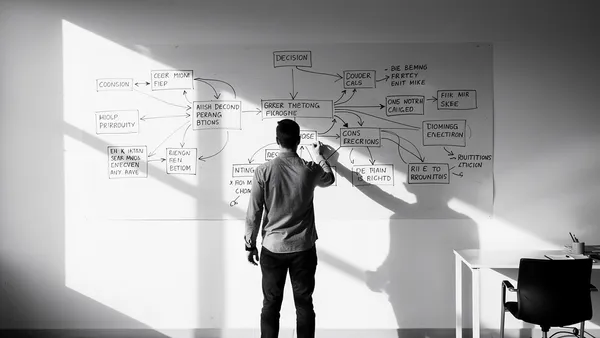
The vetting piece matters too, and I will not pretend otherwise. Doing proper research before you sign someone is basic brand hygiene. But here is the honest truth: no vetting process catches everything. People are complicated. Pasts are long. What you can control is the communication framework you build before any crisis exists. A holding statement ready to go. A decision tree that tells your team exactly who speaks and what they say at each stage. A single designated voice so you are not getting three different answers from three different executives.
The brands that treat crisis communication as a document they write after the fire has started are the brands that burn.
This is exactly the kind of scenario I break down in Say It Right Every Time. The chapter on crisis language gives you a framework for building statements that sound human instead of corporate, because in a reputational crisis, the only thing that actually reassures people is hearing that a real person made a real decision. Not a brand. Not a committee. A person, speaking plainly, taking responsibility, and pointing toward what comes next.

Never Be Lost
for Words Again
Get word‑for‑word scripts for the conversations that shape your life, from job interviews and negotiations to difficult talks with family and partners, so you always know exactly what to say and how to say it.
Never Be Lost
for Words Again
Get word‑for‑word scripts for the conversations that shape your life, from job interviews and negotiations to difficult talks with family and partners, so you always know exactly what to say and how to say it.
Key Takeaway
Before you finalize your next talent partnership, write one document and keep it on file: a two-sentence statement that ends the relationship cleanly if it needs to end. You do not have to use it. But having it means that when the call comes at 11pm, your team is not drafting under pressure. They are executing. Speed and clarity in a crisis are not gifts. They are products of preparation done in the quiet.