
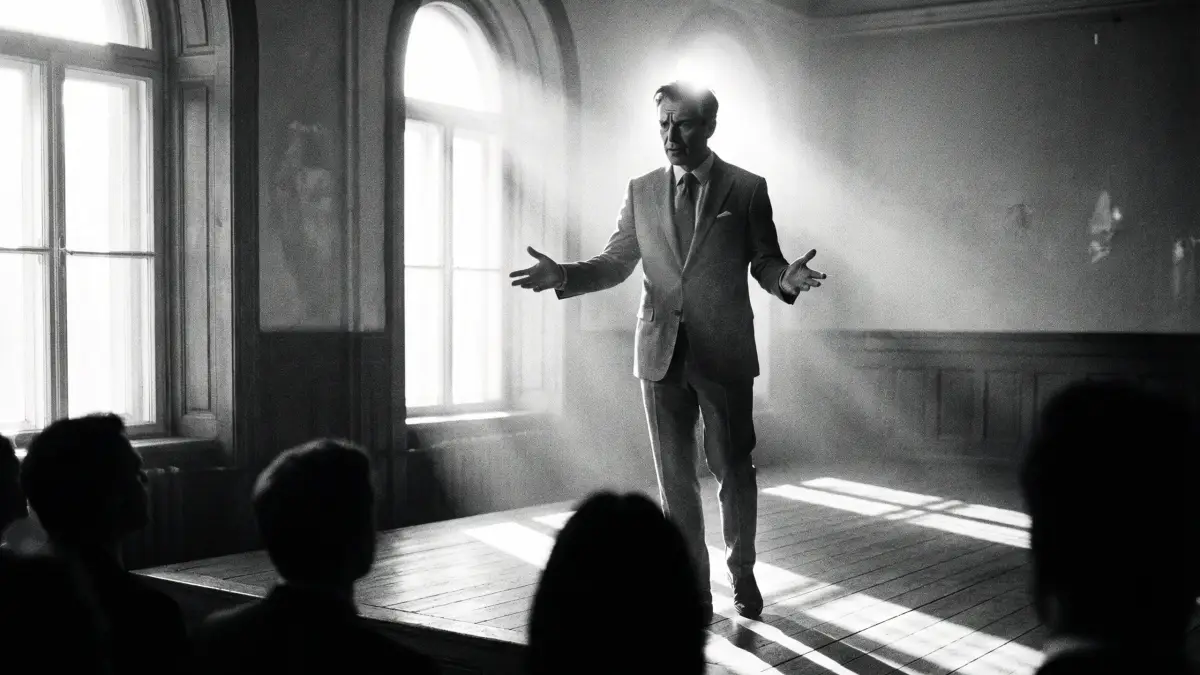
Physical Expression
How posture, gesture, movement, and facial expression shape how your communication is received and how others perceive you.
Communication is a full-body activity. The way you hold yourself, move through a space, gesture while speaking, and express emotion through your face all contribute to how your message lands — often more powerfully than the words themselves. Physical expression is not about performing confidence; it is about aligning your body with your intent so that what you say and how you appear are working together rather than at cross-purposes.
This subtopic covers the practical dimensions of physical expression in communication: how posture signals confidence or uncertainty, how deliberate gesture reinforces spoken ideas without becoming distracting, how facial expression either supports or undercuts your message, and how movement and stillness affect the energy and authority of your presence. You will find guidance on becoming more aware of your own physical habits and developing greater intentionality in how you use your body to communicate.
For speakers, leaders, professionals in client-facing roles, and anyone who wants to communicate with greater impact, physical expression is an often-overlooked lever. These articles help you use it with awareness and purpose.
 22 min audio
 Physical Expression for Beginners: Your First Steps to More Confident Body Language
Physical expression shapes how others receive your words before you speak a single one. This guide covers the core principles of body language for beginners, including posture, gesture, eye contact, and movement, with practical steps you can apply immediately in any professional setting.
Read Article → 23 min audio
 Advanced Physical Expression Techniques: Mastering Subtle Body Signals for Expert Communicators
Advanced physical expression goes far beyond posture and eye contact. This article covers five practical techniques for reading and sending subtle body signals, with clear frameworks, real examples, and a decision guide to help you choose the right approach in any situation.
Read Article → 25 min audio
 Virtual Body Language: Adjusting Expression for Screens
Virtual body language shapes how colleagues read your confidence, warmth, and intent on screen. This guide covers the practical steps to adjust your physical expression for video calls, from camera setup to deliberate gesture and eye contact, so your message lands the way you mean it.
Read Article → 16 min audio
 Understanding Micro‑Gestures in Professional Contexts
Micro-gestures are the tiny, involuntary physical signals that reveal your true intentions before you speak a single word. This article explains what they are, why they matter in professional settings, and how to read and manage them with greater awareness and skill.
Read Article → 29 min audio
 How the 60-Day Transformation Plan Structures Physical Expression Practice to Build Lasting Nonverbal Habits
The 60-Day Transformation Plan from Say It Right Every Time teaches physical expression through progressive daily practice. This article explains the plan's core frameworks, shows how each one builds nonverbal skill, and gives you a clear method for turning conscious body language practice into lasting habit.
Read Article → 23 min audio
 How the D.E.A.L. Method Requires Specific Physical Expression at Each Stage of Conflict Resolution
The D.E.A.L. Method gives you a structured path through conflict. But the words alone are not enough. This article teaches the specific physical expression required at each of the four stages so your body reinforces your message instead of undermining it.
Read Article → 27 min audio
 Physical Expression Tips for Neurodivergent Communicators Who Find Body Language Rules Challenging
Body language rules are confusing at best and exhausting at worst for many neurodivergent communicators. This article gives you a clear, step-by-step process for developing physical expression that feels genuine, works in professional settings, and does not require you to perform neurotypical norms.
Read Article → 25 min audio
 How to Use the Empathy Bridge to Position Your Body Before a Difficult Conversation
Before you say a single word in a difficult conversation, your body has already spoken. This article teaches you how to use the Empathy Bridge to physically position yourself so the other person feels safe enough to listen, and honest enough to respond.
Read Article → 21 min audio
 How Posture Influences Confidence and Credibility
Posture shapes how others read your confidence and how you experience your own authority. This article walks through a clear, practical process for using physical expression to build genuine credibility, step by step, from preparation to real-world application.
Read Article → 21 min audio
 Physical Expression Under Explosive Anger: How to Hold Your Body When Someone Is Shouting at You
When someone shouts at you, your body responds before your brain catches up. This article gives you a clear, practical system for managing your physical expression under explosive anger so you stay grounded, clear, and in control of the conversation.
Read Article → 24 min audio
 How to Practice Physical Expression Alone: Exercises and Drills You Can Do at Home
Physical expression shapes how others receive your words, yet most people never practise it deliberately. This article gives you a clear, home-based system of solo exercises and drills to build confident body language, purposeful gesture, and expressive presence you can use immediately.
Read Article → 19 min audio
 Physical Expression Mistakes to Avoid When Apologizing in Person and How to Show Genuine Remorse Through Body Language
Most people apologize with the right words and the wrong body. This article identifies the most damaging physical expression mistakes people make when apologizing in person, explains why they happen, and gives you concrete steps to show genuine remorse through body language.
Read Article →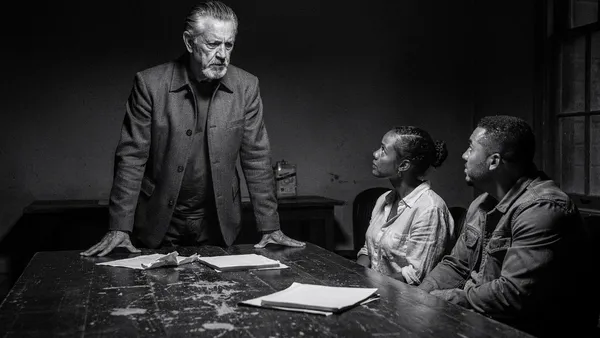 22 min audio
 How Leaders Use Posture to Command Attention
Posture is one of the most powerful physical expression tools a leader has. This guide gives you a practical, step-by-step process for using your body to command attention, build trust, and communicate strength before you speak a single word.
Read Article →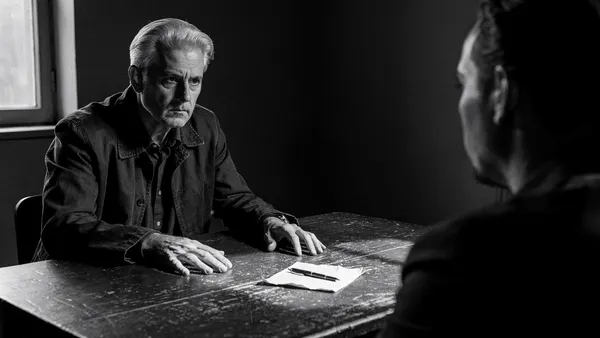 19 min audio
 Physical Expression Mistakes to Avoid During Job Interviews and High-Stakes Meetings
Physical expression mistakes during job interviews and high-stakes meetings can undermine your message before you speak a word. This article identifies six common body language errors, explains why they happen, and gives you practical steps to correct each one before your next critical conversation.
Read Article → 24 min audio
 Physical Expression Tips for Healthcare Professionals Who Communicate With Patients Under Stress
Healthcare professionals communicate volumes before speaking a single word. This guide covers practical physical expression techniques for managing body language, posture, and nonverbal cues under pressure, so patients feel safe and heard even in the most difficult clinical moments.
Read Article → 22 min audio
 How the B.R.I.D.G.E. Method's Apology and Reaffirmation Steps Depend on Congruent Physical Expression
The B.R.I.D.G.E. Method's first two steps only work when your body matches your words. This article explains the physical expression frameworks that make an apology believable and a reaffirmation feel real, drawn from Chapter 6 of Say It Right Every Time.
Read Article → 25 min audio
 How to Use the 3-Second Pause to Reset Your Physical Expression When Emotions Spike
When emotions spike, your body reacts before your brain catches up. This article teaches you the 3-Second Pause from Say It Right Every Time, a practical technique for resetting your physical expression in real time, so your posture, face, and gestures work with you, not against you.
Read Article →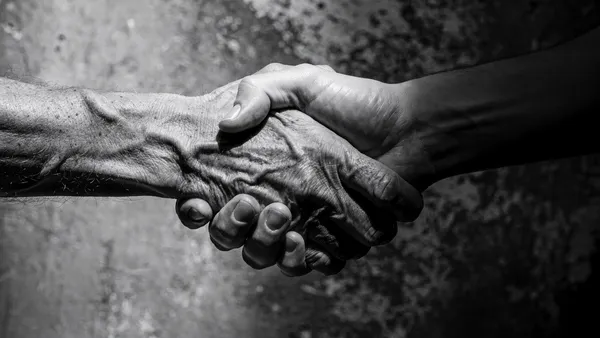 15 min audio
 What Is Haptics? How Touch Functions as Physical Expression in Everyday Communication
Haptics is the study of touch as a form of communication. This article explains what haptic communication is, why it carries more weight than most people realise, and how touch shapes trust, connection, and meaning in everyday personal and professional interactions.
Read Article →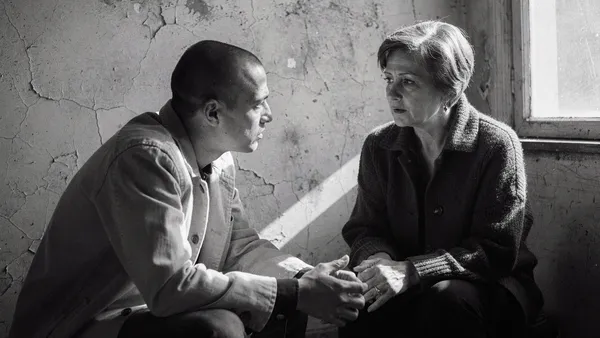 27 min audio
 How to Appear Open and Approachable in Conversation
Appearing open and approachable in conversation is a learnable physical skill. This guide walks you through the specific body language habits, posture adjustments, and facial cues that signal safety and warmth, so people feel genuinely welcome to connect with you.
Read Article → 17 min audio
 Physical Expression Case Studies: How Body Language Shaped Outcomes in Business, Politics, and Everyday Life
Physical expression shapes outcomes before a single word is spoken. This article examines five real-world scenarios across business, leadership, and everyday life, showing exactly how body language builds trust, signals weakness, and determines whether people listen, follow, or walk away.
Read Article → 14 min audio
 The Role of the Body in Effective Communication
Physical expression shapes how others receive your words before you finish speaking. This article explains what body language, posture, gesture, and facial expression mean in practice, why they matter in professional settings, and how to use them with greater intention and skill.
Read Article → 18 min audio
 Head Movements vs Hand Gestures: Which Physical Expression Channel Communicates Emotion More Accurately
Head movements and hand gestures both carry emotional weight, but they work in fundamentally different ways. This article breaks down what each channel communicates, where they overlap, and which one delivers emotion more accurately depending on your situation and intent.
Read Article → 23 min audio
 How to Read Someone's Physical Expression to Detect Confidence, Deception, or Discomfort
Reading physical expression accurately takes more than instinct. This guide walks you through a clear, step-by-step process for detecting confidence, deception, and discomfort in the people you work with, so you can respond with greater skill and clarity.
Read Article → 24 min audio
 How to Read Group Energy Through Body Signals
Reading group energy through body signals is a practical communication skill that most people never develop. This guide gives you a clear, step-by-step process for spotting physical cues, interpreting collective posture, and responding to what a group is actually feeling in real time.
Read Article →