
In Short
After reading this guide, you will be able to use physical expression to project competence and confidence in a job interview before you say your first word.
- Prepare your posture, entry, and handshake deliberately before you arrive.
- Use eye contact, stillness, and open gestures to reinforce your verbal answers.
- Replace nervous habits with practised physical defaults through targeted rehearsal.
Physical expression in a job interview is the deliberate use of your body, including posture, gesture, eye contact, and movement, to communicate confidence and competence. It begins the moment you walk through the door and shapes the interviewer's impression before a single word leaves your mouth.
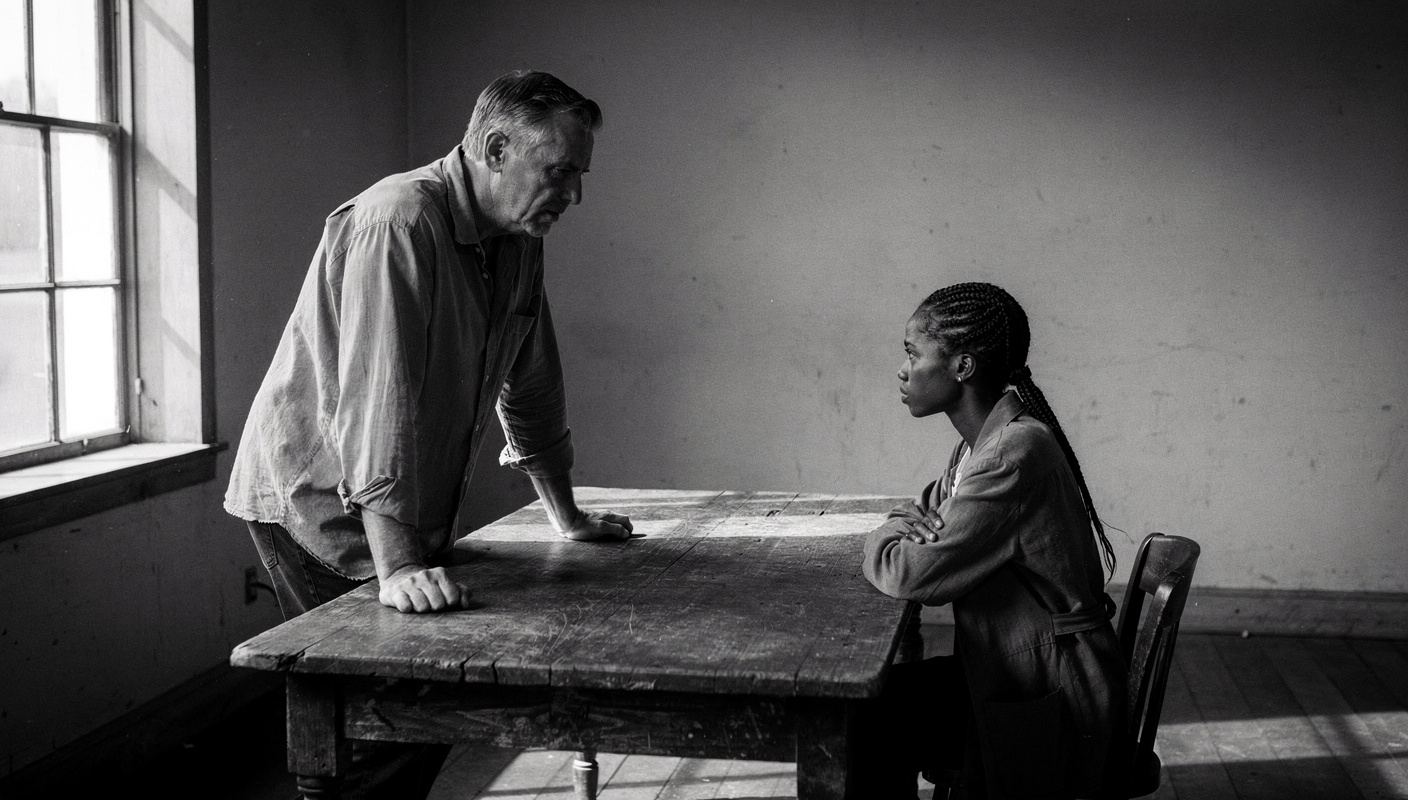
I have watched good candidates lose interviews they deserved to win. Not because their answers were weak. Because their bodies told a different story. Shoulders curled forward, eyes dropping to the table, hands fidgeting with a pen. The interviewer formed a judgment in the first ninety seconds, and nothing said afterward could fully undo it.
This is the challenge of physical expression in an interview: most people know it matters, but they have no system for doing it well. The problem is not laziness. It is that nerves override intention. You plan to sit tall and look confident, and then the door opens and everything you planned dissolves.
The deeper issue is that most candidates prepare what to say and almost nothing about how to carry themselves. They rehearse answers and neglect the body that delivers them.
In this guide, you will get a clear, practical process for physical expression during a job interview that you can use immediately. If you want to understand how emotional intelligence shapes the way we read others in high-pressure situations, The Role of Emotional Intelligence in Team Synergy is worth your time alongside this.
Why Nonverbal Communication in Interviews Is Harder Than It Looks
Knowing that posture matters is not the same as being able to hold it under pressure. There is a gap between intention and execution that nerves widen every single time.
Here is why physical expression is genuinely difficult to get right in an interview setting:
Your nervous system works against you. When anxiety spikes, your body contracts. Shoulders rise, chest closes, and you begin to make yourself smaller without realising it. These are not choices. They are reflexes, and they require deliberate practice to override.
You cannot see yourself in the moment. You have no mirror, no camera, and no feedback. Most people have never watched themselves sit in a chair under pressure. What feels composed often looks restless from the other side of the table.
Old habits fill the gap. When concentration goes to forming an answer, the body reverts to default. If your default is crossed arms, a downward gaze, or rapid nodding, that is what the interviewer sees while you think.
There is too much to manage at once. Listening, thinking, speaking, and monitoring your posture simultaneously is a heavy cognitive load. Without a practised physical framework, something always slips.
The stakes amplify every flaw. A nervous hand gesture you barely notice in conversation becomes visually loud when the room is quiet and two people are watching you closely.
Preparation stops at the words. Most interview coaching focuses entirely on verbal answers. Physical rehearsal is treated as secondary, if it happens at all.
The goal is not to eliminate these difficulties. It is to build a system that works in spite of them.
"The Conversation You're Avoiding Is the One You Need to Have."
"The Conversation You're Avoiding
Is the One You Need to Have."
Stop rehearsing conversations you'll never have. Say It Right Every Time gives you 115 word-for-word scripts and 16 proven frameworks to speak with confidence in every conversation that matters.
The Foundation: What You Need Before You Start
Before you begin, there are three things that need to be clear.
Know your physical defaults. You need to know what your body actually does when you are under pressure, not what you think it does. Record yourself on video answering a practice question while seated at a table. Watch it without sound first. What do your hands do? Where do your eyes go? This is your starting point, not your enemy.
Identify your two or three anchors. An anchor is a physical position you can return to when you lose track: feet flat on the floor, back in contact with the chair, hands resting open on your thighs. You do not need to control everything. You need two or three reliable anchors that signal calm to both you and the interviewer. Choose them before you walk in, and practise them until they feel natural.
Separate rehearsal from performance. Physical expression cannot be improvised. It must be practised in conditions that approximate the real thing. That means sitting in a chair at a table, not pacing the floor of your living room. The closer the rehearsal environment matches the interview setting, the more your body will retain under pressure.
Get these right first. The steps that follow will not work without them.
Step 1: Prepare Your Entry Before You Arrive
Your physical expression interview starts in the car park, not in the interview room. The way you enter a building, greet a receptionist, and walk down a corridor is already forming an impression, often before you meet the person who holds the job.
Most candidates switch on only when they sit down across from the interviewer. By then, the first impression is already half-formed. Composure is not a switch. It is a state you build and maintain.
Here is how to prepare your entry deliberately:
- Arrive ten minutes early and spend five of those minutes outside, breathing slowly and standing tall.
- When you enter the building, walk at a measured pace. Not rushed, not dragging. Purposeful.
- Make genuine eye contact with the receptionist and greet them by name if you can read it.
- When your interviewer appears, stand fully upright before extending your hand.
- Let the interviewer guide you to the seat. Pause before you sit. Do not drop into the chair.
Here is what that entry looks like in practice. You push through the front door, shoulders back, pace steady. The receptionist looks up and you make direct eye contact. "Good morning. I am here to see Sarah Connell. My name is David Park." You stand while you wait. You do not check your phone. When Sarah arrives, you are already standing tall, not scrambling to your feet. You extend your hand, hold the grip for two full seconds, and look her in the eye. That is not luck. That is preparation.
A strong entry sets your own nervous system as much as it sets the interviewer's impression. Get this step right and everything that follows becomes easier.
Step 2: Plant Your Posture in the First Thirty Seconds of Sitting
The moment you sit down is the moment most candidates lose the physical battle. The chair feels safer when you sink into it. The table is a place to rest your elbows. These are the instincts you need to override.
Posture is not about rigidity. It is about a grounded, upright position that communicates readiness. Think of a tree with good roots: solid at the base, flexible at the top.
Follow this sequence as you take your seat:
- Sit back far enough that your back touches the chair, then lean slightly forward from the hips.
- Place both feet flat on the floor. Do not cross your legs in the first five minutes.
- Rest your hands open on the table or on your thighs. Do not grip anything.
- Keep your chin level. Not lifted in defiance, not dropped toward your chest.
- Take one slow breath before the first question arrives.
This posture signals engagement and confidence. The slight forward lean, in particular, communicates that you are invested in the conversation, not merely enduring it. Hold this position as your baseline throughout the interview, returning to it whenever you notice yourself drifting.
Understanding what makes people feel safe enough to trust what they see is connected to deeper principles. What Is Psychological Safety and How It Drives Team Synergy explores this from a team angle, but the same principle applies in a two-person interview room.
Step 3: Use Eye Contact as a Confidence Signal
Eye contact is one of the most powerful tools in a physical expression interview. Get it right and you look certain. Get it wrong and you look evasive, or worse, aggressive.
The problem is that most nervous candidates either avoid the interviewer's gaze or stare without blinking. Both feel uncomfortable to the person receiving it. You need a rhythm.
Here is how to build that rhythm deliberately:
- Hold eye contact for four to six seconds while your interviewer is speaking. This shows you are genuinely listening.
- When you begin your answer, hold their gaze for the first full sentence. This signals that you are direct and clear.
- Allow your eyes to move briefly while you think. Looking slightly up or to the side is natural and human.
- Return your gaze to the interviewer when you make your key point. That is when eye contact carries the most weight.
- If there are two interviewers, divide your eye contact proportionally. Address the person who asked the question, but bring the second person in during your answer.
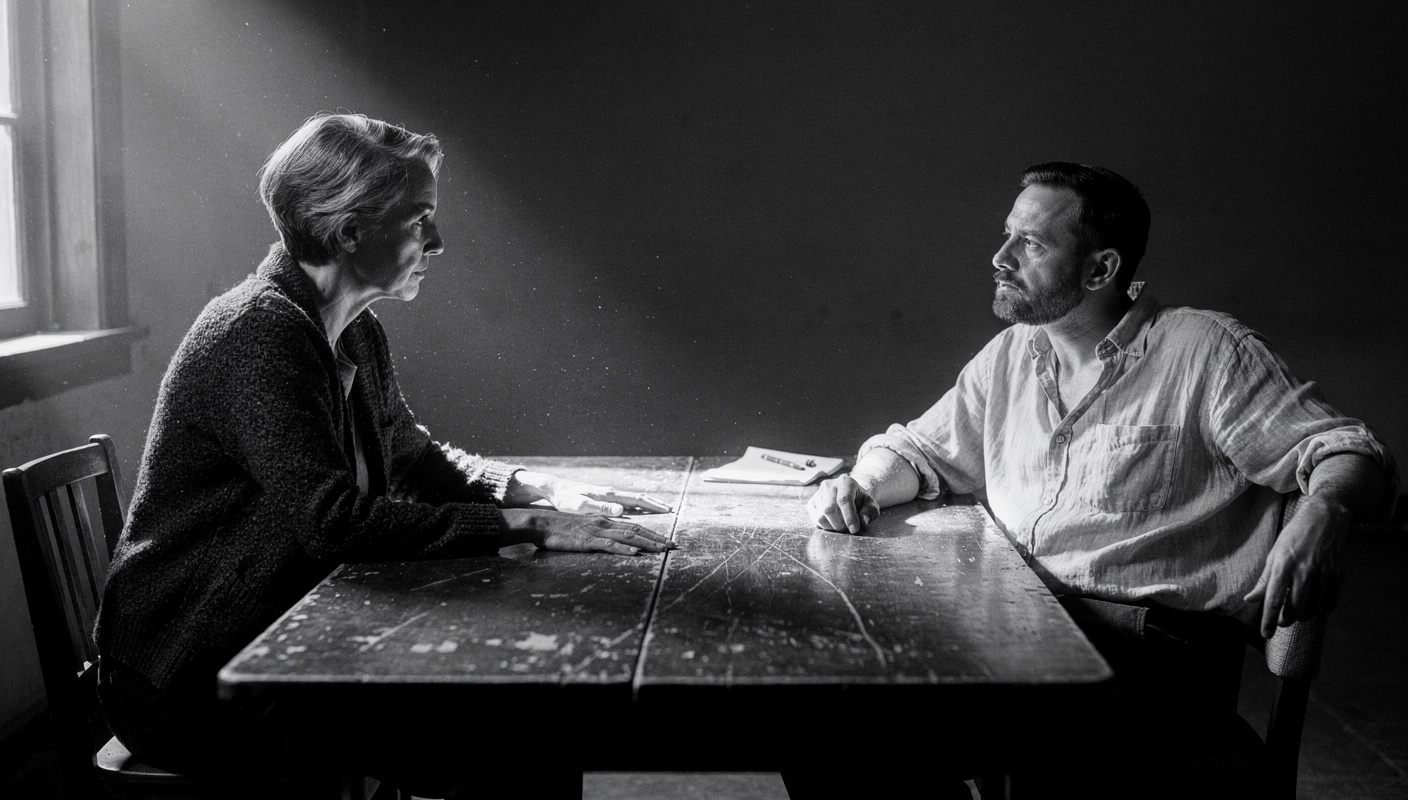
Here is a short script for how this feels in practice. The interviewer asks: "Tell me about a time you handled conflict." You hold their gaze as she finishes the question. You pause for two seconds, eyes briefly moving upward as you gather your thoughts. Then you look back and begin: "In my last role, I managed a disagreement between two senior engineers..." You hold her gaze as you deliver the core of the story. When you reach your conclusion, your eye contact is steady and direct. She feels heard and addressed. That is eye contact working as a confidence tool, not as a staring contest.
Good eye contact is a gift you give the interviewer. It tells them you are fully present and unafraid of being seen.
Step 4: Manage Your Hands With Deliberate Gesture
Hands are the most visible source of nervous energy in any interview. They tap, they grip, they fidget with rings or pen caps. The interviewer's eye is drawn to movement, and constant hand movement reads as anxiety, not energy.
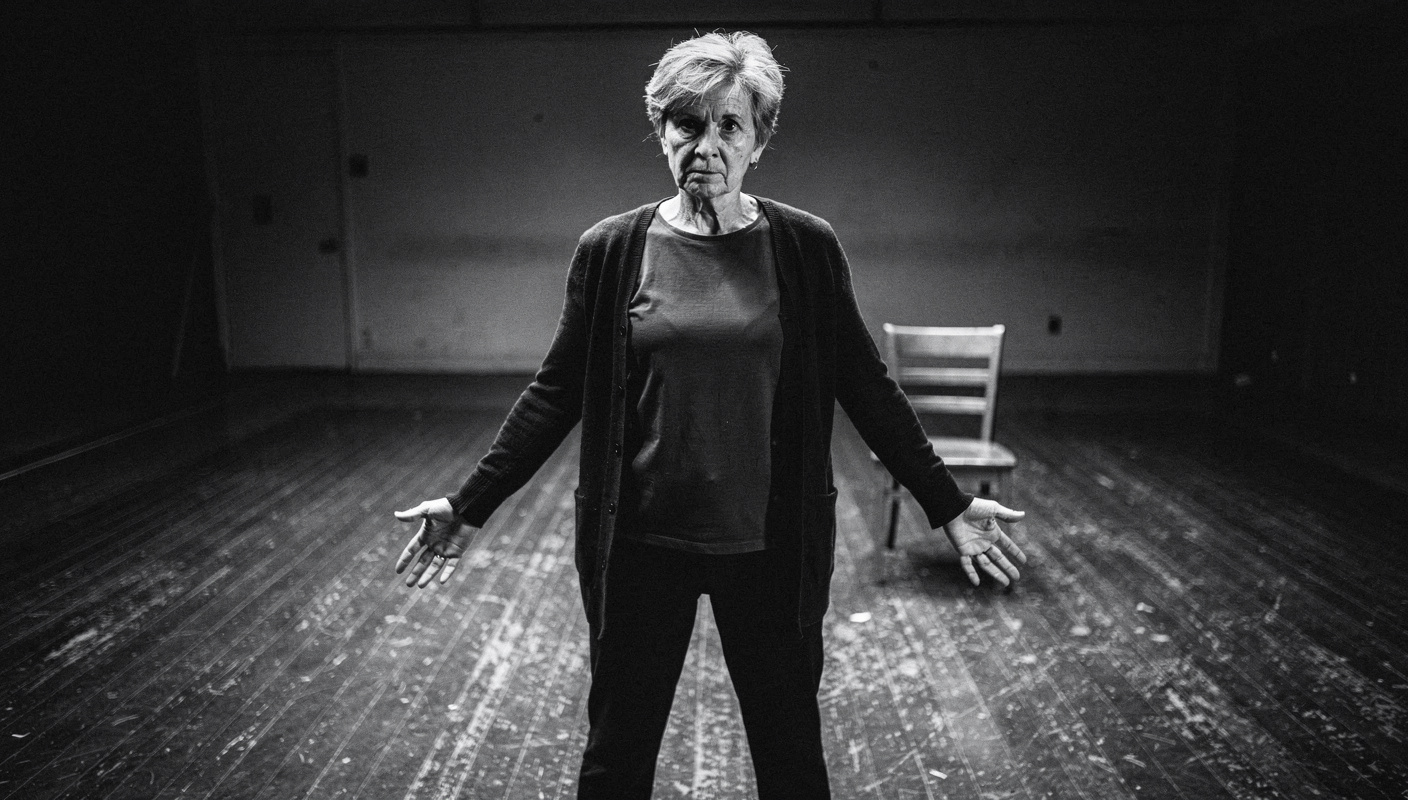
The goal is not to freeze your hands. It is to make them purposeful. Open, calm gestures reinforce what you are saying. Closed, fidgeting hands contradict it.
Apply these actions to bring your hands under control:
- Begin with both hands resting open on the table or on your thighs. Return to this position between gestures.
- Use one hand at a time to gesture when making a point. Two hands moving simultaneously can look frantic.
- Avoid touching your face, neck, or hair during answers. These are self-soothing behaviours that signal discomfort.
- When you list items in your answer, use your fingers to count them. It is a natural, clear gesture that also organises your thinking.
- After each gesture, bring your hand back to your rest position. This is the single most important habit to build.
Watch what happens when you apply this in a real answer. You say: "There were three things I did to turn the project around." Your index finger rises as you say "first." Your hand returns to the table. It rises again for "second." Returns. This rhythm is calm, clear, and controlled. The interviewer sees someone who is organised and composed. That is physical expression doing exactly what it should.
The hands that are still between gestures are the hands that communicate strength. Practise the return.
Step 5: Control Your Stillness in Silence
This is the step most candidates never think about. What do you do when you are not talking? When the interviewer pauses to write a note, when you finish an answer and wait for the next question, when a silence stretches for three seconds longer than feels comfortable?
Most people fill silence with movement: shifting in the seat, reorganising papers, nodding repeatedly, exhaling audibly. All of this reads as discomfort. The interviewer notices. Composure in silence is as important as composure in speech.
Here is how to build that stillness:
- When you finish an answer, resist the urge to add more. Let your last sentence stand.
- Return to your anchor posture: feet flat, back supported, hands resting open.
- Maintain a soft, neutral facial expression. Not a forced smile. Not a blank stare. Settled.
- If the silence extends beyond five seconds, hold it. Do not rush to fill it with "um" or a restated point.
- Breathe slowly and visibly from the stomach, not shallow chest breaths that signal tension.
Here is what that stillness looks like in practice. You have just finished a strong answer about a project you led. The interviewer glances down at her notes. Three seconds pass. Four. You sit with both hands open on the table, chin level, a calm expression. You do not nod. You do not clear your throat. Five seconds. She looks up and asks the next question. In those five seconds, you communicated more about your composure than any answer could. Silence, held well, is a form of strength.
The ability to sit still in an interview connects directly to how you regulate your emotions under pressure. Signs Your Team's Amygdala Hijack Problem Is Destroying Synergy in Real Time explains the physiological roots of this reaction in a way that will help you understand why stillness is so hard to hold.
Step 6: Adapt Your Physical Presence to the Close of the Interview
The final minutes of a job interview are as physically important as the opening. Most candidates relax too early. They sense the conversation winding down, and their posture follows: shoulders drop, leaning back, a visible exhale of relief. The interviewer sees this. It can unravel thirty minutes of strong work.
The close is your last chance to leave a physical impression. Make it deliberate.
- Maintain your anchor posture until you are completely out of the room, not just until the final question ends.
- When you stand to leave, rise fully before extending your hand. Do not half-stand and reach across the table.
- Offer a firm, two-second handshake. Look the interviewer in the eye as you do it.
- Walk out at the same measured pace you walked in. Do not rush for the door.
- If you pass other staff in the corridor or lobby, maintain your composure. The interview is not over until you have left the building.
The final handshake is the last piece of data the interviewer takes with them into their deliberation. Make it match the confidence you built throughout the conversation.
Adapting This Process for Remote Video Interviews
A video interview changes the physical environment but not the importance of physical expression. In some ways, it makes your nonverbal communication more concentrated. The camera frames you from the chest up, so every gesture, facial expression, and posture adjustment is magnified.
Camera height and framing. Place your camera at eye level, not looking up at you from a laptop on a desk. Being framed from slightly below signals low status. Eye level signals equality. A stack of books under the laptop solves this in under two minutes.
The stillness problem is amplified. On screen, even small movements, such as shifting your weight, adjusting your hair, or looking at your own image in the corner, are visually disruptive. Practise holding your anchor posture for a full five-minute stretch in front of a camera before the interview.
Eye contact means looking at the lens, not the screen. This feels unnatural at first because you want to watch the interviewer's face. Train yourself to look at the camera when you make your key points. This is what eye contact looks like on the other person's screen.
Hands need a defined home position. On video, hands that drift above desk level and then disappear below it look erratic. Keep them visible and resting on the desk when not gesturing.
Facial expression carries more weight. Without the full body to read, interviewers lean harder on your face. A flat, unresponsive expression reads as disengaged. Practise a natural, engaged expression: slightly raised brows, periodic nods, a genuine reaction to what is being said.
The core process holds in every format. Only the specific execution changes.
Common Mistakes to Avoid
Let me tell you about the mistakes I see most often. I have made most of them myself.
The mistake: Rehearsing answers without rehearsing the body.
Why it happens: Most people treat words as the product and body language as decoration.
What to do instead: Record yourself on video doing a full practice interview, seated at a table. Watch it without sound first. Fix what you see before you work on what you say.
The mistake: Over-nodding to signal agreement while the interviewer speaks.
Why it happens: It feels like active listening. It looks like nervous energy or desperation to please.
What to do instead: Nod once, deliberately, when you genuinely want to acknowledge a point. Then return to a still, attentive expression.
The mistake: Gripping a pen, phone, or notepad throughout the interview.
Why it happens: Having something in your hands feels safer than empty hands.
What to do instead: Set the pen down after writing a note. Keep your hands open and resting. Give them nothing to grip.
The mistake: Breaking composure the moment the interview signals it is ending.
Why it happens: Relief is a powerful physical release, and it shows before you can stop it.
What to do instead: Treat the final two minutes with the same physical discipline as the first two. The close is scored.
The mistake: Mirroring the interviewer's relaxed posture too quickly.
Why it happens: Mirroring feels socially natural. But matching a relaxed interviewer too early makes you look unserious.
What to do instead: Mirror engagement and warmth. Maintain your own upright posture. Let the interviewer's body language inform your tone, not your structure.
These are not character flaws. They are gaps in the system. Fix the system.
For a deeper look at how emotional awareness shapes the way we communicate under pressure, Emotional Intelligence in Feedback Conversations offers practical tools that translate directly to interview settings.
Your Practical Checklist
Use this checklist before every practice session and before the interview itself.
- I have recorded myself on video in a seated interview simulation and watched it without sound.
- I have identified my two or three physical anchor positions and can return to them on demand.
- I have practised my entry: walking in, making eye contact, and delivering a clear greeting.
- I have rehearsed my handshake: firm, two seconds, eye contact held throughout.
- I have practised sitting in my anchor posture for a sustained five-minute period without shifting.
- I have identified my nervous hand habits and replaced each one with a specific alternative.
- I have practised holding eye contact for four to six seconds in a sustained conversation.
- I have rehearsed sitting in silence after an answer without adding filler words or movement.
- I have rehearsed the close: standing, handshake, and walking out at a measured pace.
- I have practised in the same type of clothing I will wear to the interview.
If you cannot check most of these, that is your starting point.
Summary and Next Steps
You now have a clear, step-by-step system for using physical expression in a job interview to project competence before you say a word. That is something most candidates never build.
- Your interview starts before you enter the room. Prepare your entry, your handshake, and your first thirty seconds of seated posture as deliberately as you prepare your answers.
- Stillness is a skill. Practise holding your anchor posture and sitting in silence without filling it.
- Eye contact is a rhythm, not a stare. Four to six seconds, returning on your key points.
- Hands speak louder than you think. Give them a home position and return to it after every gesture.
- Video interviews amplify every nonverbal signal. Camera height, eye contact with the lens, and facial expression all require specific preparation.
- Record yourself. You cannot fix what you cannot see.
- The close is scored as heavily as the opening. Maintain your physical discipline until you leave the building.
For further reading, How to Give Feedback That Strengthens Team Synergy Instead of Breaking It and How Empathy Bridges in Team Communication Create the Conditions for Lasting Synergy will sharpen how you read and respond to people in high-stakes conversations. If you want to understand the physiological side of why composure breaks down under pressure, What Is the Amygdala Hijack and How It Silently Blocks Team Synergy in High-Pressure Moments is essential reading.
Your physical expression interview is the one argument your body makes entirely on your behalf. Make it a good one.
Frequently Asked Questions (FAQ)
What is physical expression in a job interview?
Physical expression in a job interview refers to how you use your body, including posture, gesture, eye contact, and movement, to communicate confidence and competence. It begins the moment you enter the room and shapes how interviewers perceive you before you speak a single word.
How does physical expression affect interview performance?
Physical expression signals your emotional state and confidence level to the interviewer. Poor posture, restless hands, or avoiding eye contact can undermine strong verbal answers. A composed, open physical presence reinforces what you say and builds trust quickly in a high-stakes environment.
How do you control physical expression interview nerves?
Prepare your physical defaults before you walk in. Practise your entry, handshake, and seated posture until they feel natural under pressure. Controlled breathing slows the nervous system and steadies visible tension in your hands, jaw, and shoulders before the conversation begins.
What body language mistakes hurt you in a job interview?
Collapsing your posture, fidgeting with hands, avoiding eye contact, and over-nodding all reduce perceived competence. These habits signal anxiety rather than capability, even when your verbal answers are strong. Targeted practice replaces them with deliberate, calm physical alternatives.
How can you use eye contact effectively during a physical expression interview?
Hold eye contact for four to six seconds at a time before glancing briefly away, and return your gaze when making a key point. This pace feels natural rather than intimidating and signals that you are present, engaged, and confident in what you are communicating.
Does posture really matter in a job interview?
Posture is one of the first things an interviewer registers, often before you have spoken. Sitting upright with a slight forward lean signals engagement and energy. Slouching suggests low confidence or disinterest, regardless of how well-prepared your verbal answers are.