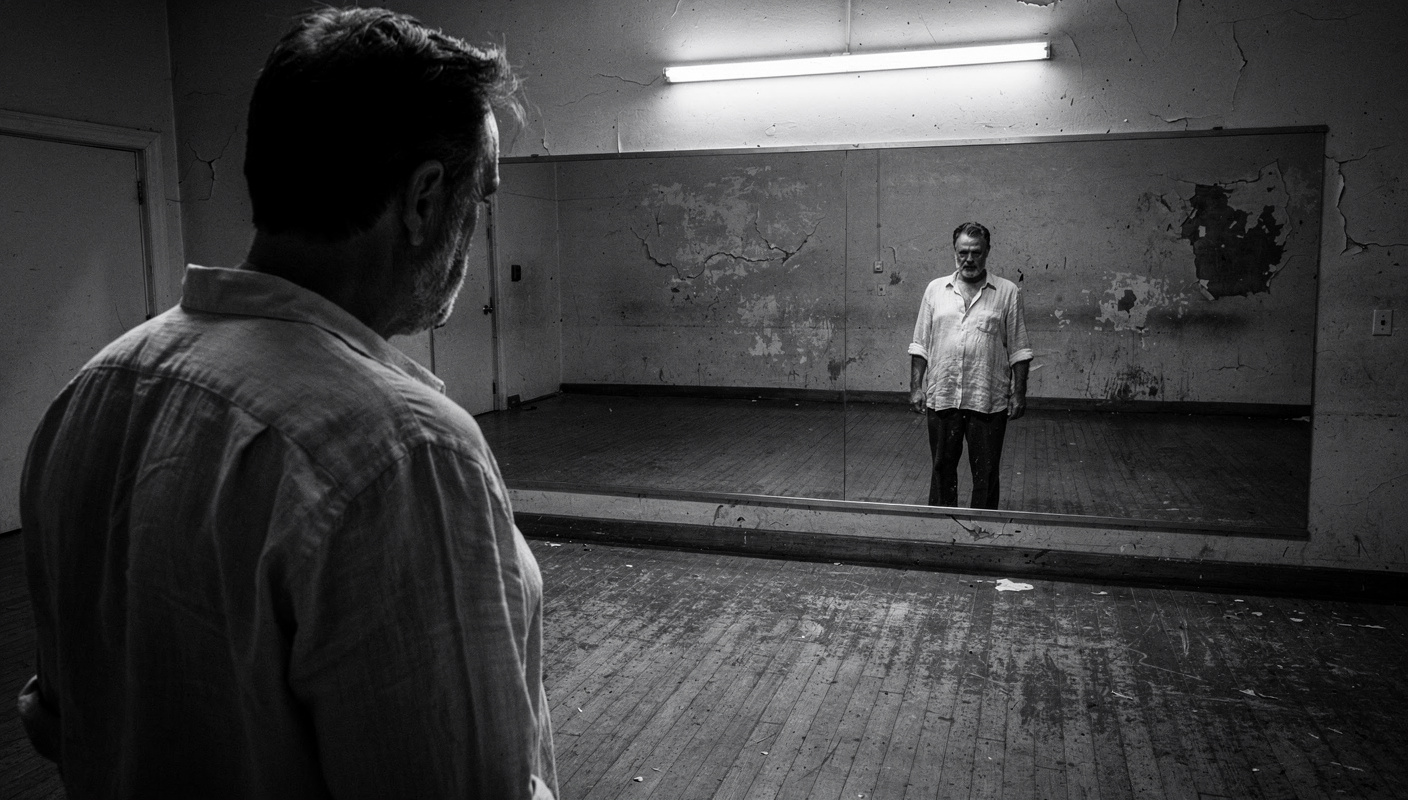

In Short
Open body language signals availability and ease; closed body language signals withdrawal or self-protection, and both shapes how your message is received before you speak a single word.
- Open posture invites connection; closed posture creates distance, whether you intend it or not.
- Neither is universally wrong, context and intention determine which serves you.
- Your physical expression and your spoken words must align, or people trust the body over the words.
Open body language describes physical postures and gestures that signal receptivity, calm, and engagement. Closed body language describes postures that signal withdrawal, self-protection, or resistance. Together, they form the physical dimension of how we communicate beyond words.
I watched a colleague lose a client once. Not because of what he said. Because of how he sat. His arms were crossed, his torso angled slightly away, his jaw tight. He was actually listening. He told me so afterwards. But the client read something different entirely, and by the time the words reached her, the physical expression had already told its own story. She left unconvinced.
The difference between open body language and closed body language is not just about looking friendly. It is about what your physical presence communicates before, during, and after you speak. Most people have a vague sense that posture matters. Far fewer understand why, or know how to use it deliberately. The cost of that gap shows up in interviews, in difficult conversations, in meetings where you know your idea was good but somehow it did not land.
By the end of this, you will know exactly when to use each one and what each one actually requires.
If you want to see how physical expression shapes group dynamics specifically, The Role of Communication in Meeting Success is worth your time.
What Open Body Language Really Means
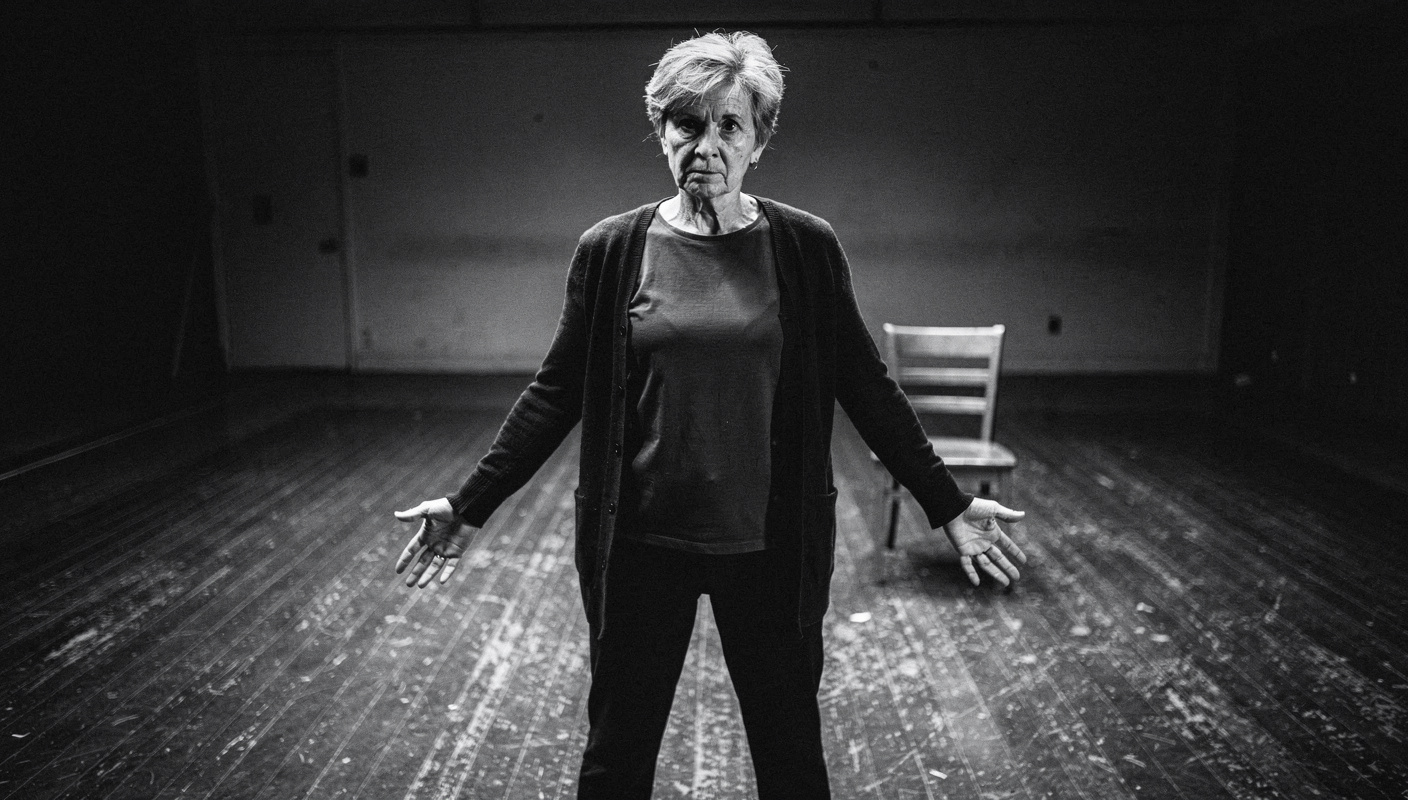
Open body language is a physical state of availability. Your limbs are uncrossed, your torso faces the person you are speaking with, your hands are visible and relaxed, and your facial expression is responsive.
In practice, this looks like sitting with your feet flat on the floor and your hands resting loosely on a table. It looks like making steady, natural eye contact without staring. It looks like a slight forward lean when someone is making a point that matters. None of this requires performance. It requires presence.
Here is a situation I see often. Someone walks into a negotiation telling themselves they are confident and ready. Then they sit down and immediately pull their chair back, fold their hands in their lap, and drop their gaze to the table. Their words say "I am here to find an agreement." Their body says something closer to "I would rather be anywhere else." The other person reads the body. Every time.
Open body language requires one thing above all else: genuine calm, or the practiced ability to access it. You cannot convincingly hold an open posture when you are flooded with anxiety. The work is in preparing well enough that your body has somewhere settled to return to.
"The Conversation You're Avoiding Is the One You Need to Have."
"The Conversation You're Avoiding
Is the One You Need to Have."
Stop rehearsing conversations you'll never have. Say It Right Every Time gives you 115 word-for-word scripts and 16 proven frameworks to speak with confidence in every conversation that matters.
What Closed Body Language Really Means
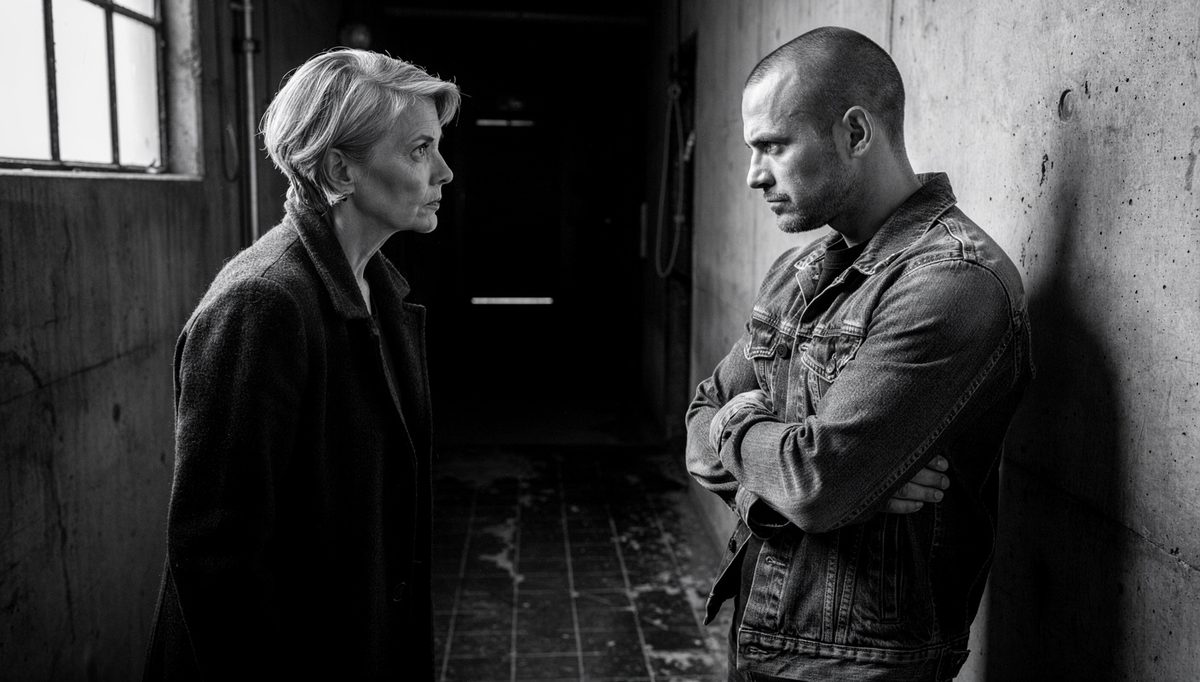
Closed body language is a physical state of self-protection. Your arms may be crossed over your chest, your legs may be tightly together or angled away, your shoulders may be raised or hunched, and your gaze may be downward or averted.
This is not always a conscious choice. When we feel threatened, judged, or uncomfortable, the body protects itself instinctively. A person sitting through critical feedback will often close up without realising it. The crossed arms are not a decision. They are a physical response to feeling exposed.
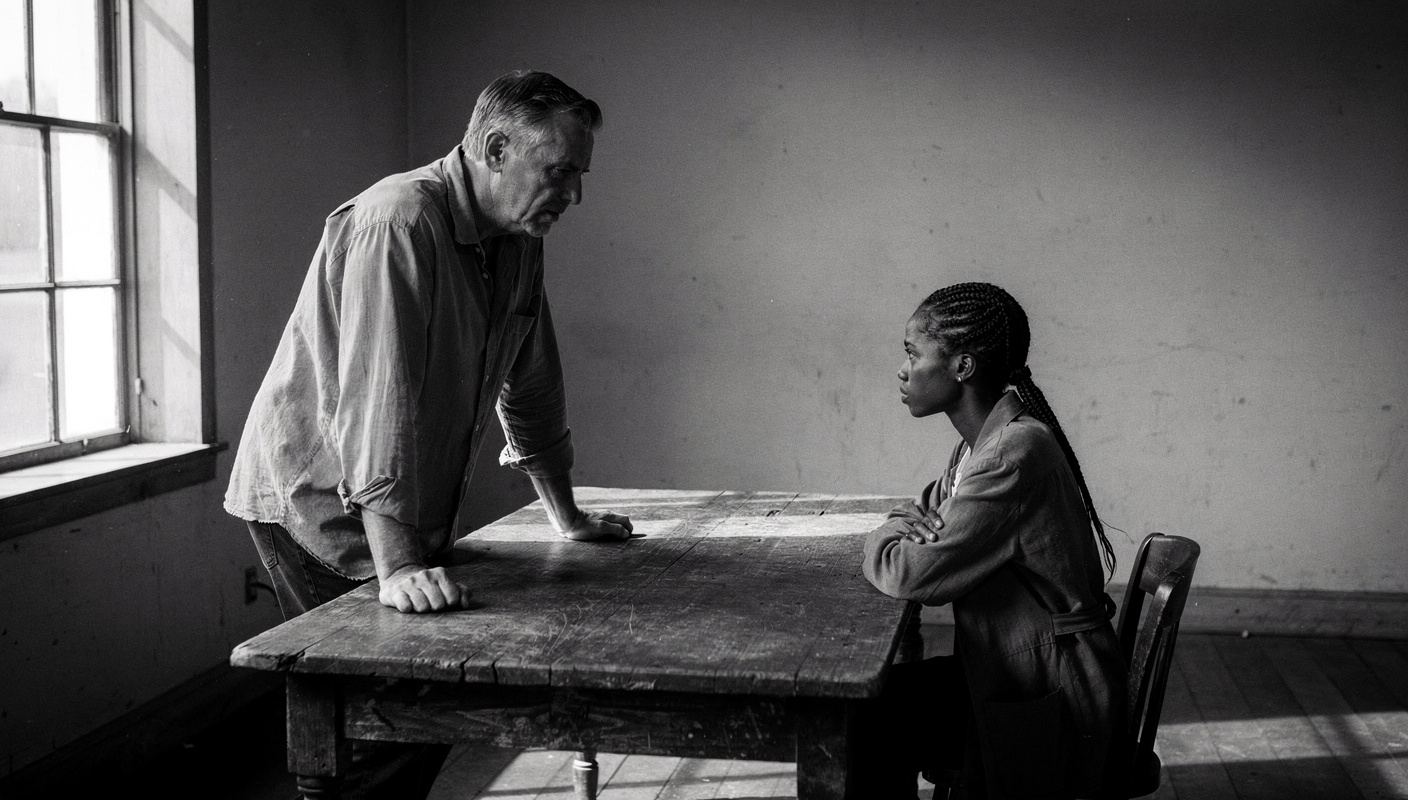
Picture a manager delivering performance feedback to a team member. The team member starts with open posture, nodding, making eye contact. Then the manager mentions a specific failure. Within seconds, the team member crosses their arms, shifts back in their chair, and drops their gaze. The conversation technically continues, but something has closed. The manager now has two tasks: address the content and address the shift in physical expression. Ignoring the second one usually costs the first. For guidance on navigating exactly this kind of moment, see How to Give Constructive Feedback Without Causing Tension.
Closed body language requires awareness to manage. It is not a character flaw. It is a signal that something feels unsafe.
The Key Differences Side by Side
| Dimension | Open Body Language | Closed Body Language |
|---|---|---|
| Physical signals | Uncrossed limbs, visible hands, direct gaze | Crossed arms or legs, averted gaze, hunched shoulders |
| What it communicates | Availability, confidence, receptivity | Withdrawal, discomfort, self-protection |
| Effect on the other person | Lowers their guard, invites honest exchange | Raises their guard, signals distance |
| When it tends to appear | Safety, preparation, genuine engagement | Threat, anxiety, emotional overwhelm |
| Common mistake | Performing it without the inner state to support it | Ignoring it when it appears in others |
| What it builds | Trust, connection, perceived credibility | Perceived resistance or disinterest |
| What it looks like when absent | Words land but feel hollow or guarded | Words may be warm but the body contradicts them |
The most important dimension here is the effect on the other person. Your physical expression does not just reflect your inner state. It actively shapes what the other person feels. Open posture signals safety, and safety is the condition under which people tell you the truth.
The common mistake with open body language is trying to perform it without earning the inner state. People learn that uncrossing their arms is good, so they uncross them. But their shoulders are still raised, their jaw is still tight, and their eyes still dart. The body leaks what the mind is holding. Real open posture comes from genuine ease.
Closed body language is frequently misread as hostility. More often, it is discomfort. Knowing the difference shapes how you respond. If you treat a closed-off colleague as hostile, you push them further away. If you treat them as someone who does not yet feel safe, you have a chance of changing that.
The final dimension worth dwelling on is alignment. The moment your words and your body contradict each other, people choose the body. This is not a rule they consciously apply. It happens automatically, at a level below thought.
Where Open and Closed Body Language Overlap
These two states are not always cleanly separate. In real conversation, they bleed into each other, and the most skilled communicators know how to read the blend.
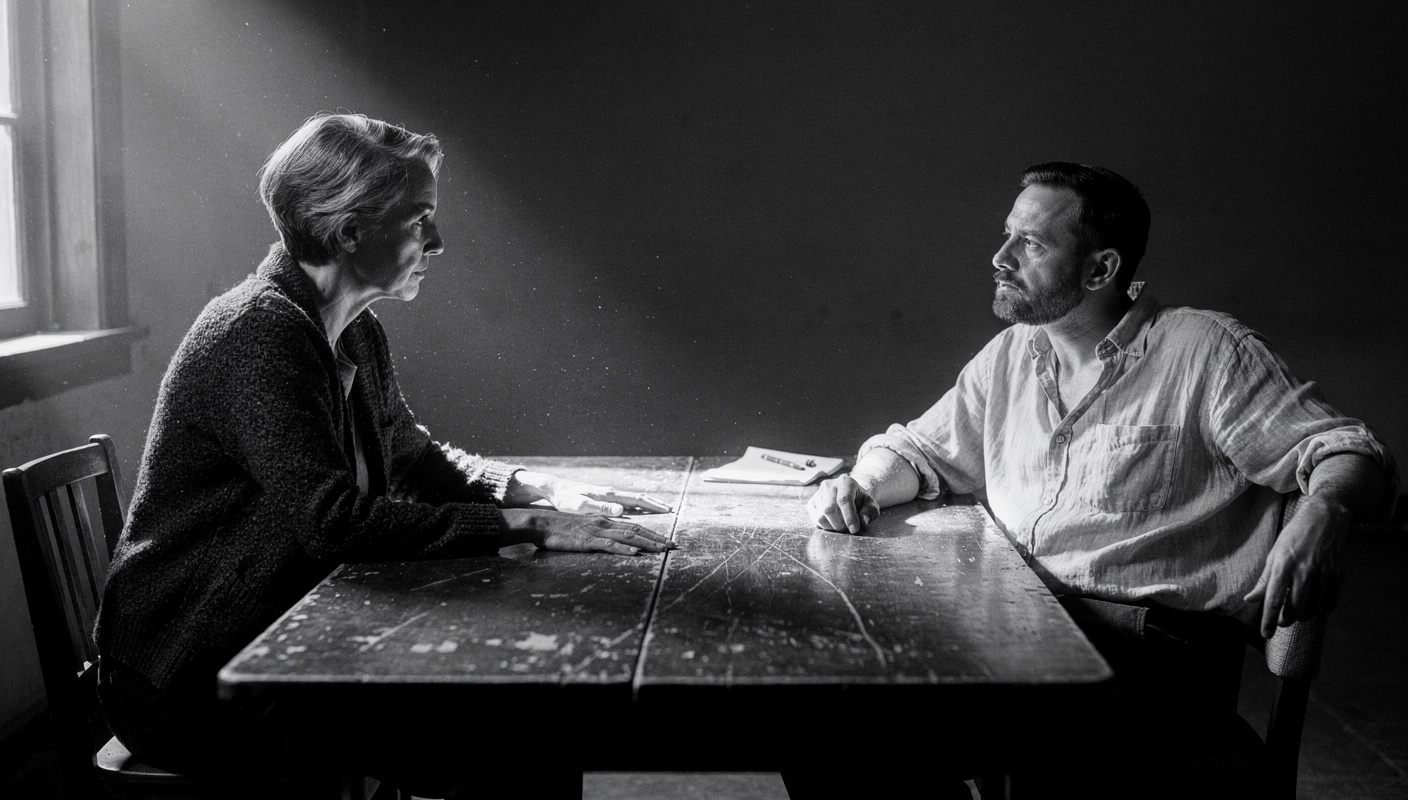
Both postures carry information. Open body language tells the other person something about your state. So does closed. A person who sits very still, arms folded, watching you carefully may be closed in posture but fully present in attention. The physical expression alone does not give you the whole picture.
In genuinely difficult conversations, a degree of physical self-containment can be honest and appropriate. If you are hearing something painful, pulling inward slightly is a real human response. Forcing yourself into an open posture through that moment can feel, and look, like you are not actually affected. Sometimes the most trustworthy physical expression is the one that reflects what is actually happening. For more on staying present through charged conversations, Emotional Intelligence in Feedback Conversations goes deep on exactly this.
Both states are also subject to misreading based on cultural background and personal habit. Some people fold their arms out of a lifetime's physical habit, not defensiveness. Reading body language well means reading it in context, not in isolation.
The overlap is real, but knowing the difference still matters.
When to Use Open Body Language
Use open body language when your goal is to invite honest exchange, build trust, or lower the emotional temperature in a room.
- When you are listening to something difficult. Keep your arms loose, your torso facing the speaker, your face responsive. Your physical expression tells them it is safe to keep going. Without it, people self-edit, and you lose the truth.
- When you are making a case or presenting an idea. Open posture communicates confidence in what you are saying. Closed posture, even paired with strong content, makes people wonder what you are uncertain about.
- When someone has just made themselves vulnerable. A team member who has admitted a mistake or asked for help needs to see, physically, that you are with them. Turning toward them, uncrossing your arms, and making eye contact does more in that moment than most words can.
- When conflict is beginning to surface. Opening your posture in a tense exchange is one of the few physical moves that can actually shift the emotional temperature. It signals that you are not preparing to attack. That signal matters. See How to Handle Conflict During Meetings for how this plays out in group settings.
- When you want to be seen as credible and direct. Leaders who hold open, settled posture are read as more trustworthy. It is not magic. It is the body giving the same message the words are delivering.
Use closed body language here and people will doubt what you are telling them, even if every word is true.
When to Use Closed Body Language
Use closed body language consciously when you need to signal a boundary, create internal focus, or communicate that something important has shifted.
- When you need to hold a firm position. A degree of physical stillness and containment can reinforce that you are not about to move on a point. This is not aggression. It is physical clarity about where you stand.
- When you are processing something significant. Pulling slightly inward, dropping your gaze briefly, letting your body reflect genuine thought, signals to the other person that you are actually considering what they said. It reads as respect when paired with returning to engagement.
- When someone has crossed a line. Physically pulling back, angling slightly away, or allowing your expression to stiffen is a legitimate signal that something just happened that you are not comfortable with. This is a form of honest communication, not a breakdown of it.
- When you are in a high-stimulus environment and need to concentrate. Not every closed posture is about the other person. Sometimes it is about managing your own internal state so you can be fully present. How to Ensure Every Participant Gets Heard touches on managing your own presence in group settings.
- When words alone are not enough to mark a serious moment. A physical shift, closing slightly, stilling yourself, can tell the other person that what is being discussed carries real weight.
Force open posture here, and you risk appearing unbothered by things that genuinely deserve a response.
Common Confusions and How to Resolve Them
Let me walk you through the three confusions I see most often.
The confusion: Open posture always signals confidence, and closed posture always signals weakness. Why it happens: Most body language advice treats open as good and closed as bad, which is a dramatic oversimplification. The resolution: Confidence can look still and contained. A person who sits quietly, arms folded, speaking with complete calm is not projecting weakness. Read the whole person, not just one physical cue.
The confusion: If I physically open up, my communication will improve automatically. Why it happens: People learn the surface rule, uncross your arms, lean in, make eye contact, without understanding that the inner state has to follow. The resolution: Physical expression and internal state are a system, not a sequence. Practice open posture during low-stakes conversations first, so the body learns the state, not just the shape. Over time, the physical habit and the internal ease begin to reinforce each other. This connects directly to how leaders build credibility over time; see How Leaders Can Model Effective Feedback Behavior for how this plays out in practice.
The confusion: Closed body language in someone else means they are hostile or disengaged. Why it happens: Defensive posture looks, on the surface, like rejection. The resolution: Closed posture almost always signals discomfort or anxiety, not hostility. When you see it in a colleague or a direct report, the right response is to reduce the perceived threat in the conversation, not to push harder. Ask yourself what might be making them feel unsafe, and address that first. It changes everything. How to Deal with Dominant Voices in a Discussion explores similar dynamics in group conversations.
Once you see this clearly, you will not confuse them again.
Practical Recommendations by Situation
Here is how to decide which one to focus on based on your situation.
If you are preparing for a high-stakes conversation. Practice your open posture before you walk in, not during. Sit in a quiet place, let your shoulders drop, rest your hands loosely in your lap, and breathe. You are not rehearsing a performance. You are letting your body find the settled place it will need to return to when the conversation gets difficult.
If you notice someone closing up while you are speaking. Do not ignore it and barrel forward. Slow down, soften your own posture first, and create space. A simple pause, or a direct acknowledgment that this is a hard conversation, can bring someone back into engagement. The physical shift in them is information. Use it.
If you are receiving feedback you disagree with. Notice if your body starts to close. You do not have to force it open. But you can make a deliberate, small physical adjustment: uncross your arms, place your hands on your knees, lift your gaze. These small moves send a signal to your own nervous system as much as to the other person. They help you stay in the conversation rather than retreat from it.
If you are in a group setting where voices are not being heard equally. Open body language directed at quieter people, turning toward them, making eye contact, creating physical space for them to enter, is one of the most direct ways to include them without saying a word.
Knowing the difference between these two states is not a small thing. It is the beginning of taking real responsibility for what your body communicates, and that is already a form of progress.
Key Takeaways
Here is what matters most from this comparison.
- Open body language is not a performance. It is a physical state that follows, and also shapes, your inner state. Practice it until it feels natural, not theatrical.
- Closed body language is information, not failure. When you see it in someone else, ask what it is telling you about their experience in that moment.
- Your physical expression and your words must tell the same story. When they contradict each other, people trust the body every time.
- Small physical shifts, uncrossing your arms, lowering your shoulders, turning your torso, can change the emotional temperature of a conversation without a single extra word.
- Context determines which posture serves you. Open is not always right. Closed is not always wrong. Awareness is what makes the difference.
For further reading on the dynamics these physical signals feed into, explore How to Give Constructive Feedback Without Causing Tension and The Role of Communication in Meeting Success. Both sit at the intersection of what you say and how your body carries it.
Mastering open body language is a practice you never fully complete. But every deliberate choice you make with your physical expression moves you closer to the communicator you are capable of being.
Frequently Asked Questions (FAQ)
What is open body language and why does it matter?
Open body language refers to physical postures and gestures that signal receptivity and ease, uncrossed arms, direct eye contact, a relaxed stance. It matters because people read your physical expression before they process your words, shaping whether they feel safe enough to engage honestly.
How does open body language affect communication outcomes?
Open body language builds trust and lowers the other person's defences, making honest exchange more likely. When your posture and gestures signal ease, people respond in kind. Closed posture does the opposite, it signals withdrawal or resistance, often before you have said a word.
What is the difference between open and closed body language?
Open body language uses uncrossed limbs, relaxed posture, and direct eye contact to signal availability. Closed body language uses crossed arms, an angled torso, and restricted gestures to signal discomfort, withdrawal, or resistance. The difference lies in what your physical expression communicates to the person in front of you.
Can closed body language ever be appropriate in conversation?
Yes. Closed postures can signal concentration, boundary-setting, or genuine discomfort that is worth naming. The problem arises when your physical expression contradicts your spoken message, creating confusion for the listener. Awareness lets you choose your posture deliberately rather than letting it undermine your words.
How do you shift from closed to open body language in a tense situation?
Start with one small physical change: uncross your arms, lower your shoulders, or soften your gaze. Do not try to overhaul your entire posture at once, because it reads as performance. Small, deliberate shifts signal calm and receptivity without feeling forced to you or the other person.
Does body language matter more than what you actually say?
Neither dominates in isolation. What you say and how your body holds itself work as a system. Conflict between the two, warm words delivered through a tense, closed posture, creates confusion and erodes trust. Alignment between your physical expression and your words is what makes communication feel genuine.