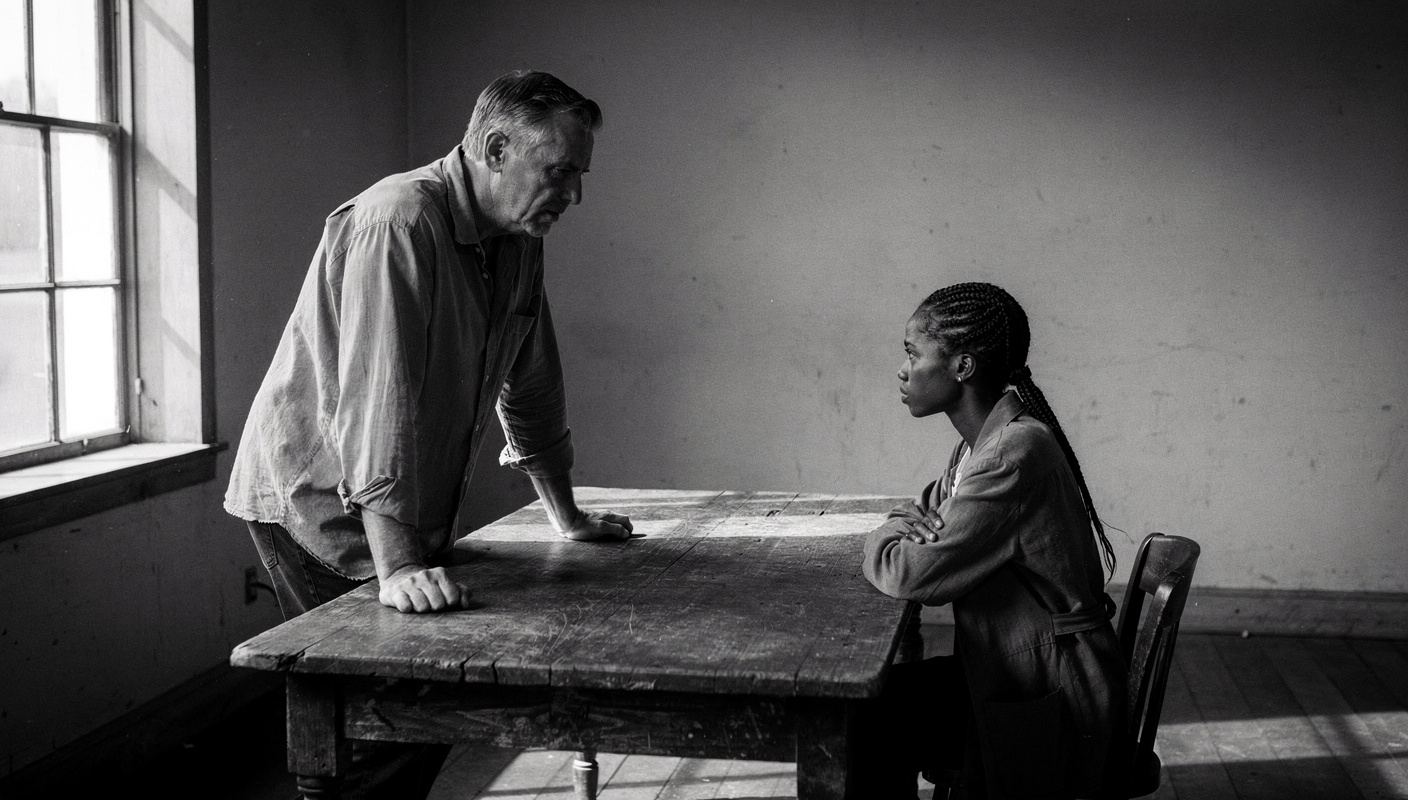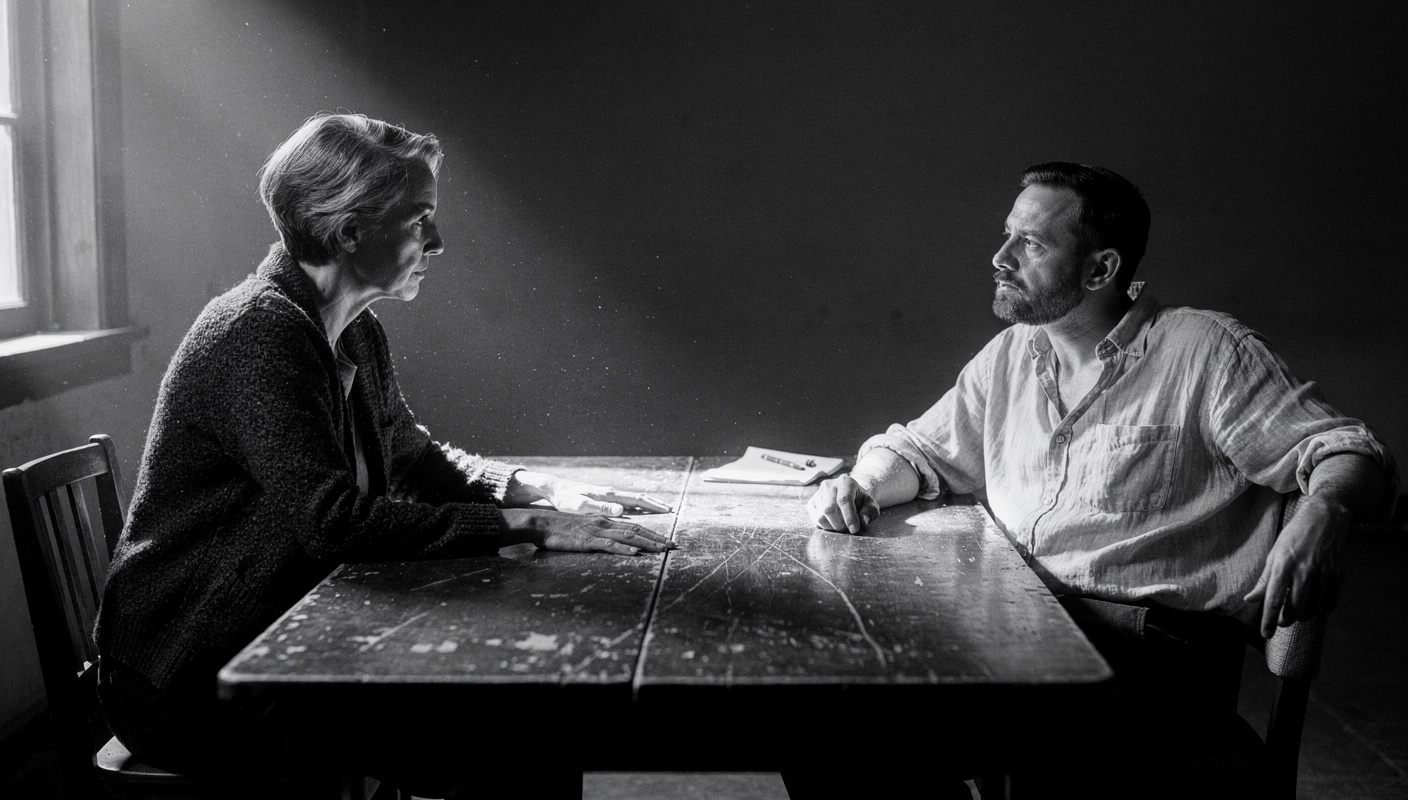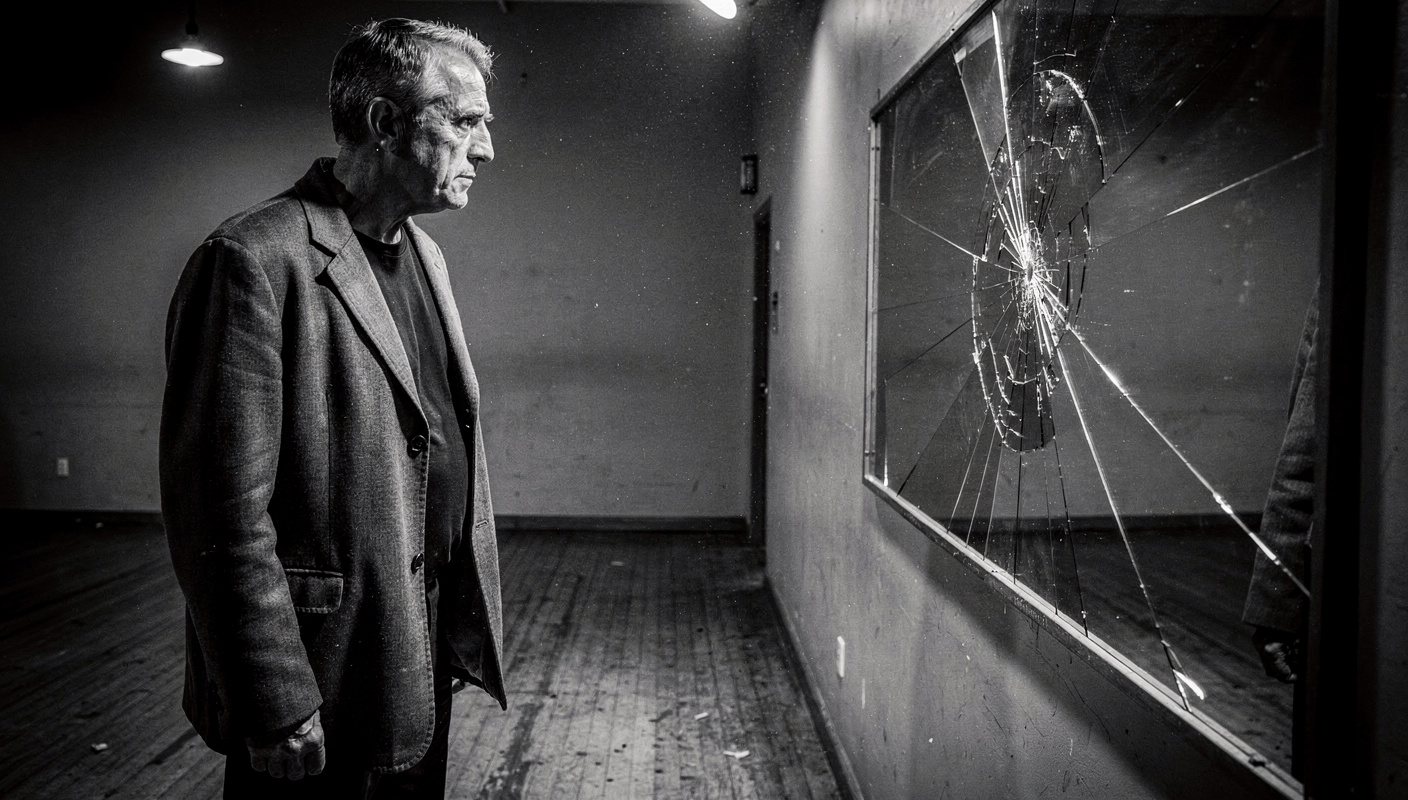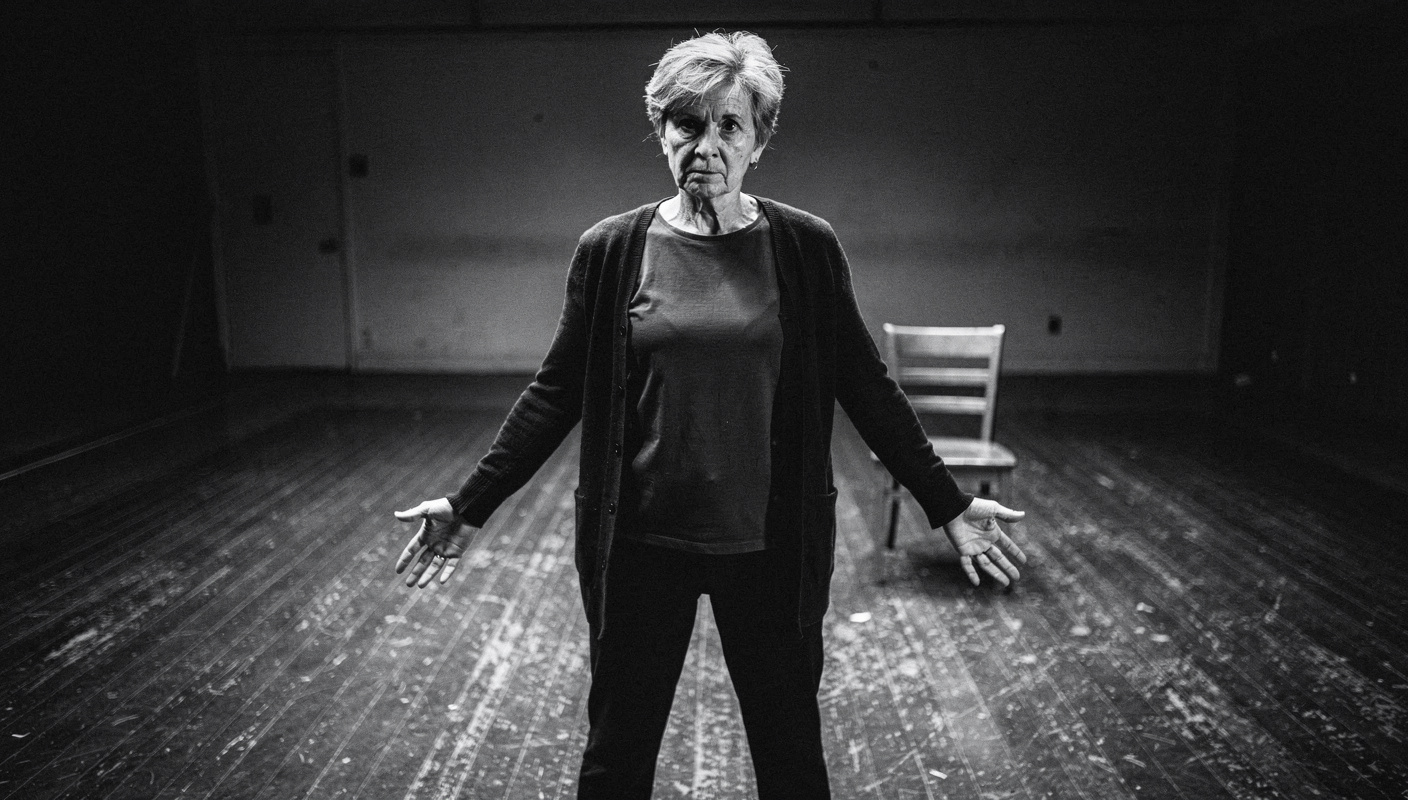

In Short
These physical expression examples show that how you hold yourself, gesture, and move consistently shapes outcomes more than the words you choose.
- Physical withdrawal during hard conversations destroys trust faster than words can rebuild it.
- Open, grounded posture signals safety and earns honest responses from the people around you.
- Mismatched body language and verbal content confuses people and quietly erodes your credibility.
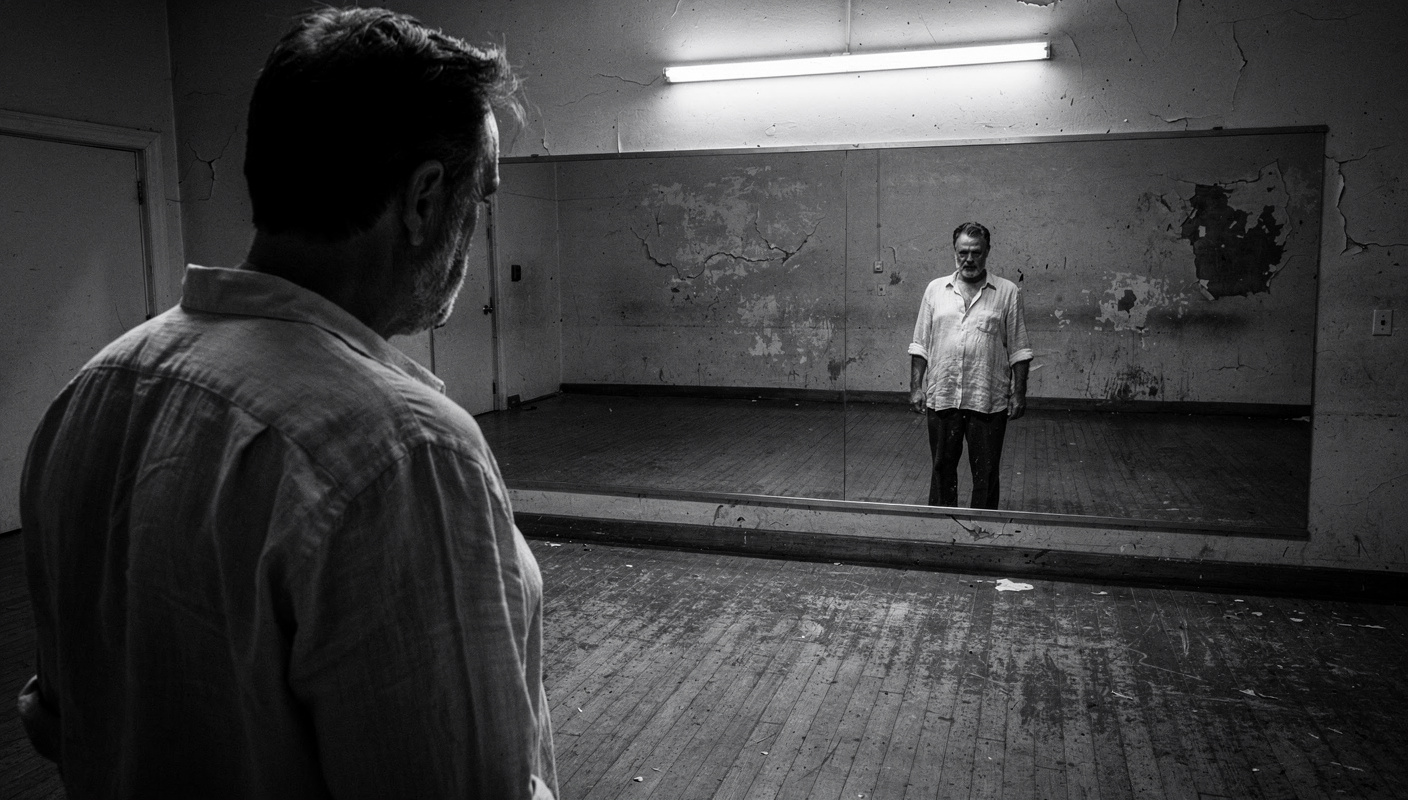
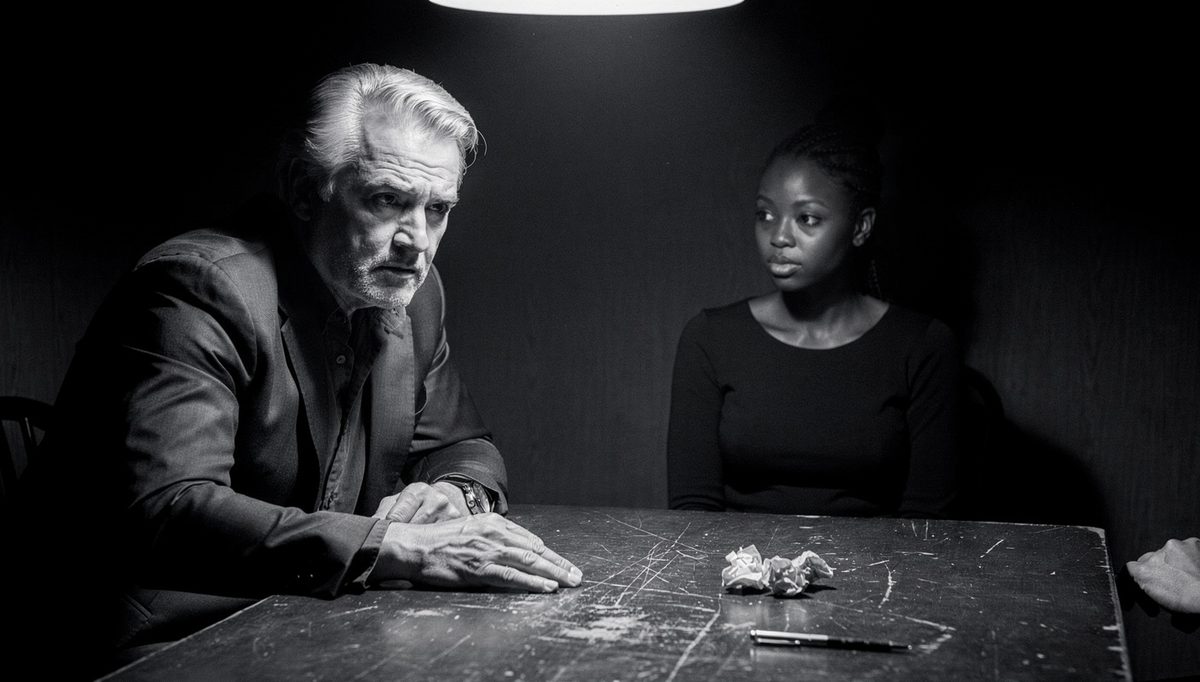
Physical expression in communication is the use of posture, gesture, facial expression, movement, and physical presence to convey meaning, signal intent, and shape how others receive your message. It operates beneath conscious awareness and often carries more weight than spoken words.
I want to tell you about the moment I finally understood what physical expression really costs a person.
I was watching a senior manager deliver what should have been an inspiring speech to his team. The words were fine. Careful, even. But his shoulders were drawn in, his eyes kept dropping to the floor, and he stood slightly turned away from the group, as if part of him was already leaving the room. By the end of it, three people had visibly checked out. Not because of what he said, but because of what his body said while he was saying it.
Physical expression is the layer of communication that runs underneath every conversation. Definitions tell you it involves gesture and posture. But examples show you what it actually does to people in real time.
What follows are six physical expression examples that show exactly what this looks like when it works and when it does not. If you want to understand the mechanics before diving into these scenarios, the principles behind what psychological safety enables in communication are worth reading alongside this.
What to Look for in These Physical Expression Scenarios
Before we go into the examples, here is what to watch for.
- The moment the body contradicts the words. When someone says one thing and their physical presence says another, people feel the gap even if they cannot name it. Watch for that friction in each scenario.
- Physical withdrawal as a signal of shutdown. Turning slightly away, reducing eye contact, tightening posture: these are the body's way of ending a conversation before the mouth does. Notice when they appear and what follows.
- Stillness as a form of strength. Nervous energy leaks through fidgeting, swaying, and unnecessary movement. When someone is genuinely grounded, their stillness communicates confidence in a way that no phrase can replicate.
- Mirroring as a connection signal. When two people unconsciously begin to match each other's posture and pace, it signals alignment. When mirroring stops, something has shifted.
- The shift. In almost every example below, there is a moment when one person's physical expression changes and the whole dynamic of the conversation changes with it. Find that moment.
Keep these in mind as you read each example.
"The Conversation You're Avoiding Is the One You Need to Have."
"The Conversation You're Avoiding
Is the One You Need to Have."
Stop rehearsing conversations you'll never have. Say It Right Every Time gives you 115 word-for-word scripts and 16 proven frameworks to speak with confidence in every conversation that matters.
Example 1: The Manager Who Leaned Back at the Wrong Moment
A project manager was running a one-on-one with a newer team member who had been struggling with confidence. The team member had finally worked up the courage to share an idea she had been sitting on for weeks.
Midway through her explanation, the manager leaned back in his chair, crossed his arms loosely, and glanced briefly toward his laptop screen. He did not mean anything by it. He was genuinely listening. But in that moment, his body had left the room.
The team member paused mid-sentence. Her voice dropped. She wrapped up the idea in two sentences instead of the four or five she had prepared, ending with, "It probably needs more work anyway." The manager said the idea had merit. She never raised it again.
What this reveals is the cost of physical inattention. His gesture did not communicate disinterest on purpose, but it communicated it completely. The team member's body read the signal and responded by contracting. Understanding why people physically close down in these moments connects directly to the work of psychological safety in team environments.
That is what physical expression looks like when it is absent at the worst possible moment.
Example 2: The Negotiator Who Held the Ground
A sales director was in a late-stage contract discussion with a difficult client. The client had just delivered a sharp, dismissive comment about the proposed price. The room tensed. Two junior team members shifted in their seats.
The director did not move. She kept her hands resting open on the table, her posture upright but not rigid, her eyes calm and steady on the client. She let a full three seconds pass before she spoke. Not in silence or awkwardness, but in deliberate physical stillness.
When she finally responded, her voice was even. "I hear that. Let me show you exactly where that number comes from." The client's shoulders dropped slightly. The energy in the room changed. By the end of the session, the contract was signed within five percent of the original figure.
Her stillness communicated something no argument could have: she was not rattled, not desperate, and not going anywhere. That physical groundedness was what gave her words weight. This same quality, the ability to stay physically composed under pressure, is what emotional intelligence in team settings looks like in a body.
That is what physical expression looks like when it is working at full strength.
Example 3: The Team Leader Whose Body Said the Meeting Was Already Over
A team of six had gathered for a post-mortem on a project that had gone badly off course. The team leader opened the meeting with words about learning from mistakes and creating a safe space for honest reflection.
But throughout the meeting, she sat angled slightly toward the door, checked her watch twice in the first fifteen minutes, and responded to critical observations with a tight smile and a small nod before immediately moving to the next agenda point. Her physical expression communicated one thing clearly: she wanted this to be finished.
The team gave her what her body was asking for. Short answers. No real analysis. Agreement without conviction. The meeting lasted thirty-two minutes and resolved nothing. Three months later, the same patterns that caused the original failure resurfaced in a new project.
Her words asked for honesty. Her body asked for speed. In a room full of people trying to read what is safe to say, the body always wins. This is the same dynamic that sits beneath amygdala hijack responses in team conversations.
That is what happens when physical expression and verbal intention go to war with each other.
Example 4: The Feedback Conversation That Landed
A senior designer was giving feedback to a colleague whose work had been falling below standard for several weeks. This kind of conversation usually went badly in this team, devolving into defensiveness and vague reassurances that changed nothing.
This time, the designer pulled his chair from behind the desk and sat beside his colleague rather than across from him. He faced him directly, leaned in slightly, and kept his hands loose in his lap. When the colleague began to get defensive, the designer did not pull back. He stayed in the same physical position, steady and close, and kept his voice low and even.
The colleague stopped defending. His own posture gradually relaxed. The conversation shifted from confrontation to problem-solving. By the end, the colleague had identified two specific behaviours he was willing to change. He kept both commitments.
Sitting beside rather than across removed the physical framing of opposition. Staying present when the conversation got hard communicated trust rather than judgment. The physical choices made it possible for the words to work. For more on how this kind of approach connects to team dynamics, read about how feedback strengthens rather than breaks team relationships.
That is what physical expression looks like when it is used with real intention.
Example 5: The Presenter Who Lost the Room Before the First Slide
A department head was presenting a new process change to a team that had been through three failed initiatives in eighteen months. The room was already sceptical before she walked in.
She stood at the front with her weight on one hip, her presentation clicker held in both hands at chest height like a small shield, and her eyes moving between the screen and a spot on the back wall, rarely landing on the actual people in the room. Her voice was confident. Her content was solid. But her physical presentation said: I am not sure you want to hear this.
Questions from the group were sharp and pointed. She answered them well verbally, but each time a hard question landed, her chin dropped slightly and she shifted her weight. The team left unconvinced, not by the content, but by the physical story she was telling. The initiative faced resistance for months afterward.
Physical presence and vocal confidence are not the same thing. You can master the words and still lose the room if your posture is telling a different story. The connection between how people carry themselves and how safe a group feels to engage is exactly what empathy and physical presence create together.
That is what happens when strong verbal preparation meets unprepared physical expression.
Example 6: The Moment a Team Started Talking Again
A cross-functional team had been in a slow freeze for six weeks. Two senior members had a disagreement that had never been addressed directly, and the body language in every team meeting showed it. The two sat as far apart as the room allowed, never made eye contact, and both physically turned toward whichever subgroup they felt aligned with.
A new team lead stepped in and made one structural choice. She rearranged the seating so the two senior members sat not beside each other but on the same side of the table, facing the rest of the group together. She did not mention the conflict. She simply changed the physical geometry of the room.
Within two meetings, the two had begun making eye contact when responding to group questions. Within a month, they were building on each other's points. The freeze thawed without a single direct intervention about the conflict itself.
Physical arrangement shapes the dynamic before anyone opens their mouth. The geometry of a room tells people who is allied with whom, who is in opposition, and who is safe to approach. The team lead understood that physical expression is not just personal; it is spatial and relational. This is one of the clearest signs of a team whose synergy has been disrupted at a fundamental level.
That is what physical expression looks like when you apply it at the level of the whole room.
The Patterns Across All These Examples
Looking across these examples, several clear patterns emerge.
Bodies override words every time. In every scenario where a person's posture, gesture, or movement conflicted with their spoken message, the physical signal won. The team members in Example 3 responded to the leader's body, not her invitation. The sceptical team in Example 5 read the presenter's weight shift more clearly than her prepared answers. Words carry what bodies confirm.
Stillness earns disproportionate respect. The negotiator in Example 2 and the designer in Example 4 both held their physical ground when the natural impulse was to pull back. That stillness communicated safety and confidence far more effectively than any reassurance they could have spoken. When you do not flinch, people trust what you say next.
Physical withdrawal ends conversations. Whether it was the manager's glance toward his laptop or the team lead's glance toward the door, the act of physically pulling away told the other person that the space had become unsafe. People do not continue to open up when the body in front of them is heading for the exit.
Space and arrangement are a form of physical expression. The final example shows that physical expression extends beyond the individual body. How a room is arranged, where people sit, and who is placed where all communicate relationships, power, and permission. You can shift the dynamic of a group without saying a single word if you change the physical environment they are in.
These patterns are not coincidences. They are the mechanics of physical expression at work.
What These Physical Expression Examples Mean for You
Reading examples is only useful if you can apply what you observe. Ask yourself these questions honestly.
- When was the last time your body left a conversation before you did? Think about a difficult meeting or review. Did you lean away, check your device, or angle toward the door while still technically present? The other person noticed, even if they could not name it.
- Do you hold your physical ground when someone pushes back? If your posture tightens or your gaze drops the moment someone challenges you, your body is conceding before your words have a chance. Practice staying exactly where you are.
- Does your physical arrangement at work reflect the relationships you want to build? Consider where you sit in meetings, whether you face people directly during feedback, and how you position yourself relative to the people you lead.
- When you are nervous, what does your body do? The presenter in Example 5 had every answer prepared. What she had not prepared was her physical expression under pressure. Know your body's default signals and decide whether they serve you.
- Have you ever watched your own posture during a hard conversation? Most people have not. Recording yourself once, even for a low-stakes presentation, can teach you more about your physical expression than a year of reading about it.
For a deeper look at how the human signals in this article connect to team-level dynamics, the relationship between empathy and team communication is worth your time.
The physical expression examples above are not cautionary tales or success stories. They are mirrors. The question is whether you recognise yourself in any of them.
Frequently Asked Questions (FAQ)
What are some physical expression examples in communication?
Physical expression examples include leaning forward to signal engagement, crossing arms to project defensiveness, breaking eye contact when delivering difficult news, or using open hand gestures to convey honesty. Each of these shapes how the other person receives your words, often more powerfully than the words themselves.
How does physical expression affect the outcome of key conversations?
Physical expression sets the emotional tone before anyone speaks. A relaxed open posture invites trust, while a rigid or withdrawn stance creates distance. In high-stakes conversations, your body language can either confirm your words or completely contradict them, which determines whether people believe you.
Can physical expression examples help me improve my own communication?
Studying physical expression examples trains your eye to notice patterns you might otherwise miss. When you see how a particular gesture shifted a conversation, you begin to notice your own habits. That awareness is the first step toward making deliberate choices about how you carry yourself.
What is the most common physical expression mistake in the workplace?
The most common mistake is physical withdrawal during difficult moments: turning away slightly, reducing eye contact, or closing off posture when the conversation gets hard. People read this as disengagement or dishonesty. Staying physically present and open, even when it is uncomfortable, builds far more trust.
How do you read physical expression examples in others?
Watch for shifts rather than fixed positions. A person who starts open and then gradually tightens their posture is telling you something changed internally. Notice when gestures stop matching words. The gap between what someone says and how their body responds is where the real communication lives.
Do physical expression examples differ between leadership and team situations?
The stakes shift but the mechanics stay the same. A leader whose body language signals impatience during a team member's contribution does more damage than any critical word. In team settings, physical expressions are contagious. One person closing down can pull the whole group toward guardedness.