
In Short
Cultural sensitivity in mediation is not about memorising customs. It is about recognising that every person brings a different framework for conflict, respect, and resolution, and that a skilled mediator adjusts their approach to meet people where they are.
- Culture shapes how people express disagreement, signal respect, and define a fair outcome.
- A mediator who ignores cultural context will misread behaviour and lose the trust of at least one party.
- This skill is built through curiosity, honest reflection, and practice, not through reading lists of cultural rules.
Cultural sensitivity in mediation is the practice of recognising and responding to the cultural values, communication styles, and conflict norms that each party brings to a dispute, so the mediator can create conditions where every person feels genuinely heard and fairly treated.
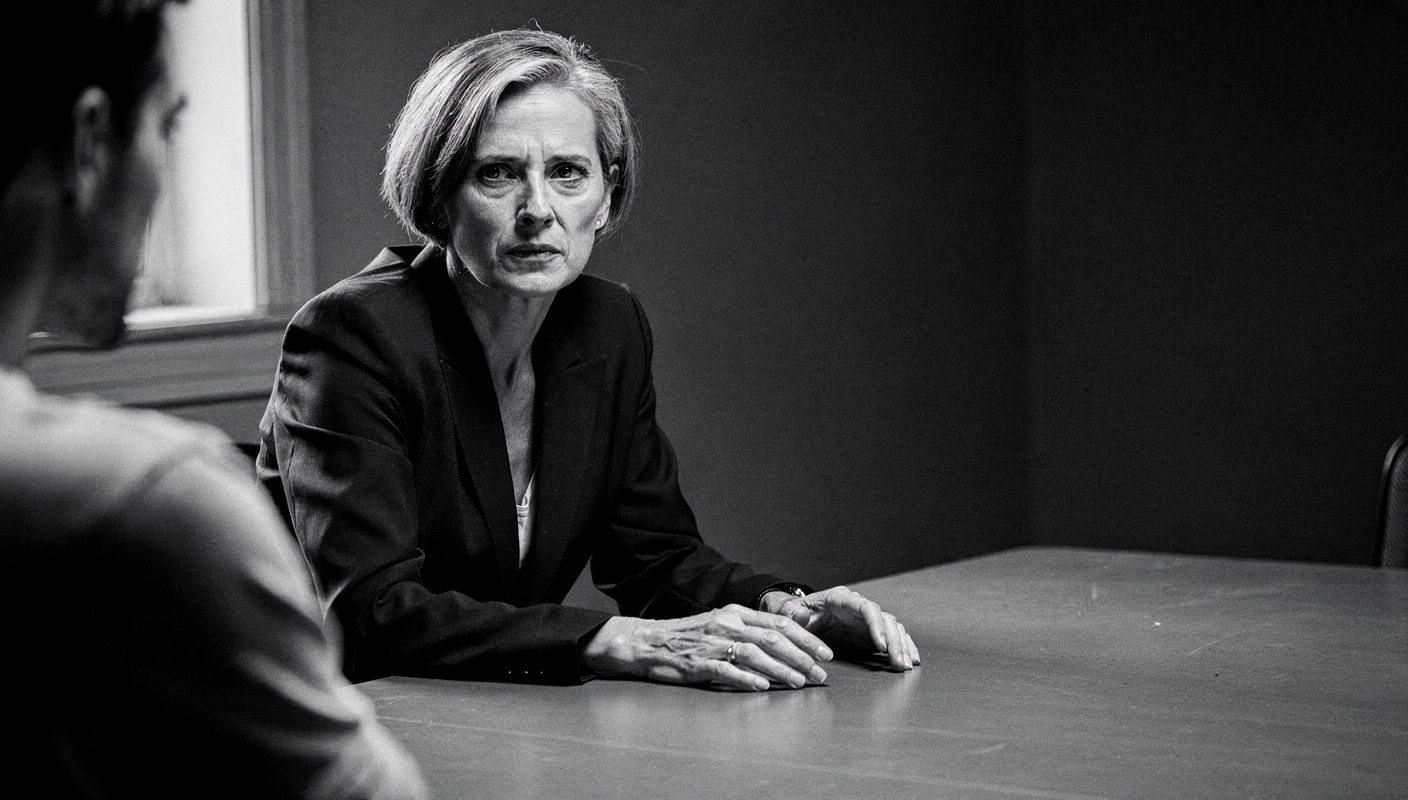
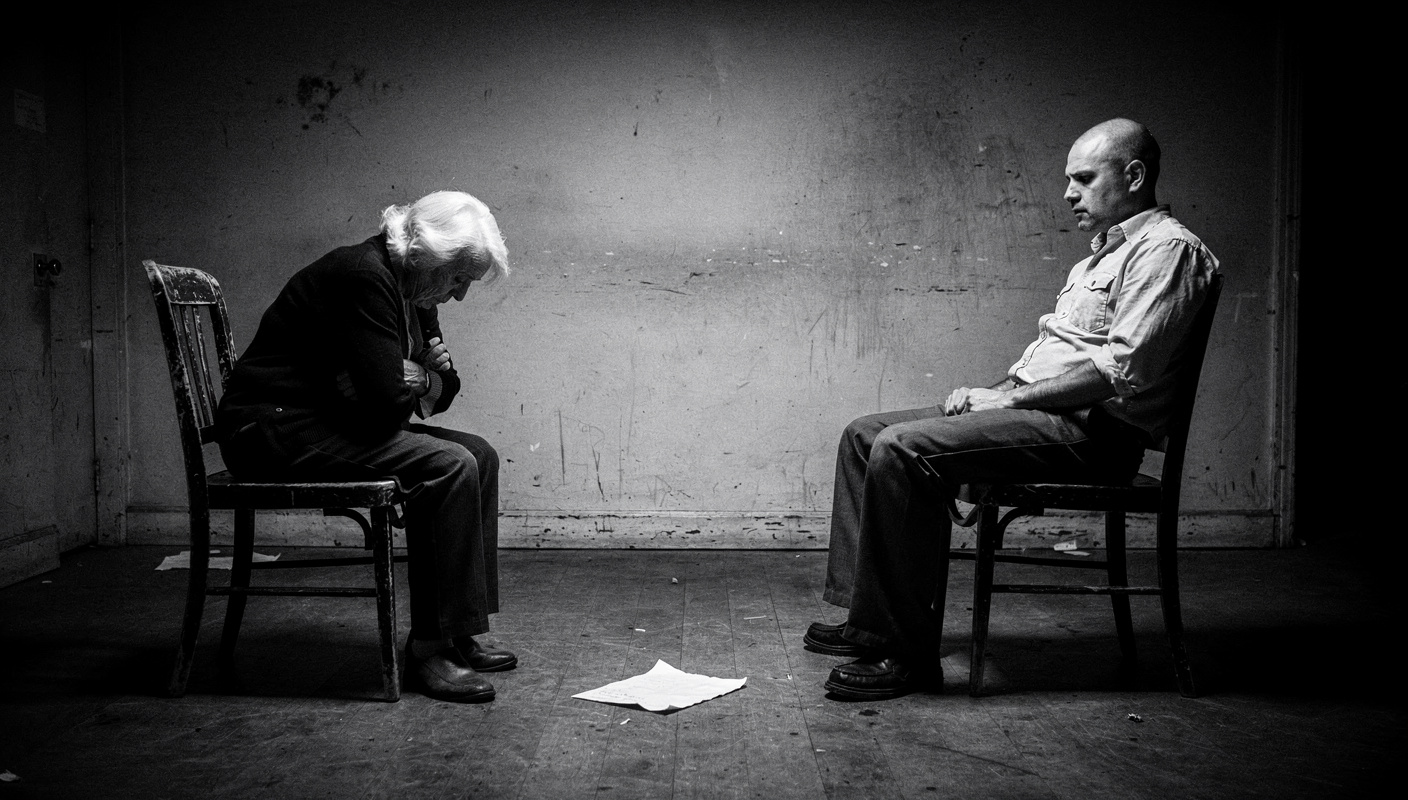
Two colleagues had been in conflict for three months. Their manager had tried everything. Then a mediator stepped in. She opened the session, laid out the ground rules, and turned to the first party with a direct question: "Tell me exactly what happened." The second party, a man who had grown up in a culture where airing grievances publicly was a form of disrespect, went quiet. The mediator read his silence as reluctance. She pressed harder. He withdrew further. By the end of the hour, nothing had moved. Cultural sensitivity in mediation would not have saved that session with a list of cultural facts. It would have saved it by teaching the mediator to pause before she pressed, to wonder what that silence was carrying, and to find a different door into the conversation.
What Cultural Sensitivity Actually Does in a Mediation Room
Strip away the formal language and here is what this skill amounts to: the ability to hold your assumptions loosely while you figure out what is actually happening in front of you.
Every person who walks into a mediation brings more than a complaint. They bring a set of invisible rules: about who should speak first, about whether eye contact is respectful or threatening, about what a fair process looks like, and about whether the goal is to win an argument or to preserve a relationship. These rules are cultural. They were absorbed over decades, and the person holding them may not even be aware of them.
A mediator who cannot see these rules will mistake them for personality. They will call an indirect communicator evasive. They will call a high-context speaker vague. They will call someone who defers to authority passive. None of those readings is accurate. All of them damage the process.
If you want to go deeper on how cultural differences specifically inflame tension before it ever reaches a mediation table, How to Manage Tension When Cultural Differences Are at the Root of the Conflict is worth reading alongside this.
"The Conversation You're Avoiding Is the One You Need to Have."
"The Conversation You're Avoiding
Is the One You Need to Have."
Stop rehearsing conversations you'll never have. Say It Right Every Time gives you 115 word-for-word scripts and 16 proven frameworks to speak with confidence in every conversation that matters.
When Cultural Blindness Derails Even Good Mediation
I have sat in on sessions where the mediator was technically skilled: calm, structured, and genuinely well-intentioned. But the mediator was operating from a single cultural script, usually the one they grew up in, and they could not see it.
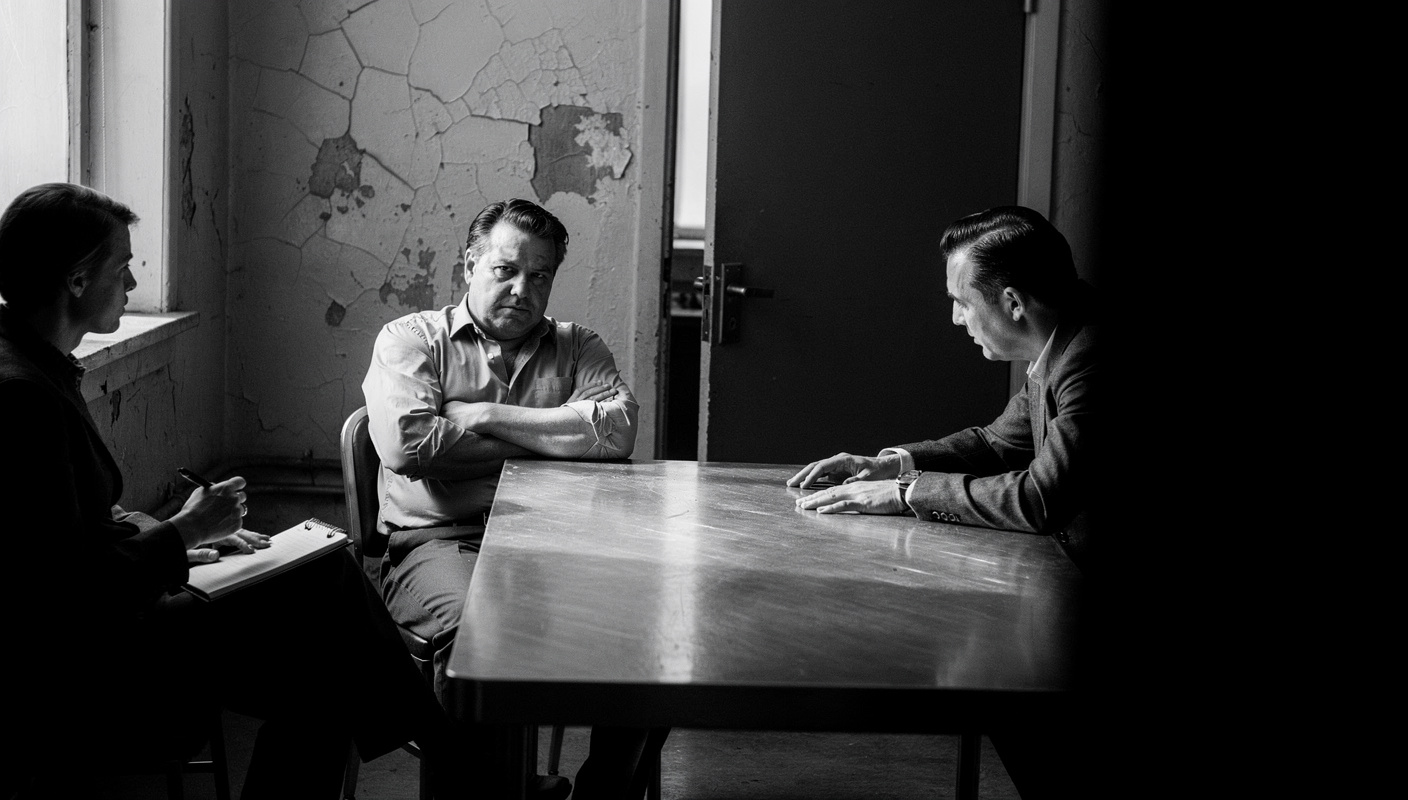
In one case, a senior employee from a culture with strong power distance would not speak critically about a manager in a joint session. The mediator interpreted this as defensiveness, even collusion. She was wrong. He was not protecting anyone. He was following a deep norm about respect for hierarchy that made public criticism feel genuinely shameful.
The mediation failed. Not because the conflict was unsolvable. Because the method assumed that both parties shared the same relationship with directness, authority, and public disclosure.
This is the real cost of missing cultural sensitivity: you do not just fail to resolve the conflict, you deepen the harm. The party who felt misread leaves more convinced than ever that no one will listen to them.
How to Resolve Interpersonal Tension Through Empathy covers the empathy work that underpins this. Cultural sensitivity and empathic listening are not the same skill, but they depend on each other.
Three Beliefs That Undermine Mediators Working Across Cultures
The belief that neutrality means treating everyone identically
Neutrality is about impartiality: you do not favour one party over another. It does not mean using the same script with everyone regardless of how they process conflict. Some people need more time before they can speak plainly. Some need to feel that the process itself respects their sense of hierarchy before they will trust it. Treating everyone identically often means serving the cultural majority and calling it fairness.
- The false belief: If I use the same process with everyone, I am being fair. The correction: Identical process produces unequal outcomes when parties have different cultural starting points. Genuine neutrality means adjusting your method to give everyone a real chance to be heard.
The belief that silence means disengagement
In many Western professional cultures, silence during a mediation session signals resistance, confusion, or bad faith. In many others, it signals respect, careful thinking, or the weight of what has just been said.
- The false belief: If someone goes quiet, they are not engaging with the process. The correction: Silence is not a universal signal. Pressing a person to fill it, before you understand what it means for them, can break the trust you spent the first half of the session building.
The belief that agreement in the room means resolution
Some parties will nod, sign, and walk away from a mediation that felt deeply wrong to them, because publicly disagreeing would have caused greater harm to their relationships or their standing. A signed agreement reached in a way that violated someone's cultural norms is not a resolution. It is a postponement.
- The false belief: If both parties agree to the outcome, the mediation succeeded. The correction: How the process felt matters as much as what was decided. A mediator who builds genuine trust across cultural difference gets durable agreements, not performative ones.
What Cultural Sensitivity Looks Like When It Is Working
You can recognise it in the quality of the mediator's questions. They do not assume. They ask. Not "Why didn't you raise this earlier?" but "Can you help me understand what made it difficult to bring this up?" Not "Do you accept this proposal?" but "How does this outcome sit with you?"
You can see it in how the mediator structures the session itself. They might offer a private conversation before a joint one. They might allow a trusted colleague to sit with a party who would struggle to speak without the presence of someone from their community. They might slow the pace deliberately, because they have picked up that one party needs more time to formulate a response without losing face.
For mediators working with groups rather than pairs, Running Inclusive Meetings with Diverse Teams and How to Ensure Every Participant Gets Heard both offer practical methods that transfer directly to mediation contexts.
The mediator is not performing cultural knowledge. They are staying genuinely curious, adjusting in real time, and watching the effect of their choices on each party's willingness to stay in the room.
Three Situations Where This Skill Changes Everything
A team leader mediating between two direct reports: One is from a culture where honest critique between colleagues is normal and healthy. The other finds the same directness humiliating in front of a third party. The mediator runs a joint session, and the first employee speaks frankly about what went wrong. The second shuts down completely. A culturally sensitive mediator would have prepared for this difference before the session, not discovered it after the damage was done.
A workplace dispute involving hierarchy: A junior employee has a grievance against a senior leader. In some cultural frameworks, the junior party will not speak critically regardless of what the mediator says, because the authority gap is too large to overcome in a formal setting. A skilled mediator designs around this: separate sessions, written input, or a trusted advocate who speaks on the junior party's behalf.
A cross-border team conflict: Two remote team members, one preferring high-context, relationship-first communication and the other expecting low-context, task-focused directness, have been misreading each other for months. Neither party is wrong. Their defaults are simply incompatible without a bridge. The mediator's job is to name this dynamic without assigning blame, and to build a shared framework for how they will communicate going forward.
If any of these situations escalates before the mediator enters, the methods in How to De-escalate Arguments During Meetings and How to Use the D.E.A.L. Method to Resolve Workplace Tension Before It Escalates give you a solid system for bringing the temperature down first.
The Mediator's Honest Work Before the Session Begins
Here is something I learned the hard way: the most important cultural sensitivity work happens before you sit down with the parties.
It begins with yourself. Every mediator carries their own cultural defaults: assumptions about how conflict should be expressed, how resolution should feel, and what a productive conversation looks like. If you have not examined your own defaults, you will impose them on others without realising it. You will call someone uncooperative when they are simply operating from a different script.
Before a mediation involving cultural difference, take the time to ask: What do I know about how each party's background shapes their approach to disagreement? What am I likely to misread? What adjustments can I make to the structure of the session so that it does not serve one party's cultural norms at the expense of the other's?
The C.O.R.E. Framework for staying grounded during tense conversations is a useful tool for managing your own composure during these sessions, when the pressure to push for resolution starts to override your patience.
This preparation will not make you an expert in every cultural context. Nothing will. But it will make you the kind of mediator who is genuinely paying attention, and in my experience, that quality is more powerful than any framework you can memorise.
Cultural sensitivity in mediation is ultimately about respect: the real kind, built through curiosity and practice, not the performed kind that disappears under pressure.
Frequently Asked Questions (FAQ)
What is cultural sensitivity in mediation?
Cultural sensitivity in mediation is the ability to recognise how a person's cultural background shapes their communication style, conflict expectations, and sense of respect. It helps a mediator adjust their approach so every party feels heard and treated fairly throughout the process.
Why does cultural sensitivity matter in mediation situations?
Without cultural sensitivity, a mediator may misread silence as stubbornness, directness as aggression, or deference as agreement. These misreads derail even well-structured mediation sessions and leave parties feeling dismissed rather than resolved.
How do you develop cultural sensitivity as a mediator?
You develop cultural sensitivity through deliberate practice: asking open questions before assuming, learning basic norms around communication and hierarchy in contexts you work in often, and reflecting honestly on your own cultural defaults after each mediation session.
What are the most common mistakes mediators make with cultural differences?
The most common mistakes are assuming neutrality means treating everyone identically, reading silence or indirectness as disengagement, and believing that a signed agreement means genuine resolution. Each of these errors ignores how culture shapes meaning.
Can cultural sensitivity in mediation be learned or is it innate?
It is learned. No one is born knowing how to read cultural context. What matters is curiosity, willingness to be corrected, and consistent practice across different situations. Experience with diverse parties accelerates it, but reflection is what makes experience stick.
How does culture affect conflict styles during mediation?
Culture shapes whether people express conflict directly or indirectly, whether they prioritise individual outcomes or group harmony, and how much they rely on hierarchy versus equality in resolving disputes. A skilled mediator learns to work with these differences rather than flatten them.