
In Short
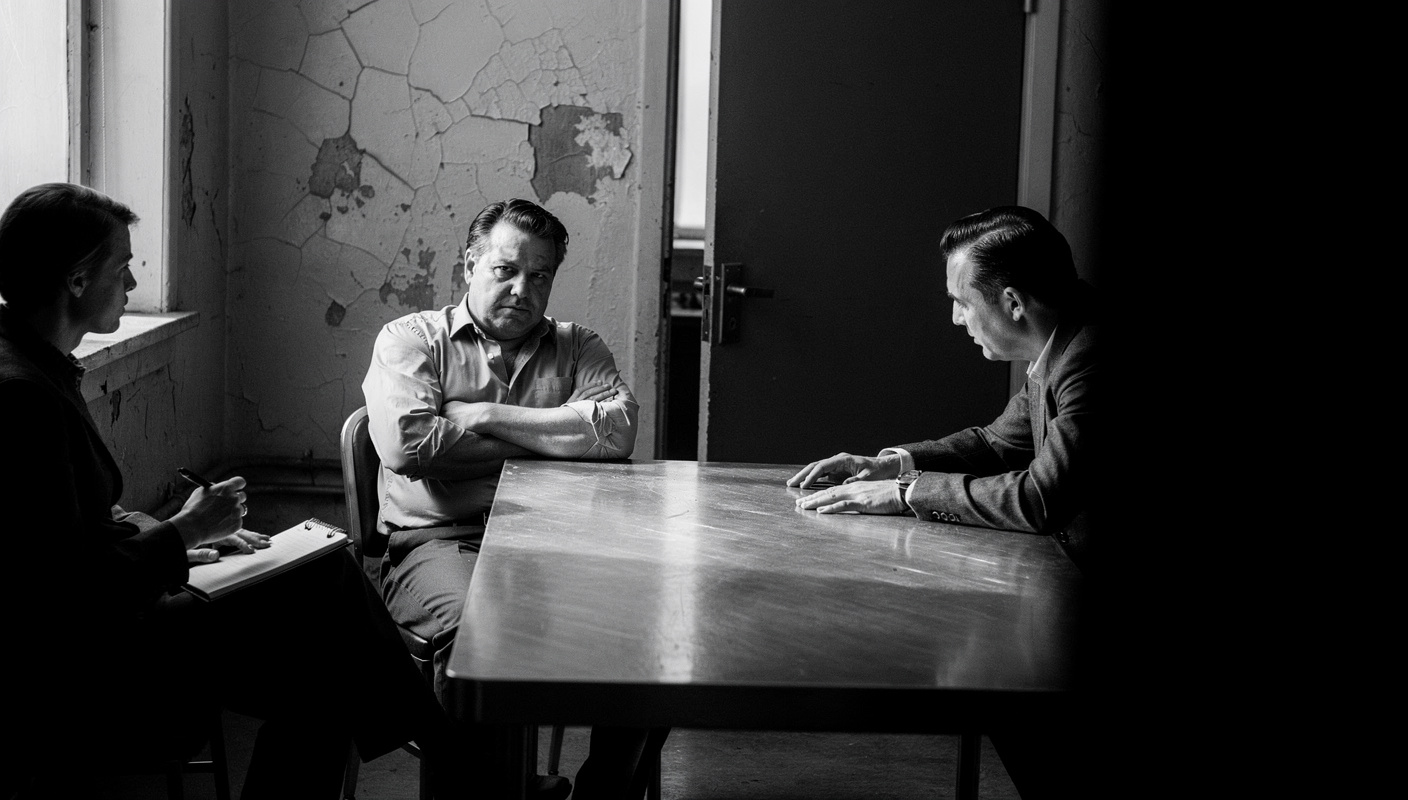
Your body speaks in a mediation room long before your words do. The parties in conflict read your every movement, looking for signs of who you favour, whether you are rattled, and whether this process is worth trusting.
- Stillness and open posture signal that you are a safe, neutral presence.
- Balanced eye contact tells both parties they are being seen equally.
- Your physical position in the room communicates impartiality more than any opening statement can.
Mediator body language refers to the deliberate use of posture, eye contact, stillness, and spatial positioning by a mediator to signal neutrality, build trust, and create the physical conditions in which conflicting parties feel safe enough to speak honestly and work toward resolution.
Two colleagues have not spoken in three weeks. Now they are sitting across a table from you. Before you have said a single word, one of them glances at your hands, the other watches your eyes. They are not doing this consciously. They are doing what every human being does under stress: reading the room for danger signals. Your mediation skills in this moment have nothing to do with your opening script. They have everything to do with what your body is saying. Get that wrong, and the most carefully crafted process in the world will not save you.
What Mediator Body Language Actually Means in Practice
Most people think of mediation as a verbal skill. You ask the right questions. You reflect feelings back. You guide the conversation toward common ground. All of that matters. But I have sat in enough tense rooms to know that the body communicates the real message, and the parties in conflict are reading it constantly.
Mediator body language is the full set of nonverbal signals you send through how you sit, where you look, how still you remain, and where you position yourself in the room. It is not about performance or technique for its own sake. It is about earning the trust of two people who, right now, trust almost no one.
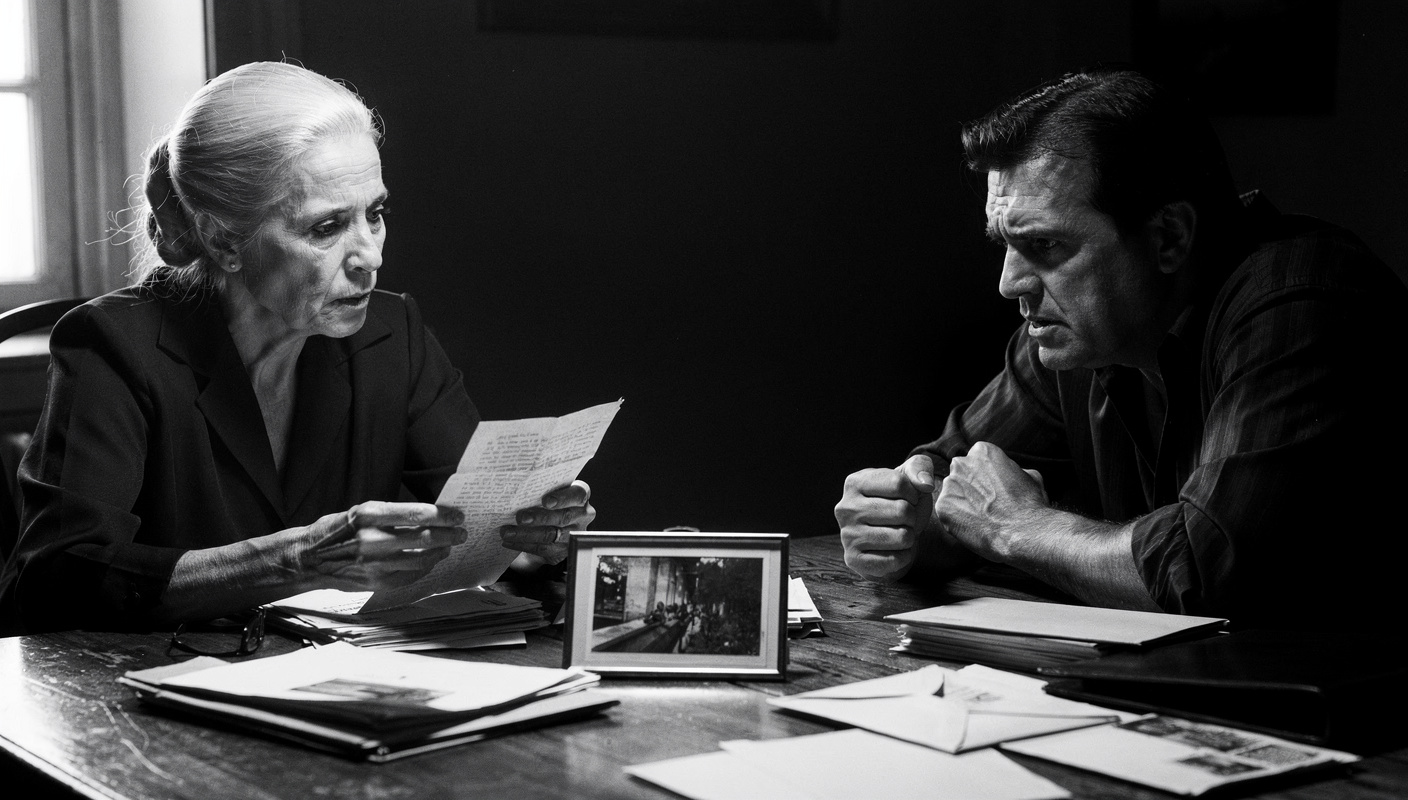
Here is a scenario that shows it plainly. A mediator begins a session and almost immediately turns slightly toward the person speaking. It is subtle. The mediator does not even notice it. But the other party does. By the third exchange, that party has crossed their arms, shortened their answers, and begun looking at the door. The mediator has lost credibility without saying a single unfair word. The body did the damage.
For guidance on reading the full nonverbal environment in tense situations, Nonverbal Communication in Tense Situations covers the broader landscape well.
"The Conversation You're Avoiding Is the One You Need to Have."
"The Conversation You're Avoiding
Is the One You Need to Have."
Stop rehearsing conversations you'll never have. Say It Right Every Time gives you 115 word-for-word scripts and 16 proven frameworks to speak with confidence in every conversation that matters.
The Nonverbal Signals That Build Trust Before You Speak
The moment you walk into a mediation session, the parties begin forming judgments. Here is what they are looking for, and what your body should be telling them.
Posture and stillness
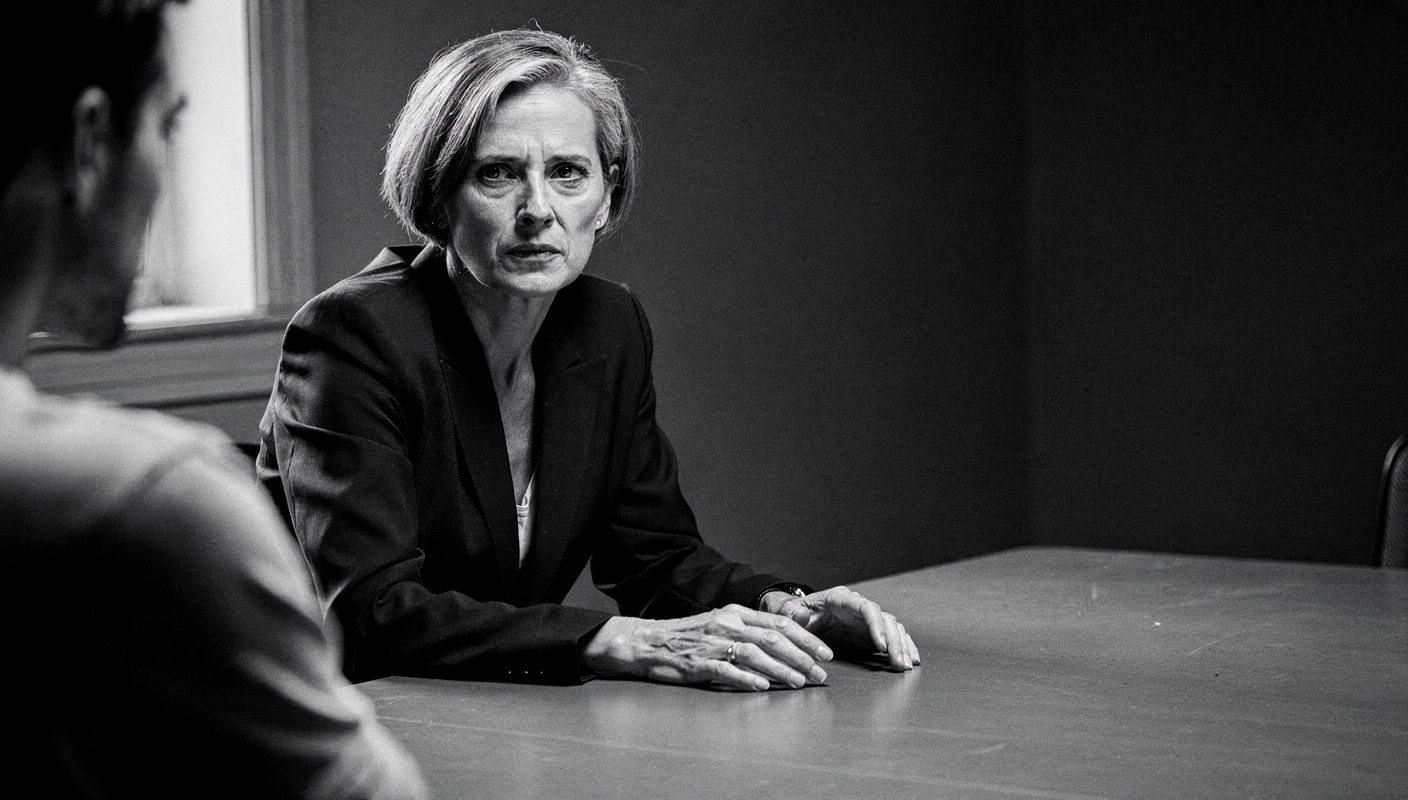
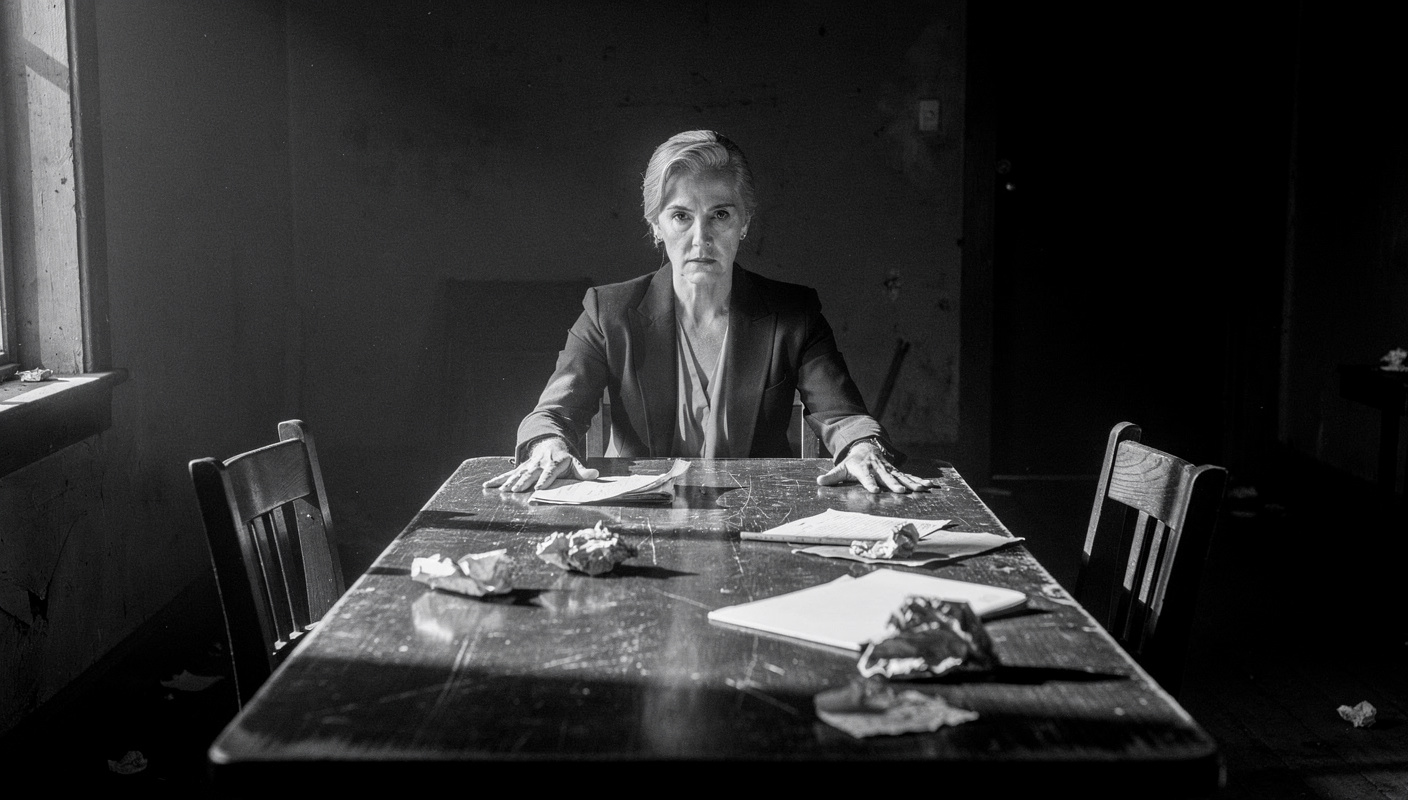
Sit upright, with your weight evenly distributed and your back away from the chair. This signals engagement without aggression. Slouching reads as disinterest; leaning forward too early reads as pressure. Keep your hands visible, resting open on the table or in your lap. Fidgeting with a pen, crossing your arms, or gripping the edge of the table all register as anxiety, and an anxious mediator tells the parties that the situation is out of control.
Stillness is particularly powerful. When one party says something explosive, the instinct is to react. Train yourself not to. A calm, settled body in the middle of chaos signals that this is survivable. I have seen a mediator's stillness do more to lower the temperature in a room than any de-escalation technique in the script.
Eye contact and how to balance it
Your gaze is a credibility signal. Too much eye contact with one party looks like favouritism; too little with either party looks like avoidance. The discipline here is balance and intention. When someone is speaking, give them your full attention. When they finish, move your gaze evenly to the other party before you respond. This physical gesture tells both people that they are being heard equally, which is the foundational promise of mediation.
There will be moments when someone says something deeply uncomfortable. Do not look away. Breaking eye contact at a difficult statement signals that you are judging what was said, or that you are not strong enough to hold the space. These are precisely the moments when your gaze needs to remain steady.
If you are working on the broader skill of staying grounded during charged conversations, How to Use the C.O.R.E. Framework to Stay Grounded During a Tense Workplace Conversation offers a practical structure worth applying here.
Spatial positioning in the room
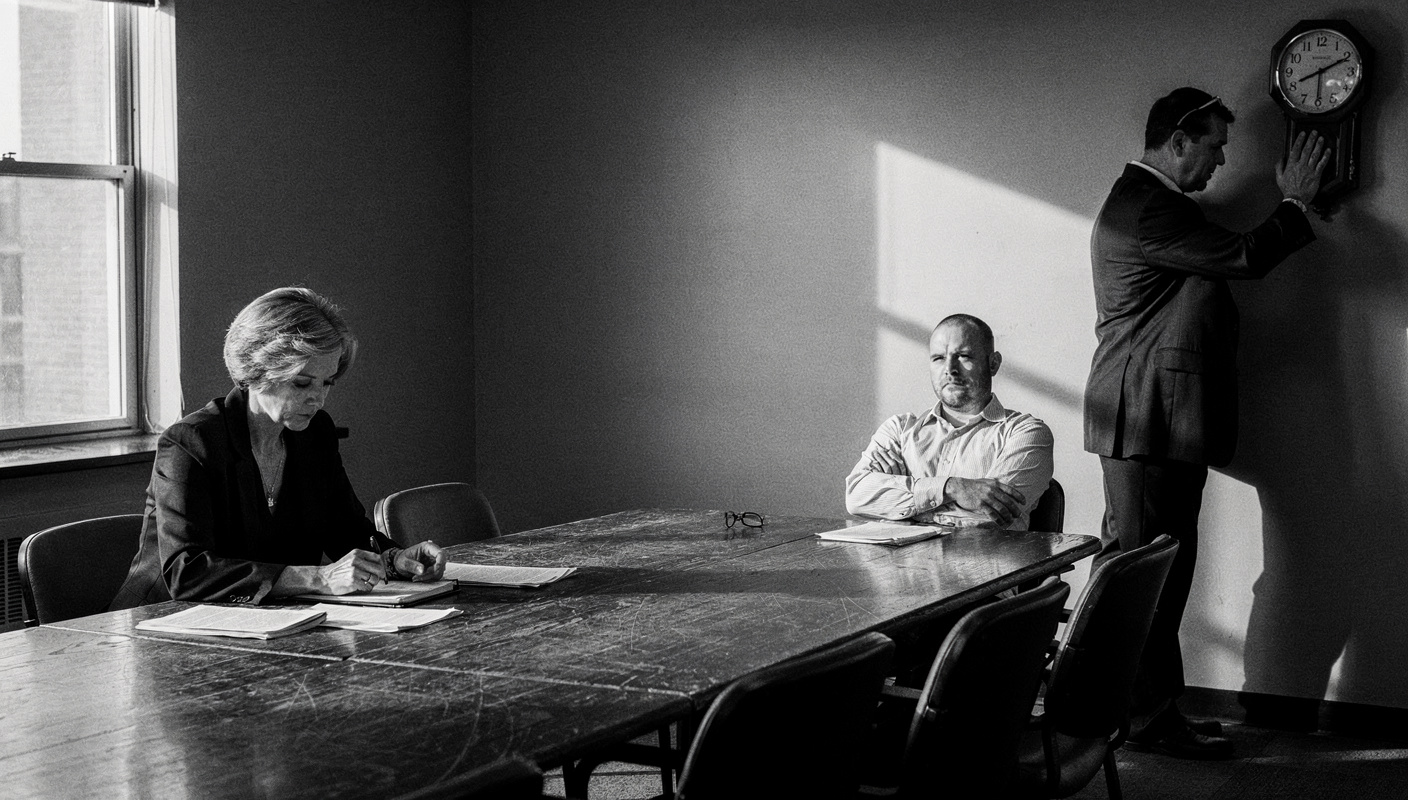
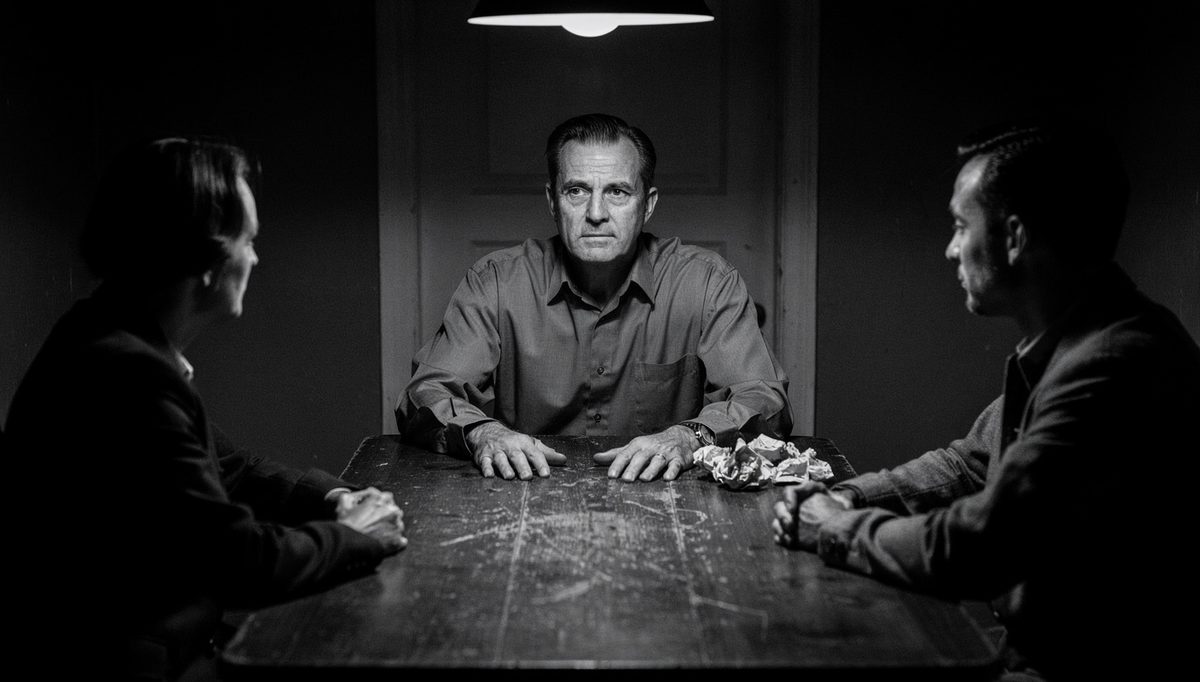
Where you sit or stand matters enormously. Position yourself equidistant from both parties whenever the space allows. If you sit closer to one person, that person's adversary notices within sixty seconds. Angle your body so that neither party is clearly in your direct line and the other is peripheral. When you can, choose a seat that places you at the head of a natural triangle, not as a referee on one side of a line.
Three Beliefs That Undermine Mediator Credibility
Over the years I have watched good, well-intentioned mediators lose the room because of misconceptions about how nonverbal communication works in this context. Here are the three that do the most damage.
The mistake: Mirroring the emotional energy of whoever is speaking shows empathy.
Why it happens: Mirroring is a well-known rapport tool, and it works in ordinary conversation.
What to do instead: In mediation, mirroring one party's distress or anger aligns you with their emotional state, which the other party reads as favouritism. Your role is to stay regulated while they are dysregulated. Calm, open, and steady: that is what a neutral presence looks like.
The mistake: Nodding along while someone speaks shows active listening.
Why it happens: We are taught from early on that nodding signals attention and support.
What to do instead: Repeated nodding during one party's account can look like agreement rather than acknowledgment. A single, measured nod to confirm you have heard is enough. Save continuous nodding for moments of genuine shared understanding, not contested narratives.
The mistake: Facial expressions do not need to be managed as carefully as words.
Why it happens: People assume that nonverbal signals are secondary to verbal ones.
What to do instead: In a charged mediation room, a flash of surprise, a slight grimace, or a raised eyebrow in response to one party's statement can end your credibility in an instant. Both parties are watching your face for clues about who you believe. A neutral, attentive expression is not coldness; it is the respect both parties deserve.
For deeper work on building trust after nonverbal signals have already gone wrong, How to Rebuild Trust After Unresolved Tension Has Damaged a Working Relationship addresses what comes next.
Body Language in the Room: Three Real Situations
A senior manager and a direct report
A manager and a younger team member have been in conflict for two months over workload allocation. They sit down for mediation. The mediator notices the manager is physically larger and tends to lean forward when making a point, filling the space. Without addressing it verbally, the mediator subtly shifts position, drawing the younger employee into a more equilateral triangle. They keep their own posture open and still. The physical recalibration of the room gives the junior employee enough psychological safety to speak. Nothing was said about it. The body handled it.
Two peers at the same level
Two colleagues of equal seniority have reached an impasse after a public disagreement in a team meeting. Both arrive defensive, arms folded, bodies turned slightly away from each other. The mediator begins with hands flat on the table, open posture, and a relaxed but upright spine. Within minutes, one colleague uncrosses their arms. It is not a conscious decision on their part. The mediator's physical ease has made the room feel less like a confrontation and more like a conversation. That shift is the beginning of progress. Connecting empathy to this kind of physical attunement is something How to Resolve Interpersonal Tension Through Empathy explores directly.
A team dispute with multiple voices
In a group setting with four people in conflict, a mediator cannot make equal eye contact with everyone simultaneously. The method here is rotation: move your gaze deliberately around the group during each speaking turn, pausing on each person for a beat before moving on. This tells everyone in the room that they are seen. In complex organisational disputes, the nonverbal signals need to scale, and Advanced Tension Management Techniques for Complex Organizational Conflict offers a strong framework for managing that complexity.
Preparing Your Body Before the Session Begins
Mediator body language is not something you switch on when the parties walk in. It requires preparation. Before any session, take two or three minutes to settle your own nervous system. Breathe slowly. Sit in the chair you will use. Arrange your hands consciously. This is not ritual for its own sake; it is how you build the physical state you want to project. You cannot signal calm from a body that is still carrying the tension of your last meeting.
The D.E.A.L. Method provides a useful pre-session framework for grounding yourself before conflict conversations. And when things escalate mid-session despite your preparation, How to De-escalate Arguments During Meetings covers the real-time tools that work alongside the nonverbal ones.
Frequently Asked Questions (FAQ)
What is mediator body language and why does it matter?
Mediator body language refers to the nonverbal signals a mediator sends through posture, gaze, stillness, and positioning. These cues communicate neutrality and calm before a word is spoken. When they are wrong, parties distrust the process regardless of what the mediator says.
How do you use mediator body language to signal neutrality?
Sit in an open, upright posture equidistant from both parties. Keep your eye contact balanced between them. Avoid turning your body toward one side. These positioning choices tell both people their mediator is not already on the other side.
Can mediator body language actually help de-escalate conflict?
Yes. When a mediator stays physically still and calm during heated moments, it signals that the situation is manageable. Stillness is contagious in tense rooms. Parties read the mediator's body as a signal of whether the conversation is safe or dangerous.
What body language mistakes damage mediator credibility most?
Leaning toward one party, breaking eye contact when someone says something difficult, and using closed or guarded postures are the most damaging. Each one signals favouritism or discomfort, which destroys the neutrality a mediator depends on to keep both parties engaged.
How does mediator body language differ from regular conversation body language?
In regular conversation, mirroring and emotional expressiveness build rapport. In mediation, the priority is calibrated neutrality. A mediator must signal warmth and attentiveness without appearing to side with either party, which requires more deliberate control of facial expression and positioning.
How long does it take to develop strong mediator body language skills?
The principles can be learned quickly, but real mastery comes from practice under pressure. Most people need several live mediation experiences before their nonverbal cues become consistent and automatic. Deliberate preparation before each session accelerates the process significantly.
This much I know for certain: the parties in a mediation room will decide whether to trust the process within the first few minutes, and they will base that decision largely on what they see, not what they hear. Developing your mediator body language is not a cosmetic skill. It is the foundation on which everything else you do in that room is built. Prepare it deliberately, practise it consistently, and earn the credibility that gives resolution a real chance.