
In Short
A safe space for mediation dialogue is not a comfortable room. It is a set of conditions you build deliberately, before anyone says a word.
- Without structure and ground rules, even willing parties will default to self-protection over honesty.
- The mediator's job is to hold the container, not to fix the conflict.
- Every element of preparation sends a signal: this process is fair, and you are safe to speak.
Safe space mediation is the intentional construction of conditions, physical, relational, and procedural, that allow conflicting parties to engage in honest dialogue. It combines neutral ground, clear rules, and a trusted mediator to create an environment where people can speak and be heard without fear.
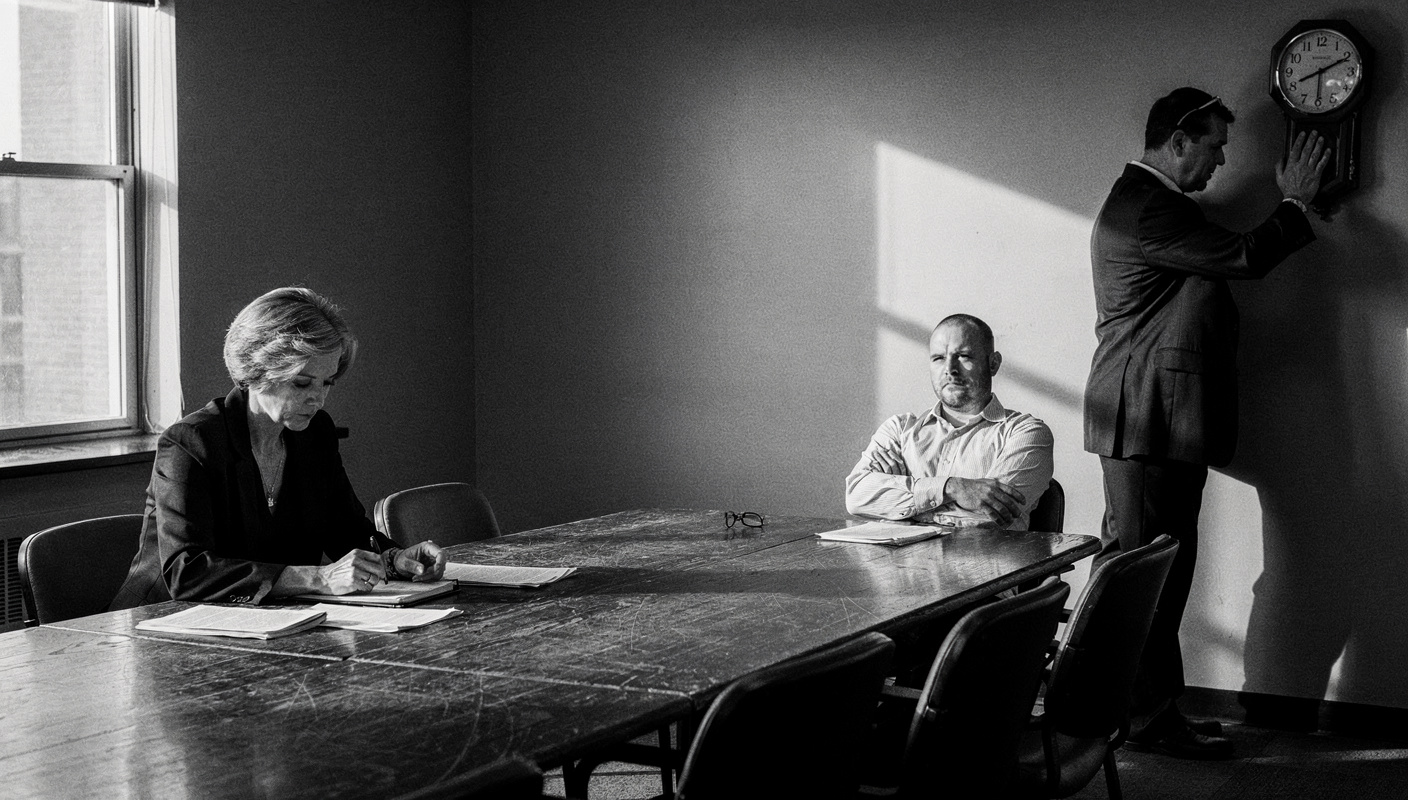
I watched a mediation collapse once, and the reason had nothing to do with the conflict itself. Two colleagues had a genuine grievance between them, both willing to talk, both in the room. But the manager who convened the session sat at the head of the table, started by saying "I just want you two to sort this out," and then waited. No structure. No ground rules. No clear sense of who was running things or why. Within four minutes, one person was crying and the other had shut completely down. Safe space mediation requires more than good intentions and a room with a door. It requires preparation, and most people skip it entirely.
The difficulty is real. You are asking people who are hurt, frustrated, or angry to be vulnerable in front of the very person who caused that feeling. That takes courage on their part, and it takes craft on yours.
Why Safe Space Mediation Is Harder Than It Looks
People carry their history into a mediation room. They bring every previous conversation that went badly, every time they felt dismissed or talked over, every time they said something honest and paid a price for it. You are not just managing today's conflict. You are managing their accumulated experience of whether it is safe to speak at all.
This is why psychological safety is not a background concept in mediation. It is the entire foundation. Without it, people perform dialogue rather than engage in it. They say what they think they are supposed to say, and the real issue stays buried.
The mediator also faces pressure from both sides. Each party wants you, consciously or not, to validate their position. The moment you appear to lean toward one side, the other person closes. You must hold a steady, impartial presence while also moving the conversation forward. That balance is something you earn through preparation and practice, not something you improvise on the day.
"The Conversation You're Avoiding Is the One You Need to Have."
"The Conversation You're Avoiding
Is the One You Need to Have."
Stop rehearsing conversations you'll never have. Say It Right Every Time gives you 115 word-for-word scripts and 16 proven frameworks to speak with confidence in every conversation that matters.
What Must Be in Place Before You Begin
Do not walk into a mediation session without these three things settled.
Voluntary participation. Both parties must choose to be there. Forced mediation produces forced dialogue. If someone is in the room because their manager told them they had to attend, their guard will be up from the moment they sit down. Have a brief, private conversation with each person beforehand. Confirm they are willing to engage genuinely, not just comply.
Separate pre-conversations. Meet with each party individually before any joint session. This is not a formality. It is where you learn what each person actually needs, where you begin to build trust, and where you can manage expectations about what mediation can and cannot deliver. People come in with dramatically different ideas of what is about to happen. Align those ideas before the room fills.
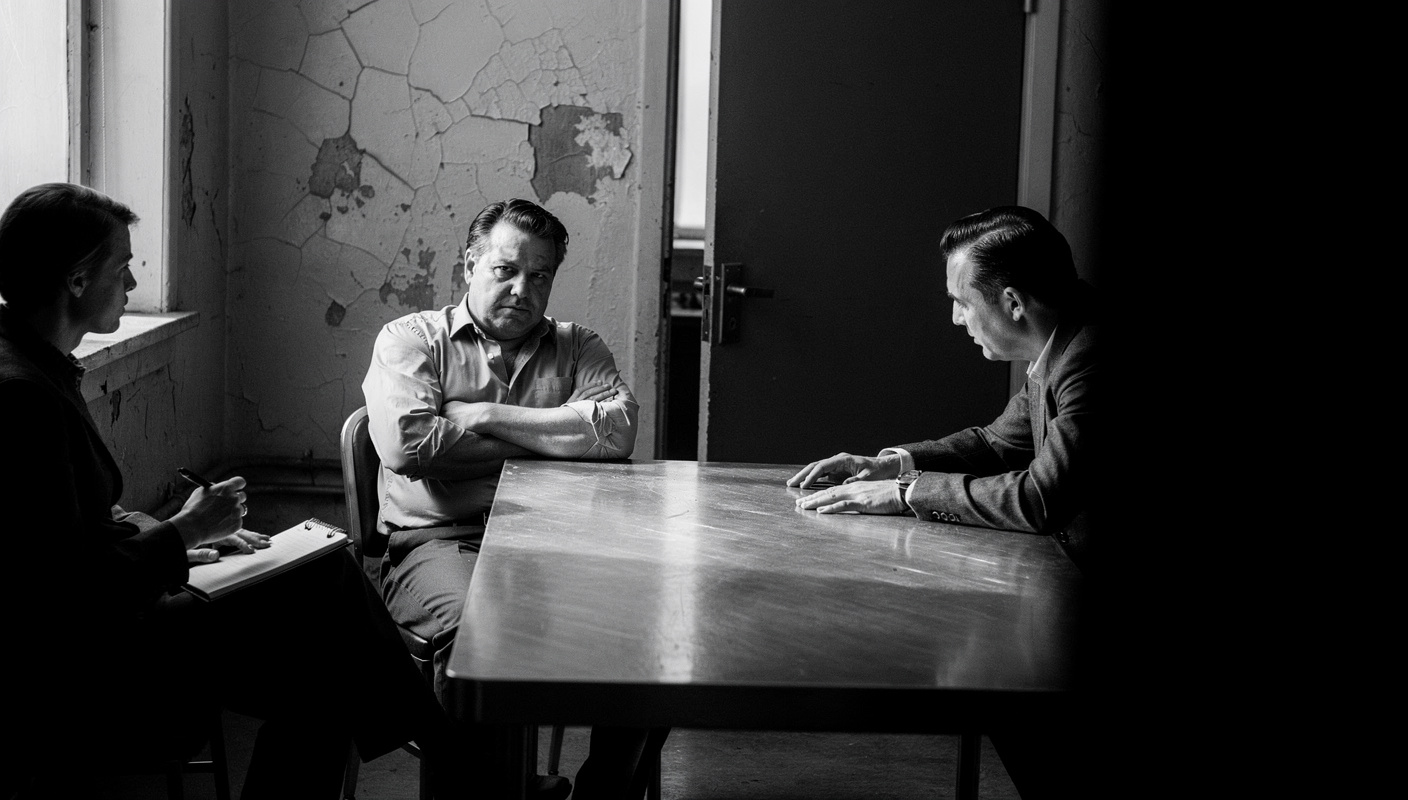
A genuinely neutral space. The choice of location carries a message. Do not use the manager's office, one party's workspace, or anywhere that signals hierarchy or ownership. A meeting room with no visible allegiance to either party is the minimum. If no neutral space exists within the building, find one outside it.
The Six-Step Process for Building Safe Space Mediation Dialogue
Step 1: Open with your role, not with the problem
Begin by stating clearly who you are in this conversation and what you are there to do. Not what happened. Not what you hope the outcome will be. Your role.
Say something like: "I am here as a neutral person. My job is to make sure this conversation is fair and that both of you have the space to speak and to be heard. I am not here to decide who is right. That is not what this is."
This matters because it removes ambiguity. Both parties need to understand that you are not an authority figure taking sides. You are the person holding the process together.
Step 2: State the ground rules out loud, and get explicit agreement
Read the ground rules clearly, one by one. Do not hand them a sheet of paper and move on. Say them aloud, pause after each one, and ask both parties to confirm they agree.
The core rules for effective safe space mediation are:
- One person speaks at a time, with no interruptions.
- No personal attacks. Speak about your own experience, not about the other person's character.
- Everything said in this room stays in this room.
- Either person can ask for a short break if they need one.
- The mediator may pause or redirect the conversation if it is no longer productive.
Getting explicit verbal agreement to these rules does two things. It creates a shared contract. And it gives you a clear, non-confrontational reference point if the conversation escalates later. "I need to bring us back to one of the rules we agreed on" carries far more weight than "I need you to calm down."
Step 3: Give each person uninterrupted opening time
Ask each party to speak briefly to their experience of the situation, without the other person responding yet. Give them equal time, roughly two to three minutes each. Do not let this become a statement of blame; if it starts to drift that way, gently redirect: "I want to make sure we hear your experience of it. Can you tell me how this has affected you?"
The order matters less than the equality. Whoever goes second will sometimes feel like they are already on the defensive. Acknowledge that: "I appreciate your patience in listening first. Now I want to hear your perspective fully."
This phase is not about solving anything. It is about making each person feel genuinely heard before any dialogue between them begins. When people feel heard, their defensive posture softens. That softening is the precondition for everything that follows.
Step 4: Reflect and name what you have heard
Before you open the floor to direct dialogue between the parties, reflect back what each person said, in your own words, without judgment or editorial. This is one of the most powerful tools in mediation, and it is consistently underused.
"What I am hearing from you is that you felt excluded from decisions that directly affected your work, and that this has been building for several months. Is that right?"
Then do the same for the other party. The goal is to demonstrate to each person that they have been understood, and to show both parties that their positions have been heard equally. When someone hears their own experience reflected accurately by a neutral person, something in them relaxes. You can see it happen.
This step also surfaces misunderstandings early. Often, when each person hears how the other has experienced the same situation, they are genuinely surprised. That surprise is productive. Resolving interpersonal tension through empathy depends on this exact moment of recognition.
Step 5: Move toward shared concerns
Once both parties have been heard and reflected, look for common ground. Not agreement on the facts, not yet. Common ground on what they both need going forward.
Ask each person directly: "Regardless of what has happened, what does a workable situation look like for you?" Then listen carefully for the overlap. There is almost always overlap, even in high-conflict situations. Both people usually want to be respected. Both want clarity on expectations. Both want to get on with their work without dread.
Name the overlap when you find it: "It sounds like you both need clearer communication about decisions before they happen. Is that fair to say?" When both heads nod, even reluctantly, you have established the first piece of shared ground. The conversation shifts from adversarial to collaborative, even slightly.
Step 6: Agree on specific next steps, not general goodwill
The most common failure point in mediation is a session that ends with a handshake and no concrete plan. People leave feeling that something was resolved, and three weeks later the same pattern reasserts itself because nothing actually changed.
End every mediation session with explicit, specific agreements about what each person will do differently. Not "we will communicate better." What, exactly? When? How?
Write it down in front of both parties. A simple shared note is enough: "We have agreed that when a decision affecting both of us is being made, you will inform me at least 24 hours in advance." Then confirm a date to check in and review how the agreements are holding.
The D.E.A.L. method for resolving team conflict offers a strong framework for structuring this closing phase, particularly when the conflict has affected the broader team. It is worth having in your toolkit alongside this process.
Adapting the Process for Remote Teams
When mediation happens over video, the absence of physical presence removes several of the cues you depend on. You cannot read body language fully. You cannot sense the temperature of the room. Interruptions that would be obvious in person become messy and confusing on a call.
Prepare more thoroughly on the front end. Send the ground rules to both parties in writing before the session and ask for written confirmation that they have read and agreed to them. This replaces the in-room agreement ritual and means you are not spending the first ten minutes of the session on logistics.
Use video only. Audio-only mediation is significantly harder because you lose the facial expressions that tell you when someone is about to disengage or escalate. If one party's camera is off, pause the session and ask them to turn it on. Presence is not optional.
Keep sessions shorter. Sixty minutes is the practical ceiling for remote mediation. Beyond that, attention fractures and emotional regulation becomes harder without physical grounding. If more time is needed, schedule a second session rather than push through. For remote teams where tension has built over time, the guidance on ensuring every participant gets heard applies directly to how you structure turn-taking in the session.
Where Mediation Goes Wrong
Skipping the pre-conversation. People arrive with wildly different expectations and no idea what the process involves. The session opens with confusion and anxiety before you have even begun. Hold a private conversation with each party beforehand. Ask what they hope to achieve, explain your role, and set realistic expectations.
Letting one voice dominate. One person is more articulate, more assertive, or simply louder. The other withdraws. You end up mediating one person's version of events while the other person disengages. Manage this directly. Use the ground rules to protect speaking time, and address dominant voices specifically: "I want to make sure we hear equally from both of you. Let us hear from the other side now." The skills for managing dominant voices in group conversations translate directly into mediation settings.
Confusing neutrality with passivity. The mediator says almost nothing, hoping the parties will sort it out themselves. The conversation drifts, escalates, or dies. Neutrality does not mean silence. It means not taking sides. You are still the person directing the process, asking the questions, and naming what is happening when it goes off course. Hold the structure with confidence.
Ending without a concrete agreement. The session ends on a note of cautious optimism, but nothing specific was agreed. Within weeks, both parties feel the mediation failed. Always close with written, specific commitments. Goodwill fades. Clear agreements hold.
Trying to resolve the conflict in one session. Some conflicts took months or years to develop. One conversation will not undo them. Set expectations: mediation is a starting point, not a conclusion. Plan follow-up. Check in. If the conflict involves deeper structural issues, addressing workplace tension before it escalates again may require a longer process. Point people toward that work explicitly.
Your Pre-Session Mediation Checklist
Use this before every mediation session. It takes five minutes and prevents the most common failures.
Before the day:
- Hold a private conversation with each party, confirm voluntary participation, and align expectations.
- Send the ground rules to both parties in writing and confirm receipt.
- Book a genuinely neutral space, neither party's territory, with no interruptions possible.
On the day, before the session: 4. Arrive early. Arrange the seating so neither party is at a positional disadvantage. 5. Remove any objects or room features that signal hierarchy or authority. 6. Prepare your opening statement: your role, the ground rules, and the intended structure.
At the start of the session: 7. State your role clearly. You are neutral. You hold the process. 8. Read the ground rules aloud and get explicit verbal agreement from both parties. 9. Confirm confidentiality. What is said here stays here.
During the session: 10. Give each person equal, uninterrupted opening time. 11. Reflect back what you hear before opening dialogue between the parties. 12. Name common ground when you find it, explicitly and clearly.
At the close: 13. Do not end without written, specific agreements from both parties. 14. Confirm a date to review how the agreements are holding. 15. Thank both parties for their courage in being present.
If you want to stay grounded as the mediator when tension rises mid-session, the C.O.R.E. framework for tense workplace conversations gives you a practical method for maintaining your own composure while keeping the dialogue on track.
The Discipline That Makes It Work
Mediation is not a talent. It is a discipline. The mediators I have seen do this well are not especially gifted conversationalists. They are prepared, consistent, and deeply respectful of the process they are holding.
The steps in this article are not complicated. What makes them hard is the commitment to follow them every time, even when the conflict is messy, even when one party is hostile, even when you would rather just let them talk and see what happens. Every time you skip a step, you borrow against the trust you need later.
Safe space mediation does its most important work before anyone says a difficult word. Build the container carefully, hold it firmly, and people will often surprise you with what they are willing to say when they believe they are genuinely safe to say it. That belief is yours to create. Start with the checklist. Work the steps. The rest follows.
Frequently Asked Questions (FAQ)
What is safe space mediation?
Safe space mediation is the deliberate creation of conditions where conflicting parties can speak honestly without fear of judgment, interruption, or retaliation. It depends on clear ground rules, a neutral mediator, and a structured process that protects every participant equally.
How do you create a safe space for mediation dialogue?
You create a safe space for mediation dialogue by choosing a neutral location, setting explicit ground rules before anyone speaks, establishing confidentiality, and ensuring each person has equal, uninterrupted time to speak. The mediator models calm and holds the structure firmly throughout.
Why do mediation conversations fail without psychological safety?
Without psychological safety, people protect themselves instead of engaging honestly. They deflect, minimise, or go silent. The conflict does not get resolved; it goes underground. Safe space mediation removes that defensive posture so the real issues can surface and be addressed directly.
What ground rules work best in a mediation setting?
The most effective ground rules are simple: one person speaks at a time, no interrupting, no personal attacks, and everything said stays in the room. State them out loud before dialogue begins, ask each party to confirm they agree, and refer back to them if tension rises.
How do you handle a mediation session that breaks down?
Name what is happening without blame. Say something like: I can see this has become difficult. I would like us to pause for a moment before we continue. Then re-state the ground rules, give each person a brief break if needed, and return to the process with a calmer opening question.
Can safe space mediation work in remote or hybrid teams?
Yes, but it requires extra preparation. Use a video call with only the essential participants present, agree on ground rules in writing before the session, and use breakout rooms if one party needs a moment away. The mediator must be more deliberate about managing turn-taking when body language cues are limited.