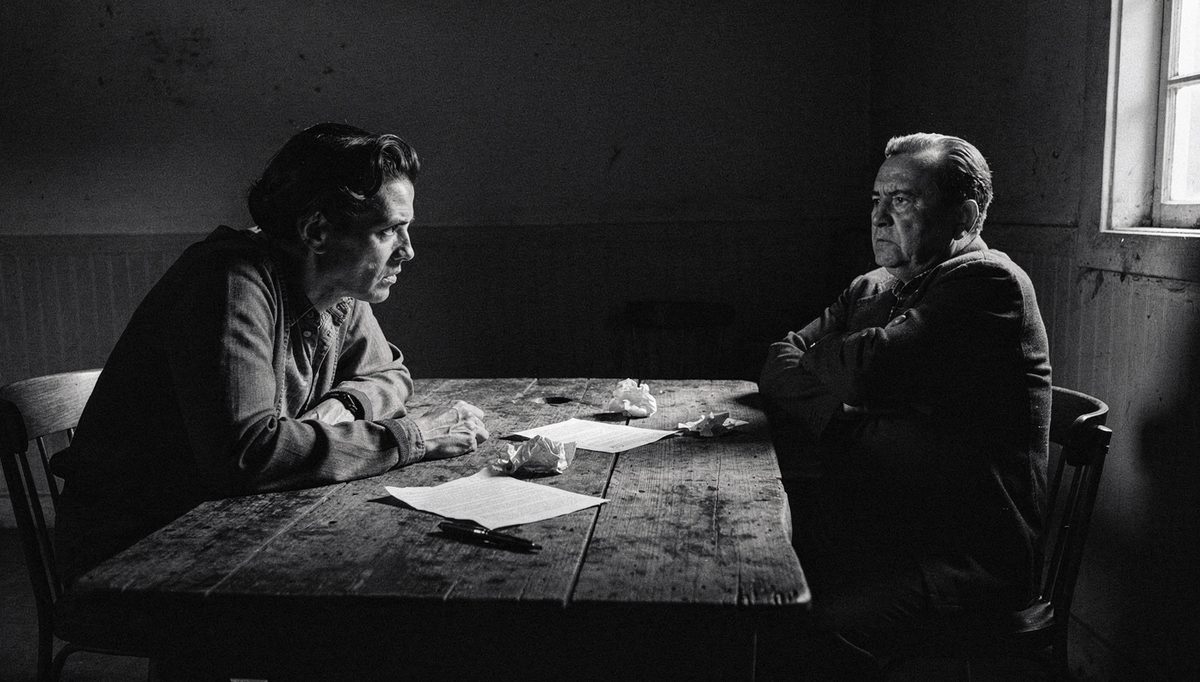

In Short
Psychological safety is not a soft concept. It is the structural condition that determines whether a negotiation produces agreement or produces conflict.
- Without safety, every word lands as a threat, and conflict ignites before either party makes a single substantive point.
- The conflict that derails negotiations is almost never about the issue on the table. It is the result of threat signals exchanged in the opening moments.
- Safety is not something that happens by accident. You prepare it deliberately, the same way you prepare your position.
Psychological safety in negotiation is the mutual condition in which both parties believe they can speak honestly, raise concerns, and disagree without fear of humiliation, retaliation, or dismissal. It is the relational ground that either holds the conversation steady or lets conflict consume it.
Most people walk into a negotiation focused on their position. They have rehearsed their numbers, prepared their arguments, and anticipated the other side's objections. What they have not prepared is the condition that determines whether any of that preparation actually matters. Psychological safety in negotiation is that condition. After decades of watching negotiations collapse, I can tell you with confidence that the breakdown almost never happens because someone made the wrong offer. It happens because the environment turned hostile long before any offer was made. This article explains the mechanism behind that collapse, why it is so reliably invisible until it is too late, and what you can do to build the safety that prevents it.
Why Conflict in Negotiation Rarely Starts Where You Think It Does
Most people assume conflict enters a negotiation through disagreement. Two parties want different things, the gap becomes clear, and the conversation heats up. That is the surface reading. What is actually happening runs much deeper.
Conflict in a negotiation almost always begins with a perceived threat, not a substantive disagreement. It starts in the first exchange, sometimes in the first sentence. One party says something that the other interprets as dismissive, arrogant, or aggressive. The other party's nervous system responds accordingly. They stop listening for solutions and start listening for attacks.
Once that shift happens, the negotiation changes character entirely. Both parties are now defending positions rather than exploring possibilities. They are no longer trying to reach an agreement; they are trying not to lose. Every proposal from that point forward gets evaluated not on its merits but on what it signals about the other person's intentions.
Here is the truth of it: the most damaging conflict in a negotiation happens before anyone has said a single word about the actual issue. It happens in how you enter the room, how you frame the opening, and whether the other person feels respected or threatened by your presence.
"The Conversation You're Avoiding Is the One You Need to Have."
"The Conversation You're Avoiding
Is the One You Need to Have."
Stop rehearsing conversations you'll never have. Say It Right Every Time gives you 115 word-for-word scripts and 16 proven frameworks to speak with confidence in every conversation that matters.
The Mechanism That Makes Safety Non-Negotiable
When someone perceives a threat, their capacity for collaborative thinking drops sharply. This is not a character flaw. It is how human beings are built. The moment a person feels their position, their dignity, or their interests are under attack, a defensive response takes over. They become less open, less flexible, and far less likely to hear anything the other side is saying.
The implications for negotiation are direct and serious. A negotiation requires both parties to hold uncertainty. It requires them to consider positions they have not yet committed to, to entertain solutions they did not arrive with, and to signal some degree of vulnerability. You cannot do any of that when your system is in a threat response.
Psychological safety is what keeps the threat response quiet. When it is present, people can tolerate the discomfort of negotiation without interpreting that discomfort as danger. They can hear "no" without feeling attacked. They can make a concession without feeling defeated. The conversation stays in the space where agreements are actually built.
I cover the foundational role safety plays in difficult conversations in Say It Right Every Time, particularly how the C.O.R.E. Framework treats psychological safety as the prerequisite, not the byproduct, of every productive exchange. If you want a practical system for creating that condition before any high-stakes conversation begins, that is the place to start.
What This Looks Like When It Goes Wrong
Let me give you a scenario I have seen play out more times than I can count. A department head enters a budget negotiation with a counterpart from finance. She has strong data and a reasonable position. She opens by stating what she needs and why the numbers justify it.
The finance counterpart hears the opening as a challenge to his department's authority. He responds with a question that sounds more like a cross-examination than a genuine inquiry. She reads that as dismissal. She becomes sharper. He becomes more formal. Within ten minutes, two intelligent professionals who both want a workable outcome are locked in a conflict that has nothing to do with the budget.
Neither of them chose to be in conflict. The conflict grew from an environment that had no safety built into it. Neither party had done anything to signal that the other's interests were legitimate before the substantive exchange began.
This is the pattern that repeats. It is not dramatic. It does not announce itself. It simply closes the door on agreement quietly, early, and often before either party has noticed it happening. Understanding how unmet needs drive team conflict gives you the vocabulary to recognise what was really happening in that room.
Why Most Negotiators Miss This Until It Is Too Late
There are two reasons the safety mechanism goes unnoticed. The first is preparation bias. Most people prepare content for a negotiation. They prepare their position, their evidence, and their walkaway point. Almost nobody prepares the relational environment. Safety feels intangible, so it gets treated as something that will either emerge naturally or simply does not matter.
The second reason is misattribution. When a negotiation fails or turns hostile, people explain it through the content: the gap was too wide, the other side was unreasonable, the timeline was impossible. These explanations feel satisfying because they are concrete. But I have watched dozens of negotiations where the gap was wide and an agreement still emerged, because the safety was strong enough to hold the discomfort. I have also watched negotiations fail over a gap that was entirely bridgeable, because the environment had turned hostile in the first five minutes.
The cause is invisible. The effect looks like an insurmountable difference in position. That misattribution means negotiators keep preparing better arguments, when what they need is to prepare better conditions. Knowing how to handle conflict during meetings helps in the moment, but preventing conflict from igniting in the first place is a far more powerful skill.
The Three Signals That Either Build or Destroy Safety Before a Word Is Said
After years of watching where safety collapses, I have narrowed it down to three specific signals that the other party reads before any substantive exchange begins.
The first is acknowledgement. Does your opening communicate that you have genuinely considered their position? Not agreement. Not concession. Simple acknowledgement that their perspective has weight. Without it, the other person enters the conversation already defending.
The second is framing. Do you open with a position or with a question? A position signals contest. A question signals curiosity. That one choice changes everything about how the other party processes everything that follows. Learning to start a difficult conversation well is exactly this skill applied to its most critical moment.
The third is the shared goal. If you do not name what both parties want before you name what you want specifically, the negotiation begins as a competition. State the shared outcome first. That single act repositions the conversation from adversarial to collaborative, and it does so before any tension has had time to build. You can read more about the structural approach to doing this through the D.E.A.L. Method for resolving conflicts.
How to Prepare Psychological Safety Before the Negotiation Begins
Preparing safety is a concrete practice. It requires the same discipline as preparing your position, and it starts before you enter the room.
The first step is to write down, in plain language, what you genuinely believe the other party needs from this negotiation. Not what they are asking for. What they actually need. There is almost always a gap between the two, and bridging that gap in your own mind before you arrive is what allows you to acknowledge their position with real respect rather than performed courtesy.
The second step is to choose your opening question with care. The opening question sets the entire tone. It signals either that you are here to understand or that you are here to win. A question like "What would a good outcome look like from your side?" does more to build safety in thirty seconds than any amount of rapport-building conversation that follows.
The third step is to prepare for the moment conflict first appears, because it will appear. The C.O.R.E. Framework gives you a practical system for staying grounded when the room gets tense. Without that kind of preparation, the instinct is to match the other person's energy, which accelerates conflict rather than containing it.
These three steps are not complicated. What makes them rare is that they require you to invest preparation time in the other person's experience, not just your own outcome. That shift in attention is precisely what psychological safety is built from.
When Conflict Has Already Started: Repairing the Ground
Sometimes you walk into a negotiation where the conflict has preceded you. History between the parties, a failed previous attempt, a grievance that was never addressed. In these situations, safety does not exist at the start. You have to build it from nothing, often while the other person is still actively hostile.
The rule here is simple, though not easy. You have to move slower than your instincts tell you to. When someone is defensive or hostile, the urge is to push through, to get to the substance, to demonstrate that the conflict is unnecessary. That urge makes everything worse.
Instead, name the tension directly and without blame. Say something like: "I know there is some history here that has made this difficult. I want to understand what that experience has been like on your side before we get into the specifics." That single move does two things at once. It signals safety, and it removes the conflict's energy by acknowledging it rather than avoiding it.
For a structured approach to doing this with two parties who have stopped cooperating entirely, the D.E.A.L. Method for defusing tension between colleagues offers a clear framework you can apply directly. And if you want to understand what psychological safety looks like at the team level, not just in a single negotiation, this piece on psychological safety and team synergy will give you the full picture.
The Negotiator Who Prepares the Ground First
Here is what I have come to know after a lifetime of working through conflict: the best negotiators are not the most assertive people in the room. They are the most prepared. And the preparation that matters most is not the preparation of arguments. It is the preparation of conditions.
When you walk into a negotiation having deliberately built psychological safety into your opening, you are not giving ground. You are removing the conditions that make conflict inevitable. You are creating the environment where the other party can hear your position without immediately defending against it. That is not generosity. That is strategy.
The negotiator who prepares the ground first wins not because they were cleverer or tougher, but because they were the only one in the room who understood that psychological safety negotiation is decided before anyone opens their mouth.
Frequently Asked Questions (FAQ)
What is psychological safety in negotiation?
Psychological safety in negotiation is the shared sense that both parties can speak honestly without fear of punishment, ridicule, or retaliation. When it is present, conflict stays manageable. When it is absent, even minor disagreements escalate into positional battles that derail the entire process.
How does psychological safety prevent conflict in a negotiation?
It removes the threat signal that triggers defensive posturing. When people feel safe, they stop protecting themselves and start problem-solving. Without that safety, every word lands as a potential attack, and conflict ignites before either party has made a single substantive point.
Why does conflict derail negotiations before they start?
Because conflict during a negotiation is rarely about the issue on the table. It is the result of accumulated threat signals exchanged in the opening moments. Once someone feels attacked or dismissed, they shift from collaborative thinking to self-protection, and the negotiation effectively ends before it begins.
How do you build psychological safety before a negotiation?
Prepare the relational ground before the first exchange. Acknowledge the other person's position with genuine respect, signal that their perspective matters, and frame the conversation as a shared problem rather than a contest. These steps lower the perceived threat before any offer is made.
What kills psychological safety in a negotiation?
The three most reliable killers are dismissing the other party's concerns, framing the negotiation as a competition with a winner and a loser, and opening with a position rather than a question. Each one sends a threat signal that collapses the safety needed for honest exchange.
Can you restore psychological safety once conflict has started?
Yes, but it takes deliberate effort. You need to slow down, name the tension without blame, and reaffirm the shared goal. Tools like the C.O.R.E. Framework help you stay grounded when the conversation becomes charged and give both parties a path back to productive ground.