
In Short
When one party is operating under extreme external pressure, the conflict is rarely just about the stated issue. Their stress is shaping every word they say. You need to address the pressure before you can address the dispute, or you will be solving the wrong problem entirely.
- Read the pressure signals before you respond to the content of the argument.
- Slow the pace of the conversation; urgency from your side makes things worse.
- Separate what they are saying from what the stress is making them say.
Conflict under pressure occurs when one party in a dispute is simultaneously managing significant external stress, such as a deadline, a personal crisis, or organisational strain, that shapes their communication, reduces their flexibility, and makes standard resolution approaches far less effective.
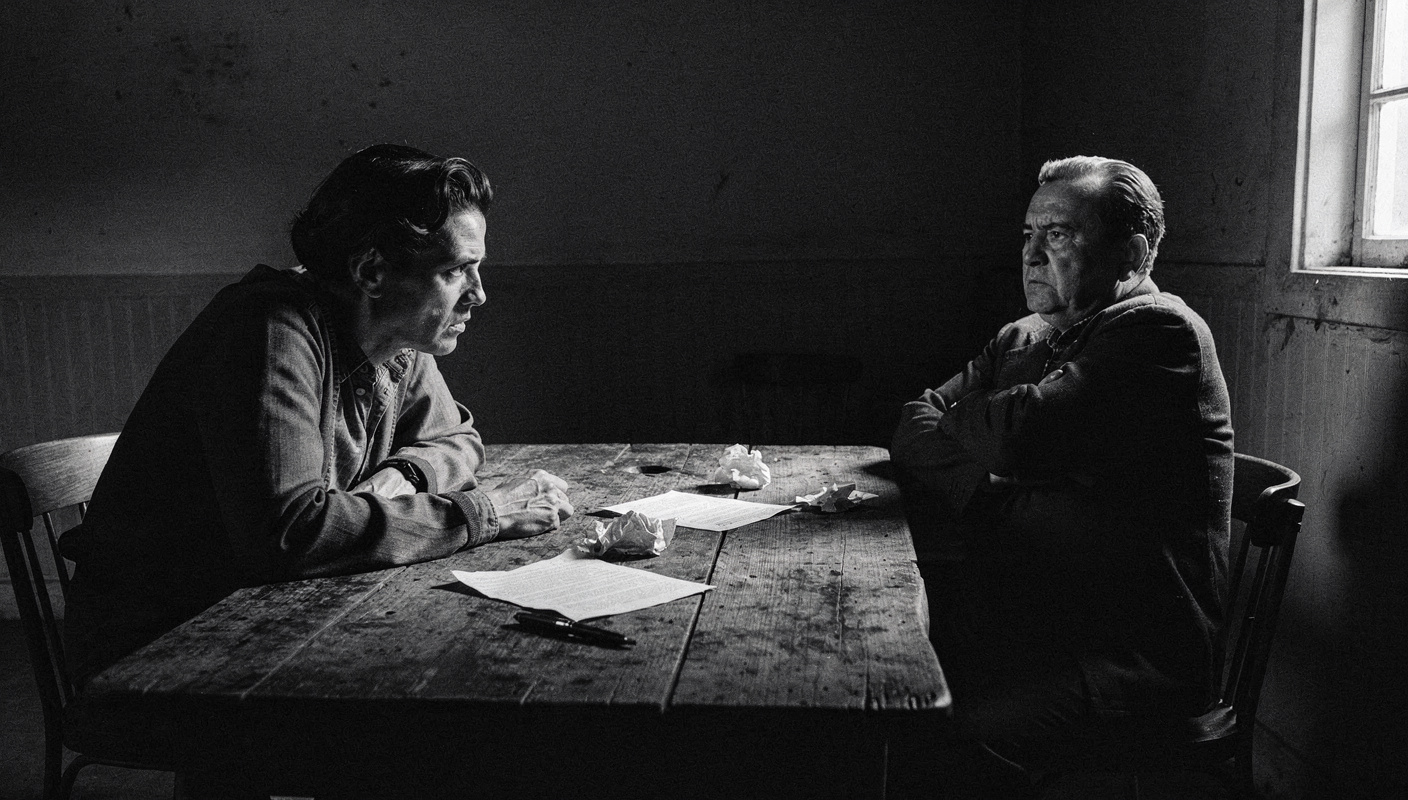
You could see the moment it was going wrong. A colleague named Marcus sat across from me in a project review, and within four minutes he had flipped the entire agenda into a confrontation about resource allocation. He was sharp, accusatory, and completely dug in. I had all the facts. I had the numbers. I used them. The meeting ended with nothing resolved and two people who now trusted each other less than when they walked in.
What I did not know at the time was that Marcus had been fielding calls all morning about a family situation he had not shared with anyone. His pressure had nothing to do with the project, but it shaped every word he said. Conflict under pressure is a specific and genuinely difficult thing, and if you treat it like ordinary conflict, you will consistently make it worse. This article gives you a clear, ordered process for handling it.
Why Pressure Turns Ordinary Disagreement Into a Different Problem Entirely
Most conflict resolution advice assumes both parties arrive with roughly equal emotional and cognitive capacity. It assumes that if you listen well, stay calm, and address the core interests at stake, resolution is reachable.
That assumption breaks the moment one person is already overwhelmed.
Someone operating under extreme external pressure, whether it is a collapsing deadline, a boardroom crisis, a personal loss, or the cumulative weight of months under strain, does not process a conversation the way they normally would. Their responses become faster and more defensive. They anchor harder to their position, because flexibility feels like risk when you are already depleted. Small provocations land as large ones.
Here is the truth of it: you are no longer in a negotiation about the stated issue. You are in a negotiation with someone whose reserves are gone. The surface conflict is real, but it is partly a symptom of their state, not just a disagreement. Treat it as only a disagreement, and you will apply the right tools to the wrong problem.
I have watched skilled communicators fail in exactly this situation, not because they lacked technique, but because they did not first ask: what is this person actually carrying right now?
"The Conversation You're Avoiding Is the One You Need to Have."
"The Conversation You're Avoiding
Is the One You Need to Have."
Stop rehearsing conversations you'll never have. Say It Right Every Time gives you 115 word-for-word scripts and 16 proven frameworks to speak with confidence in every conversation that matters.
What You Need to Know Before the Conversation Begins
Before you sit down, you need two things. Without them, the steps that follow lose most of their power.
First, know what pressure signals look like. Extreme external stress shows up in specific ways: shorter sentences, more interrupting, a sudden narrowing of what they are willing to discuss, physical withdrawal, or an unusual combativeness that seems disproportionate to the issue at hand. These are not personality flaws. They are stress signals. Recognising them early means you can adjust before the conversation deteriorates.
Second, check your own state. If you are also under pressure, or if you have a personal stake in the outcome, your capacity to hold steady under the other person's intensity is reduced. A conversation between two depleted people almost never produces resolution. Know whether you are in a condition to lead this interaction calmly, and if you are not, delay it.
If you cannot delay it, at minimum slow yourself down before it begins. Take two minutes alone. Decide in advance that you will not match their pace or their tone. That decision, made before you walk in, is one of the most practical tools you have.
A Process for Conflict Under Pressure: Six Steps That Work in Sequence
These steps are ordered deliberately. Skipping ahead almost always causes the conversation to break down.
1. Name the pressure before you address the dispute.
Do not open by discussing the issue. Open by acknowledging what you can see. You do not need to know the specifics of what they are dealing with. You just need to signal that you are paying attention.
Say something like: "I can see you are carrying a lot right now, and I want to make sure this conversation helps rather than adds to it."
This does several things at once. It lowers defensiveness, it signals that you are not treating this as a standard disagreement, and it creates a small pause in whatever reactive energy they have built up. Most people in a pressured state have not had anyone acknowledge it directly. When you do, it changes the temperature of the room.
2. Reduce the scope of what you are trying to solve right now.
One of the defining characteristics of pressure-driven conflict is that the scope expands fast. What began as a disagreement about one decision becomes a referendum on the entire relationship, the whole project, or everything that has gone wrong for the past six months.
Do not follow that expansion. Bring the focus back to a single, concrete question.
Say: "Can we focus on just the one thing that needs to move forward today? Everything else can wait."
This is not avoidance. It is containment, and containment is a skill. Solving one thing when someone is overwhelmed is worth far more than attempting to solve everything and resolving nothing.
3. Slow the pace of the conversation actively.
Pressure speeds conversations up. Speed makes pressure worse. The deliberate pace you set is itself a form of communication: it tells the other person that there is no emergency in this room, even if there is one outside of it.
Speak slightly slower than feels natural. Allow silences to sit for two or three seconds before you respond. Avoid rapid-fire questions. One question at a time, followed by genuine space for an answer.
If you notice the conversation accelerating, you can name it without blame: "Let's take a moment before we go further."
4. Separate the position from the pressure.
The other person's stated position, what they say they want, is rarely the full picture when pressure is involved. Underneath it is usually an unmet need: safety, respect, control, recognition, or simply the need not to have one more thing go wrong.
Your job in this step is to get curious about what is underneath the demand, without making them feel interrogated. How Unmet Needs Drive Team Conflict and What to Say to Restore Synergy covers this principle in detail, and it applies directly here.
Ask: "Help me understand what matters most to you about this. Not the logistics, but what you actually need from this situation."
Then listen without preparing your response. What they say next is usually the real negotiation.
5. Offer one small point of genuine agreement.
When someone is under pressure, the world tends to feel adversarial. Finding one thing you honestly agree with, even if it is small, breaks that feeling.
It does not have to be significant. "I agree that the timeline has been unrealistic" or "You are right that this should have been flagged sooner" can shift the entire dynamic. This is not concession for its own sake. It is a signal that you are not against them, and that signal matters enormously when someone is already fighting on every other front.
Do not manufacture agreement. If you say something you do not mean, an experienced person under stress will often detect it, and the trust you are trying to build will collapse.
6. Agree on the smallest possible next step, not the full resolution.
Pressured people cannot hold large, complex agreements in mind. They need something concrete and near-term.
Do not try to close everything in one conversation. Instead, agree on one clear action: who will do what, by when. Write it down in the room if you can. Seeing it on paper gives it weight and gives the other person something solid to hold onto when the pressure rises again after they leave.
"So we are agreed: you will send the revised figures by Thursday, and I will hold the decision until then. Is that right?"
Say it simply. Confirm it. Then stop.
If the conflict has fractured something deeper between you, the D.E.A.L. Method for resolving conflicts that fracture team synergy gives you a structured approach to repairing what remains after the immediate dispute is contained.
When the Pressured Party Is Your Manager or a Senior Stakeholder
The process above works in most peer-level conflicts. But it requires adjustment when the person under pressure holds authority over you. The power dynamic changes what you can say and how directly you can say it.
You cannot open by naming their pressure the same way you might with a colleague. "I can see you are carrying a lot" lands differently from someone junior, and it can backfire as presumptuous.
Instead, use framing that centres the work rather than their state. "I want to make sure we get the right outcome from this conversation, so can I ask one question before we get into the detail?"
Then ask the question that gets underneath the position. You are doing the same work, through a different door. If the situation has become genuinely volatile, the steps in how to de-escalate arguments during meetings give you language that works regardless of who holds the authority in the room.
And if you are the person managing the conflict from a position of pressure yourself, the C.O.R.E. Framework for staying grounded during tense workplace conversations is worth having in your kit before the conversation starts.
Where This Goes Wrong: Three Mistakes and Their Corrections
The mistake: Treating the surface dispute as the whole problem.
Why it happens: The stated issue is visible and concrete; the underlying pressure is invisible and feels like someone else's business.
What to do instead: Before you respond to the content of what they say, ask yourself: "What might this person be carrying that I cannot see?" Let that question shape your opening move.
The mistake: Matching their intensity to hold your ground.
Why it happens: When someone comes at you hard, the instinct is to hold firm by meeting their energy. It feels like strength. It is not.
What to do instead: Lower your own intensity deliberately. A calm, steady presence does more to shift a pressured person than any argument. The D.E.A.L. Method for defusing tension between colleagues who refuse to cooperate shows how this plays out in practice when both parties are dug in.
The mistake: Rushing to resolution before the person feels heard.
Why it happens: You want the conflict over, and you have a solution ready. Moving to it quickly feels efficient.
What to do instead: Slow down. A pressured person who does not feel heard will reject almost any solution, not because the solution is wrong, but because the container is not ready. If the conversation collapses despite your best efforts, the R.E.C.O.V.E.R. Method gives you a path forward when a tension conversation makes things worse.
A Checklist to Carry into the Conversation
Use this before and during any conflict where you suspect external pressure is a factor.
Before the conversation:
- Have I checked my own state? Am I calm enough to lead this steadily?
- Do I know what pressure signals to watch for in the other person?
- Have I identified the one specific issue that needs to move forward today?
- Do I know what a realistic small next step looks like, separate from full resolution?
During the conversation:
- Did I acknowledge the pressure before addressing the dispute?
- Am I keeping the scope narrow and the pace slow?
- Have I asked what they actually need underneath their stated position?
- Have I found one point of genuine agreement to offer?
- Have I confirmed the next step clearly and in writing if possible?
After the conversation:
- Did the other person leave with something concrete and manageable?
- Was the trust between us maintained or at least not damaged further?
- If the conflict is not fully resolved, do I know when and how we reconvene?
If you had to leave something undone, consider whether the B.R.I.D.G.E. Method for rebuilding relationships after genuine breakdown gives you a useful path for the next conversation.
What This All Comes Down To
The hardest part of handling conflict under pressure is accepting that you cannot always solve the conflict in the moment. Sometimes the most skilled thing you can do is make the situation no worse, protect the relationship, and leave the other person with one small thing resolved and a clear sense of what happens next.
That is not failure. That is the work.
After decades of getting this wrong in exactly the ways I described, what I know for certain is this: conflict under pressure is never really about the presenting issue alone. The external storm the other person is living through will always shape the words they use and the ground they are willing to give. When you learn to read that storm and respond to it directly, before you argue the facts or defend your position, you become the kind of communicator people trust with the genuinely hard conversations. That trust is earned slowly and lost fast. Protect it.
Frequently Asked Questions (FAQ)
What is conflict under pressure?
Conflict under pressure occurs when one party in a dispute is simultaneously managing significant external stress, such as a looming deadline, a personal crisis, or organisational strain. That stress shapes how they communicate, making them more reactive, less flexible, and harder to reason with through standard approaches.
How do you handle conflict when someone is under extreme pressure?
Start by acknowledging the pressure directly before addressing the dispute itself. People operating under stress need to feel heard before they can engage with resolution. Slow the pace, lower your own intensity, and focus the conversation on their core concern rather than the surface argument.
Why does external pressure make conflict harder to resolve?
External pressure consumes cognitive and emotional resources. When someone is stretched thin, they have less capacity for nuance, compromise, or long-term thinking. Their responses become faster, more defensive, and more positional, making standard conflict resolution tactics feel tone-deaf or even provocative.
What mistakes do people make when handling conflict under pressure?
The most common mistake is treating the surface dispute as the real problem. Another is matching the other party's intensity, which escalates rather than calms. People also rush to solutions before the pressured party feels understood, which almost always causes the conversation to collapse.
Can you resolve conflict when someone refuses to engage because of their stress?
Yes, but not by forcing engagement. When someone is too overwhelmed to participate, the right move is to acknowledge that explicitly and propose a short delay with a firm time to reconvene. Pushing harder when someone is at capacity rarely produces agreement; it produces resistance.
How does conflict under pressure differ from ordinary workplace conflict?
In ordinary conflict, both parties have reasonable cognitive and emotional bandwidth for the conversation. In pressure-driven conflict, one party is already depleted before the dispute begins, so the conflict is partly a symptom of their state, not just a disagreement. The resolution process must account for that state first.
What should you say first when handling conflict under pressure?
Name the pressure without diagnosing it. Say something like: "I can see you are carrying a lot right now, and I want to make sure this conversation helps rather than adds to it." This signals that you are paying attention and lowers defensiveness before any substantive issue is raised.