
In Short
Most negotiation disputes are predictable. The conflict pre-mortem is a structured preparation exercise that maps likely friction points before you enter any negotiation, so you arrive with a clear response to each one rather than being blindsided by tension you could have seen coming.
- Disputes almost always stem from unmet needs and misaligned expectations, not from the surface argument.
- Five practical frameworks give you a structured response for every stage of negotiation conflict.
- Preparation is not just about your position; it is about anticipating where the relationship will break under pressure.
A conflict pre-mortem is a structured pre-negotiation exercise where you identify the disputes most likely to arise, assess how probable each one is, and prepare a specific response before the negotiation begins, replacing reactive damage control with deliberate anticipation.
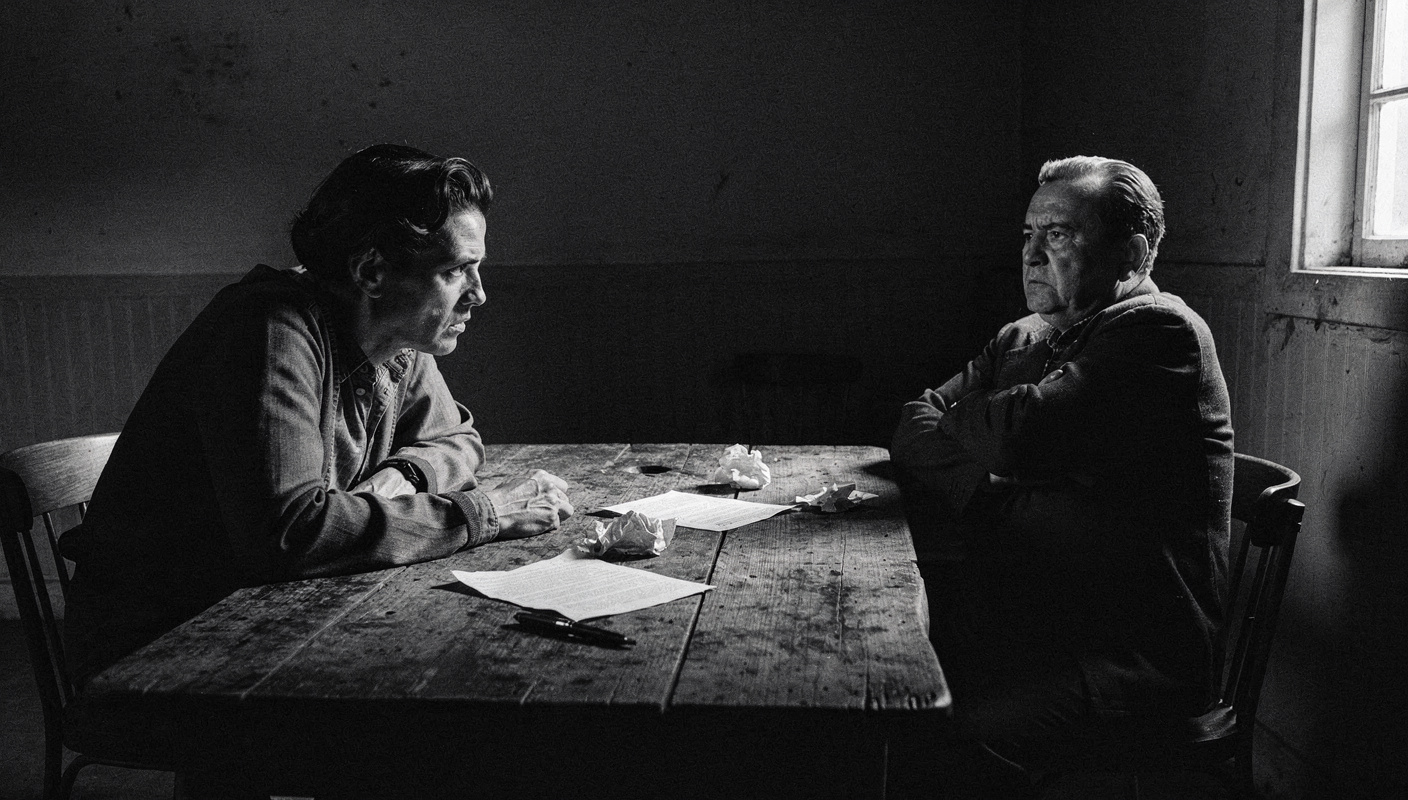
I have sat across the table from someone who was supposed to be a partner, watched a deal collapse in forty minutes, and known, in my gut, that I had seen it coming. The signs were there the week before. The misaligned expectations were obvious in hindsight. But I walked in without a plan for the moment the friction hit, and when it did, I defaulted to defending my position instead of managing the rupture. That is what unprepared conflict does. It does not announce itself. It waits for the moment you are most invested, and then it detonates.
A conflict pre-mortem changes that equation entirely. In Say It Right Every Time, I introduce the conversation pre-mortem as a core preparation tool for high-stakes discussions. Chapter 6 lays out the full exercise. The principle is simple: before you enter any difficult conversation or negotiation, you map the worst-case scenarios, assess how likely each one is, and create a plan for handling each one. You are not being pessimistic. You are being honest about human nature under pressure. What follows are five frameworks you can reach for at every stage of negotiation conflict, from prevention through to repair.
Why Negotiation Conflicts Follow a Predictable Pattern
Here is the truth of it: most negotiation disputes are not random. They follow the same fault lines, almost every time. Unspoken expectations collide. One party feels unheard. A concession is made that does not feel reciprocal. Someone reads silence as agreement and it was not. The surface argument, whether it is about budget, timeline, or scope, is almost never the real argument. As I write in Say It Right Every Time, most conflicts are just two people with unmet needs. When you can see past the defensiveness to the underlying need, you can find a solution that works for everyone.
Anticipating those fault lines is a skill. It requires you to think about the other party before the negotiation, not just your own position. What do they actually need beneath what they are asking for? Where are their expectations misaligned with yours? What would make them feel cornered, disrespected, or dismissed? When you can answer those questions in advance, you stop managing disputes reactively and start preventing them entirely.
"The Conversation You're Avoiding Is the One You Need to Have."
"The Conversation You're Avoiding
Is the One You Need to Have."
Stop rehearsing conversations you'll never have. Say It Right Every Time gives you 115 word-for-word scripts and 16 proven frameworks to speak with confidence in every conversation that matters.
The Five Frameworks for Conflict Pre-Mortem Negotiation Preparation
Each framework below targets a specific moment in the negotiation conflict timeline. Use them in sequence for a full conflict pre-mortem, or reach for the one that matches where you are right now.
Framework 1: The Conflict Pre-Mortem Exercise
What it is: A structured pre-negotiation thinking exercise, drawn from Chapter 6 of Say It Right Every Time, that maps likely friction points before you enter the room.
What it is designed for: Any negotiation with meaningful stakes, an existing relationship, or a history of tension between parties.
How it works:
- Name the most likely disputes. Write down every friction point that could realistically emerge. Do not filter. Include the uncomfortable ones you have been avoiding.
- Assess probability honestly. For each item, rate how likely it is: high, medium, or low. Focus your preparation on the high-probability items.
- Identify the underlying need. For each likely dispute, ask: what does the other party actually need here, beneath their stated position? What do I need that I have not said clearly?
- Prepare a specific response. Write one or two sentences you can say if each friction point surfaces. Not a script you read aloud, but a clear direction you have already thought through.
- Plan your own regulation. Decide in advance what you will do if the conversation escalates. A short pause, a direct reset phrase, a request for a five-minute break. Having a plan prevents the amygdala hijack that strips away your best thinking under pressure.
When to use it: Before any negotiation where you can predict at least one difficult moment.
When not to use it: It is not a substitute for the negotiation itself. If you spend so long in pre-mortem mode that you enter over-prepared and rigid, you will miss the natural openings the conversation creates.
Worked example: You are heading into a contract renewal negotiation. You know the other party will push back on your pricing. Before the meeting, you write: "Pricing will be the sticking point. Their underlying need is to show cost control to their board. I will lead with value delivered, not with defense of the number." You arrive ready.
Eamon's note: I have run this exercise before difficult negotiations for decades. The act of writing the disputes down, naming them, makes them manageable. Fear thrives in the unexamined. Once you have named it, you have already reduced its power over you.
Framework 2: The S.T.R.O.N.G. Method
What it is: A six-step pre-conversation ritual for settling your own state before you enter a high-stakes negotiation.
What it is designed for: Managing anticipatory anxiety before a negotiation where you expect conflict or have a history of losing your composure under pressure.
How it works:
- State your intention. Be specific: "My goal in this conversation is to find a workable path forward, not to win the argument."
- Take a breath. A single slow breath before entering the room shifts your physiology out of threat mode.
- Respect all perspectives. Remind yourself that the other party's position makes sense from inside their situation, even if it frustrates you.
- Offer specific examples. Prepare one or two concrete examples to anchor your points, replacing vague claims with evidence.
- Navigate to solutions. Commit to directing the conversation toward options, not toward blame.
- Gain commitment to action. Know in advance what a successful outcome looks like and what agreement you will ask for at the close.
When to use it: Immediately before any negotiation where you feel anxious, defensive, or likely to react rather than respond.
When not to use it: This is a personal preparation tool. It is not a framework for managing the other party's behaviour.
Worked example: You have a tense renegotiation with a long-term supplier who has been difficult in the past. You run the S.T.R.O.N.G. Method in the ten minutes before the call. You enter calmer, clearer, and focused on outcomes rather than grievances.
Eamon's note: Conversation anxiety is a green light, not a stop sign. The fact that you feel nervous before a difficult negotiation means you understand what is at stake. The S.T.R.O.N.G. Method does not remove the feeling; it channels it into useful preparation.
Framework 3: The D.E.A.L. Method
What it is: A four-step conflict resolution structure from Chapter 9 of Say It Right Every Time that turns a live dispute into a structured problem-solving conversation.
What it is designed for: Disputes that surface during a negotiation, when the conversation is becoming emotional and unproductive.
How it works:
- Define the Issue. State the problem as a neutral observation, not an accusation. "It sounds like we have different expectations about the delivery timeline" is a neutral problem statement. "You keep moving the goalposts" is not.
- Explore Perspectives. Before proposing any solution, make sure both parties feel genuinely heard. Use journalist-style questions: "Help me understand what is driving your concern about the timeline."
- Agree on a Solution. Look for the option that addresses both parties' underlying needs, not just their stated positions. A solution imposed on one party is not a solution; it is a temporary ceasefire.
- Lock in the Commitment. A verbal agreement is not enough. Confirm who does what, by when, and how you will both know the agreement is being honoured.
When to use it: Any time a negotiation conversation loses structure and becomes a circular argument.
When not to use it: If one party is so emotionally escalated that they cannot hear you, de-escalate first. The D.E.A.L. Method needs both people present enough to engage.
Worked example: A negotiation over project scope breaks down into competing claims about what was originally agreed. You call a pause and say: "Let me make sure I understand the issue clearly before we go further." You move through the four steps. Within fifteen minutes, you have a path forward that neither party would have found in the original argument.
Eamon's note: The power of D.E.A.L. is the sequence. Most people jump straight to solutions. The method forces you to define and explore first, which is where the real resolution lives.
For more on applying the D.E.A.L. Method to workplace conflict specifically, see How to Use the D.E.A.L. Method to Resolve Conflicts That Are Fracturing Team Synergy and How to Use the D.E.A.L. Method to Defuse Tension Between Two Colleagues Who Refuse to Cooperate.
Framework 4: The Neutral Problem Statement
What it is: A single-sentence framing technique that opens a dispute conversation without triggering defensiveness in the other party.
What it is designed for: The critical first moment when you need to name the conflict without escalating it.
How it works:
- Remove blame language entirely. Replace "you" statements with "we" statements or observation statements.
- Describe the situation, not the person. Focus on the gap between expectations, not on the other party's behaviour or motives.
- Open with curiosity. Frame the issue as something to be understood together, not adjudicated by you.
- Keep it short. One sentence. Two at most. The longer your opening statement, the more it sounds like a case for the prosecution.
When to use it: At the beginning of any conversation where you need to name a dispute without triggering a defensive shutdown.
When not to use it: If the dispute has been ignored for so long that one party needs space to express frustration before they can engage constructively, a neutral problem statement alone will feel premature. Let them speak first.
Worked example: Your negotiation partner feels the workload split has become one-sided. Instead of saying, "You have not been pulling your weight on this," you say: "I want to make sure we both feel the arrangement is working. Can we look at how it is landing for each of us?" The conversation opens rather than closes.
Eamon's note: Unspoken expectations are premeditated resentments. The neutral problem statement is the tool that brings those unspoken things into the open before they calcify into resentment.
If tension management is the challenge before a team discussion, How to Use the Conversation Pre-Mortem to Reduce Tension Before a High-Stakes Team Discussion extends this approach directly.
Framework 5: The B.R.I.D.G.E. Method
What it is: A six-step relationship repair framework from Chapter 9 of Say It Right Every Time, used after a negotiation conflict has caused a genuine breakdown in trust.
What it is designed for: Rebuilding a working relationship after a dispute has damaged trust, communication, or respect between the parties.
How it works:
- Begin with an Apology. A genuine apology names the specific action and its impact. A non-apology says "I'm sorry you felt that way." Know the difference.
- Reaffirm the Relationship. State clearly that the relationship matters more than the dispute.
- Identify the Breakdown. Name what actually went wrong, without blame, using the same neutral framing as the Neutral Problem Statement.
- Discuss New Expectations. Co-create new rules of engagement for how you will handle disagreements going forward.
- Gain Agreement. Confirm that both parties are willing to move forward under the new expectations.
- Establish a Follow-up. Set a specific time to check in and confirm the repair is holding.
When to use it: After a conflict that has left real damage to the trust or working relationship between negotiating parties.
When not to use it: Do not use it as a shortcut to bypass accountability. If genuine harm was done, the apology in step one must be real. A hollow opening will poison the remaining steps.
Worked example: A negotiation broke down badly three weeks ago and both parties have been operating in a cold, transactional way since. You request a direct conversation and open with a genuine apology for how you handled the final hour of that session. You work through the six steps together. By the end, you have a repaired relationship and an agreed way of handling disagreements next time.
Eamon's note: A repaired relationship is often stronger than one that was never tested. That is not just a comfort. It is a genuine truth. The B.R.I.D.G.E. Method exists because repair, done well, builds more trust than never breaking anything at all.
For a deeper treatment of this framework, see How the B.R.I.D.G.E. Method Rebuilds Working Relationships After Tension Has Created a Genuine Breakdown.
Choosing the Right Framework for the Moment
The table below maps each framework to the stage of conflict it is best suited for. Use it as a quick reference before and during any negotiation.
| Stage | What Is Happening | Framework to Reach For |
|---|---|---|
| Before the negotiation | You are anxious or anticipating conflict | S.T.R.O.N.G. Method |
| Before the negotiation | You want to map likely disputes in advance | Conflict Pre-Mortem Exercise |
| Opening a dispute conversation | You need to name the issue without triggering defensiveness | Neutral Problem Statement |
| During the negotiation | The conversation has lost structure and become circular | D.E.A.L. Method |
| After a breakdown | Trust has been damaged and the relationship needs repair | B.R.I.D.G.E. Method |
A short note on sequencing: these frameworks are not mutually exclusive. A full conflict pre-mortem draws on all five. You use the pre-mortem exercise and the S.T.R.O.N.G. Method in preparation. You open any live dispute with the Neutral Problem Statement. You use D.E.A.L. to resolve it. And if trust was damaged along the way, you reach for B.R.I.D.G.E. to rebuild it.
The decision is usually simple: ask yourself where you are on the timeline. Before, during, or after. Then match the framework to the moment.
For conflict that arises specifically inside team discussions, How to Handle Conflict During Meetings provides targeted guidance on managing those real-time moments.
The Errors That Undermine Pre-Mortem Preparation
Running a conflict pre-mortem is a discipline. These are the places where even experienced negotiators undermine the work.
The mistake: Preparing only for your own position, not for the other party's underlying needs.
Why it happens: We naturally see the negotiation from our own side. It takes deliberate effort to think from the other party's perspective with genuine curiosity.
What to do instead: For every point in your pre-mortem, write what the other party would say and why. Their position makes sense from where they are standing. Find out where that is.
The mistake: Treating the pre-mortem as a script rather than a preparation.
Why it happens: When we are anxious, we want certainty. We over-prepare specific lines and then become rigid when the conversation does not follow the plan.
What to do instead: Prepare directions, not scripts. Know the territory, but stay loose enough to follow where the conversation actually goes.
The mistake: Skipping the lock-in step at the end of a resolved dispute.
Why it happens: Once the emotional tension has eased, it feels unnecessary to nail down specifics. Everyone is relieved. Nobody wants to prolong it.
What to do instead: Always confirm who does what and by when before you close the conversation. A verbal agreement is not enough. This matters even more in negotiations, where ambiguity becomes ammunition later.
The mistake: Using the D.E.A.L. Method or the Neutral Problem Statement on someone who is not yet regulated enough to engage.
Why it happens: We apply the framework when we are ready, not when the other person is.
What to do instead: De-escalate first. If someone is flooded with emotion, they cannot hear structure. A short pause, a brief reframe, or a direct acknowledgement of their frustration needs to come before any framework.
Additional guidance on the unmet needs that sit beneath most disputes is in How Unmet Needs Drive Team Conflict and What to Say to Restore Synergy. For applying D.E.A.L. specifically to feedback disagreements, see How to Use the D.E.A.L. Method to Resolve Disagreements About Feedback at Work.
Building Fluency: From Knowledge to Instinct
Reading about a framework and being able to reach for it under pressure are two entirely different things. Fluency comes from repetition in low-stakes conditions before you need it in high-stakes ones.
Start with the conflict pre-mortem exercise on a negotiation you are not anxious about. A routine conversation where you can afford to be experimental. Run through the five questions. Notice what you find. Then use the Neutral Problem Statement the next time a small disagreement surfaces, not a major one. Build the habit when the cost of imperfection is low.
Work through the D.E.A.L. Method in a role-play with a trusted colleague before you need it in a real dispute. The framework feels mechanical the first few times. That is normal. It is the same as learning any craft: the steps are awkward before they are automatic. After three or four real uses, the sequence starts to feel natural.
Give yourself four to six weeks of deliberate practice before you expect these frameworks to feel effortless. Small wins in that period are what build the confidence-competence loop: each successful use builds your confidence, and that confidence drives further practice. This is the mechanism I describe in detail in Chapter 6 of Say It Right Every Time.
Frequently Asked Questions (FAQ)
What is a conflict pre-mortem in negotiation?
A conflict pre-mortem is a structured preparation exercise where you map the most likely disputes before a negotiation begins. You identify potential friction points, assess how likely each one is, and prepare specific responses. It turns reactive conflict management into proactive dispute prevention.
How do you run a conflict pre-mortem before a negotiation?
Work through five questions before the negotiation: What issues are most likely to create friction? What does each party need beneath their stated position? Where are expectations misaligned? What could cause a breakdown? Then script a response to each answer before you enter the room.
Why does conflict pre-mortem preparation reduce negotiation disputes?
Most negotiation disputes erupt because one or both parties were caught off guard by friction they could have predicted. A conflict pre-mortem forces you to think through those moments in advance, so when tension rises, you already have a structured response rather than an emotional reaction.
What frameworks work best alongside a conflict pre-mortem?
The D.E.A.L. Method handles disputes that surface during negotiation. The B.R.I.D.G.E. Method rebuilds trust after a breakdown. The S.T.R.O.N.G. Method settles your own state before entering the room. Each framework targets a different moment in the conflict timeline.
How is a conflict pre-mortem different from standard negotiation preparation?
Standard preparation focuses on positions, offers, and fallback options. A conflict pre-mortem focuses specifically on the emotional and relational friction points that cause negotiations to break down. It asks not just what you want, but where the relationship is most likely to fracture under pressure.
Can a conflict pre-mortem be used in team negotiations as well as one-on-one talks?
Yes. In team negotiations, a conflict pre-mortem is even more valuable because you have multiple personalities, competing priorities, and more places for misalignment to hide. Running the exercise together as a team also builds shared awareness of likely friction before anyone enters the room.
The storms that wreck negotiations are rarely the ones nobody saw coming. They are the ones people chose not to prepare for. A conflict pre-mortem does not guarantee a smooth negotiation. It guarantees that when the friction comes, you are not meeting it for the first time. You have already thought it through, named it, and decided how to respond. That preparation is the difference between reacting and leading. Use these frameworks. Practice them before you need them. And when tension surfaces in your next negotiation, you will know exactly where to reach.