

Conflict
How to manage the tension, disagreement, and emotional friction that arise in difficult negotiations without derailing the process.
Conflict is not a sign that a negotiation has gone wrong — it is often a natural and even productive part of the process. But unmanaged conflict can harden positions, trigger emotional reactions, and cause discussions to collapse entirely. The ability to navigate conflict within a negotiation is one of the most valuable skills any negotiator can develop.
This subtopic examines the specific conflict dynamics that arise during negotiations: when disagreement becomes personal, when emotions run high, when one party feels disrespected or ignored, and when fundamental differences in values or priorities create genuine impasse. You will find strategies for de-escalating tension without surrendering your position, separating the people from the problem, and keeping a difficult negotiation moving toward resolution.
For leaders, managers, and anyone who regularly negotiates in high-stakes or emotionally charged contexts, this section provides the tools to stay constructive under pressure and turn conflict into a catalyst for better agreements.
 20 min audio
 How to Use Conditional Agreements to Bridge Conflict When Full Resolution Is Not Possible Yet
When full resolution is out of reach, conditional agreements give you a way to keep working relationships intact and progress moving. This article explains five practical frameworks for building temporary bridges across conflict, with clear guidance on when to use each one.
Read Article → 16 min audio
 How to Manage Conflict Between Members of Your Own Negotiating Team
Internal conflict on a negotiating team is one of the most damaging forces in any deal. This article gives you a clear, step-by-step process for detecting disagreement early, resolving it privately, and presenting a unified front when it matters most.
Read Article → 14 min audio
 The Difference Between Healthy and Harmful Conflict
Healthy conflict and harmful conflict look similar on the surface but produce opposite results. This article distinguishes the two clearly, shows you how to recognise each in real time, and gives you practical tools to keep disagreement productive before it turns destructive.
Read Article → 14 min audio
 The Role of Emotion in Negotiation Conflicts
Emotion is not the enemy of good negotiation. It is the engine beneath every conflict, shaping what people demand, what they refuse, and what they finally accept. Understanding the emotional mechanics of conflict changes how you negotiate and what becomes possible.
Read Article → 12 min audio
 What Is Conflict in Negotiation: A Clear Definition and Overview
Conflict in negotiation is not a breakdown. It is the natural collision of competing interests, needs, and positions. This article defines what conflict actually means in a negotiation context, what it looks like in practice, and how understanding it clearly changes what you do next.
Read Article → 16 min audio
 Advanced Conflict Dynamics in Multi-Party Negotiations
Multi-party negotiations fail not because people disagree, but because conflict spreads through shifting alliances, competing agendas, and miscalculated moves. This article explains the deeper dynamics behind multi-party conflict and gives you a practical framework for reading and responding to what is really happening.
Read Article → 18 min audio
 How to Use a Private Caucus to Cool Down Conflict During a Live Negotiation
A private caucus is a deliberate pause that separates parties in a live negotiation so emotions can settle and thinking can resume. This article explains exactly when to call one, how to run it, and what to say when you bring everyone back to the table.
Read Article → 17 min audio
 How to Use the D.E.A.L. Method to Resolve Conflict in a Negotiation
The D.E.A.L. Method is a four-step conflict resolution structure designed for high-stakes negotiations. This article explains each step in full, shows the method in use, and gives you a practical system for turning charged disputes into productive, lasting agreements.
Read Article → 16 min audio
 Conflict Escalation vs Conflict Containment in Negotiation: Which Strategy Delivers Better Outcomes
Conflict escalation and conflict containment are two distinct negotiation strategies, not personality traits. This article defines both, compares them across key dimensions, and gives practitioners clear guidance on which approach to apply and when.
Read Article →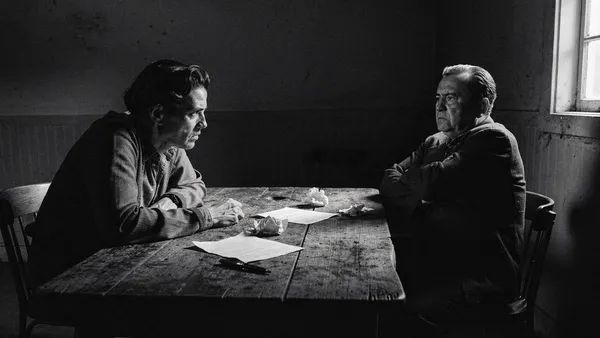 15 min audio
 How Psychological Safety Prevents Conflict From Derailing a Negotiation Before It Starts
Psychological safety shapes every negotiation long before the first offer lands on the table. This article explains the hidden mechanism connecting safety and conflict, why most negotiators miss it, and what you can do to build it before tension takes hold.
Read Article → 13 min audio
 Real-World Examples of Conflict That Derailed Major Business Negotiations
Business negotiations collapse not from bad deals but from unmanaged conflict. This article walks through five realistic scenarios showing exactly how interpersonal tension, unspoken grievances, and positional fights derail negotiations, and what the patterns reveal about protecting your next deal.
Read Article → 15 min audio
 Communication Patterns That Predict Escalation
Most conflicts do not arrive without warning. They follow predictable communication patterns that build before anyone raises their voice. This article explains how escalation works beneath the surface, why people miss the signals, and what you can do to interrupt the pattern before damage is done.
Read Article → 16 min audio
 7 Conflict Reframing Techniques That Shift a Negotiation From Deadlock to Progress
Conflict reframing is the skill that separates negotiators who break deadlocks from those who walk away empty-handed. This article gives you seven practical techniques to shift perspective, restore movement, and reach agreements that neither side thought possible when the conversation stalled.
Read Article → 13 min audio
 How Chronic Conflict Patterns Between Organizations Poison Individual Negotiations
Chronic conflict patterns between organizations create an invisible weight that distorts every individual negotiation before it begins. This article explains the mechanism behind that contamination, what it looks like in practice, and how negotiators can recognize and counter its influence.
Read Article → 15 min audio
 How to Recognize When Your Own Blind Spots Are Causing Conflict in a Negotiation
Blind spots in a negotiation rarely announce themselves. They show up as stubbornness, stalled talks, or a deal that quietly dies. This article helps you identify the internal patterns that create conflict before the damage becomes impossible to repair.
Read Article → 16 min audio
 Internal vs External Conflict in Negotiation: How Both Sides Affect the Outcome
Most negotiators focus on the other side of the table. But internal conflict, the doubt, fear, and competing priorities within yourself, shapes outcomes just as powerfully as external disagreement. This article shows how both types of conflict operate and how to manage each with clarity and confidence.
Read Article → 20 min audio
 How to Respond When Conflict in a Negotiation Triggers Explosive Anger
When conflict in a negotiation triggers explosive anger, most people freeze or fight back. This article gives you word-for-word scripts drawn from Chapter 11 of Say It Right Every Time to help you stay grounded, redirect the conversation, and protect the outcome you came for.
Read Article → 17 min audio
 Why Conflict Is Inevitable in Negotiation
Conflict in negotiation is not a sign of failure. It is a structural feature of every negotiation where real interests are at stake. This article names six specific signs that conflict is being misread or mishandled, and gives you a clear first step for each one.
Read Article → 23 min audio
 How to Write a Conflict-Resolution Email When a Negotiation Dispute Cannot Be Resolved in Person
When a negotiation dispute cannot be resolved face to face, the right email can keep the conversation open and move both parties toward agreement. This article provides word-for-word conflict-resolution email scripts for six common dispute scenarios, with guidance on tone, structure, and what to watch for after sending.
Read Article → 17 min audio
 How to Recognize the Early Warning Signs of Conflict in a Negotiation
Conflict in a negotiation rarely arrives without warning. This article gives you a practical, step-by-step process for reading the early signals before they become full breakdowns, so you can respond with confidence and keep the conversation moving toward agreement.
Read Article → 17 min audio
 How to Document Conflict During a Negotiation to Protect Yourself Later
When a negotiation turns contentious, your memory becomes your worst witness. This article gives you a practical, step-by-step system for documenting conflict during negotiations, so you have a clear, credible record when disputes resurface weeks or months later.
Read Article → 16 min audio
 When Resolving the Conflict Quickly Would Actually Produce a Worse Deal
Resolving conflict too quickly in a negotiation can lock you into a worse outcome than if you had let the tension breathe. This article identifies the warning signs that premature resolution is costing you leverage, and shows you what to do before you settle.
Read Article →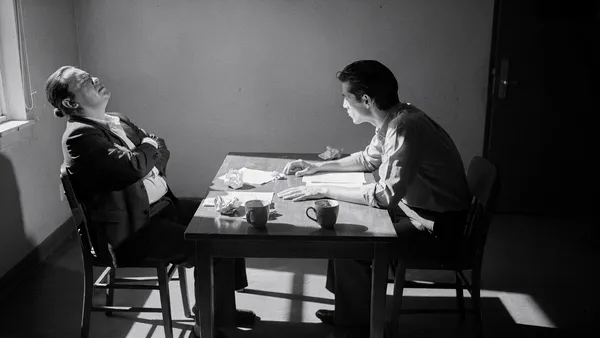 16 min audio
 How to Rebuild Trust After a Conflict Breaks Down a Negotiation
When conflict breaks a negotiation, most people either push harder or walk away. Neither works. This article gives you a clear, step-by-step process for rebuilding trust after a breakdown, so the conversation can begin again on solid ground.
Read Article → 18 min audio
 How to Repair a Negotiation When Conflict Has Already Gone Public in the Media or Online
When negotiation conflict spills into public view, the rules change completely. This article gives you a clear, ordered process for containing the damage, re-establishing trust, and returning both sides to a table where real resolution is still possible.
Read Article →