
In Short
Body language repair is not about performing calm, it is about genuinely grounding your physical presence so the other person feels safe enough to re-engage. During a relationship repair conversation, your posture, eye contact, and gesture do more persuading than your words.
- Open, steady physical presence signals that you are safe to approach, even before you speak.
- Defensive signals, crossed arms, averted eyes, and rigid posture, cancel out even the most carefully prepared words.
- The B.R.I.D.G.E. Method gives you a body language anchor for each stage of the repair conversation.
Body language repair is the intentional use of physical signals, including posture, eye contact, gesture, proximity, and facial expression, to restore psychological safety and rebuild trust during or after a relationship breakdown. It works in concert with spoken words to demonstrate genuine intent.
I have walked into repair conversations with the right words prepared and the wrong body saying something entirely different. My arms were folded before I even sat down. My eyes kept sliding to the door. I thought I was being professional. The other person thought I was being closed off, and they were right. The words I had rehearsed meant nothing because my body had already delivered a different message.
This is where the B.R.I.D.G.E. Method earns its place. In Say It Right Every Time, I introduce the B.R.I.D.G.E. Method in Chapter 9 as a six-step relationship repair framework, designed to rebuild trust after conflict has created a genuine breakdown. Most readers focus on what to say at each stage. What they miss is that every step of the method also requires a specific physical stance. Body language repair, the deliberate management of your physical presence, is not a soft add-on to the B.R.I.D.G.E. process. It is what makes the process credible.
This article teaches you exactly how to hold yourself at each stage, so your body and your words are telling the same story.
Why Your Body Tells the Story Before You Open Your Mouth
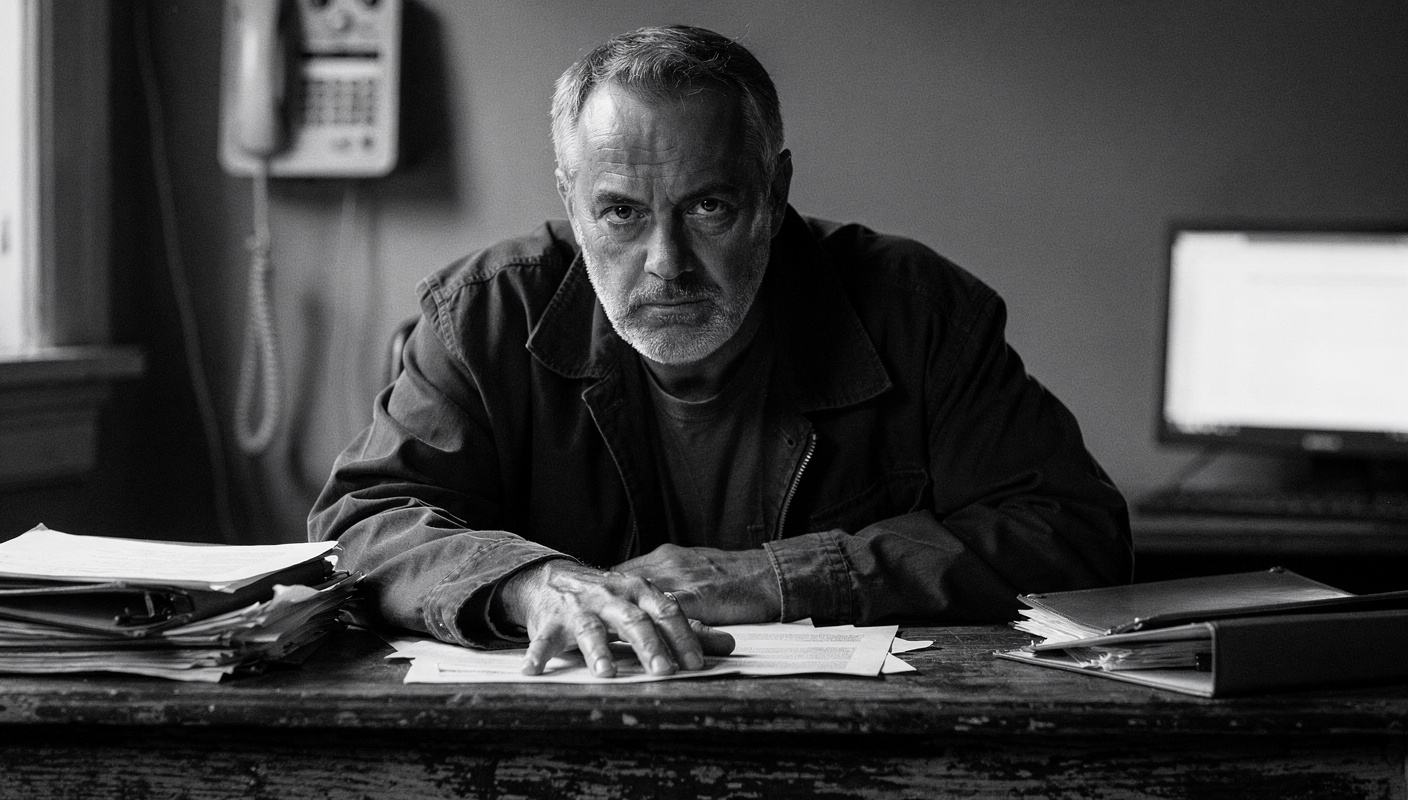
Relationship repair conversations carry a particular kind of weight. The other person has been hurt, or wronged, or left without answers. They are watching you before you say a single word. They are reading your shoulders, your jaw, the angle of your chin, and whether your hands are open or hidden.
You may have prepared the most respectful, clear, well-structured repair conversation imaginable. But if you walk in with your arms crossed, your eyes fixed somewhere above their head, and your body angled slightly toward the exit, you have already failed the first test. They have already decided whether you are genuinely here or just going through the motions.
I have seen this play out dozens of times. A manager who genuinely wanted to repair a fractured team dynamic arrived at the meeting with her jaw tight and her shoulders up around her ears. Her words were good. Her body was broadcasting a completely different signal: threat, not invitation. The conversation went badly, and she could not understand why. For help with managing nonverbal signals in high-tension environments, read the linked piece, it will give you important context before you apply what follows here.
The truth of it is this: in a repair conversation, your physical presence is your opening argument. Everything else builds on that foundation.
"The Conversation You're Avoiding Is the One You Need to Have."
"The Conversation You're Avoiding
Is the One You Need to Have."
Stop rehearsing conversations you'll never have. Say It Right Every Time gives you 115 word-for-word scripts and 16 proven frameworks to speak with confidence in every conversation that matters.
The B.R.I.D.G.E. Method: Body Language at Every Stage
As I outline in Chapter 9 of Say It Right Every Time, the B.R.I.D.G.E. Method is a six-step relationship repair framework. Each letter represents a stage: Begin with an Apology, Reaffirm the Relationship, Identify the Breakdown, Discuss New Expectations, Gain Agreement, and Establish a Follow-up. The method gives your conversation a spine. What follows gives each stage its physical form.
Framework 1: B. Begin with an Apology
What it is: The opening move. You acknowledge what went wrong and take responsibility without qualifications or deflection.
Body language purpose: To signal sincerity. A genuine apology delivered with closed, defensive posture reads as hollow. The physical stance must match the verbal message.
How it works:
- Before you speak, plant both feet flat on the floor. Feel the ground beneath you. This is not a metaphor; it is a physical anchor that steadies your voice and slows your breath.
- Keep your hands visible and open, resting in your lap or lightly on the table. Hidden hands suggest concealment.
- Lean slightly forward, roughly 10 to 15 degrees. This says: I am present and engaged, not retreating.
- Hold direct, soft eye contact. Not a stare, not a glance away. Steady, warm, and still.
- Slow your speech. A rushed apology signals discomfort, not sincerity.
When to use it: At the very opening of the repair conversation, before any explanation or context.
When not to: Do not attempt this stage standing up or while moving. Sit, settle, and then begin.
Example: James had missed a critical deadline that embarrassed his colleague in front of a client. He sat down, placed his hands flat on the table, looked his colleague in the eye, and said simply: "I owe you a genuine apology. What happened was not acceptable, and I am sorry." No crossed arms. No sideways lean. His body matched his words, and his colleague exhaled.
Eamon's note: The apology is the hardest part to get right physically because anxiety creates tension in the body. Practice the seated, grounded posture before you enter the room.
Framework 2: R. Reaffirm the Relationship
What it is: You name the relationship itself as something worth repairing. You are not here just to tick a box; you are here because you value this person.
Body language purpose: To signal connection and warmth without crowding the other person.
How it works:
- Soften your facial expression. Release the jaw. Let your brow smooth. You are not solving a problem here; you are reaching toward a person.
- Maintain your forward lean at the same gentle angle. Do not pull back, which would signal emotional withdrawal.
- If culturally appropriate, allow a brief, natural nod as you speak. It signals agreement with your own words and warmth toward theirs.
- Keep your voice low and even. In this stage, vocal quality matters as much as the words.
- Match the other person's energy level; not their tension, but their pace. Mirror their rhythm gently.
When to use it: Immediately after the apology, before moving into the specifics of what went wrong.
When not to: Do not use forced smiling here. A strained smile reads as insincere. A neutral, open expression with genuine eye contact is far more powerful.
Example: After her apology, Sarah looked at her team member and said: "I want you to know I value what we have built here. That matters to me." Her expression was open, not performing happiness. Her team member, who had been rigid with tension, shifted slightly in his seat and uncrossed his arms.
Eamon's note: Watch for the moment the other person's body begins to soften. It usually happens here, if your physical presence earns it.
Framework 3: I. Identify the Breakdown
What it is: You name clearly, and without blame, what actually went wrong. This is where the real issue beneath the surface argument gets acknowledged.
Body language purpose: To hold open and neutral presence while discussing painful material. This is where people most often retreat into defensive posture.
How it works:
- Resist the pull to lean back as the conversation gets harder. Stay forward and grounded.
- Keep your hands still. Fidgeting with a pen, phone, or clothing signals anxiety and distraction.
- Breathe visibly. A slow exhale before you speak communicates calm, not weakness.
- When the other person is speaking, face them fully. Do not angle your body away, even slightly.
- Use a gentle, open-palm gesture when you name the issue. It visually signals that you are not throwing blame.
When to use it: Once the emotional temperature has settled slightly, after Reaffirming the Relationship.
When not to: If the other person is still highly activated, breathing fast or voice raised, pause before entering this stage. Entering it too early results in the identification of the breakdown becoming another argument.
Example: Mark used an open hand, palm up, as he said: "The breakdown happened when I changed the scope without telling you. That left you exposed, and that was my failure." His body stayed still and open. He did not look down, did not break eye contact, and did not rush the words.
Eamon's note: Staying physically open while naming uncomfortable truths is one of the hardest body language skills to develop. Practice it before the conversation, not during it. The C.O.R.E. Framework is an excellent companion tool for staying grounded through this exact moment.
Framework 4: D. Discuss New Expectations
What it is: You co-create the new rules of engagement. What will be different going forward?
Body language purpose: To signal collaboration, not dictation. The physical stance shifts here from repair to building.
How it works:
- Open your posture fully. Both feet on the floor, shoulders down and back, chest open without being puffed out.
- Use genuine questioning gestures: a slight tilt of the head, an open-palm gesture toward the other person as you ask for their input.
- When the other person speaks, lean in and nod slowly. This is active listening made visible.
- Do not take notes aggressively. Writing while someone speaks can feel dismissive. Brief, visible note-taking that pauses to maintain eye contact works far better.
- Match your facial expression to their words, particularly when they name something that matters to them.
When to use it: After the breakdown has been acknowledged and both people have had space to respond.
When not to: Do not rush toward this stage. If the previous stage is not fully resolved, the expectation discussion will feel premature and the other person will not trust the outcome.
Example: During a repair conversation between two project leads, one asked: "What would make this feel different to you going forward?" She tilted her head, placed her pen down, and looked directly at the other person. The physical signal said: I am genuinely asking. The other person opened up immediately.
Eamon's note: This is where the conversation shifts from repair to rebuilding. Your body language must shift with it. Sitting back slightly and opening the space between you is a signal that you are making room for their ideas.
Framework 5: G. Gain Agreement
What it is: You reach a concrete commitment together. A verbal agreement is not enough; it must be specific and mutual.
Body language purpose: To mark the commitment physically so it feels real and binding, not vague.
How it works:
- Sit up slightly as you reach this stage. The posture shift signals that something important is being sealed.
- Maintain direct eye contact as the agreement is stated aloud.
- A slow, deliberate nod as each point is confirmed tells the other person their commitment has been heard and witnessed.
- If appropriate, a brief handshake at the end of this stage gives the agreement a physical anchor. Keep it firm but brief.
- Do not look relieved in a way that signals the conversation is now over. Stay fully present.
When to use it: Once both parties have named their commitments clearly and specifically.
When not to: Do not rush to this stage to escape the discomfort of the earlier ones. A premature agreement, reached before the breakdown is genuinely identified, will not hold.
Example: When two colleagues agreed on a new communication protocol, they both sat forward, made eye contact, and one said: "So we are agreed: any scope change gets communicated before it goes to the client." The other nodded slowly, held the eye contact, and said: "Agreed." The physical confirmation made it real.
Eamon's note: I have watched too many agreements dissolve because they were made with a glance at the floor and a mumbled "sure." The body makes the commitment stick.
Framework 6: E. Establish a Follow-up
What it is: You name a specific time and method for checking in on the agreement. This transforms the conversation from a single event into a process.
Body language purpose: To close the conversation with warmth and forward momentum, not relief or exhaustion.
How it works:
- Let your expression soften as you close. A genuine, brief smile here communicates that the repair was real and the relationship has moved.
- Keep your body language open as you stand. Do not immediately turn away or gather your things while still speaking.
- Maintain eye contact through the final words. Breaking eye contact first is a small signal that can undercut everything that came before.
- A measured, unhurried departure signals that you are not escaping the conversation but concluding it with respect.
- Allow silence for a moment before rising. It honours what just happened.
When to use it: As the natural close of the repair conversation, with a specific date or format for follow-up already named.
When not to: Do not make this stage feel perfunctory. Rushing the close undoes the trust built in the earlier stages.
Example: At the end of a difficult repair conversation, a manager said: "Let us check in next Thursday, informally, just to make sure we are on track." She said it while still sitting, in full eye contact, before either of them moved. The other person nodded and said: "I would appreciate that." They both stood slowly. The follow-up felt like a commitment, not a formality.
Eamon's note: How you leave a repair conversation matters as much as how you enter it. The last physical impression is the one that carries forward.
Choosing Your Physical Stance: A Quick Reference Guide
Not every repair conversation requires the same intensity. Here is a practical guide for matching your physical approach to the situation.
| Situation | Primary body language need | Key signal to watch for |
|---|---|---|
| Fresh conflict, both parties still activated | Grounding and stillness first | Other person's breathing and shoulder tension |
| One-sided breakdown, you caused it | Open posture, sustained eye contact | Other person's arms uncrossing |
| Mutual misunderstanding | Collaborative positioning, equal lean | Both parties leaning in together |
| Repeated breakdown, trust deeply eroded | Slow, patient, minimal gesture | Small signs of physical softening over time |
| Formal, witnessed repair conversation | Upright, deliberate, measured | Eye contact held through the agreement stage |
The Empathy Bridge Technique can help you prepare your physical and emotional state before a repair conversation even begins. It is worth reading alongside this framework.
The principle is this: choose the physical signals that match the emotional climate, not the ones that signal where you want the conversation to end up. Let the body language repair happen stage by stage, not all at once.
Where Physical Presence Goes Wrong in Repair Conversations
Three patterns undermine body language repair more reliably than any other.
The mistake: Performing openness without feeling it. Arms uncrossed, eye contact held, but jaw clenched and posture rigid through the torso.
Why it happens: People unlearn the most obvious closed signals but leave the subtler ones untouched.
What to do instead: Start with the breath. A slow, full exhale releases the torso before you adjust anything else.
The mistake: Breaking eye contact precisely when the other person names their hurt.
Why it happens: Looking away is a natural response to discomfort. The problem is that it looks like avoidance to the person speaking.
What to do instead: Practice holding soft, steady eye contact through hard sentences. It is a skill, and it can be trained. Controlling defensive reactions is directly relevant here.
The mistake: Rushing the physical close, gathering things, reaching for a phone, glancing at a clock before the conversation is fully finished.
Why it happens: Relief that the hard part is over.
What to do instead: Stay physically present for the full close of the conversation. The last impression matters enormously in a repair context.
For more on stopping escalation in the moment before it takes hold, the 3-Second Pause is one of the most useful tools I know.
Building the Physical Fluency to Use This in Real Time
You cannot read this article and then walk into a repair conversation expecting your body to cooperate. The body needs repetition before it responds reliably under pressure.
In Chapter 12 of Say It Right Every Time, I describe the 60-day transformation plan: a progression from low-stakes practice to high-stakes application. The body language elements of the B.R.I.D.G.E. Method follow the same logic. You practice the physical stances first in safe conversations, where nothing is at risk, so that the posture and eye contact become natural before you need them in a repair conversation.
Start with this: in your next three ordinary conversations, practise grounded seated posture. Feet flat, hands visible, body angled fully toward the other person. Notice how quickly it becomes natural. Then practise holding eye contact through the moment when you are most tempted to look away. Build from there.
The goal is muscle memory. When you walk into a repair conversation, your body should already know what to do. That is what separates someone who has practised body language repair from someone who has only read about it.
For additional structure on using the B.R.I.D.G.E. Method in full, including the verbal components at each stage, the complete breakdown of how the B.R.I.D.G.E. Method rebuilds working relationships will take you deeper into the process.
When to Use the B.R.I.D.G.E. Body Language System vs. Lighter Approaches
Not every tense conversation needs the full B.R.I.D.G.E. framework applied with deliberate precision. Lighter nonverbal tools work well for routine tension, minor misunderstandings, or in-meeting friction. For guidance on those situations, handling conflict during meetings covers what you need.
The B.R.I.D.G.E. body language system is specifically for conversations where a relationship has genuinely fractured and the repair needs to be felt, not just heard. If both parties are still hurt, still guarded, and still unsure whether the other person is truly present, this is the framework to reach for.
This much I know for certain: a repaired relationship is often stronger than one that was never tested. But it only gets there if the repair is real, and your body is the first place the other person looks to find out whether it is.
Frequently Asked Questions (FAQ)
What is body language repair?
Body language repair is the deliberate use of physical signals, including posture, eye contact, gesture, and proximity, to rebuild trust and safety during or after a relationship breakdown. It works alongside words to demonstrate genuine intent and reduce defensiveness in the other person.
How does body language affect relationship repair conversations?
Body language communicates more than your words during repair conversations. Crossed arms, averted eyes, or a rigid posture signals closure and defensiveness, even when your words say otherwise. Open, grounded physical presence tells the other person it is safe to re-engage.
What body language should you use during a difficult conversation at work?
Keep your posture open and upright, maintain steady but natural eye contact, avoid crossing your arms or legs, and position yourself at roughly the same level as the other person. Slow your breathing and let your hands rest visibly in front of you to signal calm and openness.
Can body language rebuild trust after a workplace conflict?
Yes. Consistent, open body language over multiple interactions is one of the most powerful tools for rebuilding trust after conflict. People read your physical signals before they process your words, so congruent, calm nonverbal cues accelerate the repair process significantly.
How do I stop defensive body language in tense conversations?
Notice the first signs: tightening shoulders, crossed arms, jaw tension, or eyes dropping away. Pause deliberately, plant both feet on the floor, relax your hands, and bring your gaze back to the other person. The physical reset changes your internal state as much as theirs.
When should I use the B.R.I.D.G.E. Method for body language?
Use the B.R.I.D.G.E. Method when a working relationship has broken down and you are entering a formal or intentional repair conversation. It is most effective after significant tension or conflict, not as a tool for routine difficult conversations where lighter frameworks apply.