
In Short
Body language collaboration is the physical dimension of creative teamwork. Your posture, gaze, and gestures either open the room or close it before anyone finishes a sentence.
- Open ideation has recognisable physical markers: forward lean, palm-up gestures, and eye contact that travels.
- Closed signals from even one person can silence the whole group.
- You can learn to read and shape the physical atmosphere of a brainstorm.
Body language collaboration is the use of physical signals, including posture, gesture, eye contact, and facial expression, to communicate openness, receptivity, and creative engagement during group work. These cues shape participation and idea flow more powerfully than any agenda or ground rule.
Picture a brainstorming session. Six people in a room, markers on the whiteboard, coffee going cold. One person is talking, their voice gaining confidence. Then the senior person in the corner shifts back in their chair, folds their arms, and looks at the wall. They have not said a word. But the speaker trails off. Someone cracks a joke to break the silence. The idea disappears. That is body language collaboration at work, and it happens in every team, every week, in ways nobody names out loud.
Body language is the physical layer of group communication. In creative collaboration, it determines who speaks, which ideas get air, and whether the room genuinely opens up or just performs openness. Understanding what that looks like physically, in real time, in the bodies of real people, is one of the most practical skills you can build. It connects directly to what psychological safety actually is and how it drives team performance, because safety is not just a feeling. It is also a set of physical signals that either confirm or contradict it.
What Creative Openness Actually Looks Like in a Room
You can feel when a brainstorm is alive. But if I ask you to describe it physically, most people go quiet. Here is what I have noticed over decades of watching teams think together.
The first signal is the lean. When someone genuinely considers an idea, their upper body moves forward. It is a small movement, maybe two or three inches, but it is consistent and unmistakable. The body follows the mind toward something interesting. You will see it ripple around a group when an idea lands well, one person leans in, then another, then a third, until the whole table has shifted its centre of gravity.
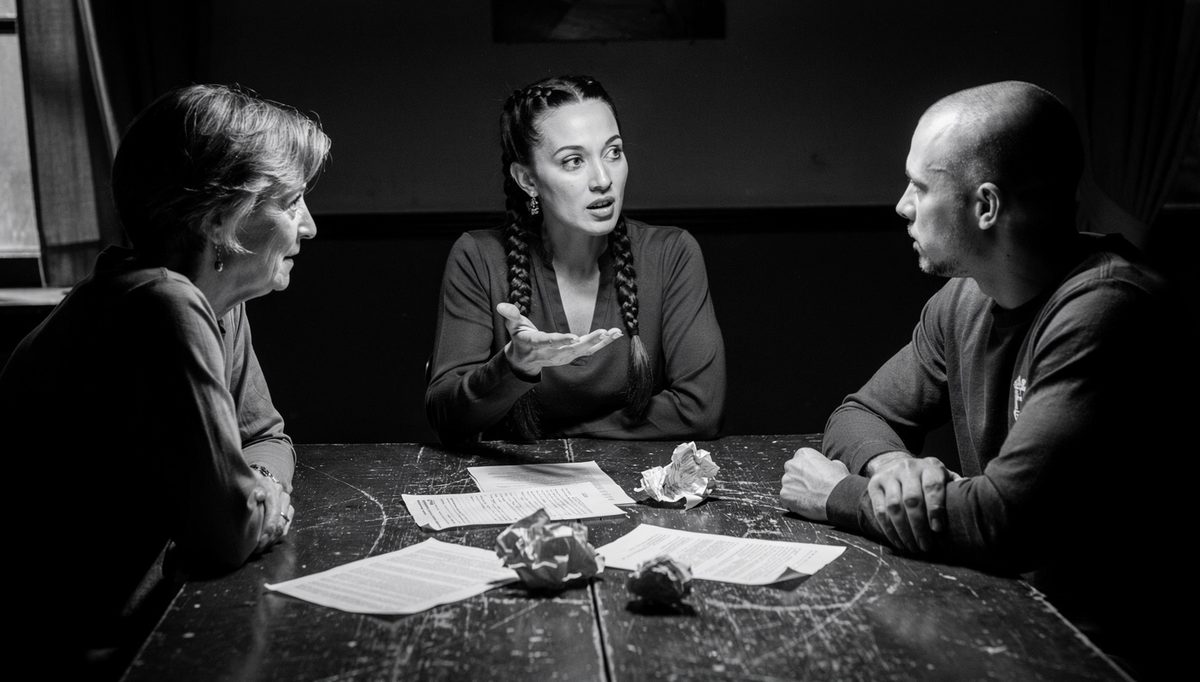
The second is the gesture. In open ideation, people use palm-up or outward-facing hand movements. These gestures invite rather than declare. A palm-down movement says "this is fixed." A palm-up movement says "here is something, take it, add to it." Watch the hands in a brainstorm and you can read the psychological temperature of the room without hearing a single word.
The third is where the eyes go. In a group that is genuinely creating together, eye contact is not fixed on the leader. It travels. Someone makes a point and looks at their neighbour to see how it lands. Another person checks the faces across the table before adding to it. The gaze is mobile and curious, not performed or avoidant. This matters enormously for how every participant gets heard, because it is often eye contact from a peer, not an invitation from the facilitator, that emboldens a quieter voice to contribute.
"The Conversation You're Avoiding Is the One You Need to Have."
"The Conversation You're Avoiding
Is the One You Need to Have."
Stop rehearsing conversations you'll never have. Say It Right Every Time gives you 115 word-for-word scripts and 16 proven frameworks to speak with confidence in every conversation that matters.
The Physical Signals That Kill Creative Energy
A closed brainstorm is just as physically readable as an open one. And the cost of missing these signals is high. Ideas go unspoken. People learn to wait for permission that never comes. The meeting ends and everyone knows, without being able to say why, that nothing real happened.
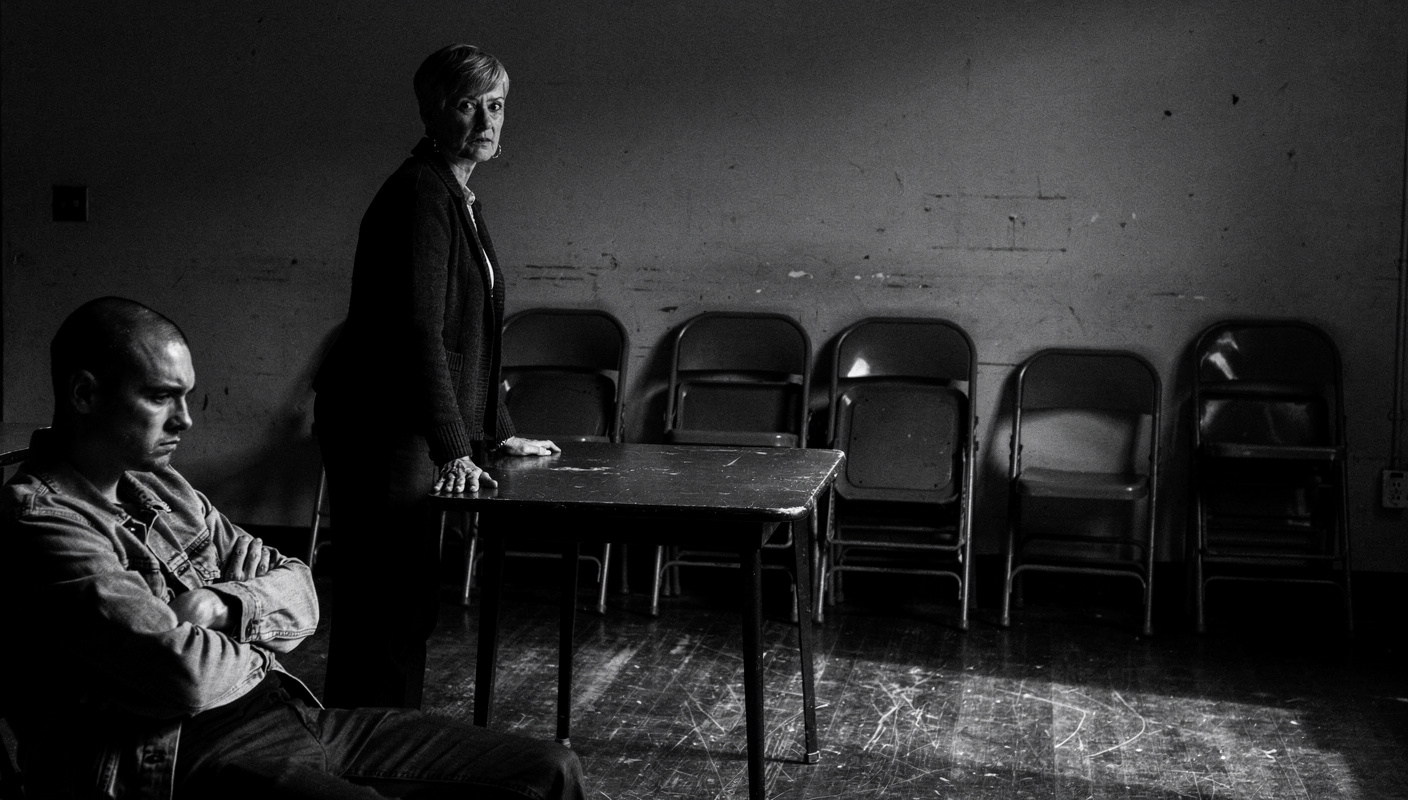
The most damaging signal is early evaluation posture. This is when someone sits back, tilts their chin up slightly, and narrows their eyes while another person is still mid-sentence. It is the posture of a judge, not a collaborator. It communicates assessment before the idea is complete. The person speaking registers it immediately, even if they cannot name what they saw. They finish faster, hedge more, and offer less.
Mirroring matters too, but in reverse. When ideas are flowing, you will see unconscious physical synchrony in a group: similar postures, similar timing of nods, a shared rhythm. When that synchrony breaks, when bodies begin orienting away from each other, angling toward the exit, or toward their phones, the collaborative energy has already gone. The room just has not noticed yet.
Then there is the power of stillness in the wrong person at the wrong time. In any group, there is someone whose physical response the others watch without knowing they are doing it. Often it is the most senior person in the room. If that person is still and unreadable while ideas are being offered, the group reads it as neutrality at best, disapproval at worst. How to deal with dominant voices is partly a body language challenge: the dominant voice does not always come from volume. Sometimes it comes from physical stillness used as authority.
Three Moments Where Body Language Decides Everything
The moment the first idea is offered. Someone takes the risk of speaking first in an open ideation session. In that first five seconds after they finish, the group looks to see what happens. If the facilitator nods and leans in, others feel safe to follow. If the facilitator is already looking elsewhere, the message is that contributions are noted, not valued. One response, one lean, one moment of physical attention, decides whether the next ten minutes will be a genuine exchange or a performance.
The moment a strange idea lands. Every real brainstorm produces at least one idea that sounds odd out loud. The physical response in the room to that moment is everything. A smile that does not reach the eyes, a glance exchanged between two people across the table, a subtle shift away from the speaker: these are signals that the container is not safe for strange ideas. And without strange ideas, creative collaboration is just an organised to-do list. This connects directly to what team synergy genuinely requires, because synergy is built in these small moments of physical generosity, not in mission statements.
The moment someone goes quiet. Watch what happens in a brainstorm when someone who has been contributing suddenly stops. The quieting is a physical event. They sit back a fraction. Their face settles into neutral. They stop making eye contact with the speaker. If nobody in the room notices and responds, that person has left the collaboration, even though they are still in their chair. A facilitator who moves physically toward that person, catches their eye, and holds a half-second of open, unhurried attention, can bring them back before the moment closes.
Three Things People Get Wrong About Body Language in Brainstorms
Reading body language in a collaborative setting is a skill. It takes time and it takes honesty about what you are actually seeing versus what you expect to see. Here are the mistakes I see most often.
The mistake: Treating a single gesture as a verdict. What actually happens: One crossed arm does not mean a person is closed. It might mean they are cold, or they are a habitual arm-crosser, or they are physically tired. Body language gives you information only in clusters. A crossed arm combined with a backward lean, avoidant gaze, and a tightened jaw: that cluster tells you something. One signal alone tells you almost nothing.
The mistake: Assuming the quietest body in the room is the least engaged. What actually happens: Some people become very still when they are deeply processing an idea. Their stillness is concentration, not disengagement. The tell is in the face: are their eyes alive and focused, or blank and elsewhere? The quality of attention in the eyes is a more reliable signal than movement or stillness in the body.
The mistake: Believing that open body language is always natural and cannot be consciously shaped. What actually happens: You can choose your posture. You can choose where your eyes go. You can choose whether your face shows curiosity or judgement when someone offers a half-formed idea. These choices are not false. They are the craft of collaboration, the same way a musician chooses to listen before they play. Deciding to hold open posture in a tense ideation session is not performance; it is discipline. It is how you build genuine synergy in multidisciplinary teams over time, one honest physical choice at a time.
Reading the Room Before It Goes Wrong
There is a moment in most brainstorms where the energy tips. Ideas were coming, and then they were not. The conversation thinned. People started checking their phones. If you can learn to read that moment before it solidifies, you can often turn it. How to run meetings that don't waste time is partly about this: catching the physical signals of diminishing return and responding before the group loses confidence.
Watch for the group's centre of gravity. In a productive session, people face inward toward each other. When energy drops, bodies begin orienting outward, toward the door, toward their screens, toward the wall. That physical reorientation is your warning. It precedes the verbal signals by several minutes.
Watch for the face of the person who last spoke. If their expression after finishing is relief rather than curiosity, if they look like someone who has survived rather than contributed, the room is not as safe as it needs to be. Body language in tense collaborative moments carries particular weight; you will find more on managing that directly in nonverbal communication in tense situations.
What You Can Do Differently Starting Now
Body language collaboration is not a concept you observe in others. It is a practice you develop in yourself first.
The most useful thing I can tell you is this: start with your face before you try to manage your posture. The face is where your real response to an idea lands first, and it is the first thing every other person in the room reads. Before the next ideation session you run or attend, make one decision: keep your expression curious rather than evaluative while ideas are being offered. Not a performance of enthusiasm. Simply curiosity, held in the face, for the duration of the contribution. That single habit, practised consistently, will change the physical quality of the room around you.
The second practice is the deliberate lean. When someone is building a fragile idea out loud, move toward it slightly. Let your body communicate that you are with them. This is not agreement. It is attention, and attention is the foundation of body language collaboration done well.
This much I know for certain: the teams that create best are not always the ones with the most brilliant individuals. They are the ones whose bodies say, before a word is spoken, that there is room here for what you have not said yet.
Frequently Asked Questions (FAQ)
What is body language collaboration?
Body language collaboration refers to the physical signals people send during group work that either open up or shut down shared thinking. Posture, eye contact, gestures, and facial expressions all communicate whether someone is genuinely receptive to others' ideas before they say a word.
How does body language affect creative brainstorming?
Body language shapes who feels safe to speak in a brainstorm. Closed postures, absent eye contact, and dismissive micro-expressions tell contributors their ideas are unwelcome. Open posture, forward lean, and attentive gaze signal that ideas will be received, which directly increases the range and quality of contributions.
What does open body language look like in a team setting?
Open body language in a team setting includes uncrossed arms, a slight forward lean toward whoever is speaking, relaxed facial expressions, and eye contact that moves naturally around the group. Gestures tend to be palm-up or outward facing, signalling receptivity rather than control or dismissal.
Can body language shut down a brainstorm?
Yes. A single person leaning back, folding their arms, or breaking eye contact at the wrong moment can signal to the room that an idea has been rejected. Other participants read these cues and self-censor, often without realising why the energy in the room has dropped.
How can a facilitator use body language to encourage participation?
A facilitator can encourage participation by positioning at the edge of the group rather than the head, leaning physically toward quieter voices when they speak, and keeping their own face open and unhurried. Moving toward someone physically signals that their contribution has weight.
Why do people misread body language in collaborative settings?
People misread body language in collaborative settings because they focus on one signal in isolation. A crossed arm might mean defensiveness, or it might mean someone is cold. Context, baseline behaviour, and clusters of signals together give an accurate read, not any single gesture alone.