

Body Language
How posture, gesture, and movement shape what others understand before a word is spoken.
Body language covers the physical signals people send and read constantly: posture, gesture, eye contact, proximity, and the small movements that leak emotion or intent. These cues often contradict spoken words, and that gap is where real meaning lives.<br><br>Learning to read and manage body language gives you a concrete edge in conversations, interviews, and conflict. It starts with observation, then intention.
 21 min audio
 How to Use the C.O.R.E. Framework to Align Body Language With Your Message
Body language often contradicts what we say in high-stakes moments. The C.O.R.E. Framework gives you a four-part structure to align your posture, gestures, eye contact, and physical presence with your message before pressure strips your good intentions away.
Read Article → 14 min audio
 How Pet Owners and Animal Trainers Apply Body Language Principles
Pet owners and animal trainers rely on body language every day, not as a theory but as a survival skill. This article examines five real scenarios that show how posture, movement, and stillness communicate trust, threat, and connection across species and workplaces alike.
Read Article → 15 min audio
 How Chronic Pain or Disability Shapes Body Language Interpretation
Chronic pain and disability alter posture, eye contact, facial expression, and movement in ways that look like disengagement, hostility, or deception. This article helps you recognise when standard body language rules fail, and what to do instead.
Read Article → 15 min audio
 How Preparation Replaces Nervous Body Language: The Case for Scripted Conversation Practice
Nervous body language is not a character flaw or a confidence problem. It is a preparation problem. This article explains the mechanism connecting physical signals to mental readiness, and shows why scripted conversation practice is the most direct path to grounded, credible presence.
Read Article → 15 min audio
 Nonverbal Alignment: How Mirroring Builds Rapport
Mirroring is the body language practice of subtly reflecting another person's posture, gestures, and pace to build genuine rapport. This article explains what mirroring is, why it works, how to practise it step by step, and the mistakes that make it backfire.
Read Article →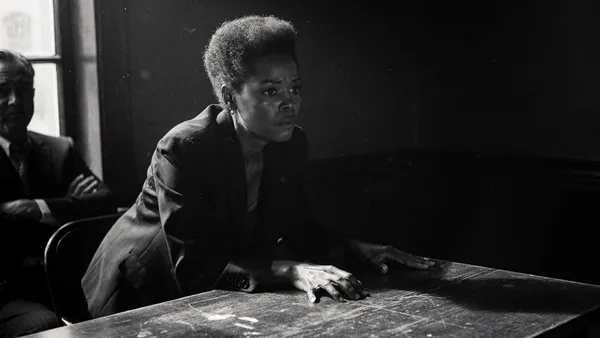 17 min audio
 The Emotional Labeling Trap: How Body Language Gets Misread as Irrational Rather Than Assertive
Body language that signals confidence and conviction is routinely misread as emotional or aggressive, especially for women. This article examines the Emotional Labeling trap, why it happens at the level of posture and gesture, and how Strategic Positioning can protect your physical authority.
Read Article → 14 min audio
 The Body Language of Creative Collaboration: What Open Ideation Looks Like Physically
Body language in creative collaboration shapes who contributes, which ideas survive, and whether a team genuinely thinks together. This article explains what open ideation looks like physically, what signals shut it down, and how to read the room with accuracy.
Read Article →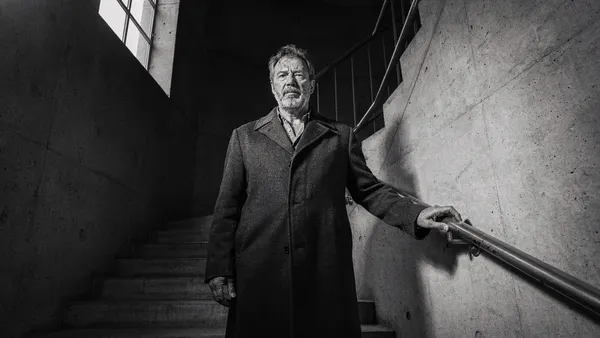 14 min audio
 The Relationship Between Power Poses and Emotional States
Power poses and emotional states are more connected than most people realise. The position you hold your body in sends signals to your nervous system, not just to the room around you. This article explains the mechanism behind that connection and how to apply it under pressure.
Read Article → 13 min audio
 How Clothing and Physical Presentation Amplify or Contradict Body Language
Your clothing and physical presentation do not just set a first impression. They shape how your body language is read, believed, or dismissed. This article explains the hidden mechanism behind that tension and what to do about it.
Read Article → 16 min audio
 How Body Language Changes During Conflict and How to De-escalate With It
During conflict, body language shifts in predictable ways: posture closes, gestures sharpen, and eye contact turns combative. This article explains those shifts and gives you a clear, step-by-step process for using your own physical signals to de-escalate tension before words make it worse.
Read Article → 13 min audio
 Reading Body Language in Job Interviews From Both Sides of the Table
Job interviews are studied in body language. Every posture shift, held gaze, and folded arm carries information that words alone cannot. This article walks through five real scenarios, from both sides of the table, showing what physical signals reveal and what they cost when ignored.
Read Article →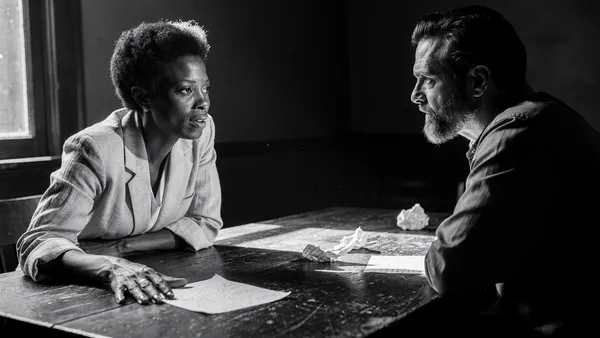 13 min audio
 The Body Language of Enthusiasm: Amplifying Energy Without Overdoing It
Enthusiastic body language is one of the most powerful tools in professional communication, but it has a narrow window. Too little and people tune out. Too much and they pull back. This article explains how to read that window and stay inside it.
Read Article → 12 min audio
 How Athletes Use Body Language to Intimidate or Inspire Opponents
Athletes communicate volumes before a single word is spoken. This article examines five realistic scenarios showing how body language signals dominance, confidence, or vulnerability, and what those same physical signals mean when you carry them into a workplace, a negotiation, or a difficult conversation.
Read Article →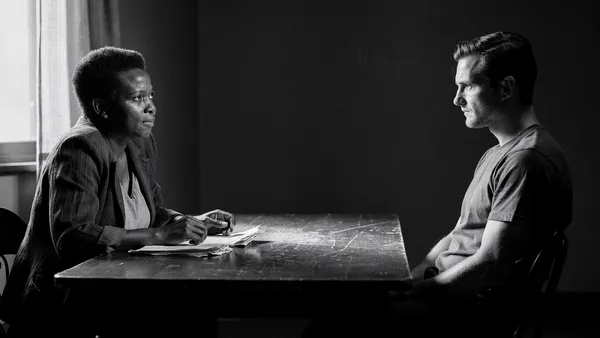 18 min audio
 Cultural Differences in Interpreting Body Language Signals
Body language signals do not mean the same thing everywhere. This article contrasts universal gestures with culturally specific ones, explains why misreading either causes real harm, and gives you a practical framework for reading physical cues across cultural contexts with more confidence and fewer costly mistakes.
Read Article →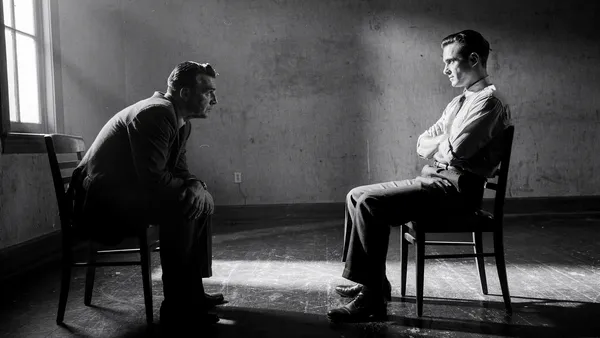 21 min audio
 Adapting Body Language When Communicating Across Neurodiversity
Adapting body language across neurodiversity requires more than good intentions. This article gives you five practical frameworks for reading and adjusting your physical signals when communicating with neurodivergent colleagues, so every interaction builds trust rather than confusion.
Read Article →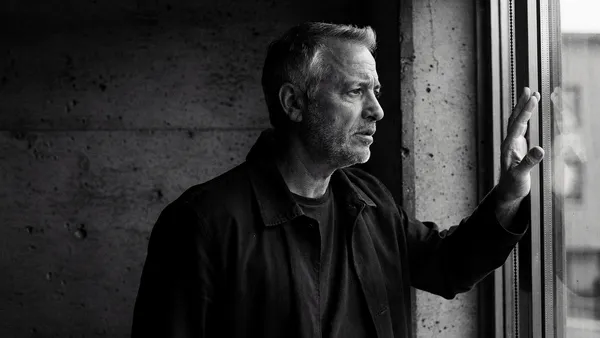 15 min audio
 How the Confidence-Competence Loop Changes Your Physical Presence Over Time
The confidence-competence loop does not just shape how you think and speak. It reshapes your physical presence, your posture, your stillness, and your movement, until your body communicates confidence without conscious effort. This article explains the mechanism behind that transformation.
Read Article → 13 min audio
 The Body Language of Asking for Help Without Appearing Weak
Asking for help is one of the hardest things to do without looking unsure of yourself. This article explains how body language shapes the way your request lands, and what confident, grounded physical presence actually looks like when you need support.
Read Article → 11 min audio
 The Subtle Cues That Build or Break Trust Instantly
Body language shapes trust faster than any spoken word. This article walks through five realistic workplace scenarios showing exactly how posture, eye contact, and gesture either build connection or destroy it, with clear observations you can apply immediately.
Read Article →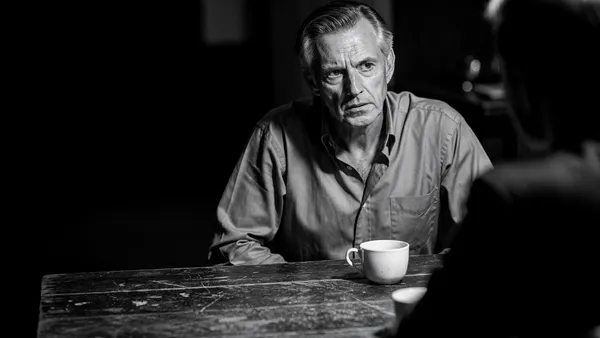 17 min audio
 How to Observe Baseline Behavior to Detect Emotional Change
Detecting emotional change starts with knowing what normal looks like for each person. This article gives you a clear, step-by-step method for observing baseline body language and spotting meaningful shifts before they become serious problems in any conversation.
Read Article → 17 min audio
 The Three-Step Mistake Recovery Process for Nonverbal Missteps
When your body language sends the wrong signal, most people freeze or overcompensate and make it worse. This article teaches the three-step mistake recovery process from Say It Right Every Time: Acknowledge, Correct, and Move On, so you can recover nonverbal missteps with confidence.
Read Article →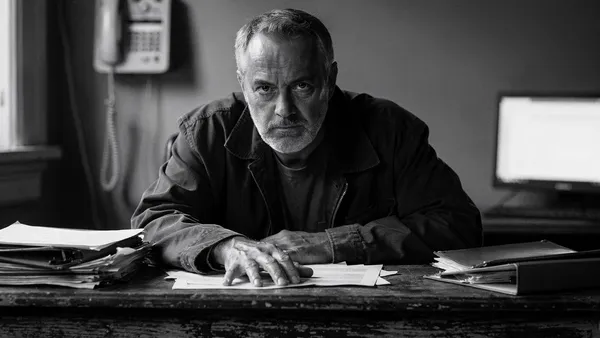 14 min audio
 How Choosing the Right Communication Medium Affects the Body Language You Can and Cannot Use
The communication medium you choose does more than determine convenience. It decides which body language signals you can send, which get stripped away, and how much meaning survives the journey. Understanding this shapes every important conversation you have.
Read Article → 15 min audio
 Body Language in Hybrid Meetings: Managing Presence for Both In-Room and Remote Participants
Body language in hybrid meetings operates across two environments simultaneously, and most people only manage one. This article explains the mechanics of physical presence across split-screen reality, why signals break down, and how to project genuine authority and inclusion whether you are in the room or remote.
Read Article → 22 min audio
 How the Scripts-to-Principles Progression Applies to Physical Communication Habits
The Scripts-to-Principles Progression applies to physical communication just as powerfully as spoken words. This article explains five structured frameworks that take you from rehearsed body language habits to instinctive, principle-driven physical presence in any workplace conversation.
Read Article → 17 min audio
 Delegation Body Language: How Posture and Gesture Reinforce or Undermine Your Authority When Assigning Work
When you delegate, your posture and gestures either back your words or betray them. This guide walks you through a practical body language system for assigning work with authority, covering common physical signals that erode trust and a step-by-step process for projecting confident command.
Read Article →