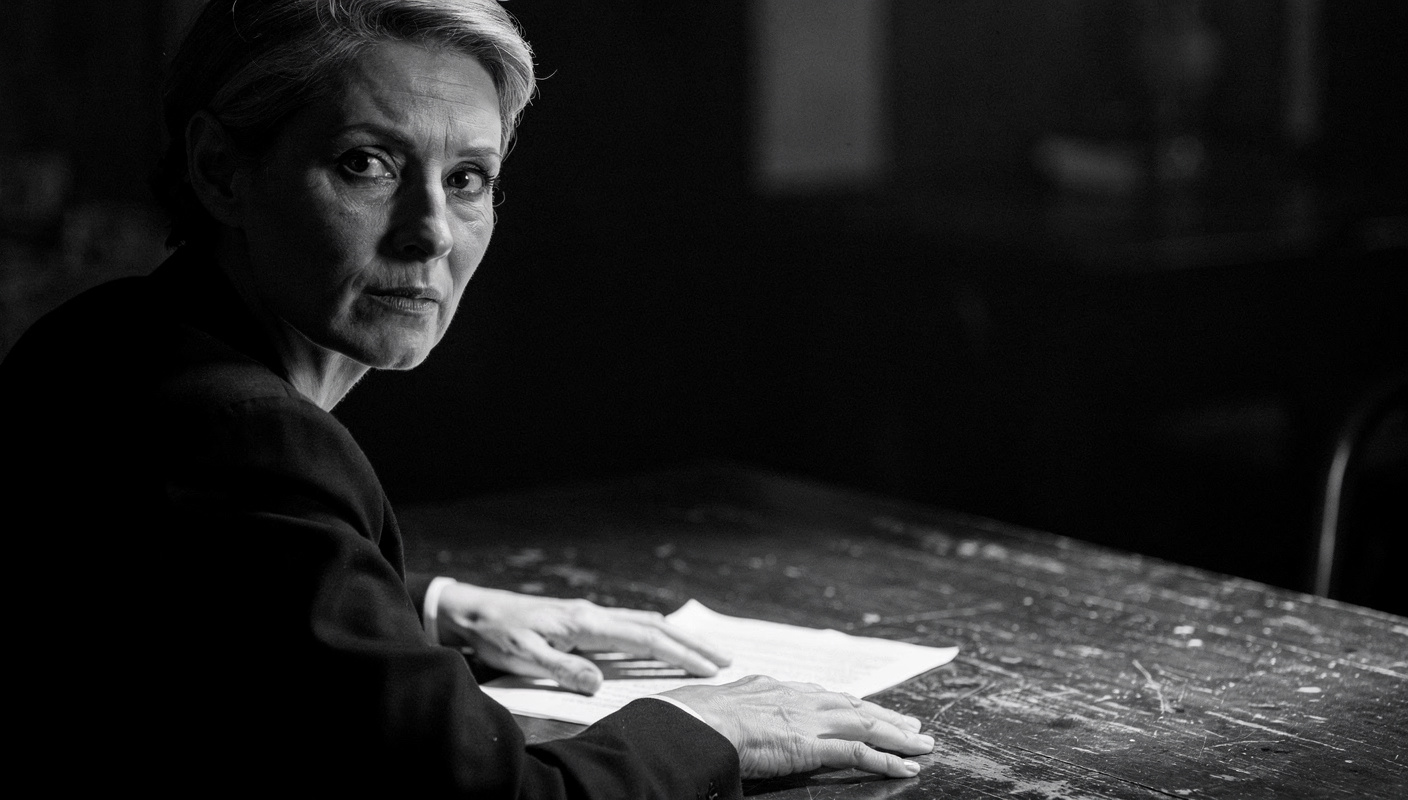

In Short
Eye contact is one of the most psychologically loaded acts in human communication. Get it right and people trust you without knowing why. Get it wrong and they doubt you without knowing why either.
- Gaze regulates trust, authority, and emotional safety in every face-to-face exchange.
- The timing and duration of eye contact matters as much as whether you make it at all.
- Most people have never consciously examined their own gaze patterns, and that invisibility costs them.
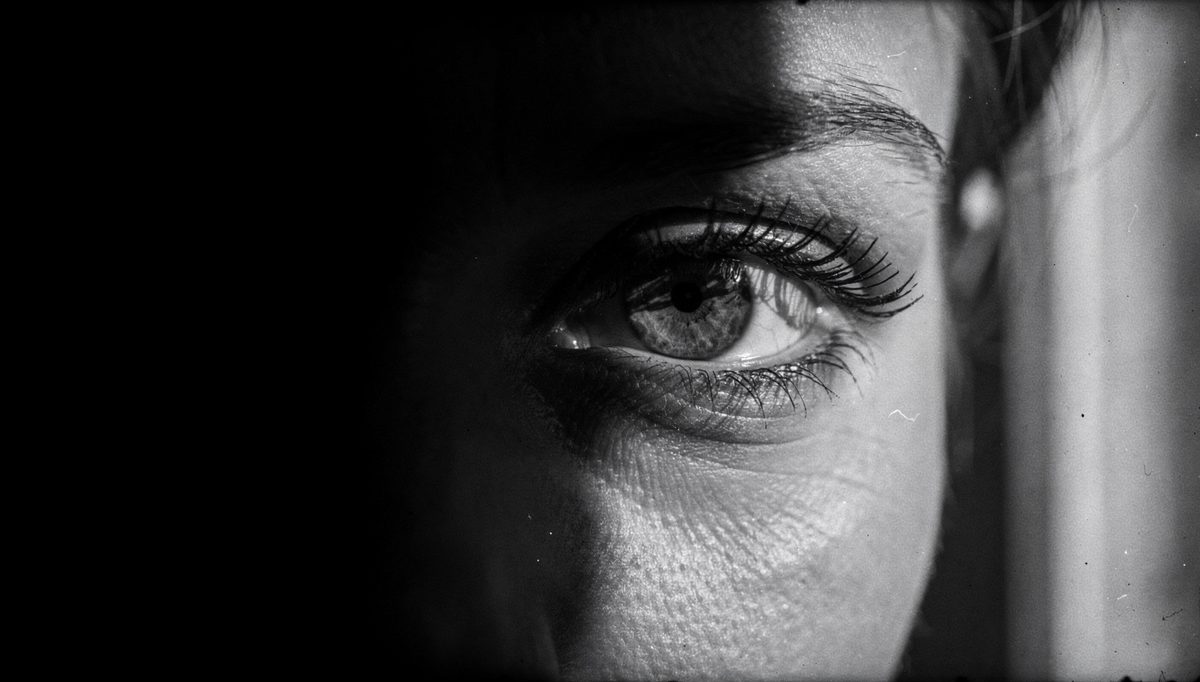
Eye contact psychology is the study of how direct visual attention between two people shapes trust, social bonding, perceived authority, and emotional connection. It examines the biological and social mechanisms behind gaze, explaining why a held look can comfort, challenge, or expose in equal measure.
I have sat across from thousands of people over sixty years. Politicians and labourers, teachers and teenagers, executives who commanded rooms and shy people who could barely meet a stranger's eyes. And the single most consistent predictor of whether a conversation would go well was not vocabulary, or preparation, or even intent. It was whether the people in the room could hold each other's gaze with any kind of honesty.
Eye contact psychology is not a soft subject. It sits at the intersection of biology, social conditioning, and raw human instinct. Most people understand that making eye contact is good and avoiding it is bad. But that surface understanding misses almost everything that actually matters. What drives gaze, what it signals beneath conscious awareness, and what it does to the relationship between two people, that is what this article examines.
What Your Gaze Is Actually Communicating
Before you say a word, your eyes have already broadcast a signal. The person across from you has already begun to form a read on whether you are safe, whether you are honest, and whether you are worth their attention. They did not decide to do this. Their nervous system did it for them.
This is the first thing to understand about gaze: it bypasses the rational mind. When someone holds steady eye contact with you, you feel it before you interpret it. A warmth, a pressure, a sense of being seen. When someone avoids your gaze, you feel the distance before you can name it. These are not cultural conventions. They are biological responses wired deep into how human beings assess each other.
What eye contact actually communicates, below the surface, is presence. Not just physical presence, but attentional presence. You are saying: I am here, with you, right now, and I am not looking for an exit. That signal alone is rarer than you would think, and people respond to it with something close to relief.
The practical consequence is this: if you want someone to trust what you are saying, your gaze must match your words. You can script the most carefully reasoned argument in the world, and if your eyes drift away at the moment of your key claim, the other person's gut will register the mismatch before their brain can justify the doubt.
"The Conversation You're Avoiding Is the One You Need to Have."
"The Conversation You're Avoiding
Is the One You Need to Have."
Stop rehearsing conversations you'll never have. Say It Right Every Time gives you 115 word-for-word scripts and 16 proven frameworks to speak with confidence in every conversation that matters.
The Biological Machinery Underneath a Single Look
There is real machinery at work when two people meet each other's eyes. The pupils respond. The autonomic nervous system reacts. Oxytocin, which is the same hormone involved in bonding between parents and children, releases during sustained mutual gaze. This is not metaphor. Your body treats held eye contact as a bonding event.
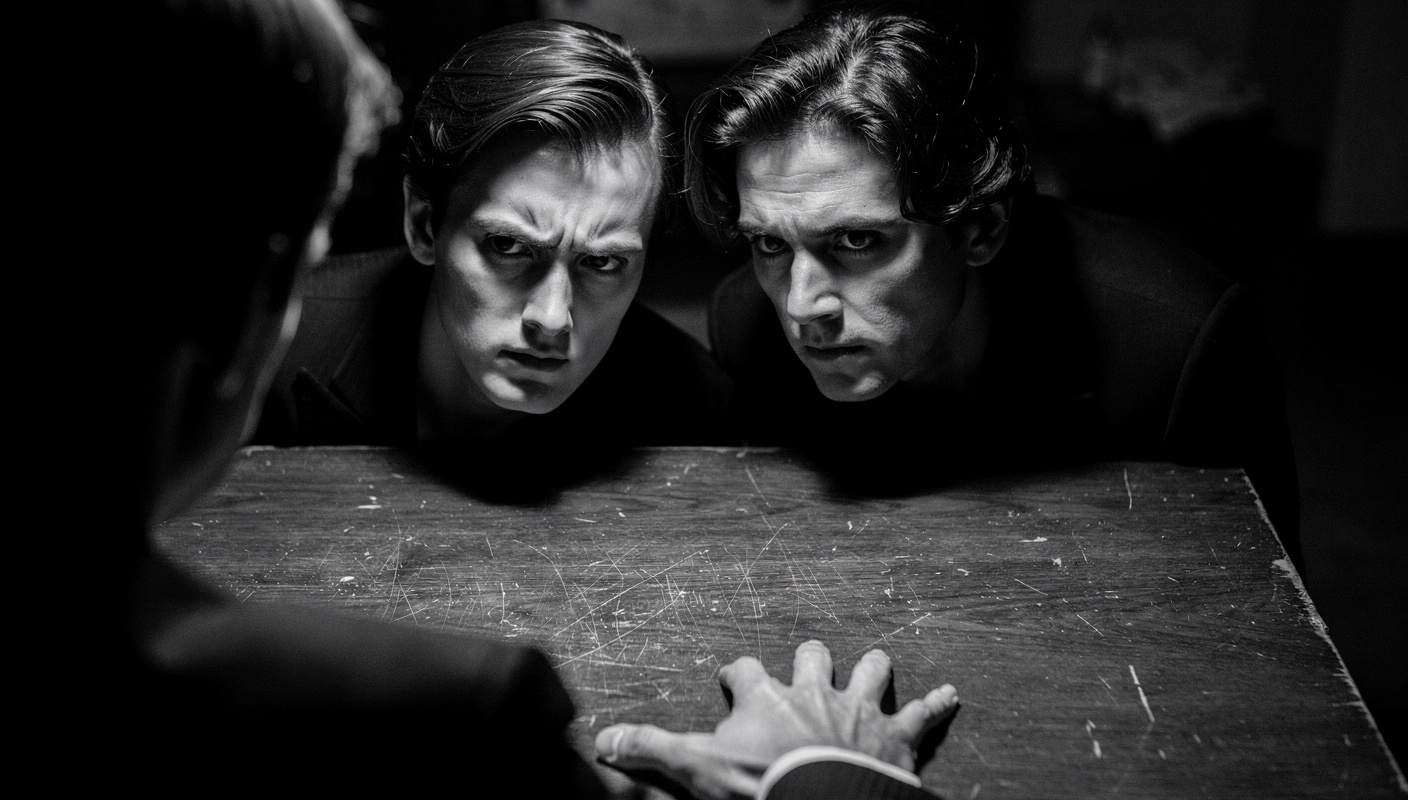
The flip side of this is equally powerful. Prolonged, unbroken eye contact without warmth triggers a threat response. Your pupils constrict. Your heart rate rises. You feel a pull to look away, and if you cannot, you feel something closer to alarm. This is why staring is experienced as aggression. The biological signal is identical to the gaze a predator holds before it moves.
So eye contact operates on a spectrum. At one end, too little gaze reads as disengagement, deception, or fear. At the other end, too much gaze reads as dominance or threat. The productive territory is in the middle: sustained enough to signal presence, with natural breaks that let both people regulate their arousal. Three to five seconds of direct contact before a natural shift is a reasonable anchor for most professional conversations.
The implication here is practical and immediate. If you are preparing for a difficult conversation, as you might consider with the approach outlined in How the Empathy Bridge Technique Defuses Tension Before a Difficult Workplace Conversation Starts, your gaze is already doing emotional work before you speak a word. You cannot separate eye contact from the emotional climate of a conversation. They are the same thing.
How Gaze Plays Out in Real Situations
Consider a manager delivering feedback to a team member who has made a costly mistake. The manager looks down at her notes while delivering the difficult part. She is not hiding anything. She is simply nervous. But the team member reads the averted gaze as shame, dismissiveness, or a signal that the manager does not fully stand behind what she is saying. The conversation lands harder than intended, and the repair takes longer than it should.
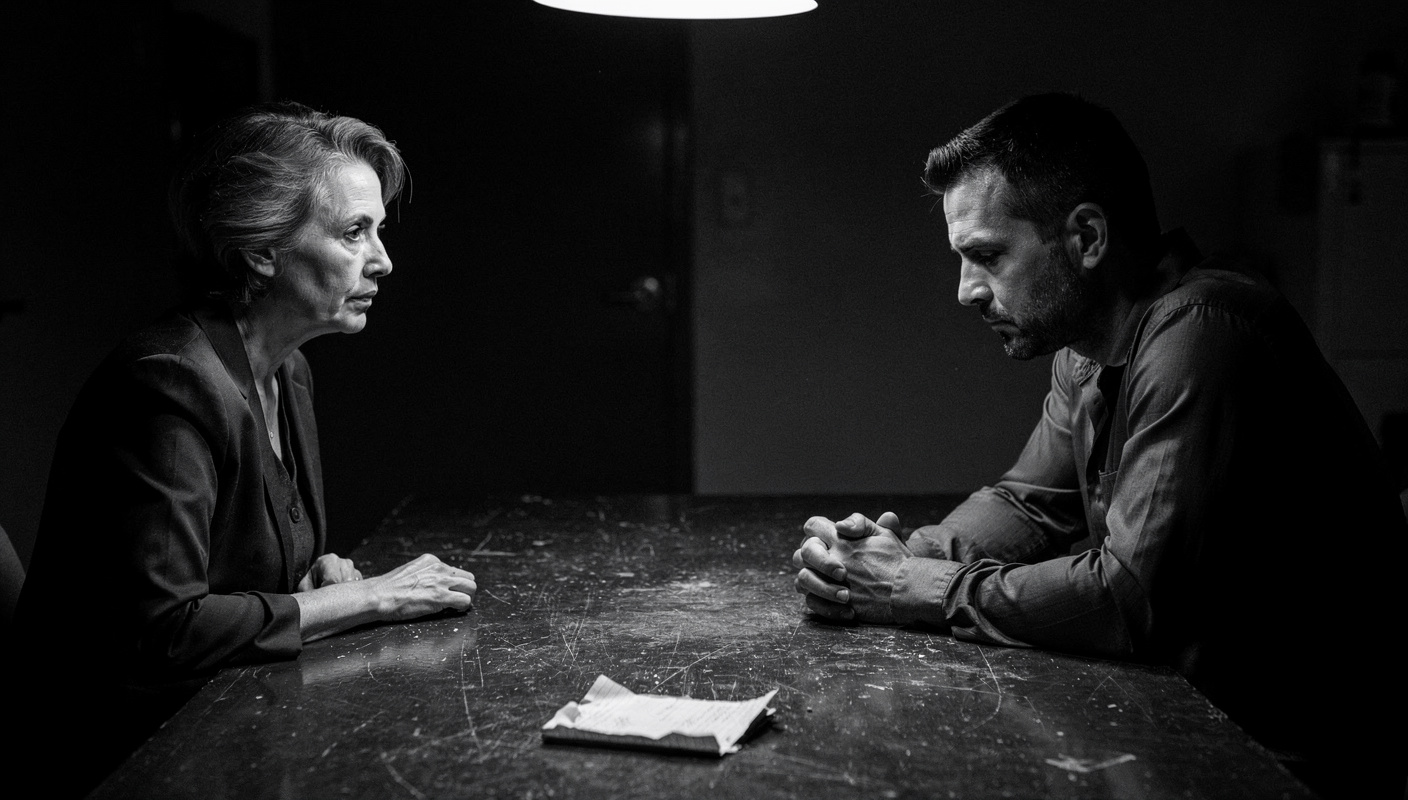
Now consider the reverse. A senior leader sits across from a junior colleague in a one-to-one meeting and holds steady, soft eye contact throughout. He does not stare. He looks away naturally when thinking, then returns. The junior colleague leaves the room feeling genuinely heard, even though the conversation lasted only fifteen minutes. The leader said nothing extraordinary. But his gaze told the other person: you have my full attention, and what you are saying matters.
In group settings, gaze becomes a management tool. The person who makes sustained eye contact with each speaker while they talk holds the room's authority more firmly than the person who sits at the head of the table. This is directly relevant to how to ensure every participant gets heard in a meeting: directing your gaze toward the quieter voices in the room is a wordless invitation that carries real weight. It signals that you have noticed them, and that silence is not safety.
Gaze also plays a critical role in moments of conflict. In tense exchanges, people often look away to regulate their own emotional state. This is useful for self-control but costly for connection. If you can maintain calm, open eye contact during a difficult conversation, you communicate that you are not overwhelmed, that you can hold the tension without fleeing it. That steadiness changes the other person's nervous system response, often more effectively than anything you might say. You can read more about the body's role in conflict in Nonverbal Communication in Tense Situations.
Why Most People Have Never Examined Their Own Gaze
Here is the truth of it: most people have no idea what their eyes are doing in conversation. They know they are supposed to make eye contact. They vaguely know that looking away too much is bad. But they have never watched themselves in a real exchange, never noticed the pattern of when they look and when they look away, and never connected those patterns to the responses they keep getting.
The reason is invisibility. Eye contact is so automatic, so embedded in the unconscious flow of conversation, that it never rises to the level of conscious attention. You are focused on what to say next, on reading the other person's words, on managing your own anxiety. The gaze just happens, for better or worse.
There is also a cultural layer that complicates things. Many people were taught as children that staring is rude, and that correction left a residue. They under-correct in adulthood, breaking eye contact far earlier than the situation calls for, and they read their own discomfort as politeness rather than as avoidance. If you find yourself frequently described as hard to read, or if people rarely seem to feel fully engaged in conversations with you, your gaze pattern is likely part of the story.
This invisibility is precisely why eye contact matters so much in group dynamics. In a meeting, the person who does not realise they are looking at one corner of the table while speaking is inadvertently excluding the people outside that corner. Understanding how to deal with dominant voices in a discussion often begins with understanding whose eyes the room naturally follows, and why.
What This Means for How You Communicate
The analytical question this article started with was a simple one: why does gaze shape social connection the way it does? The answer is that eye contact is not a courtesy gesture. It is a trust mechanism, a bonding signal, and an authority marker, all operating simultaneously, below conscious awareness, in every exchange you have.
That changes how you prepare. Before a significant conversation, it is worth deciding not just what you will say, but how you will hold your presence. The role of communication in meeting success is not only about the words in the room; it is about the nonverbal authority you either claim or forfeit. Your gaze is one of the clearest ways you signal which of those you are doing.
Here are three places to direct your attention:
When you are making your most important point: hold your gaze steady and direct on the other person. This is the moment the biological trust signal matters most. If your eyes drift, so does your credibility.
When someone else is speaking: look at them, not at your notes, not at the table. Sustained attention during their words signals respect more efficiently than almost any verbal acknowledgement. It directly supports how to handle conflict during meetings, because people who feel genuinely seen are less likely to escalate.
When you are in a virtual setting: looking at the camera lens, especially at key moments, creates the perception of eye contact for the person watching your screen. Steady, intentional camera glances are a practice worth building. If you lead remotely, this connects directly to how leaders stay visible in virtual workspaces.
Learning to Hold Your Own Gaze with Intention
After six decades of watching people communicate, I am certain of one thing: the people who are remembered as strong communicators almost always have a quality of gaze that others describe as presence. They do not stare. They do not perform. They simply look at you as though you are the most important thing in the room at that moment, and they do it with enough steadiness that you believe it.
That quality is not a gift. It is a practice. It starts with noticing your own patterns: when do you look away, and what triggers it? It deepens when you make a conscious commitment to returning your gaze during the moments that matter most. And it becomes natural only through repetition in real conversations, not in theory.
Eye contact psychology is ultimately the study of what it costs, and what it earns, to truly look at another person. The cost is small: a little courage, a little discomfort, a willingness to be seen as well as to see. What you earn is the kind of connection that makes people trust you before they know quite why.
Frequently Asked Questions (FAQ)
What is eye contact psychology?
Eye contact psychology examines how visual attention between people affects trust, authority, emotional connection, and social bonding. It explains why a held gaze can signal confidence or threat, why breaking contact communicates discomfort, and how the timing and duration of a look shapes every interaction.
How does eye contact build trust in conversation?
When you hold steady eye contact during a conversation, you signal presence and honesty. People read sustained gaze as a sign that you have nothing to hide. The absence of eye contact, by contrast, triggers doubt, even when the speaker is telling the truth.
How long should eye contact last in a professional setting?
In most professional conversations, three to five seconds of direct eye contact feels confident and respectful before a natural break. Holding beyond seven seconds without relief reads as a challenge or an attempt at dominance. The rhythm matters as much as the duration.
Why do people avoid eye contact when speaking?
Most people break eye contact upward or sideways when retrieving a memory or constructing a complex thought. This is a natural cognitive reflex, not a sign of deception. But habitual avoidance across an entire conversation signals anxiety, low confidence, or disengagement.
Can too much eye contact be a problem?
Yes. Unbroken, intense eye contact triggers a stress response in the other person. It reads as aggression, dominance, or social pressure. The goal is not maximum eye contact but calibrated contact: enough to signal engagement, with natural breaks that let the other person breathe.
How does eye contact work differently in virtual meetings?
In a video call, looking at the camera lens creates the sensation of eye contact for the other person, but you cannot simultaneously watch their face. This split creates a disconnect that erodes natural rapport over time. Practising deliberate camera glances during key moments repairs some of that loss.