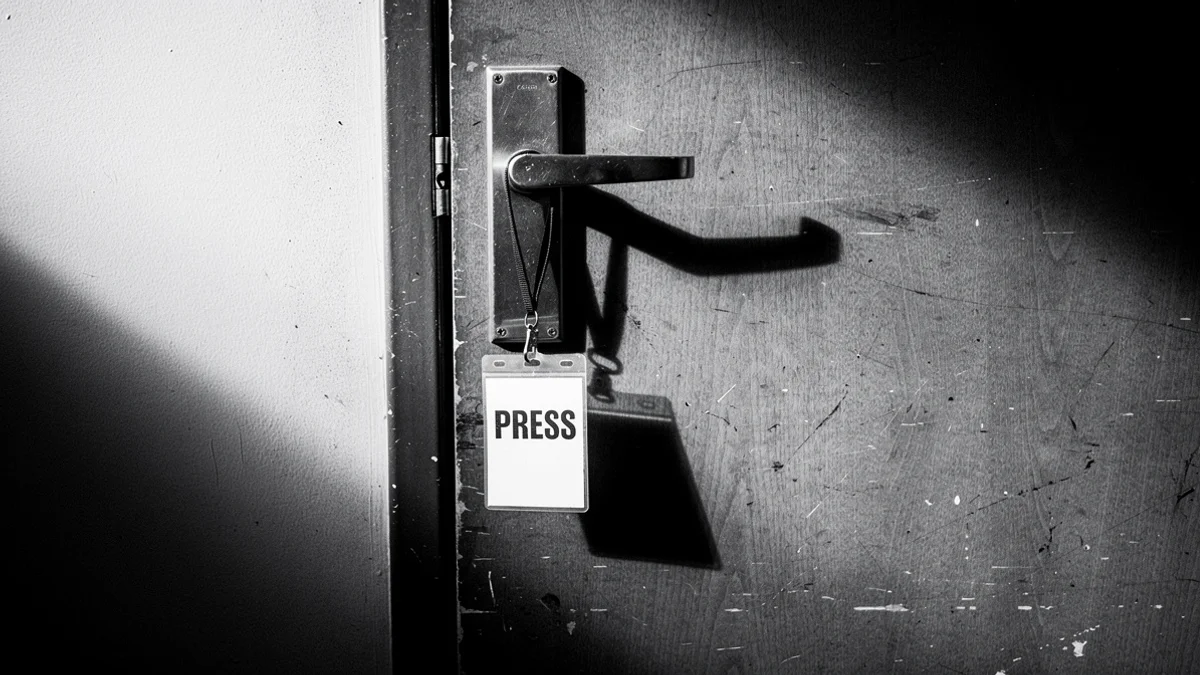

What Happened
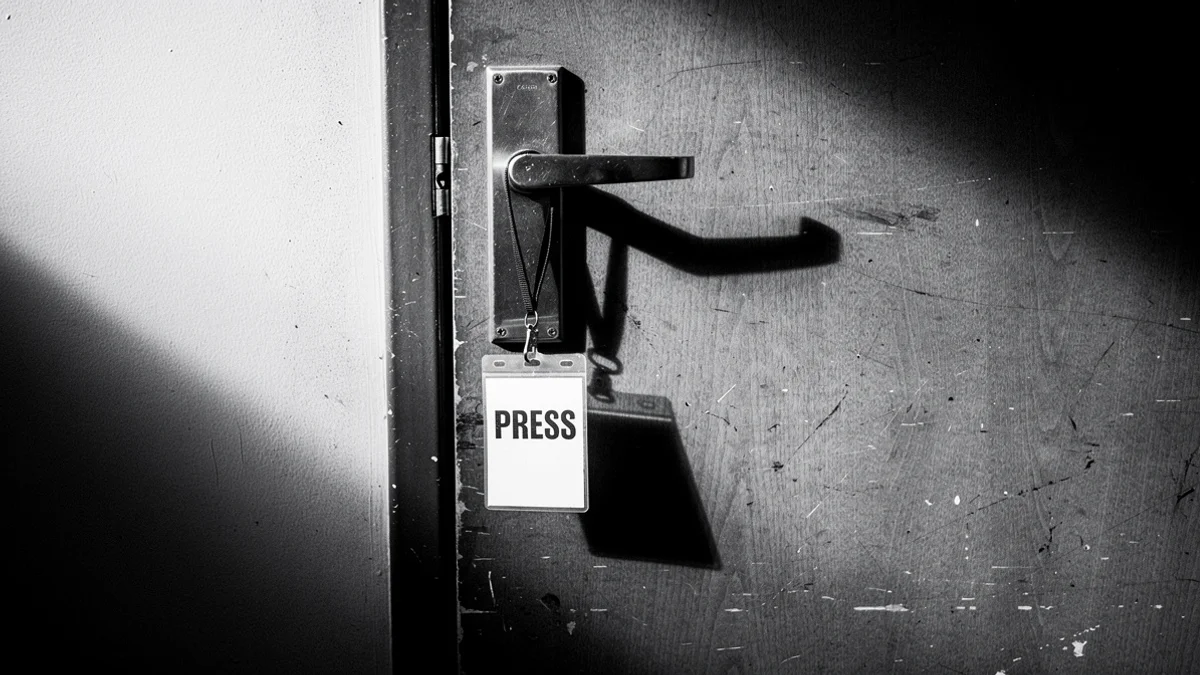
Congressman Tom Tiffany's campaign turned away a reporter attempting to cover a Milwaukee event. The journalist was denied access, effectively shutting out press coverage before it could begin. This kind of media blocking is a deliberate campaign choice, and it raises an immediate question: did the Tiffany team understand what they were actually communicating by doing it?
The Communication Angle
Let's set up the comparison directly. What the Tiffany campaign did: blocked a reporter and said nothing of substance publicly about why. What they should have done: controlled the narrative before the reporter ever showed up at the door.
These are two completely different postures, and only one of them leaves you looking like you have something to hide.
When you block press access without explanation, you are not protecting your message. You are replacing your message with a mystery. Nature abhors a vacuum, and so does political journalism. The story stops being about whatever the Milwaukee event was supposed to accomplish and becomes entirely about the blockade itself. The campaign handed the reporter a better story than the one they came to cover.
The smarter play is what seasoned political communicators do when they want to limit press exposure: they pre-frame it. You say, "This is a private event for constituents and we are not accommodating press today." You say it early, you say it plainly, and you move on. That is not a scandal. That is a scheduling decision. The moment you make the exclusion feel reactive, secretive, or personal, you have escalated a non-story into a headline. Tiffany's team made it feel personal.
Here is the deeper mistake. Blocking a reporter signals one of two things to the public: you are afraid of the questions, or you do not trust your own people to handle coverage. Neither reading is flattering. Compare this to campaigns that openly restrict press access but do so with clear, confident language ahead of time. Those campaigns take heat for maybe a day. Campaigns that fumble the execution, like this one appears to have, take heat for the story and then take additional heat for the handling. You are doubling your damage for no gain.
This is exactly the kind of scenario I break down in Say It Right Every Time. The chapter on setting boundaries in public communication gives you a framework for drawing a hard line without making that line the entire story. The skill is not the "no." The skill is the packaging around the "no" that keeps your original message alive and in front of people.
Never Be Lost
for Words Again
Get word‑for‑word scripts for the conversations that shape your life, from job interviews and negotiations to difficult talks with family and partners, so you always know exactly what to say and how to say it.
Never Be Lost
for Words Again
Get word‑for‑word scripts for the conversations that shape your life, from job interviews and negotiations to difficult talks with family and partners, so you always know exactly what to say and how to say it.
Key Takeaway
Before your next high-stakes event where you expect friction (a difficult guest, a probing reporter, an uncomfortable audience), write down exactly one sentence that explains your boundary and one sentence that explains who the event is for. Have both sentences ready before anyone asks. Reactive explanations always sound like excuses. Proactive ones sound like decisions.