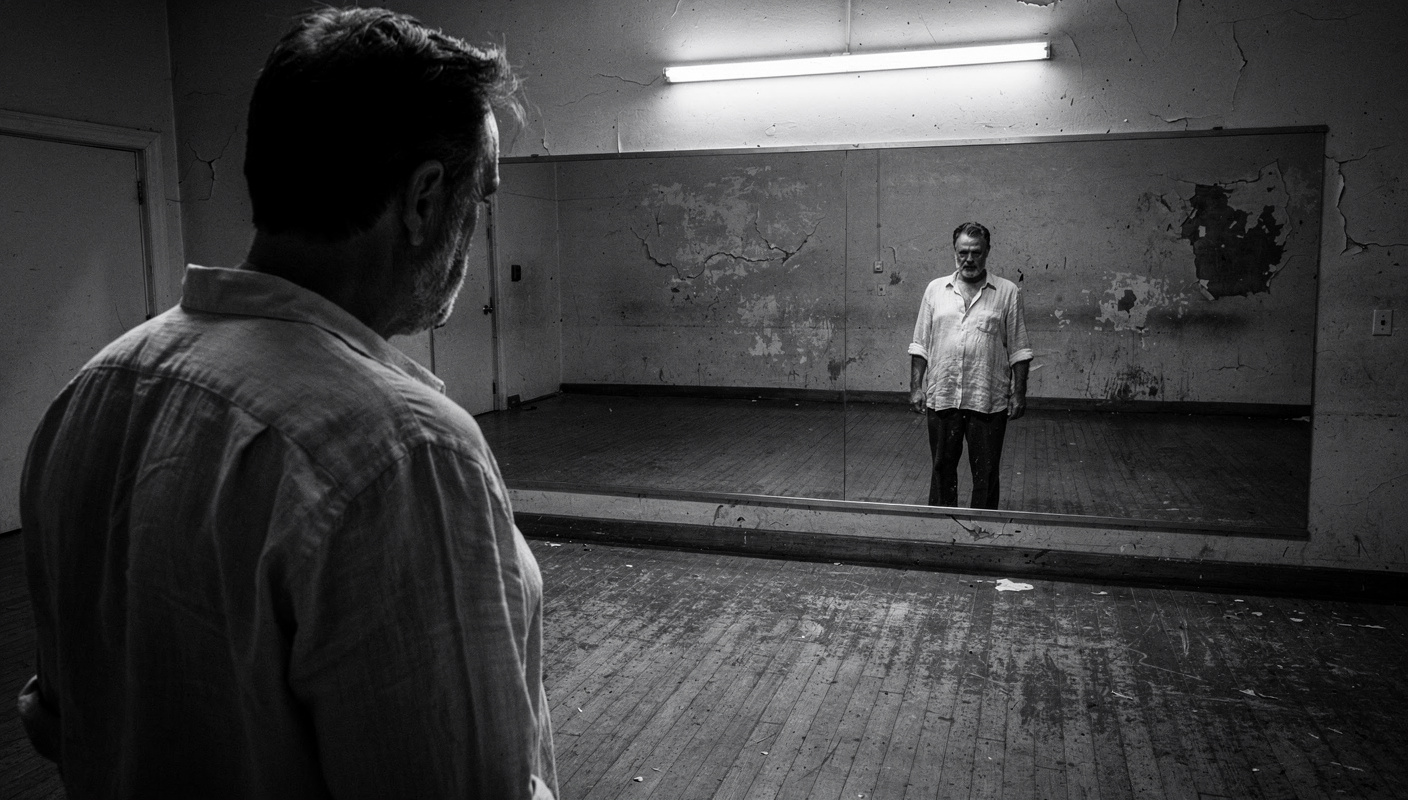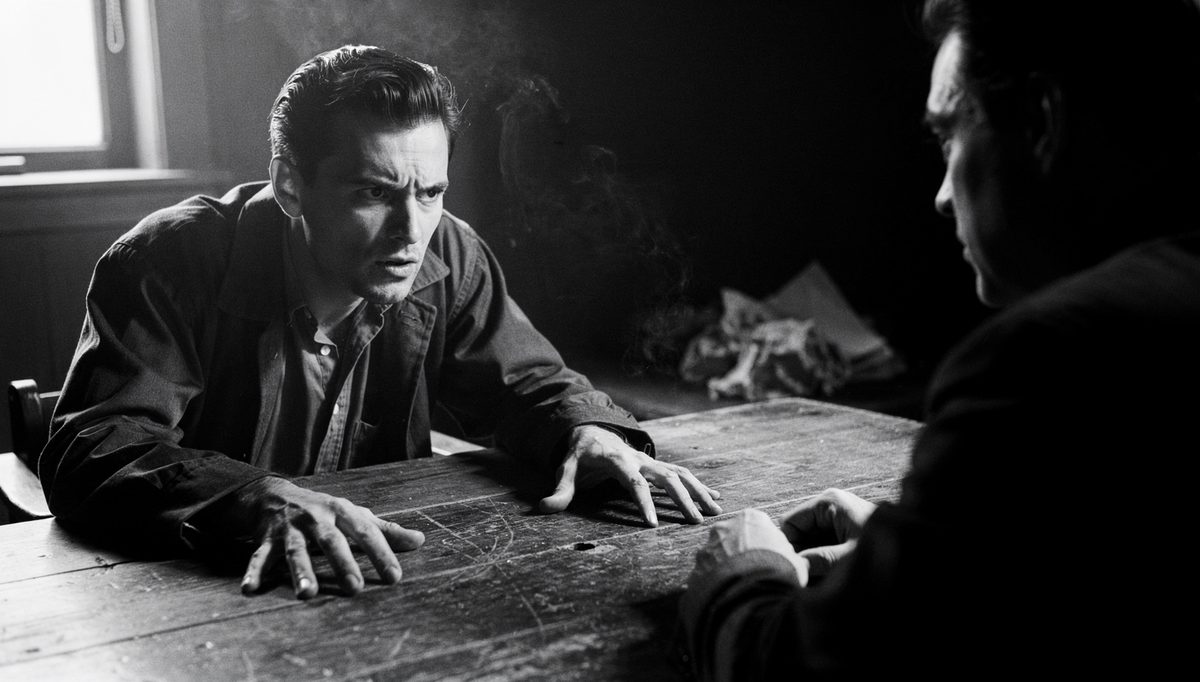

In Short
These examples show that positive communication gestures are not instinctive for most people, they are a skill built through deliberate practice and self-awareness.
- When gestures align with words, trust builds faster and deeper.
- When physical expression contradicts the spoken message, people believe the body, not the words.
- One small gesture at the right moment can change the entire direction of a conversation.
Positive communication gestures are deliberate physical movements and body signals, including open palms, forward lean, eye contact, and posture, that reinforce a spoken message and help the listener feel respected, heard, and safe.
Why Examples Teach What Definitions Cannot
I watched a manager spend three minutes telling his team he was open to feedback. His arms were crossed the entire time. Nobody spoke.
Definitions tell you what positive communication gestures are. Examples show you what they actually look like on a real person, in a real moment, under pressure. That gap between understanding a concept and recognising it in the room is where most people get lost. You can read about open posture and still walk into a meeting and fold your arms the moment someone challenges you.
Examples give you a picture. And pictures stay with you long after the theory has faded. They also show you the cost of getting this wrong, which no definition ever quite captures.
What follows are five examples that show exactly what physical expression looks like when it works, and when it does not.
If you want to understand the thinking behind these signals and how to build them into your daily interactions, exploring how emotional intelligence shapes the way people read each other in teams will give you a strong foundation.
"The Conversation You're Avoiding Is the One You Need to Have."
"The Conversation You're Avoiding
Is the One You Need to Have."
Stop rehearsing conversations you'll never have. Say It Right Every Time gives you 115 word-for-word scripts and 16 proven frameworks to speak with confidence in every conversation that matters.
What to Look for in These Examples
Before we go into the examples, here is what to watch for.
- Congruence between words and body. When someone's gestures match what they are saying, the message lands cleanly. When they do not match, pay attention to which one the listener believes.
- The direction of the body. Where a person points their torso, shoulders, and feet tells you where their attention actually is. Turning toward someone is one of the most powerful positive communication gestures available to you.
- Hand visibility and position. Open, visible hands at table level signal honesty and calm. Hidden hands or tight fists signal tension or withholding, even when the speaker is unaware of it.
- The timing of a gesture. A single touch on the arm at the right moment does more than two minutes of reassuring words. Watch for moments when a gesture lands at precisely the right time.
- Physical stillness under pressure. People who stay physically grounded when a conversation gets difficult signal confidence and control. Those who fidget, shift, or step back send the opposite message.
Keep these in mind as you read each example.
Example 1: The Manager Who Spoke One Thing and Showed Another
A senior manager in a mid-size logistics company was running a monthly team meeting. She had prepared carefully. She wanted to signal that she valued honest input from her team of eight.
She stood at the head of the table, arms folded across her chest. When someone offered a hesitant suggestion, she tilted her head slightly and said, "Yes, I want to hear more of that." Her voice was warm. Her body did not move. She stayed folded and slightly turned away from the speaker.
The team member spoke for about thirty seconds, then trailed off. Two other people glanced at each other. Nobody else offered anything. The manager moved on, puzzled by the silence.
What it reveals: Her words carried the right message. Her physical expression carried a different one. Crossed arms and a turned torso signal closure, and the team read them accurately, whatever her intentions were. The mismatch between her verbal invitation and her nonverbal signals created confusion, and confusion makes people go quiet.
That is what happens when positive communication gestures are absent.
Example 2: A Difficult Conversation Steadied by One Small Signal
A team leader was delivering critical feedback to a junior colleague who had missed a key deadline and affected three other people's work. The junior colleague was braced for the worst. Her shoulders were tight. She was looking at the table.
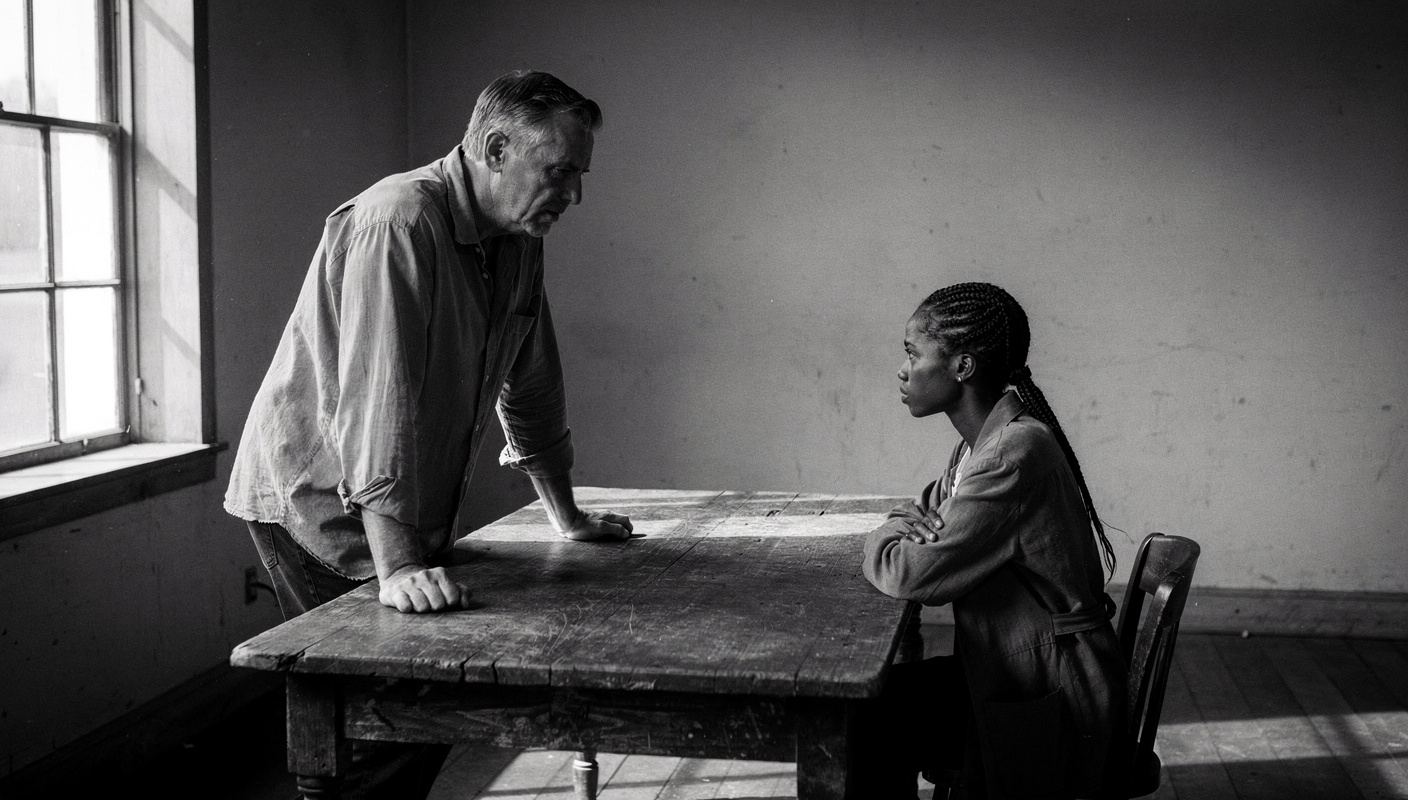
The team leader pulled his chair around so he was sitting beside her rather than opposite. He rested one forearm on the table with his palm facing up, open and still. He spoke quietly: "I want us to work through this together. That means I need to understand what happened from your side first."
She looked up. Her shoulders dropped by about an inch. She began to speak.
What it reveals: The chair repositioning and the open palm were small physical signals, but they changed the entire structure of the conversation. Sitting beside someone rather than facing them removes the confrontational frame. An open palm at rest signals safety. These are practical positive communication gestures that cost nothing and change everything. Understanding how to pair this kind of physical approach with the right words is exactly what using the empathy bridge before delivering critical feedback is designed to help you do.
That is what physical expression looks like when it works.
Example 3: A New Hire Who Lost the Room Without Knowing It
A new hire joined a project team and was asked to present her initial findings in her first week. She was clearly prepared. Her content was solid. But she stood gripping the back of a chair throughout the presentation. Her elbows were in, her gestures small and close to her body. She looked at her notes more than at the people in the room.
The team listened politely. Afterwards, the project lead told another colleague that he was "not sure she fully believed her own findings." He could not say why, exactly. He just felt something was unconvincing.
Her words were confident. Her body was not.
What it reveals: Tight, contracted physical expression sends a signal of uncertainty, regardless of what is being said. Holding onto a chair, keeping gestures small and guarded, and avoiding sustained eye contact all communicate that the speaker does not feel secure. The room picks this up before they can name it. Physical expression is the layer of communication people process emotionally before they process it rationally.
That is what happens when physical expression works against you.
Example 4: The One Nod That Saved a Negotiation
Two department heads were in a difficult budget meeting. Tempers were close to the surface. One of them, a finance director, had just made a point the other found deeply frustrating. The second director, responsible for operations, felt her work was being dismissed.
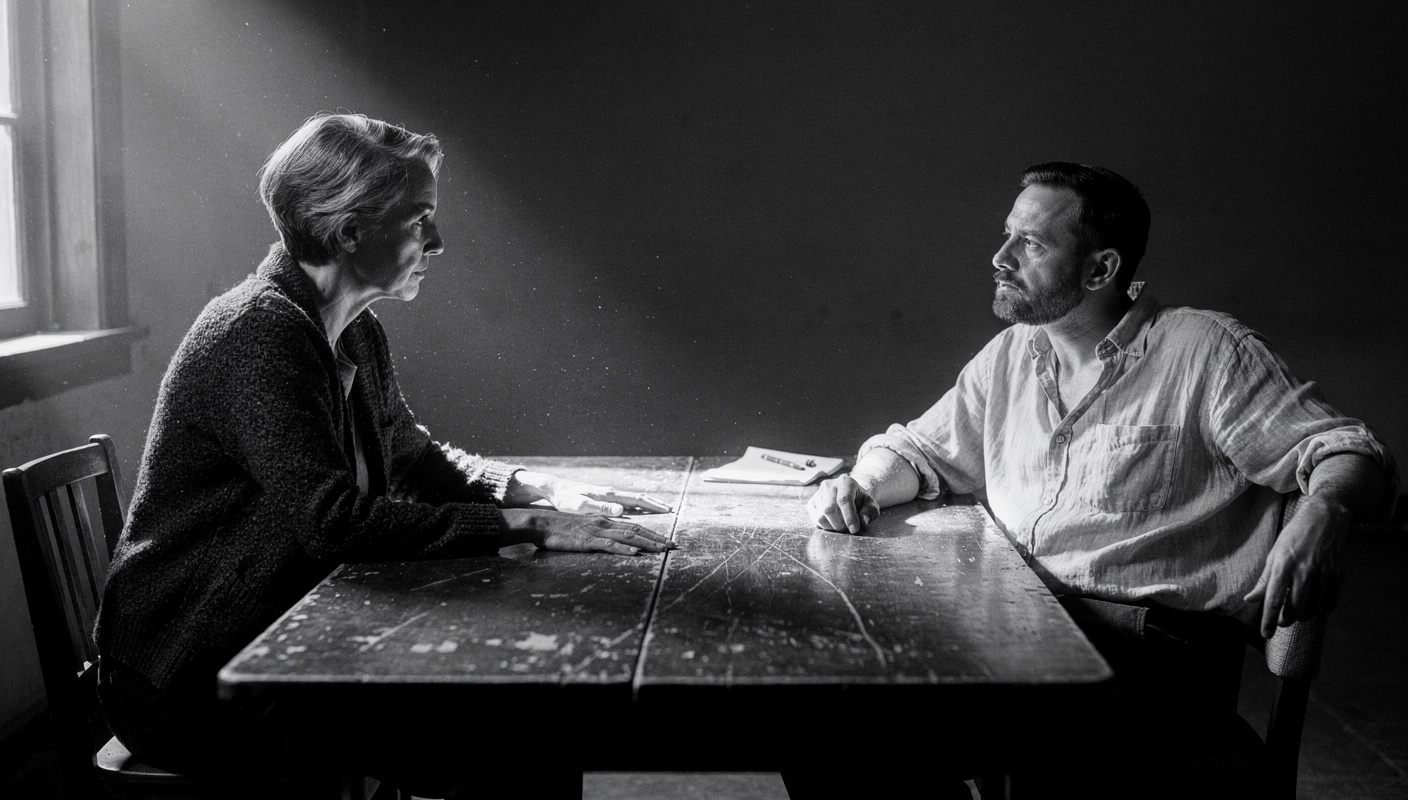
She took a breath. She sat forward, both hands flat on the table. She held eye contact with the finance director and gave a single, slow nod before she spoke. "I hear what you are saying. Here is what I need you to understand about what this means on the ground."
The finance director paused. His defensiveness visibly softened. He leaned in slightly. The conversation shifted.
What it reveals: The slow nod before speaking is one of the most underused positive communication gestures in professional settings. It signals that you have genuinely received what the other person said, without agreeing with it. Combined with a forward lean and open hands on the table, it communicates respect and strength at the same time. That is a rare combination. You can explore how this kind of deliberate physical signal connects to emotional intelligence in feedback conversations for a broader understanding of why it works.
That is what physical expression looks like when it works.
Example 5: The Team That Stopped Reading Each Other Entirely
A creative team of five had been working remotely for eighteen months. When they finally returned to a shared workspace for a project sprint, the first two days were surprisingly awkward. People talked past each other. Small disagreements escalated faster than usual.
The team lead noticed that nobody was looking at each other during discussions. People spoke to the screen, or to the table, or to the air. Gestures that would have been visible on a video call, the deliberate lean-forward, the visible hands, the turned body, had disappeared. The team had learned to communicate with their voices alone and had stopped using their physical presence altogether.
On day three, the team lead explicitly named what she was seeing. She asked everyone to push their laptops aside for the morning session and make eye contact when speaking. The shift in the room was immediate.
What it reveals: Physical expression is a skill, and like any skill, it atrophies when you stop practising it. This team had not become careless. They had simply adapted to an environment where the body was invisible, and the habits did not automatically return. Rebuilding psychological safety within the team starts with people being able to read each other clearly, and that depends on physical presence being active and visible.
That is what happens when physical expression fades through neglect.
The Patterns Across All These Examples
Looking across these examples, several patterns emerge clearly.
The body speaks first. In every example, the physical signal was processed before the words were evaluated. The crossed arms in Example 1 were read before a single word landed. The open palm in Example 2 changed the emotional temperature before the team leader had finished his first sentence. Your gesture is already communicating before your mouth opens.
Congruence is non-negotiable. When gestures and words align, the message is clear and trustworthy. When they contradict each other, people default to believing the body. Every time. You cannot talk your way out of what your body is already saying.
Physical expression requires active maintenance. Example 5 shows that these skills do not maintain themselves. Deliberately working on how empathy and presence shape team dynamics is part of keeping these signals alive and functional in a real team.
Small gestures carry disproportionate weight. A single nod, a turned chair, an open palm at rest: none of these are dramatic. All of them changed the outcome of a conversation. The scale of a gesture is not what makes it powerful. The timing and the intention behind it are what matter.
Absence is also a signal. When physical expression is missing or collapsed inward, people notice. They may not name it, but they feel it as distance, uncertainty, or untrustworthiness. These patterns are not coincidences. They are the mechanics of physical expression at work.
What These Examples Mean for You
Reading examples is only useful if you can apply what you observe. Consider these questions honestly, about your own communication right now.
- Do your gestures match your words when you are under pressure? Think about the last difficult conversation you had. Where were your arms? Where was your body pointed? If you cannot remember, you were not managing your physical expression.
- Do people on your team speak openly in meetings, or do they trail off? If they trail off, check whether your physical signals are inviting or closing. A turned body or a still face can silence a room without a word.
- When you deliver feedback, do you position yourself as a partner or as an authority? The physical arrangement of a conversation shapes its emotional meaning before you say anything. Consider where you sit, and why.
- Have your physical expression habits shifted since you started working remotely or in hybrid settings? If your gestures have become smaller and your eye contact has reduced, this is worth addressing directly. Rebuilding psychological safety in your team depends partly on the physical signals you send when people are back in the room with you.
- Can someone on your team tell you honestly when your body is working against you? If not, that is information in itself. Teams built on genuine feedback skills are the ones where this kind of honest observation is welcomed, not avoided.
Start with one gesture. Choose it deliberately. Apply it in your next real conversation and notice what changes.
Frequently Asked Questions (FAQ)
What are positive communication gestures?
Positive communication gestures are intentional physical movements, such as open palms, forward lean, and steady eye contact, that signal openness, respect, and engagement. They reinforce what you say verbally and help the other person feel heard, safe, and understood.
How do gestures reinforce positive communication in the workplace?
Gestures reinforce positive communication by making your intentions visible. When your body and your words align, people trust the message. An open posture during a difficult conversation, for example, signals that you are present and willing, not defensive or dismissive.
What does poor physical expression cost you at work?
Poor physical expression creates doubt even when your words are correct. Crossed arms, avoided eye contact, and a turned body all signal disengagement. Over time, these signals erode the trust people have in you, regardless of what you actually say.
Can you practise positive communication gestures deliberately?
Yes. You can practise specific gestures the same way you practise a script. Start with one signal, such as keeping your palms visible during difficult conversations, and apply it consciously until it becomes natural. Small, consistent changes build lasting physical habits.
How do you know if your gestures are working against you?
Watch for misalignment between your words and the other person's response. If people seem unconvinced despite what you are saying, your body may be sending a different message. Ask a trusted colleague to observe you in a real meeting and give you direct feedback.
What is the most common physical expression mistake in communication?
The most common mistake is crossed arms or a turned body during tense conversations. This signals closure and resistance, even when none is intended. Most people do it out of habit or discomfort, not awareness, which is why practising open posture deliberately makes such a clear difference.