
In Short
Your neutral physical expression communicates to others before you speak, and it shapes whether people perceive you as approachable, trustworthy, or closed off.
- The brain reads faces for threat or safety in milliseconds, long before rational thought engages.
- Most people have no idea what their resting face signals to the people around them.
- Neutral physical expression can be practiced and changed, but only if you first understand what drives it.
Neutral physical expression is the default state of your face and body when you are not actively emoting or speaking. It is the signal you broadcast unconsciously in waiting rooms, corridors, and meeting rooms, and it shapes how others perceive you before a single word is exchanged.
Why Your Face Speaks Before You Do
I have watched it happen in boardrooms and back offices and family kitchens over sixty years. Someone walks into a room, says nothing, does nothing unusual, and yet the temperature shifts. People pull back slightly. Conversations become more careful. Nobody could explain why, and the person who walked in had no idea it was happening.
That is the central question this article answers: how does your neutral physical expression, the look on your face when you are simply existing in a room, shape what other people decide about you before you have said a single word? And why does understanding the mechanism matter more than just being told to smile more?
Because "smile more" is surface advice. It does not hold. What lies beneath the surface is a system of unconscious signalling that runs deeper than any single expression you choose to put on. In this article, you will understand the mechanism that drives this, what it produces in real situations, and what it means for how you carry yourself every day.
If you are interested in how this connects to broader team dynamics, The Role of Emotional Intelligence in Team Synergy offers a strong companion perspective.
"The Conversation You're Avoiding Is the One You Need to Have."
"The Conversation You're Avoiding
Is the One You Need to Have."
Stop rehearsing conversations you'll never have. Say It Right Every Time gives you 115 word-for-word scripts and 16 proven frameworks to speak with confidence in every conversation that matters.
The Surface vs the Root of Physical Expression
Most people understand body language at the surface level. They know that crossed arms can signal defensiveness, that slouching looks disengaged, that avoiding eye contact seems evasive. These are real signals. But treating them as a checklist misses what is actually happening beneath.
The surface understanding says: my expression communicates my mood. If I look unhappy, people will think I am unhappy. So I should try to look more positive. This leads to performed expressions, the kind that feel hollow to everyone in the room, including yourself.
The deeper mechanism is different. Your neutral physical expression is not just an expression. It is the output of years of emotional habit, muscular conditioning, and unconscious tension patterns baked into your face and posture through stress, disappointment, and unresolved feeling. You are not simply looking a certain way. You are broadcasting a nervous system state.
Understanding the root changes how you respond to the surface. You stop trying to perform a better face and start addressing what your face is actually holding.
The Mechanism Behind Neutral Physical Expression Explained
Your neutral physical expression operates through a system far older than language. The human brain evolved to scan faces for safety or threat before anything else. That scan happens in milliseconds, well before conscious thought engages, and the verdict it reaches shapes everything that follows in any interaction.
Here is how the mechanism works in practice, layer by layer.
The brain's threat-detection system reads muscular tension in the face as a warning sign. A furrowed brow, a clenched jaw, a downward pull at the corners of the mouth: these are the same micro-signals that appear on faces expressing anger or contempt. When your resting face carries that tension habitually, people around you register a low-level threat signal even when you feel entirely calm. Which means that in practice, you can be relaxed and still be read as hostile.
The second layer is social distance. When someone's resting expression reads as cold or closed, the people around them subconsciously increase their interpersonal distance. They share less. They bring fewer problems. They filter what they say. This is not a conscious choice on their part. It is a protective instinct. That is why a leader with an unintentionally severe resting face can create a culture of silence simply by being present, without ever intending to.
The third layer involves reciprocity. Faces are deeply social instruments. When you encounter an open, relaxed expression, your own nervous system tends to settle. When you encounter a tense or flat expression, your system mirrors it back. This is why neutral physical expression has a ripple effect in group settings. One person's habitual tension can quietly tighten an entire room. One person's genuine ease can soften it.
The fourth layer is credibility. A person whose resting expression is warm and steady is perceived as more trustworthy, more competent, and more approachable. Not because they are performing confidence, but because their face signals inner coherence. Their outside matches their stated intention.
Taken together, these layers explain a single truth: your face, at rest, is a constant communication. It is never switched off. It is always transmitting, and the people around you are always receiving it, whether they know it or not.
What Neutral Physical Expression Looks Like in Real Situations
Here is where this mechanism becomes visible in everyday communication.
The manager who could not understand why no one came to her. She was talented, fair, and genuinely open to input. But her resting face carried a deep vertical crease between the brows, a habit from years of intense concentration at a screen. In meetings, when she was simply listening, she looked furious. Her team read that expression as judgment and stopped bringing her problems early. She only discovered this when a trusted colleague finally said it out loud. The mechanism at work: her team's threat-detection system was responding to muscular tension, not to her actual intent.
The job candidate who did not get the offer. His answers were strong. His experience was relevant. But from the moment he sat down, his jaw was set and his eyes were slightly narrowed, a default expression he had carried since his twenties. The interviewers wrote in their notes that he seemed "difficult to read" and "possibly defensive." He was neither. He was nervous, which had tightened his face into its habitual pattern. The mechanism at work: the interviewers' first impressions were formed by his neutral physical expression before he answered a single question.
The team that never quite gelled. One senior member had a flat, expressionless default face. She was deeply interested in the work and genuinely collegial. But in collaborative sessions, her neutral expression read as disengagement, even contempt. Others gradually stopped directing ideas her way. Over time, she became peripheral to the group dynamic, not through any choice or behaviour, but through an unmanaged resting expression. The mechanism at work: her face was broadcasting a signal that social reciprocity read as disconnection.
In each of these situations, the surface behaviour was different. The root mechanism was the same.
Why Most People Miss This About Their Own Expression
If this insight is this important, why do so few people see it clearly?
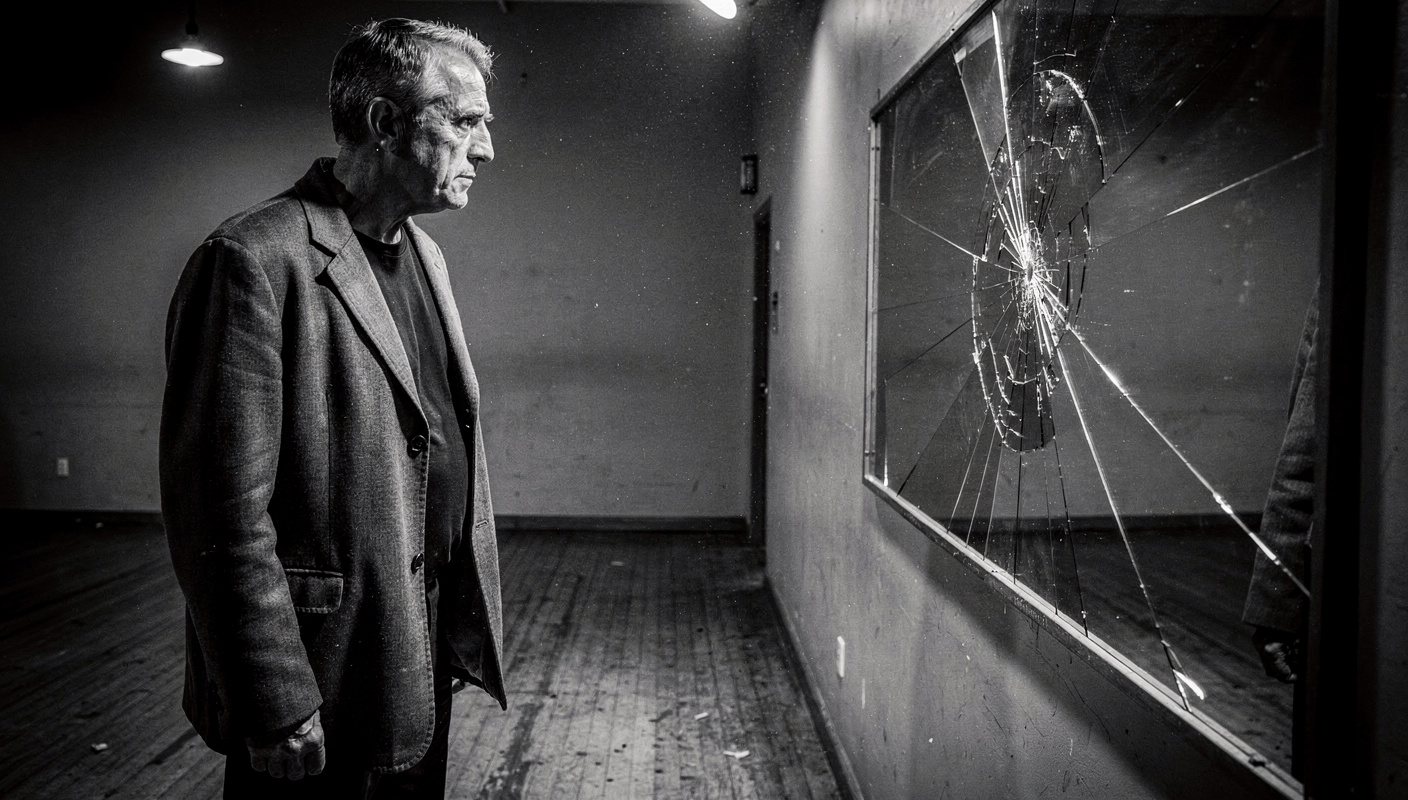
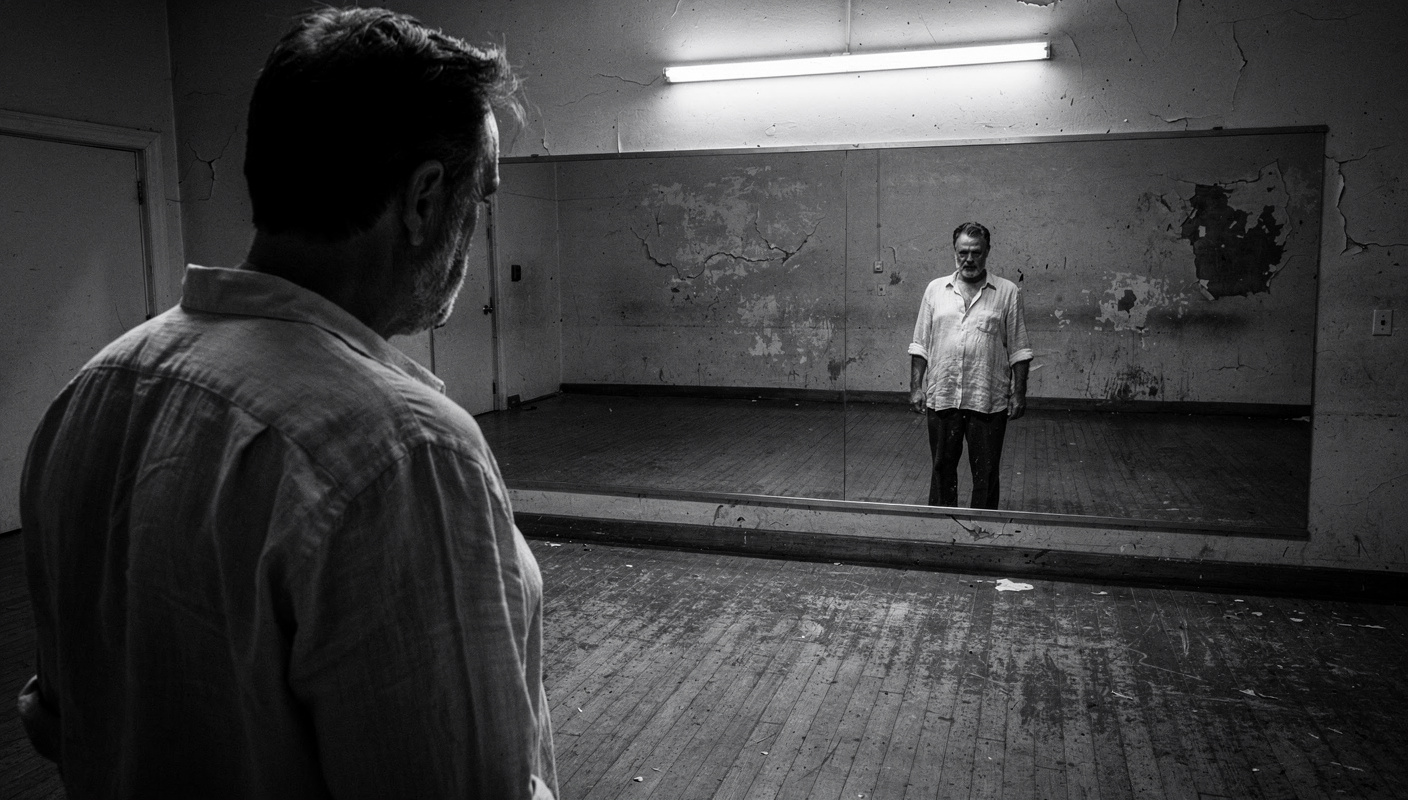
We cannot see our own resting face. When you look in a mirror, you automatically adjust. You are performing, even slightly, the moment you are aware of being observed. The face other people see in real situations, when you are deep in thought or simply waiting, is a face you have almost certainly never observed in full honesty. Most people are genuinely shocked the first time they see candid video of themselves at rest.
Feedback on facial expression is socially taboo. People will tell you that your presentation was unclear. They will tell you that your email was too blunt. But almost no one will tell you that your resting face makes them uncomfortable. It feels too personal, too close to attacking someone's appearance. So the signal goes uncorrected for years. The insight on How Leaders Can Model Effective Feedback Behavior touches on exactly this kind of gap, the feedback that never gets delivered.
Tension feels normal. When muscular tension has lived in your face for a decade, it no longer registers as tension. It is simply your face. You do not notice the jaw set, the brow pull, or the flat affect because your nervous system has normalised them completely. Other people see them every day. You have stopped feeling them entirely.
We attribute first impressions to other causes. When a conversation goes poorly, when someone seems guarded, when a team member stops bringing ideas: we look for reasons in words, in decisions, in history. We rarely think to look at the expression that greeted them before the first word was spoken. This keeps the root cause invisible. The role of unspoken signals in relationships is explored further in What Is Psychological Safety and How It Drives Team Synergy.
Awareness is the beginning. But awareness without application changes nothing.
What This Means for How You Communicate
Understanding this changes what you do in three specific ways.
Observe your own default expression. You need to see your resting face as others see it, not in a posed mirror moment, but in candid video or photographs. Record yourself in a work call when you are mostly listening. Watch it without sound. Notice what your face is doing when you think it is doing nothing. That observation is the foundation for everything that follows.
Locate the tension, not the expression. The repair is not to paste a smile on top of an unexamined face. The real work is finding where tension lives, commonly the jaw, the forehead, the area between the brows, and practising releasing it deliberately. Do this in the morning before you enter any room. Two minutes of conscious release changes the muscular baseline you carry into the day. This is the physical practice that gives your neutral physical expression an honest chance to become open rather than armoured.
Match your expression to your intention. If you are genuinely interested, let your face be open and still rather than tightly focused. If you are listening, let your brow relax. The goal is not to perform warmth. The goal is to remove the muscular habits that contradict the warmth you actually feel. Building this kind of congruence between your inner state and your physical expression is the same work that underlies How Psychological Safety Enables Honest Communication and Sustains Team Synergy at a team level.
Take the first thirty seconds seriously. Before you speak in any significant interaction, your face has already communicated. Use the thirty seconds before a meeting, a difficult conversation, or an important introduction to consciously reset your physical expression. Relax your jaw. Soften the space between your brows. Steady your gaze. This is not performance. This is preparation. The connection between physical readiness and emotional availability in feedback conversations is worth exploring in Emotional Intelligence in Feedback Conversations.
These are not new behaviors. They are the same behaviors, grounded in a deeper understanding of why they work.
Key Insights and Next Steps
Your neutral physical expression is a constant signal, and it shapes what people decide about you before your words have a chance to.
- Most facial tension is a muscular habit, not a reflection of your current emotional state, but others cannot tell the difference.
- The people around you are making real decisions, about trust, openness, and how much to share, based on your resting expression.
- You almost certainly do not know what your resting face communicates, because the feedback is rarely given directly.
- The repair is not performance. It is physical self-awareness, followed by deliberate practice of releasing the tension your face has learned to carry.
- Taking thirty seconds before any significant interaction to reset your expression is one of the most efficient communication tools you have.
- The connection between your physical presence and how safe others feel around you is direct and consequential, as explored in How Empathy Bridges in Team Communication Create the Conditions for Lasting Synergy.
To go deeper on the skills that build on this foundation, read How to Use the Empathy Bridge Before Delivering Critical Feedback and How Empathy Bridges in Team Communication Create the Conditions for Lasting Synergy.
Your face is already communicating. The question is whether what it says matches who you actually are.
Frequently Asked Questions (FAQ)
What is neutral physical expression?
Neutral physical expression is the default state of your face and body when you are not actively emoting. It is the signal you broadcast unconsciously in meetings, corridors, and conversations before you have said a single word. People read it and form impressions immediately.
Why does neutral physical expression matter for first impressions?
First impressions form within seconds, mostly through visual cues rather than words. Your neutral physical expression is the first data point people use to judge whether you are approachable, trustworthy, or closed off. Once that impression forms, it is surprisingly difficult to reverse.
Can you change your resting face expression deliberately?
Yes, but it takes conscious practice over time. Most facial tension is a muscular habit built across years of stress or emotional suppression. With awareness and deliberate daily practice, you can soften your default expression so it no longer signals hostility or disengagement when you mean neither.
How does resting face affect trust in the workplace?
People calibrate how much they share with you based on how safe your face makes them feel. A habitually tense or flat neutral physical expression signals emotional unavailability, which reduces psychological safety and makes colleagues less likely to bring honest concerns or ideas to you.
What is the difference between a neutral expression and a cold one?
A genuinely neutral expression is relaxed and open, neither forced nor shut down. A cold expression carries muscular tension, particularly around the jaw, brow, and eyes. The difference is subtle but people detect it immediately, often without knowing consciously what they are responding to.
How can I practice improving my neutral physical expression?
Start with a mirror and natural light. Observe your resting face without performing. Notice where tension lives, commonly the jaw, forehead, or the space between the eyebrows. Practice releasing that tension deliberately each morning for two minutes. Over weeks, relaxation becomes the new default.