
In Short
After reading this, you will be able to align your physical expression with your spoken message so your body reinforces every word you say.
- Identify where your body contradicts your words under pressure
- Build deliberate gestures and posture into your delivery before you speak
- Practice the alignment until it becomes automatic in high-stakes moments
Physical expression skills are the ability to align your body language, including gestures, posture, eye contact, and facial expression, with your spoken words so that both channels carry the same message. When these elements work together, communication lands with clarity and trust.
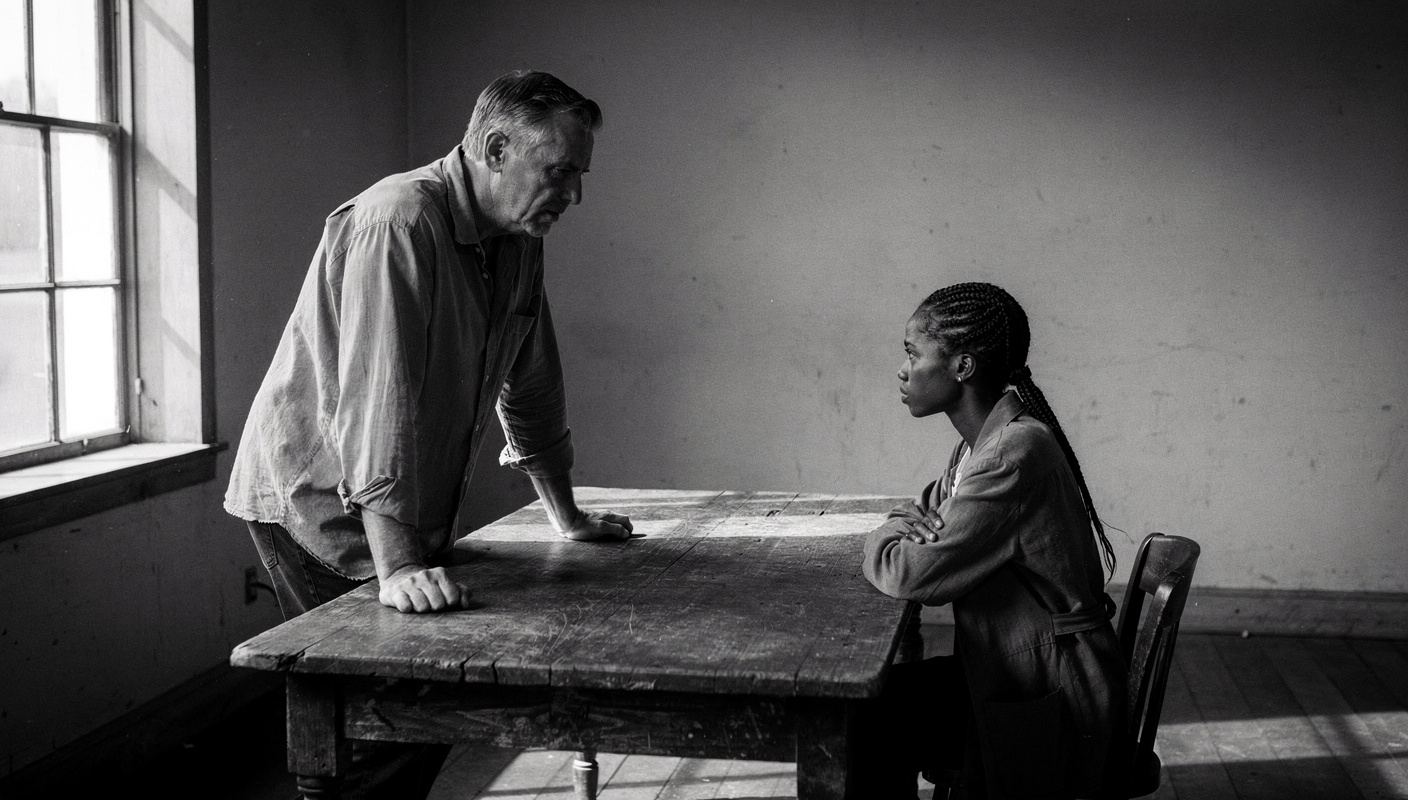
You have probably seen it. Someone stands up to deliver important news, maybe a decision, a proposal, a piece of difficult feedback, and their words say "I am confident in this." But their shoulders are curled inward, their eyes keep dropping to the floor, and their hands are gripping each other behind their back. The room hears confidence. The room sees fear. And the room believes what it sees.
Here is why this happens so often. Most people know that physical expression skills matter, but knowing and doing are completely different things. Under pressure, the body defaults to old habits: the tightened jaw, the shrinking posture, the hands shoved in pockets. Nobody taught them how to manage this. They were taught to choose better words, not to choose better movement.
The deeper problem is that most people try to fix this by thinking harder in the moment. That never works. The moment you are speaking is the worst time to manage your body consciously. You need a system you have already built.
In this guide, you will get a clear, practical process for developing physical expression skills that you can use immediately.
Why Aligning Body Language With Speech Is Harder Than It Looks
Knowing that your body needs to match your words is one thing. Actually making it happen when the stakes are high is another matter entirely.
I have spent decades watching people struggle with this. The gap between intention and delivery is real, and it is not caused by weakness. Here is what actually makes it hard:
You cannot see yourself while you speak. You have a clear internal sense of what you intend to project, but no live mirror. What feels open and engaged inside often looks closed and guarded from the outside.
Anxiety hijacks your body before your brain notices. Cortisol contracts muscles, lifts shoulders, and locks the jaw. By the time you register that you feel nervous, your body has already been broadcasting it for thirty seconds.
Old habits are physically deep. If you spent years sitting in classrooms and boardrooms trying to look smaller, that posture became your normal. Your body returns to it like water finding its level.
You are managing too many things at once. When you are thinking about your content, your listener's reaction, and the words coming next, your physical presence falls completely off your awareness.
Nobody gives you honest feedback on this. People will tell you your presentation was good. They will not tell you that you folded your arms when you said the hardest part, which is the thing that actually mattered.
Deliberate movement feels fake at first. When you first try to use intentional gestures or hold a strong stance, it feels theatrical. That discomfort makes people abandon the practice before it becomes natural.
The goal is not to eliminate these difficulties. It is to build a system that works in spite of them.
"The Conversation You're Avoiding Is the One You Need to Have."
"The Conversation You're Avoiding
Is the One You Need to Have."
Stop rehearsing conversations you'll never have. Say It Right Every Time gives you 115 word-for-word scripts and 16 proven frameworks to speak with confidence in every conversation that matters.
The Foundation: What You Need Before You Start
Before you begin, there are three things that need to be clear.
A specific message to deliver. Physical expression does not exist in a vacuum. You need to know exactly what you are trying to communicate, the core point in one sentence, before you can decide how your body should carry it. Vague messages produce vague bodies. Clarity of intention is the first condition.
A recording of yourself speaking. Before you can change anything, you need honest evidence of what you actually look like when you speak. This is not comfortable. Most people are surprised, even shocked, by the gap between their internal experience and what the camera shows. Watch without judgment. Look for moments where your body and your words diverge.
Enough space and time to rehearse physically. You cannot develop physical expression skills by sitting at a desk and reading about them. You need to stand up and practice. Find a room where you can move freely without feeling observed. Fifteen minutes of standing rehearsal does more for your physical delivery than two hours of note-taking.
Get these right first. The steps that follow will not work without them.
Step 1: Identify Your Body's Default Patterns
This step is about honest observation before any change.
Most people walk into a conversation or presentation without any awareness of what their body does under pressure. This step forces you to find out. Watch your recording with the sound off first. You will see your posture, your gestures, your facial expression, and your eye contact as a separate story from your words. This is what the room actually receives.
- Watch the recording with no sound and note three specific moments where your body contracted, avoided, or tightened.
- Write down your default posture: do your shoulders rise, do your arms cross, do your eyes drop at key moments?
- Identify which moments in your message triggered the strongest physical shift, usually the most important or most vulnerable sentences.
- Note what your hands do by default: do they grip, hide, gesture randomly, or stay still?
- Describe, in one sentence for each, what a stranger would infer about your emotional state from watching that recording silently.
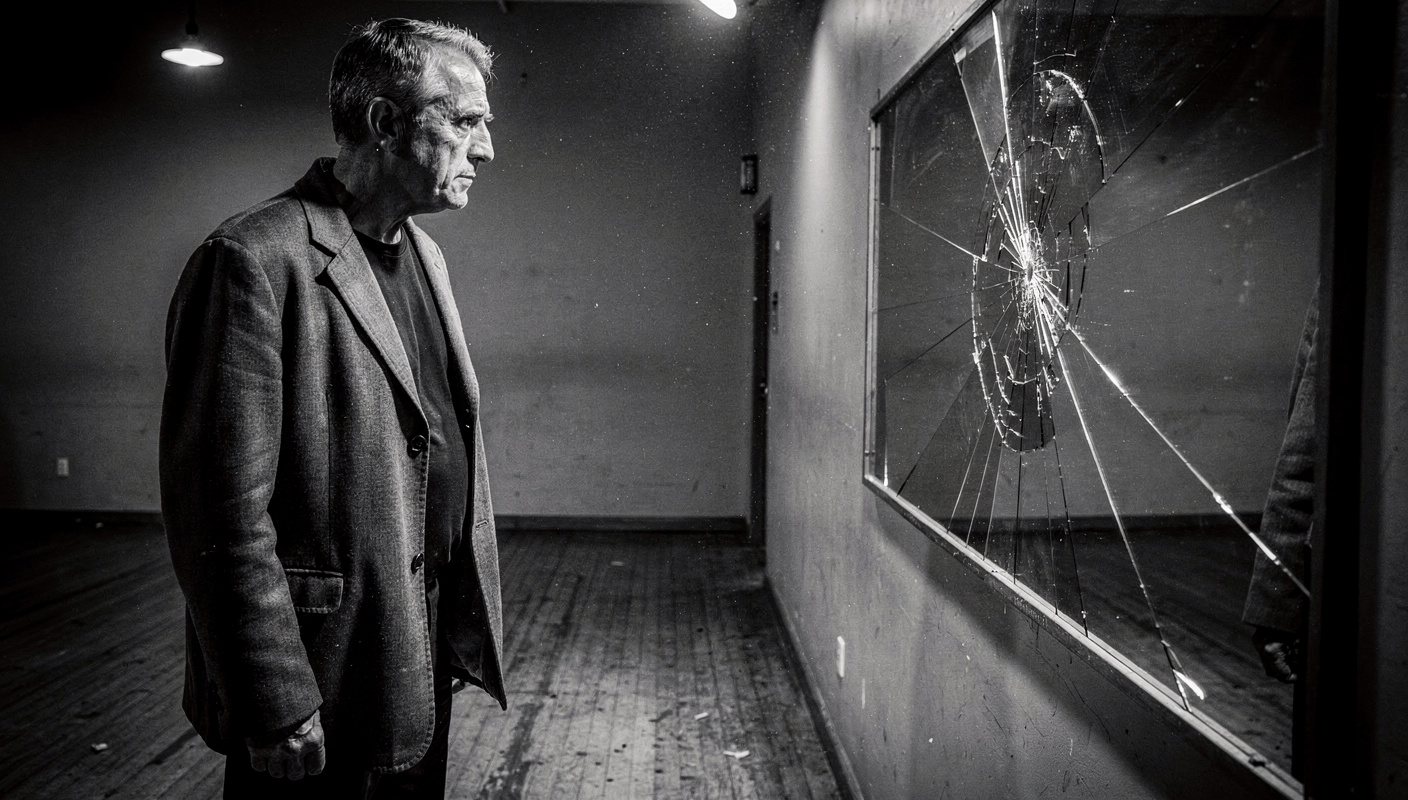
Here is what this looks like in practice. I once worked with a manager who was convinced she projected calm authority. We watched a recording of her leading a difficult team conversation. With the sound off, she looked uncertain, even apologetic. Her chin dropped every time she made a key point. Her shoulders rose when she named the decision. Her hands were constantly moving without purpose. None of that matched the confident message she thought she was delivering.
Once you see your patterns clearly, you can begin to change them. You cannot fix what you have not yet named.
Step 2: Define the Physical Stance That Matches Your Message
Now that you know what your body does by default, you can design what it should do instead.
Every message has an emotional core: conviction, compassion, urgency, steadiness. Your body needs to carry the same weight as your words. A message about a hard decision needs a grounded stance, not a hovering one. A message about care and support needs open gestures, not folded arms.
- Write down the emotional core of your message in a single word: is it firm, warm, urgent, direct?
- Choose a physical stance: feet shoulder-width apart, weight even, shoulders dropped and back, chin level.
- Decide on your default hand position: loose at your sides, or one hand resting on a surface for grounding.
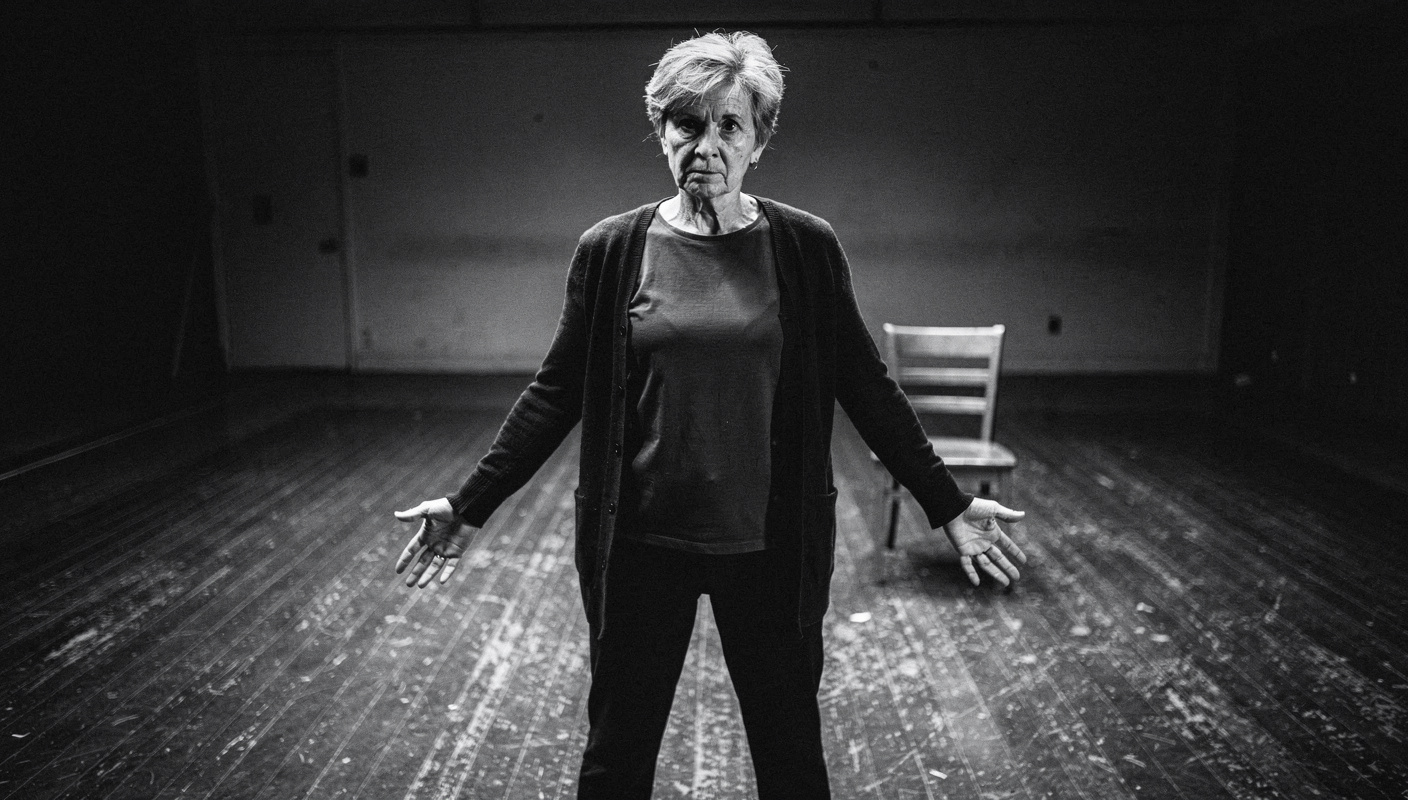
- Identify two or three specific gestures that match your message: an open palm for honesty, a firm downward motion for emphasis, a slow outward spread of both hands for inclusivity.
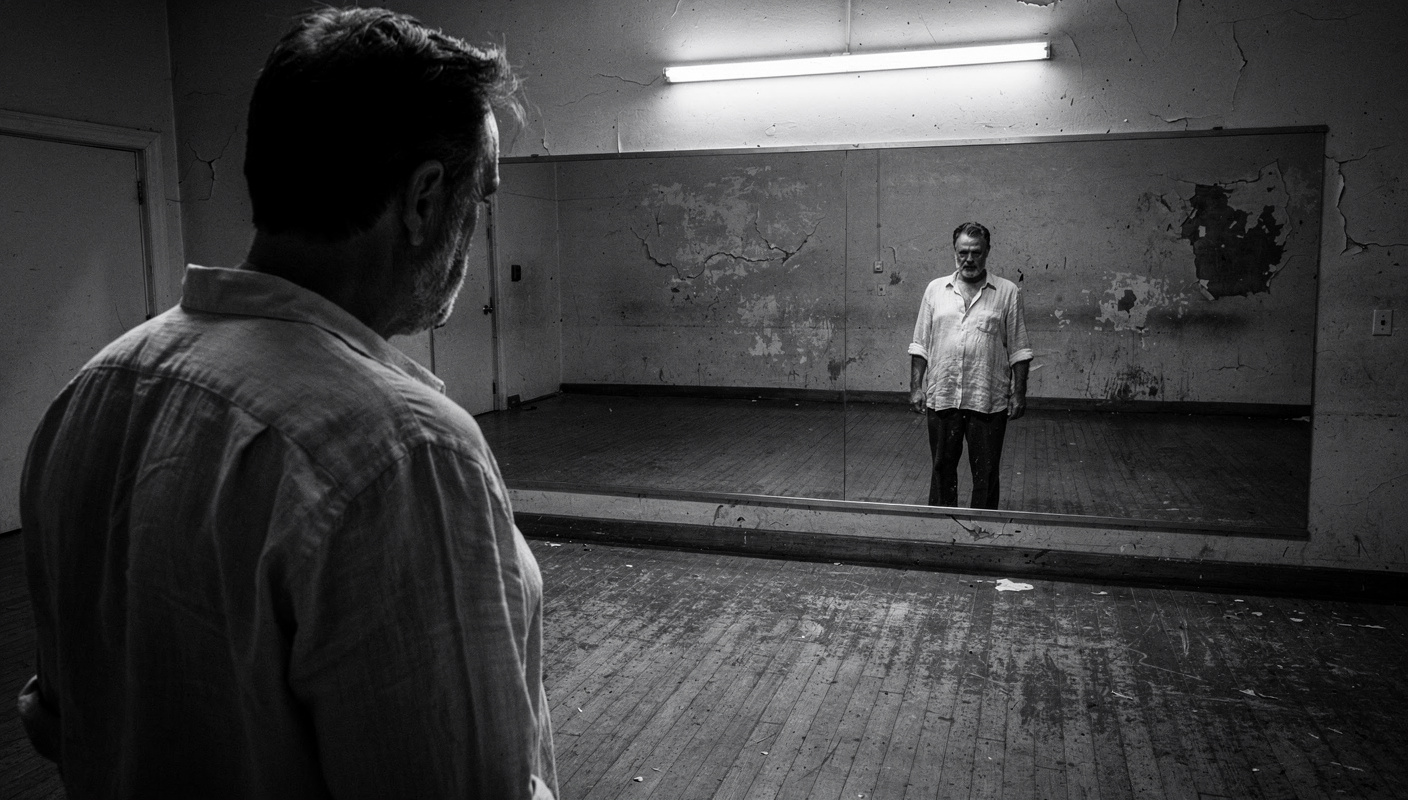
- Practice the stance in front of a mirror until it feels settled rather than performed.
The goal is not to look like an actor. It is to remove the physical contradictions that undermine your words. A grounded stance signals that you mean what you say.
Step 3: Rehearse the Alignment Out Loud and on Your Feet
This is where the real work happens, and where most people skip ahead too quickly.
Reading through your message while sitting does nothing for your physical delivery. You have to stand up, use your voice at full volume, and practice the stance and gestures you chose in Step 2 at the same time. This feels awkward at first. That is normal. Awkwardness is evidence that you are overwriting an old habit with a new one.
- Stand in the room you will actually speak in, or the closest available equivalent.
- Deliver your message aloud, at the volume and pace you intend to use, while holding your chosen stance.
- At every key sentence, consciously use the specific gesture you identified for that point.
- Record this rehearsal and watch it back with the sound off, as you did in Step 1.
- Repeat until the body and the words tell the same story without conscious effort.
Here is an example worth holding onto. Before a tense feedback session with a senior colleague, I rehearsed standing in my kitchen, full voice, for twelve minutes. The first three run-throughs were uncomfortable. By the fifth, the posture felt natural, and the gestures stopped feeling deliberate. When the actual conversation happened, my body had already been there. The alignment was already built in.
This kind of deliberate, physical rehearsal is what separates people who communicate with real presence from those who merely hope for it.
Step 4: Anchor Key Moments With Intentional Gestures
Gestures do not support your message by accident. They need to be chosen, rehearsed, and placed at specific moments.
Random movement creates visual noise that distracts your listener and dilutes your message. Intentional gestures act as punctuation for your spoken words. They direct attention, reinforce emotional weight, and help your listener hold onto the points that matter most. Think of them as a physical underlining of the sentences that carry the most meaning.
- Go through your message and mark the three most important sentences or transitions.
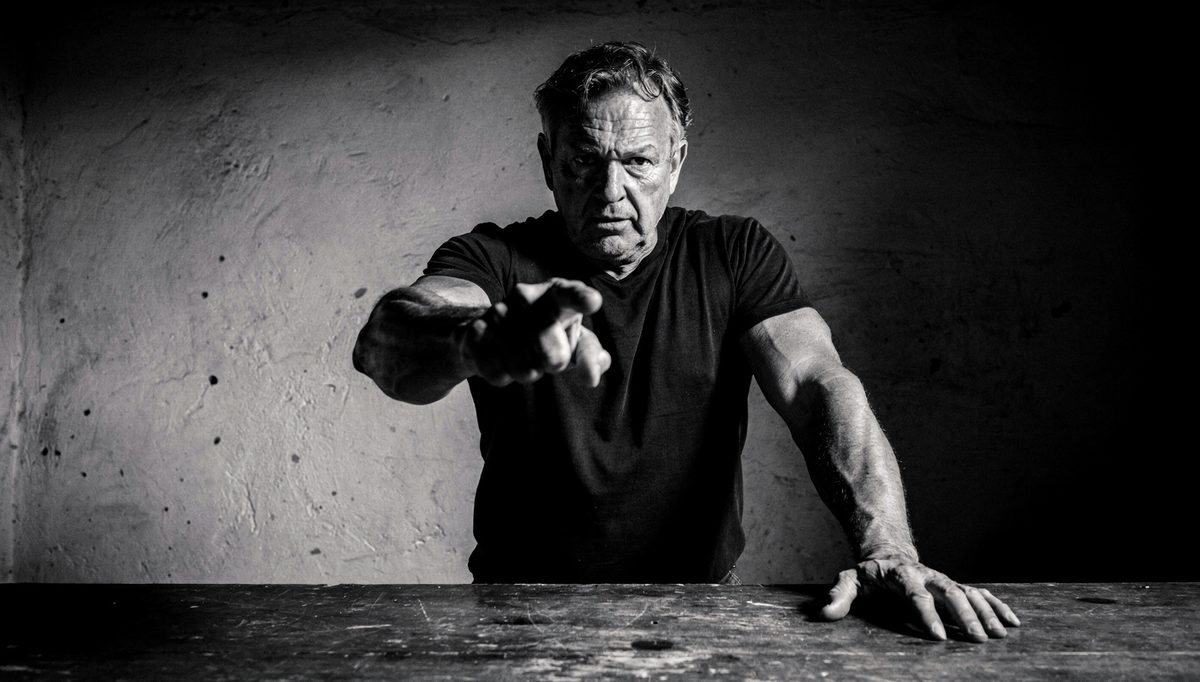
- Assign one specific gesture to each: a firm single-handed point for a decision, an open two-handed offering for a shared goal, a slow pause with both hands still for a moment that needs weight.
- Practice each gesture in isolation until it feels clean and purposeful, not decorative.
- Record yourself delivering just those three moments with their gestures and watch it back.
- Check that the gesture lands at the same time as the word it is meant to reinforce, not a beat before or after.
Timing matters more than people expect. A gesture that arrives late looks like an afterthought. A gesture that arrives early looks like a nervous habit. The synchrony between the movement and the spoken word is what creates emphasis and credibility.
For the internal link worth following here: if you want to understand how emotional intelligence shapes the way your body responds in team settings, The Role of Emotional Intelligence in Team Synergy gives you the relational context that makes this kind of presence possible.
Step 5: Manage Eye Contact as a Deliberate Tool
Eye contact is not simply about looking at people. It is about choosing where to rest your gaze with intention, and holding it long enough to signal conviction.
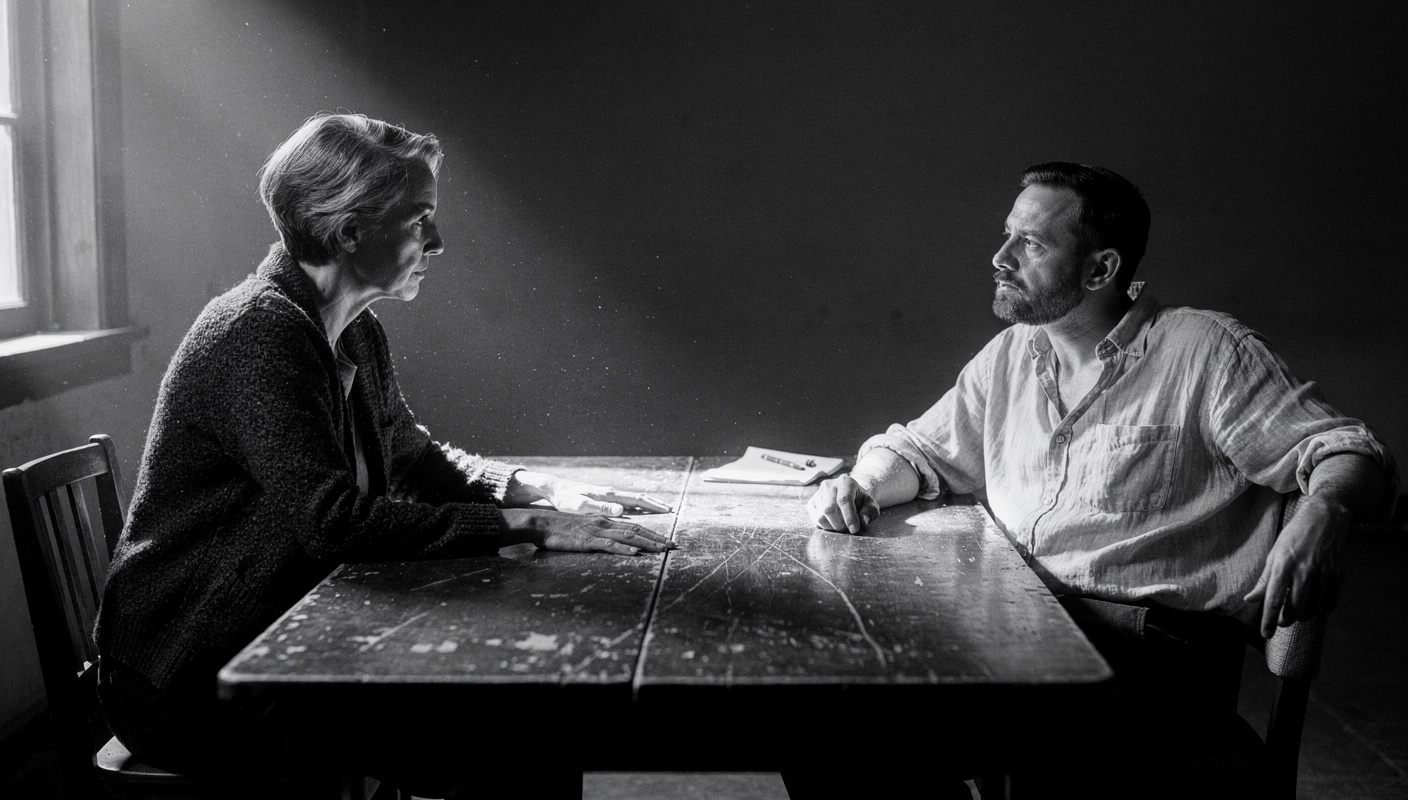
Most people either avoid eye contact when they feel exposed, or scatter their gaze rapidly across the room as a way of managing anxiety. Both patterns signal the same thing to your listener: the speaker is not fully grounded in what they are saying. Deliberate eye contact is one of the most powerful physical expression skills you can develop, precisely because so few people use it well under pressure.
- Identify two or three specific people in the room, or one fixed point in a camera if you are presenting remotely, and practice resting your gaze there for three to five full seconds.
- When you deliver your most important sentence, hold eye contact with one person through the entire sentence rather than glancing away at the end.
- When you transition to a new point, allow your gaze to move naturally to a different person, as if passing a baton.
- In your rehearsals, practice sustaining eye contact with a fixed point during the moments when you feel most exposed. This is where the habit matters most.
- Watch your rehearsal recording and note any moments where your eyes dropped, narrowed defensively, or scattered. These are your pressure points.
Here is the honest truth about eye contact. In a difficult feedback conversation, the temptation to look away when you say the hard sentence is almost overwhelming. Looking away feels kind. But your listener experiences it as doubt. Holding your gaze steady through the hardest line is an act of courage, and it lands with a respect that words alone cannot produce.
If you are preparing for a difficult conversation specifically, Word-for-Word Scripts for Giving Constructive Feedback at Work gives you the language to pair with the physical alignment you are building here.
Step 6: Use Pausing and Stillness as Physical Punctuation
The moments when you are not moving or speaking carry as much weight as the moments when you are.
Most people fill silences with movement: they shift their weight, touch their face, glance at their notes, or let their hands flutter. Every one of these movements signals discomfort and draws attention away from the message. Learning to be physically still during a pause is one of the hardest and most powerful physical expression skills in practice.
- Identify the three moments in your message where a pause would give the listener time to absorb something important.
- In rehearsal, practice stopping all movement for a full two seconds during each pause: feet planted, hands still, eyes holding.
- Practice the pause as an active choice, not an absence of movement. It signals to your listener that what just came before deserves their attention.
- Record the pauses and watch them back. What feels like an endless silence to you often reads as powerful emphasis to the person watching.
The combination of stillness, sustained eye contact, and a grounded stance creates presence. Presence is what people remember long after the specific words have faded.
For conversations where the stakes are high and the dynamic is tense, What Is Psychological Safety and How It Drives Team Synergy explains why the physical safety you project in your stance and stillness matters as much as the words you choose.
Step 7: Debrief and Refine After Every Real Conversation
This step is the one that turns short-term improvement into lasting physical expression skills.
Most people finish a difficult conversation or presentation and immediately move on to the next thing. That is where the learning stops. If you debrief honestly, within an hour of the conversation while the physical sensations are still fresh, you compress the time it takes to build genuine congruence between your body and your message.
- Ask yourself one question immediately after: where did my body and my message diverge?
- Write down the specific moment, the sentence, the transition, or the question where you felt your posture shift or your eye contact drop.
- Identify what triggered it: was it an unexpected response, a moment of vulnerability, or a point you had not rehearsed enough?
- Go back to Step 3 and rehearse that specific moment again, with the updated physical intention.
- Before your next similar conversation, add that moment to your rehearsal sequence as a specific pressure point to prepare for.
This process compounds. The first time you give difficult feedback, you will lose physical alignment at the hardest sentence. The fifth time, you will hold it. Not because you have become fearless, but because you have rehearsed that exact moment enough times that your body knows what to do.
For the full picture on how this kind of physical presence supports feedback conversations, Emotional Intelligence in Feedback Conversations is worth your time. And if you want to understand how physical congruence builds connection inside a team, How Empathy Bridges in Team Communication Create the Conditions for Lasting Synergy shows you the broader relational picture.
Adapting This Process for Remote and On-Camera Communication
Remote communication strips away most of the physical space you usually work with, and that changes what physical expression skills require.
When you are on a video call, your listener sees a cropped version of you: typically shoulders to forehead, with limited depth behind you. Every physical signal is compressed into that small frame. Subtle posture shifts that would be invisible in a room become prominent on screen.
Camera height and eye level. If your camera is below eye level, you will appear to be looking down at your listener, which reads as either disinterest or dominance. Place your camera at eye level or slightly above. This small adjustment changes the entire emotional register of the interaction.
The upper body replaces the full body. In a room, you can use your full stance and movement. On camera, your posture from the waist up carries everything. Pulled-back shoulders, a lifted chin, and a slight forward lean signal engagement. Slouching into your chair signals disconnection, regardless of how well-chosen your words are.
Gestures must stay within the frame. Wide gestures disappear off screen and leave your listener watching an empty background. Keep deliberate gestures within the visible frame, typically between your shoulders and just below your chin.
Pausing and stillness are amplified on screen. A two-second pause in a room feels brief. On a video call, it feels longer, and it carries more emphasis. Use this. A still face and steady eye contact directed at the camera during a pause carries significant weight.
Eye contact means looking at the camera, not the screen. This is the hardest adjustment. Your instinct is to look at the faces on your screen. But to your listeners, that reads as looking down. Practice looking directly at the camera lens, especially when delivering key sentences.
The core process for developing physical expression skills does not change in remote settings. Only the canvas changes.
Common Mistakes to Avoid
Let me tell you about the mistakes I see most often. I have made most of them myself.
The mistake: Rehearsing words but not body.
Why it happens: People assume that if the content is clear, the body will follow.
What to do instead: Always rehearse on your feet, at full voice, with your specific gestures and stance active. Words and body need to be practiced together, not separately.
The mistake: Using gestures that have no connection to the meaning of the sentence.
Why it happens: People gesture to relieve anxiety, not to amplify meaning.
What to do instead: Choose two or three specific gestures before you speak and attach each one to a specific point. Random movement is noise; intentional movement is signal.
The mistake: Breaking eye contact at the most important sentence.
Why it happens: Vulnerable moments trigger the instinct to look away, which feels protective.
What to do instead: Mark your key sentences in rehearsal and practice holding eye contact through them specifically. That is where it matters most.
The mistake: Collapsing posture when challenged or questioned.
Why it happens: A challenge feels like an attack, and the body responds by making itself smaller.
What to do instead: Plant your feet before you respond to a challenge. The physical act of grounding yourself slows your nervous system and holds your credibility steady. Connecting physical alignment with How to Give Feedback That Strengthens Team Synergy Instead of Breaking It helps here.
The mistake: Abandoning deliberate practice after one uncomfortable rehearsal.
Why it happens: Intentional physical movement feels theatrical and unnatural at the start.
What to do instead: The discomfort is the sign that you are overwriting an old habit. Hold through it. What feels forced at rehearsal feels natural in the room.
The mistake: Treating the debrief as optional.
Why it happens: After a difficult conversation, people want to move on, not revisit it.
What to do instead: Spend five minutes immediately after to write down where your body diverged from your message. That note becomes your rehearsal starting point for next time.
These are not character flaws. They are gaps in the system. Fix the system.
Your Practical Checklist
Use this checklist before you begin and after each cycle.
- I have identified the one-sentence emotional core of my message before rehearsing.
- I have watched a recording of myself speaking and noted three specific body-word divergences.
- I have chosen a specific stance: feet planted, shoulders down, chin level.
- I have assigned a deliberate gesture to each of my three most important sentences.
- I have rehearsed the full message standing up, at full voice, at least five times.
- I have practiced holding eye contact through my key sentences without looking away.
- I have identified the three moments where I will pause and practiced physical stillness during each.
- I have recorded my rehearsal and watched it with no sound to check for alignment.
- I have adjusted my camera height so my eye level meets the lens directly.
- I have debriefed after my last real conversation and noted where my body diverged.
- I have rehearsed my identified pressure points specifically in my most recent practice session.
- I have reviewed How to Give Constructive Feedback Without Causing Tension to integrate physical alignment with my feedback delivery.
If you cannot check most of these, that is your starting point.
Summary and Next Steps
You now have a working process for something most people leave entirely to chance. You can identify your default physical patterns, design a body that matches your message, and rehearse that alignment until it holds under real pressure.
- Physical expression skills begin with honest observation: watch yourself with no sound and see what the room actually receives.
- Your body needs a specific design before you speak: stance, gesture, eye contact, and stillness each carry meaning.
- Rehearsal must happen on your feet, at full voice, with your physical choices active, not in your head.
- Deliberate gestures placed at specific key sentences amplify meaning; random movement dilutes it.
- Eye contact held through your most vulnerable sentences is the highest-trust signal you can send.
- Pausing and stillness are forms of emphasis, not absences of communication.
- Debriefing after every real conversation is what converts short-term effort into permanent physical expression skills.
Your next step is to pick one conversation coming up in the next 48 hours and apply this process to it completely. Do not wait for a high-stakes presentation. Build the habit on a regular conversation first.
If you want the relational context around physical presence in group settings, start with What Is Psychological Safety and How It Drives Team Synergy. For applying this alignment specifically to feedback, How to Give Constructive Feedback Without Causing Tension takes you into the detail.
Your words only carry as much weight as your body is willing to stand behind them.
Frequently Asked Questions (FAQ)
What are physical expression skills in communication?
Physical expression skills are your ability to align gestures, posture, facial expressions, and movement with your spoken words. When these elements work together, your message carries more conviction and your listener trusts what you say. When they conflict, the body always wins.
How do you improve your physical expression when speaking?
You improve physical expression through deliberate practice: record yourself speaking, identify where your body contradicts your words, and rehearse specific gestures and posture until alignment feels natural. Slow, consistent repetition builds the muscle memory that makes congruence automatic under pressure.
Why does physical expression matter in professional communication?
Your body communicates before your mouth opens. Posture, eye contact, and facial expression shape how listeners receive your words. Misalignment between your body and your message signals doubt or dishonesty, even when none exists, which quietly destroys the trust you are trying to build.
Can physical expression skills be learned or are they natural?
Physical expression skills are learned, not inherited. Most people develop habits of tension, avoidance, and disconnection over years of anxious speaking. These habits can be identified and replaced with deliberate, congruent movement through structured rehearsal and honest self-observation.
What is the most common physical expression mistake in communication?
The most common mistake is collapsing your posture when delivering difficult or important messages. People shrink when they feel exposed, which signals weakness and undermines the very words they are trying to land. Planting your feet and opening your stance changes everything.
How do gestures affect the impact of your spoken message?
Gestures amplify your spoken message when they mirror your meaning: an open palm signals honesty, a firm downward motion signals certainty. Random or contradictory gestures create noise. Rehearsed, intentional gestures direct the listener's attention and reinforce the emotional weight of your words.