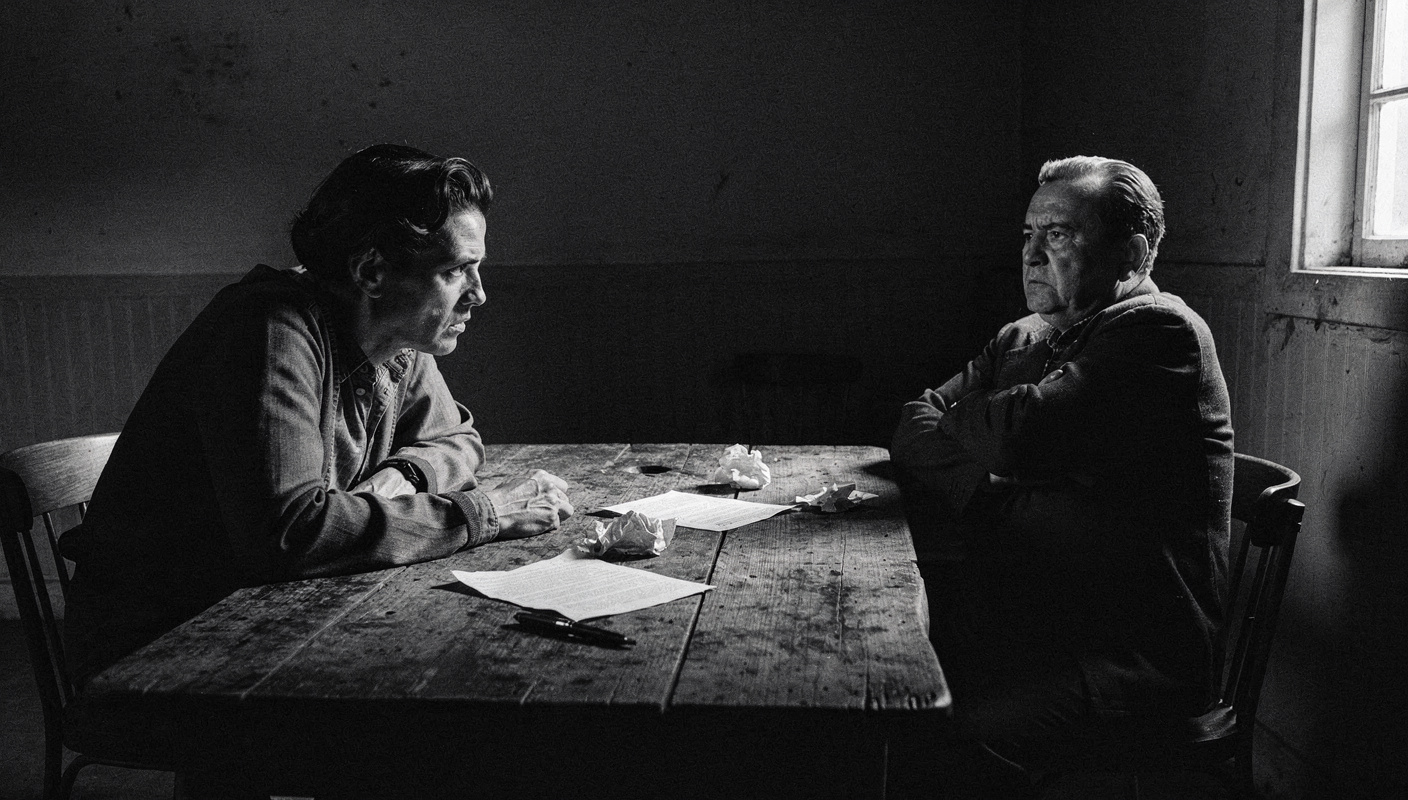

In Short
Not all conflict is the same, and treating it as though it is will cost you.
- Healthy conflict challenges ideas and strengthens decisions; harmful conflict attacks people and erodes trust.
- The difference is not about how loud the disagreement gets, but about what it targets and whether it moves toward resolution.
- You can learn to recognise the difference in real time and redirect a conversation before it crosses the line.
Healthy and harmful conflict describes the distinction between two fundamentally different kinds of workplace disagreement. Healthy conflict is productive friction focused on ideas, decisions, or approaches. Harmful conflict targets people, escalates without resolution, and leaves relationships and trust damaged in its wake.
I watched a good team fall apart once over a budget decision. Two senior people disagreed on the allocation. The conversation started reasonably enough, then one of them said something about the other's judgement that had nothing to do with the numbers. By the end of the week, they were not speaking. The budget question never got resolved. What had started as healthy conflict crossed a line, and nobody caught it in time. Understanding the difference between healthy and harmful conflict is not an academic exercise. It is the practical skill that determines whether disagreement makes your team stronger or tears it apart.
What Healthy Conflict Actually Looks Like in Practice
Healthy conflict is productive friction. It is what happens when two people who both care about an outcome see it differently and are willing to say so. The disagreement stays anchored to the problem: a decision, a direction, a way of working. Neither person is under attack. Both are present, engaged, and at least partly open to being wrong.
Here is the truth of it: healthy conflict requires courage. It is easier to stay quiet, to nod along, to let a poor decision pass unchallenged. The person willing to say "I think we are missing something here" is doing the team a service, even when the conversation that follows is uncomfortable. That discomfort is not a problem. It is the work.
You know healthy conflict is operating when the conversation produces something. A better decision. A clearer plan. A shared understanding that did not exist before. Both people might leave the table frustrated, but they leave with respect intact. The relationship can carry the weight of the disagreement because the disagreement was never really about them.
If your team never argues, that is not a sign of harmony. It is a sign that people have decided honesty is not safe. Teams that learn to handle conflict during meetings without letting it become personal tend to make sharper decisions and build stronger trust over time.
"The Conversation You're Avoiding Is the One You Need to Have."
"The Conversation You're Avoiding
Is the One You Need to Have."
Stop rehearsing conversations you'll never have. Say It Right Every Time gives you 115 word-for-word scripts and 16 proven frameworks to speak with confidence in every conversation that matters.
What Harmful Conflict Does to People and Teams
Harmful conflict is a different creature entirely. It is not about the problem anymore. Somewhere in the exchange, the focus shifted from the issue to the person, and once that shift happens, the conversation stops being a negotiation and starts being a fight.
The signs are recognisable. Voices that rise not for emphasis but for dominance. Accusations framed as observations. Personal history dragged into a professional disagreement. One person trying to win rather than resolve. The other person defending rather than engaging. Neither listening. Both waiting to fire back.
What makes harmful conflict particularly damaging is what it leaves behind. You can resolve a misunderstanding. You can revisit a bad decision. But when someone has felt publicly undermined, personally attacked, or deliberately humiliated in a professional setting, the residue of that experience does not simply clear when the argument ends. Trust erodes. Cooperation becomes transactional at best. The working relationship carries a new weight that was not there before.
Unmet needs are often the engine driving harmful conflict. The presenting argument is almost never the real issue. When someone reacts with a force that seems out of proportion to the moment, it is worth asking what older frustration is finally finding its voice.
How the Two Types of Conflict Compare
| Dimension | Healthy Conflict | Harmful Conflict |
|---|---|---|
| Focus | Ideas, decisions, processes | Character, motives, personal worth |
| Goal | Resolution and improvement | Winning, or venting |
| Tone | Direct, possibly heated, but respectful | Dismissive, contemptuous, or aggressive |
| Listening | Both parties engage with the other's view | Defensive, interrupting, waiting to speak |
| Outcome | Clarity, better decisions, stronger trust | Damage to relationships, unresolved tension |
| Repair | Natural; the relationship absorbs the friction | Requires deliberate effort and often a structured process |
| Power dynamic | Roughly equal; both feel able to speak | One party often silences or dominates the other |
The table gives you the skeleton. What it cannot show is how quickly a conversation moves between these columns. Healthy conflict does not carry a warning label. It can tip into harmful territory in a single sentence, usually when one person feels cornered and says something designed to wound rather than persuade.
The most important contrasts here are focus and outcome. These two dimensions do most of the diagnostic work. If you can identify what the disagreement is targeting, and whether it is moving toward resolution or away from it, you can locate yourself on this map in real time. That awareness is what gives you a choice about what to do next.
Tone is deceptive. A quiet conversation can be deeply harmful, and a loud one can still be healthy. What matters is not the volume but the direction. Is this moving toward something, or is it circling a wound?
Where the Two Overlap and Why That Grey Area Matters
Let me tell you something I learned the hard way: the line between healthy and harmful conflict is rarely a bright one. Most real disagreements carry elements of both. A conversation that starts as a genuine debate about a project decision can carry the emotional weight of months of small frustrations, and that weight can pull it toward harm without anyone intending it.
This grey area is where most of the real work happens. A conversation that begins productively can tip when one person feels their competence is being questioned rather than their approach. A conflict that looks harmful from the outside, with raised voices and evident emotion, can still be fundamentally healthy if both people remain focused on resolution and leave the exchange with their relationship intact.
The overlap also explains why good people cause harm in conflict without meaning to. They are genuinely trying to resolve something. But they are carrying unspoken grievances, or they feel threatened, or they have not learned to separate the problem from the person. Intent and impact are not the same thing, and harmful conflict does damage regardless of what the person who caused it was trying to do.
Recognising that you are in the grey area is itself a skill. When you can name it in the moment, you have a chance to steer. Tools like the C.O.R.E. Framework exist precisely for this: giving you a way to stay grounded when a conversation starts pulling in a harmful direction.
Three Confusions That Keep People Stuck
Mistaking Silence for Safety
The mistake: Teams with no visible conflict are assumed to be healthy.
Why it happens: Conflict feels uncomfortable, so its absence feels like peace.
What to do instead: Distinguish between genuine agreement and suppressed disagreement. Ask directly whether people have reservations before closing a decision. Silence in a room full of capable people is worth examining.
Treating All Heated Exchanges as Harmful
The mistake: Any raised voice or emotional conversation is labelled as damaging conflict.
Why it happens: We are taught from an early age that anger equals danger, and professional settings amplify this.
What to do instead: Look past the temperature of the exchange to its focus and direction. Emotion in conflict is not the problem. Contempt and personal attack are.
Confusing Conflict Resolution with Conflict Avoidance
The mistake: Stepping in quickly to smooth things over is mistaken for resolution.
Why it happens: Managerial instinct often prioritises calm over clarity, especially in group settings.
What to do instead: Ask whether the underlying issue was addressed or merely paused. A disagreement that ends without resolution will return. De-escalating arguments during meetings is a valuable skill, but it must be paired with genuine follow-through on the substance.
Practical Ways to Work With Each Type
When you recognise healthy conflict in a conversation or a meeting, your job is to protect it. Create the conditions for it to run its course. That means resisting the urge to smooth things over prematurely, making sure both people feel genuinely heard, and keeping the focus on the issue rather than the individuals. The D.E.A.L. Method offers a practical framework for working through disagreements that have become entangled, and it works precisely because it slows the conversation down and returns it to the real issue.
When you are dealing with harmful conflict, speed matters less than direction. Trying to resolve it too quickly produces a surface agreement that does not hold. The first task is to make the conversation safe enough for both people to be honest. That often means naming what is happening without blame: "I think we have moved away from the problem and started making it personal. Can we go back?" It is a simple line, but it takes courage to say it. Most people say nothing and hope the conversation finds its own way back.
When harmful conflict has already caused a breakdown, the repair process is longer and requires more structure. The B.R.I.D.G.E. Method was built for exactly this situation: working relationships where trust has genuinely fractured and needs deliberate reconstruction, not just time. Similarly, when two colleagues have stopped cooperating altogether, the D.E.A.L. Method for defusing tension between colleagues gives you a structured path through what feels like an impasse.
What to Do When You Feel a Conversation Crossing the Line
You will feel it before you can name it. Something shifts in the room. The tone changes. The conversation stops feeling like a search for an answer and starts feeling like a contest. That feeling is data. Trust it.
When you sense that shift, the most effective thing you can do is slow the conversation down. Not stop it, not redirect it to safer ground, just slow it. Ask a clarifying question. Reflect back what you have heard. Name the issue without naming the person as the problem. These moves interrupt the momentum of escalation without shutting down the genuine disagreement underneath.
This much I know for certain: the person who can stay clear-headed when a conversation starts to turn is the most valuable person in any professional relationship. Not because they avoid the conflict, but because they keep it from becoming something that needs a much harder conversation later.
Frequently Asked Questions (FAQ)
What is healthy and harmful conflict?
Healthy conflict is productive disagreement focused on ideas, decisions, or approaches, where both parties remain respectful and solution-oriented. Harmful conflict attacks people rather than problems, escalates without resolution, and leaves trust damaged. The distinction lies in what is being challenged and how.
How do you tell healthy conflict from harmful conflict at work?
Watch what the disagreement targets. Healthy conflict stays on the issue: a decision, a process, a plan. Harmful conflict shifts to character, blame, or personal attacks. Tone, body language, and whether both people feel heard afterward are reliable indicators of which kind you are witnessing.
Can healthy conflict turn into harmful conflict?
Yes, and it happens faster than most people expect. A productive debate tips into harmful territory when one person feels personally attacked, when emotions overtake the substance, or when winning becomes more important than resolving. Recognising that tipping point early is the most important skill you can build.
What causes harmful conflict in the workplace?
Harmful conflict usually grows from unmet needs, unclear expectations, or a history of unresolved tension. When people feel unheard or disrespected over time, small disagreements carry the weight of older grievances. The presenting argument is rarely the real issue. Understanding the deeper need is essential.
How do you turn harmful conflict into healthy conflict?
Redirect the focus from the person to the problem. Name what is happening without blame, slow the conversation down, and ask what outcome both parties actually want. Tools like the C.O.R.E. Framework and the D.E.A.L. Method give you a structured way to do this under pressure.
Is all conflict bad for teams?
No. Teams with no conflict are usually teams where people have stopped being honest. Healthy conflict surfaces better ideas, catches poor decisions early, and builds the kind of trust that only comes from navigating disagreement together. The goal is not to eliminate conflict but to keep it productive.