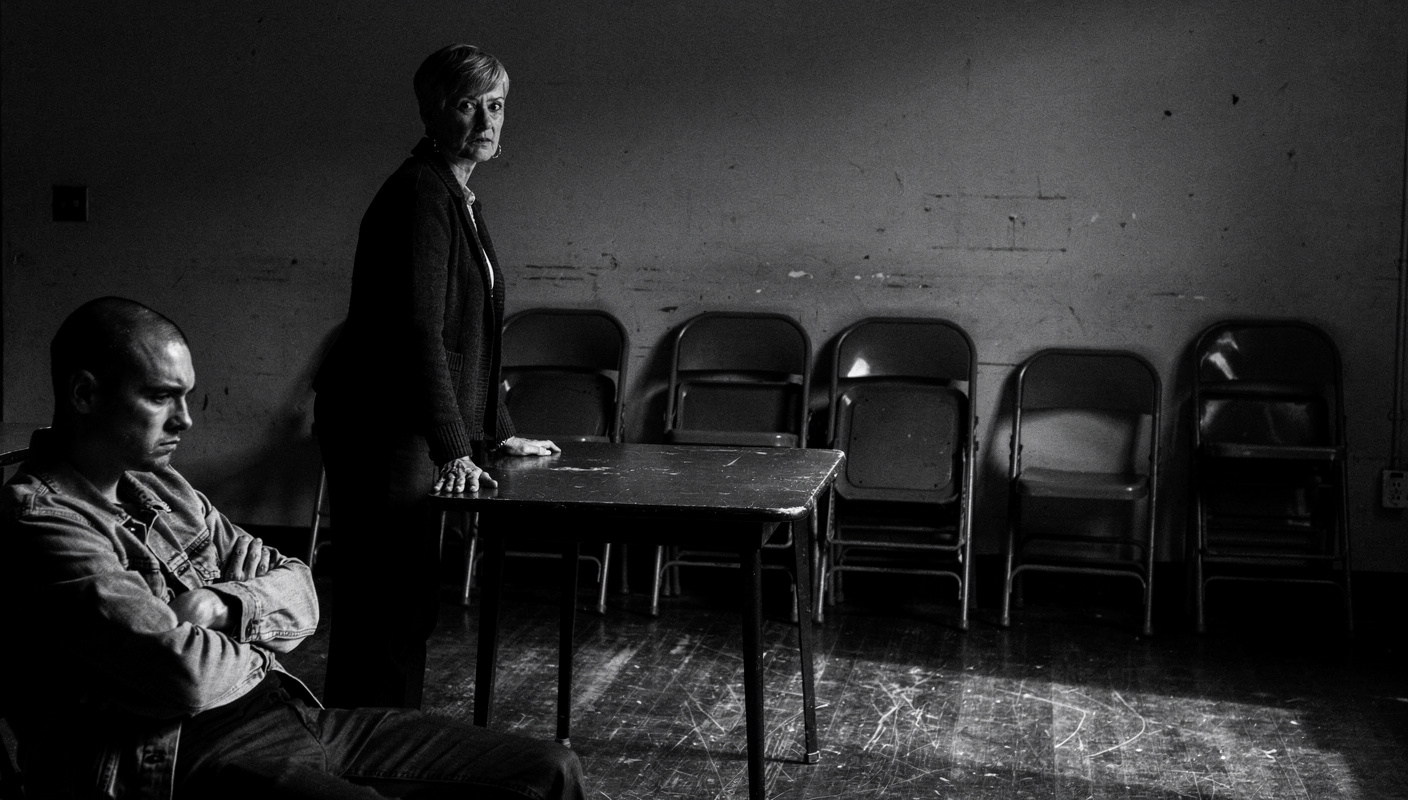

In Short
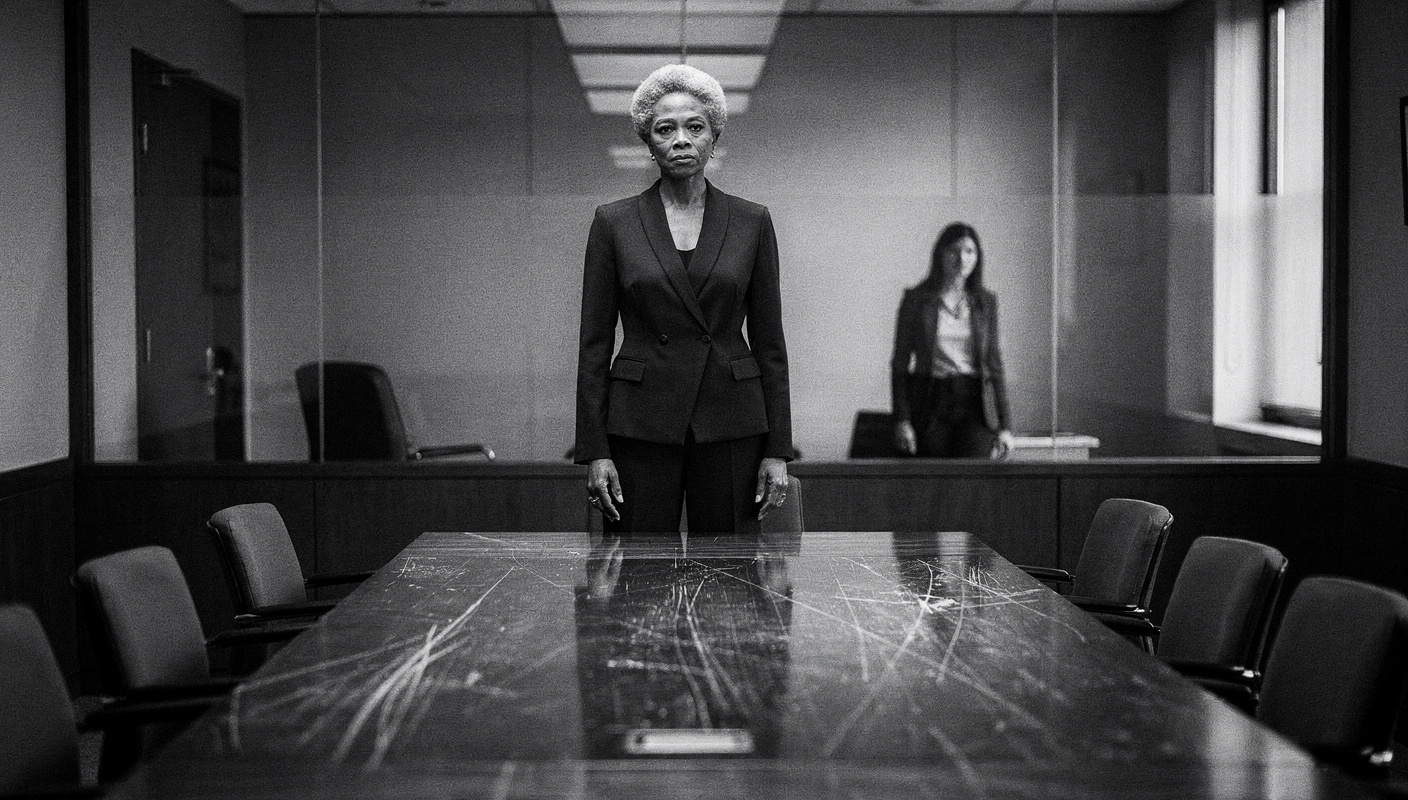
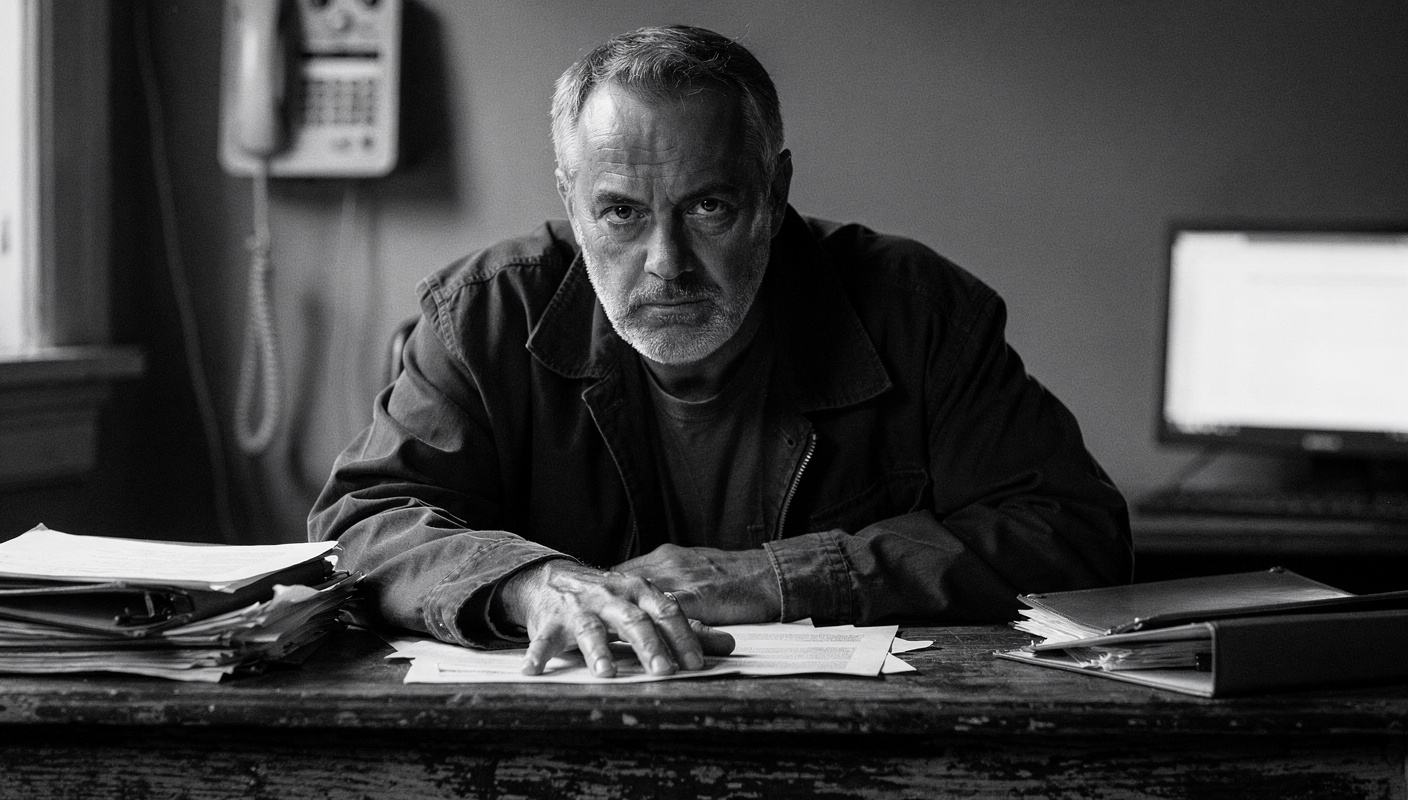
Body language mistakes cost leaders authority before a single word lands. The signals you send through posture, gaze, and gesture are read constantly by your team, and most leaders have no idea what those signals are saying.
- Defensive or closed body language contradicts even your best-chosen words.
- Most of these mistakes develop under pressure and become invisible through repetition.
- Each one has a concrete fix you can begin practicing today.
Body language mistakes are unintentional physical signals, including posture, gesture, gaze, and facial expression, that contradict a leader's intended message. They typically develop under stress, go unnoticed without direct feedback, and quietly erode trust, authority, and connection with the people you lead.
Why These Signals Go Unnoticed for So Long
A leader I know ran a team of twelve people. Sharp, thoughtful, genuinely good at his work. For two years, he wondered why his one-to-ones felt flat and why people seemed reluctant to bring him real problems. He eventually asked a trusted colleague for honest feedback. The answer was simple: every time someone raised a concern, he leaned back, crossed his arms, and looked briefly at the ceiling. He had no idea he was doing it.
That is the nature of body language mistakes in leadership. They do not feel like mistakes. They feel like nothing, because they are unconscious. Most of us learned to monitor our words. Nobody taught us to monitor what our body does while we speak those words. And because the people around you rarely name it directly, the habit continues, quietly shaping the room.
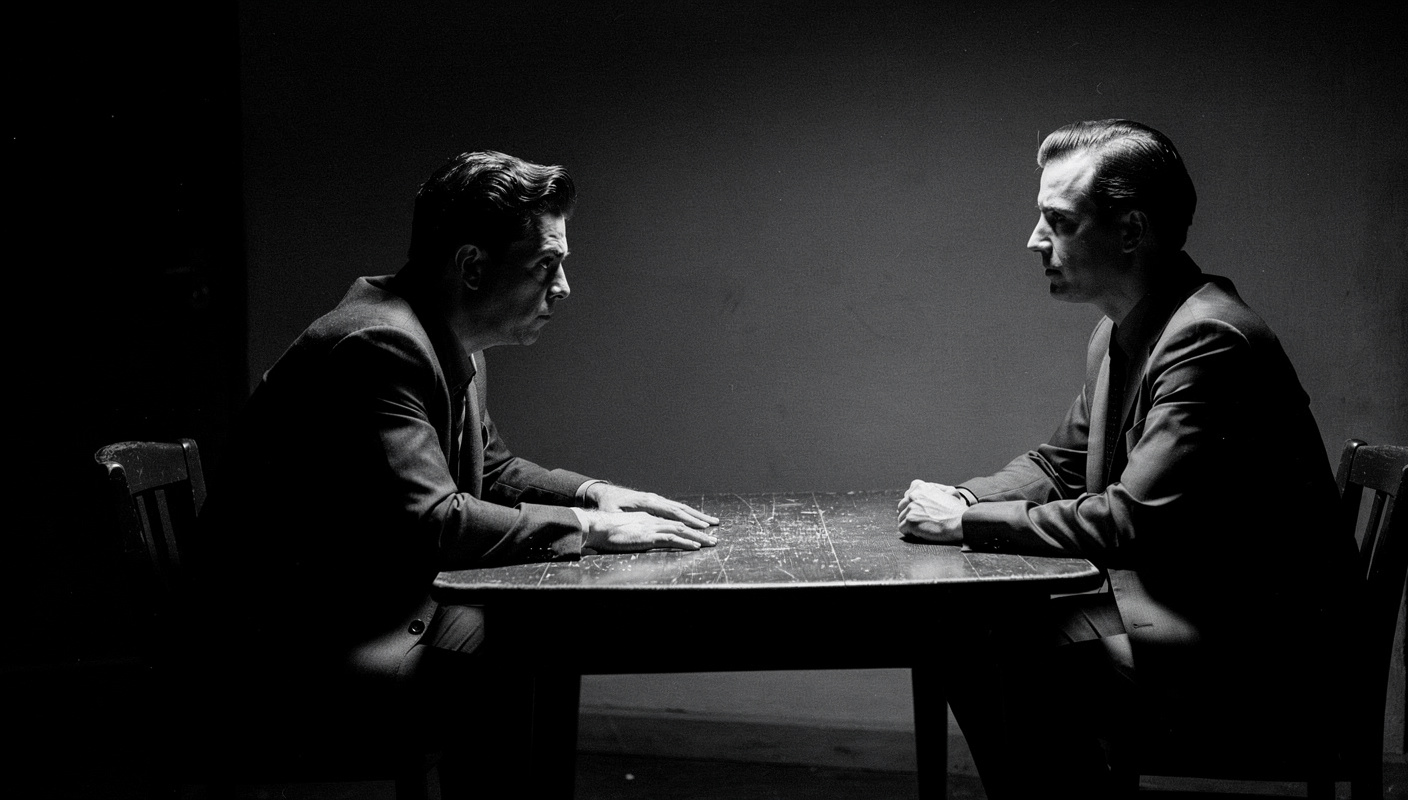
The cost is real. Teams read physical signals constantly, especially from the person in charge. What your body communicates about your emotional state, your openness, and your confidence lands before your argument does. Nonverbal communication in tense situations can amplify these gaps considerably, turning a manageable moment into a fractured one.
"The Conversation You're Avoiding Is the One You Need to Have."
"The Conversation You're Avoiding
Is the One You Need to Have."
Stop rehearsing conversations you'll never have. Say It Right Every Time gives you 115 word-for-word scripts and 16 proven frameworks to speak with confidence in every conversation that matters.
The Body Language Mistakes Leaders Carry Into Every Room
Here are six mistakes I have seen repeatedly, including in myself. For each one, I will tell you what it looks like, why it develops, and what to do first.
1. Arms Crossed During Feedback or Difficult Conversations
What it looks like: You are listening to someone raise a concern or push back on a decision. Your arms move across your chest, hands gripping your own forearms. You may not be aware it has happened.
Why it happens: Crossed arms are a self-soothing gesture. Under social pressure, your nervous system reaches for physical containment. It feels stable. It feels calm from the inside.
Why it matters: From the outside, it reads as closed, defensive, and unreceptive. The person speaking to you instinctively reads the signal and pulls back. You lose the honest exchange you needed.
What to do: Before a difficult conversation, place both hands on the table in front of you, or rest them open in your lap. Give your arms a physical instruction before the emotional pressure arrives. Practice this in low-stakes meetings first.
I caught myself doing this during a performance review early in my career. The person across from me stopped mid-sentence and asked if I was all right. That was the last time I needed reminding.
2. Looking Away at the Moment Someone Says Something Hard
What it looks like: Someone on your team says something vulnerable or critical. At that precise moment, your gaze shifts: to a window, a phone, a point on the wall. The eye contact breaks exactly when it should hold.
Why it happens: Eye contact under emotional pressure is genuinely difficult. The instinct is to look away from discomfort, the same way you might glance aside during a tense scene in a film. It is a very human reflex.
Why it matters: That single break in gaze, timed exactly when someone took a risk to speak, communicates that you could not hold the weight of what they said. It discourages honesty in the future.
What to do: Train yourself to hold eye contact for two full seconds after someone finishes a difficult statement before you respond or look away. Two seconds feels long. It communicates that you received what they said.
This is one of the body language mistakes I see most often in capable leaders. They do not lack care. They lack practice holding steady.
3. Turning Your Torso Away During One-to-Ones
What it looks like: You are seated across from someone, but your shoulders and chest are angled slightly toward the door, the window, or your screen. You are technically present. Your body is not.
Why it happens: Partial torso orientation often reflects divided attention: you are thinking about the next meeting, a message you saw five minutes ago, or a decision waiting for you. The body telegraphs where the mind already is.
Why it matters: People feel the direction of your torso intuitively. A body turned even slightly away signals that the conversation is not your priority. The person across from you shortens what they were about to say.
What to do: When you sit down for a one-to-one, consciously square your shoulders toward the other person and keep them there. If you notice yourself drifting, correct it without comment. The physical reorientation reclaims the conversation.
The role of communication in meeting success depends heavily on this kind of physical presence. The most prepared agenda in the world cannot compensate for a leader whose body left the room early.
4. Nodding Continuously While Someone Speaks
What it looks like: You nod steadily throughout someone's contribution, a slow rhythmic movement that continues regardless of what they are saying.
Why it happens: Continuous nodding is often a learned performance of attentiveness. Somewhere along the way, many leaders decided that visible nodding signals engagement. Done constantly, it becomes a reflex rather than a response.
Why it matters: This one surprises people. Constant nodding does not say "I hear you." It says "I am waiting for you to finish." It can also signal premature agreement, which creates problems later when your actual decision contradicts what your head seemed to endorse.
What to do: Replace automatic nodding with deliberate stillness. Nod once, clearly, when you genuinely agree or understand something specific. Stillness between those moments communicates that you are actually thinking, not just waiting.
When I stopped nodding constantly, three people told me within a week that our conversations felt more serious. I had not changed a single word.
5. Self-Touching Under Pressure
What it looks like: Rubbing your neck, touching your face, adjusting your collar, smoothing your hair. These small self-directed gestures cluster together in moments of challenge or scrutiny.
Why it happens: Self-touching is a self-regulation gesture. The nervous system uses physical contact with the body to reduce anxiety. In stressful conversations, it activates automatically and usually increases as the pressure builds.
Why it matters: These gestures are widely read as signals of deception, anxiety, or a lack of confidence, regardless of what is actually true. If someone is already uncertain about your position, self-touching confirms their doubts.
What to do: In high-stakes moments, give your hands a clear instruction: rest them flat on the table, or hold them loosely together in front of you. This is not about looking relaxed. It is about removing a signal that undermines your credibility. How to handle conflict during meetings becomes significantly easier when your body stops broadcasting anxiety before you have spoken a word.
6. Physically Withdrawing When the Room Pushes Back
What it looks like: Someone challenges your point. You do not move forward. You lean back, shift your weight onto the back leg if you are standing, or draw your shoulders slightly inward. You may not say anything that concedes ground, but your body just did.
Why it happens: Physical withdrawal is a threat response. It is the body preparing for retreat before the mind has processed whether retreat is warranted. Most people do it without realising, and the reflex is stronger in those who dislike confrontation.
Why it matters: Your team reads physical withdrawal as uncertainty about your own position. Even if your words hold the line, the backward lean tells the room you are not sure. How to deal with dominant voices in a discussion becomes far harder when your posture concedes before the conversation resolves.
What to do: Practice the opposite reflex: when challenged, move fractionally forward, or at minimum stay exactly still. You are not being aggressive. You are staying grounded. The C.O.R.E. framework gives you a structured method for holding that ground under pressure.
7. Mirroring Tension Instead of Absorbing It
What it looks like: Someone comes to you agitated, their voice tight, their posture rigid. Within thirty seconds, your own posture has stiffened, your voice has quickened, and the conversation has escalated without either of you choosing to escalate it.
Why it happens: Physical mirroring is one of the deepest social instincts we carry. We sync to the emotional state of the people around us automatically, a process that builds connection in calm conditions and amplifies tension in difficult ones.
Why it matters: As the leader, you are the emotional reference point in the room. If you mirror tension rather than absorbing it, you double the difficulty of every charged exchange. How the S.B.I. method reduces tension when giving corrective feedback relies partly on a leader who can hold steady body language when the other person cannot.
What to do: Before a potentially charged conversation, take three slow breaths and set your baseline deliberately: feet flat, shoulders down, hands open. Then monitor whether your posture shifts when the other person's does. That awareness alone interrupts the mirroring reflex.
The Root Beneath All of It
Here is what I have come to believe after decades of watching this. These seven mistakes are not really seven separate problems. They are one problem with seven faces.
Every one of them is the body responding to pressure without conscious direction. When the stakes are low, your body language tends to take care of itself. When the stakes rise, old protective patterns take over, crossing arms, withdrawing, self-soothing, mirroring tension, because nobody told the nervous system that leadership requires a different response.
The system underneath these mistakes is unmanaged physical awareness. You have learned to manage your words under pressure. You have not yet learned to manage your body with the same intention. Until you do, your posture, gaze, and gesture will continue to send signals you did not choose, to people who are reading them carefully.
A Quick Diagnostic: What Is Your Body Saying Right Now?
Run through these statements and mark each one honestly. Yes means this happens regularly. No means it does not.
- I frequently cross my arms during disagreements or feedback conversations.
- My gaze sometimes drifts away at the moment someone says something difficult.
- My shoulders or torso often angle away from the person I am speaking with.
- I nod steadily and continuously while others are talking.
- I touch my face, neck, or hair when I am under scrutiny or challenged.
- I tend to lean back or step back when someone pushes back on my position.
- I often feel my posture shift to match the tension level of whoever I am speaking to.
If you marked Yes on 1 or 2: You have isolated habits to work on. Pick the one that costs you most and start there.
If you marked Yes on 3 or 4: You are carrying a cluster of habits that are likely affecting how your team experiences your presence. Deliberate practice over the next few weeks will make a visible difference.
If you marked Yes on 5 or more: Your body is working against you regularly. This deserves serious, focused attention. How leaders stay visible in virtual workspaces is worth reading alongside this, because virtual settings amplify every physical habit you carry into a camera frame.
Where to Begin
Do not try to fix all of this at once. That is how people end up performing rather than leading.
Choose the one mistake from this list that you recognised most clearly in yourself. Just one. Then find a way to observe it directly: record a meeting on video and watch it without sound, or ask one trusted person to tell you when they see that specific habit. Observation alone begins to dissolve the unconscious quality that makes these habits so persistent.
From there, give yourself a single physical instruction to replace the habit. Not a general aspiration to "be more open." A specific instruction: hands flat on the table, shoulders squared toward the speaker, hold the gaze for two seconds. Concrete physical directives are the only things that actually change physical behaviour.
Body language mistakes respond quickly to honest attention. That is the encouraging truth of it. What has taken years to form often begins to shift within weeks, once you can actually see it.
Frequently Asked Questions (FAQ)
What are common body language mistakes leaders make?
Common body language mistakes leaders make include crossed arms during feedback, avoiding eye contact, turning the torso away from the speaker, constant self-touching, and nodding excessively. Each of these signals disengagement or anxiety, even when the leader intends to appear calm and open.
How do body language mistakes affect leadership credibility?
Body language mistakes quietly undermine the trust your words are trying to build. When your posture contradicts your message, people believe the posture. Over time, repeated misalignment between what you say and how you hold yourself erodes your credibility with the team.
Can leaders fix body language mistakes on their own?
Yes. Most body language mistakes respond quickly to deliberate, consistent practice. Start by identifying one specific habit through video review or trusted feedback, then work on replacing it with a clear, intentional alternative. Small physical changes compound into lasting shifts in presence.
Why do leaders develop bad body language habits?
Most body language habits form under pressure. Stress, anxiety, or a lack of self-awareness cause leaders to default to protective physical patterns: crossed arms, avoided gaze, turned shoulders. Because no one names these habits directly, they persist unnoticed for years.
What does body language communicate in the workplace?
Body language communicates confidence, openness, authority, and emotional state, often more powerfully than spoken words. In the workplace, how a leader holds their body during conversations, meetings, and feedback sessions shapes how the team reads their intent and their strength.
How can I become more aware of my body language as a leader?
Record yourself in a meeting or presentation and watch it without sound. Notice posture shifts, where your gaze goes, and what your hands do under pressure. Ask a trusted colleague to name one physical habit they consistently observe in you. One honest observation is enough to begin.