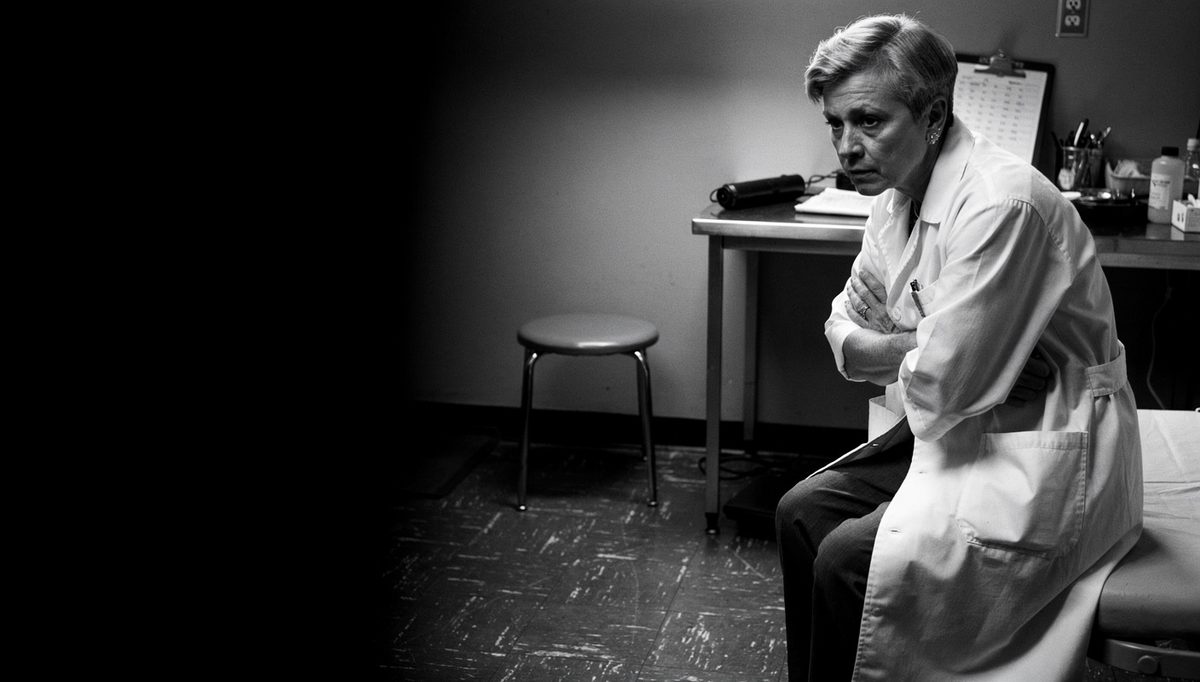

In Short
The body speaks before the mouth does, and in clinical and therapeutic settings, those physical signals carry clinical weight.
- Posture, gaze, and gesture often reveal what a patient cannot or will not say aloud.
- Misreading or ignoring these cues costs trust and, sometimes, accurate diagnosis.
- Practitioners who learn to read body language can reach patients that words alone never would.
Body language medical practitioners rely on refers to the physical signals, including posture, facial expression, gesture, eye contact, and muscle tension, that communicate emotional and physiological states without speech. In clinical settings, these cues often carry diagnostic and relational significance that verbal communication alone cannot provide.
I want to tell you about a moment I watched in a hospital corridor nearly thirty years ago. A senior nurse walked into a room, said nothing, and within twenty seconds knew that the patient in the bed was frightened. Not in pain. Not confused. Frightened. She read it from the way he held his arms, the stillness of his legs, the direction of his gaze. She adjusted her approach before she spoke a single word. That is what body language in medical settings actually looks like when it is working. And the six scenarios below will show you exactly what it looks like, what it costs when it is absent, and how you can develop that same quality of attention.
What to Watch Before the Words Begin
Before you read these examples, I want to give you something to anchor them to. In clinical and therapeutic settings, body language tends to cluster around three channels.
The first is orientation: where does the person point their body? A patient who turns their torso toward you is engaging. One who angles away, even while answering your questions, is managing distance. The second channel is tension: jaw, shoulders, hands, and feet all carry muscle load when someone is anxious or in pain. The third is congruence: do the words match the physical signals? When they do not, trust the body.
Keep those three channels in mind as you read what follows.
"The Conversation You're Avoiding Is the One You Need to Have."
"The Conversation You're Avoiding
Is the One You Need to Have."
Stop rehearsing conversations you'll never have. Say It Right Every Time gives you 115 word-for-word scripts and 16 proven frameworks to speak with confidence in every conversation that matters.
Six Scenarios Where Body Language Changed Everything
1. The Patient Who Said She Was Fine
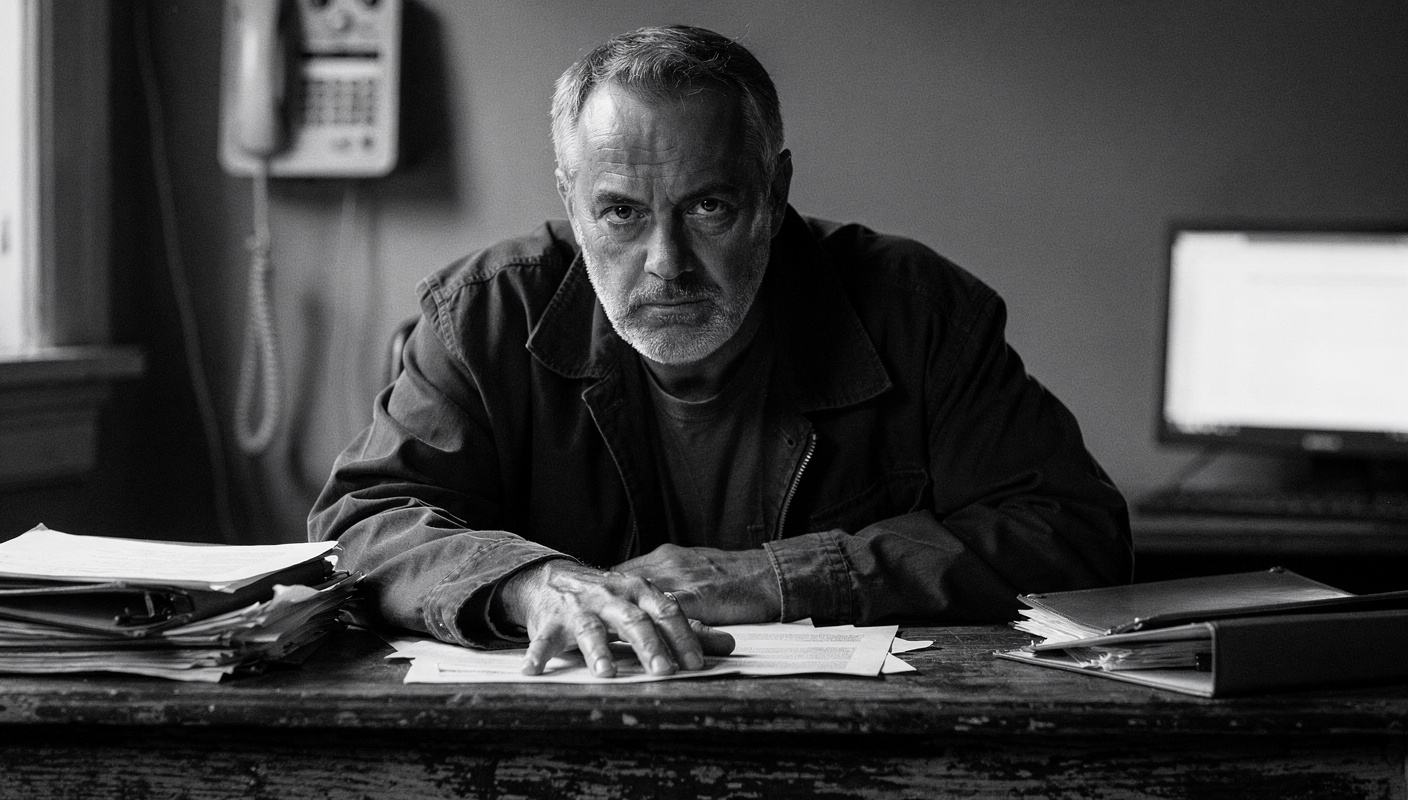
A woman in her early sixties came in for a routine follow-up after a minor cardiac procedure. She sat upright, answered every question crisply, and smiled at the right moments. On paper, she was recovering well. But the consultant noticed that both her hands were pressed flat against her thighs, fingers rigid, and she had not shifted position once in fifteen minutes. Most people fidget. This woman was holding herself still, the way you do when movement feels dangerous.
The consultant paused and said, simply: "You look like you are working quite hard to stay comfortable." The woman's composure broke immediately. She had been experiencing chest tightness for four days and had not mentioned it because she did not want to worry anyone.
That moment of stillness was nonverbal leakage: the body signalling distress while the words performed composure. When you see that kind of rigid self-management, do not let it pass unremarked.
2. A Therapist Who Stopped Noticing
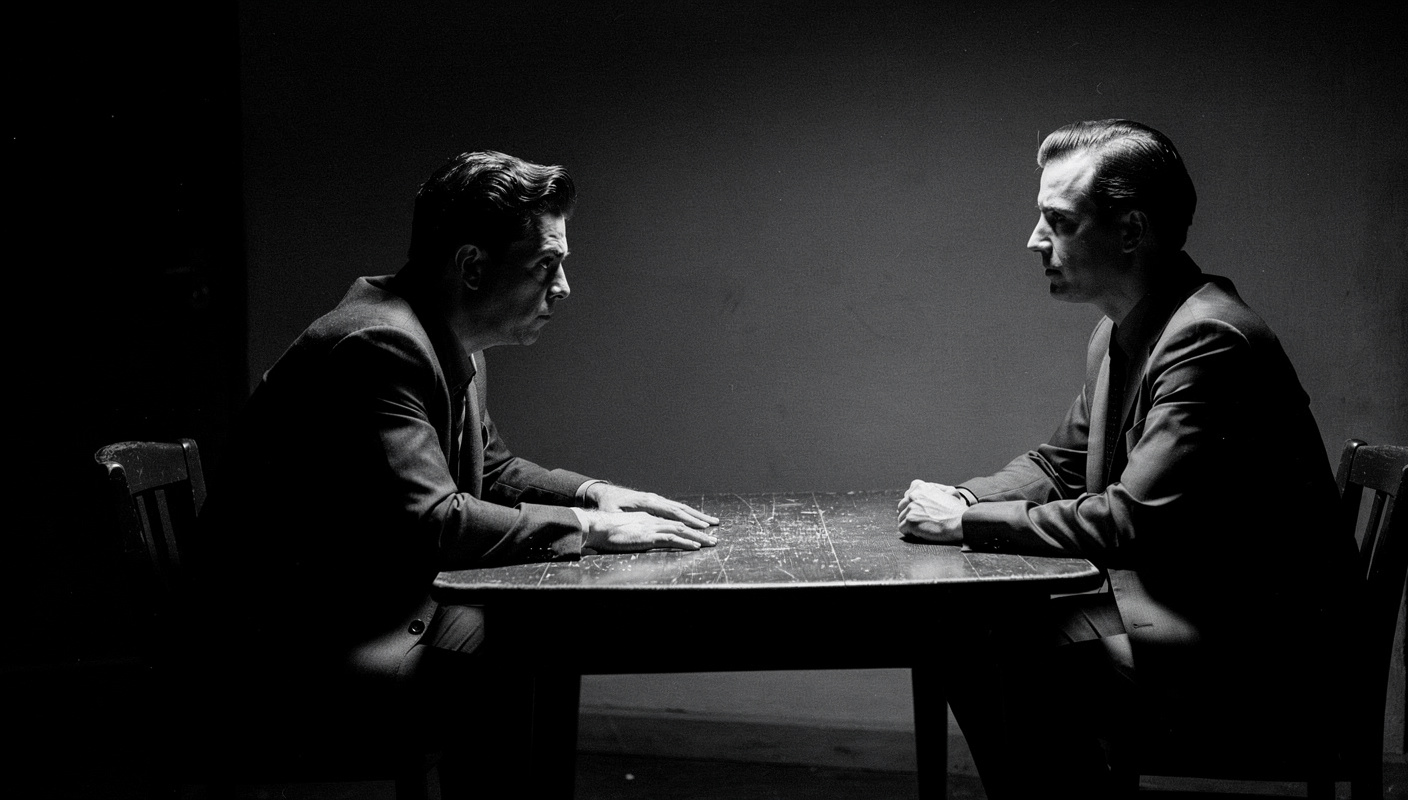
This one cost something real. A therapist working with a man recovering from trauma had seen him weekly for three months. He was articulate and engaged in conversation, and the sessions felt productive. What the therapist did not notice was that over six weeks, the man had begun sitting with his chair angled slightly away from the room's centre. His arms had moved from resting loosely on his knees to folded across his chest. His foot had taken up a slow, rhythmic tap.
The therapist, focused on the verbal content, missed the accumulating physical withdrawal. The man eventually stopped attending. He later told a colleague that he had felt increasingly unsafe in the sessions but could not find the words to say so. His body had been saying it for weeks.
If you want to understand the cost of missing these cues, that story captures it. Reading nonverbal communication in tense situations can sharpen your awareness of exactly this kind of slow-building signal.
3. The Doctor Whose Posture Closed a Conversation
A junior doctor, busy and well-meaning, conducted a consultation while standing. He had a tablet in one hand and was scrolling with the other. He asked his questions efficiently and listened to the answers. But he remained standing throughout, and his torso never fully oriented toward the patient. The patient, a man in his thirties presenting with chronic fatigue, gave brief answers and disclosed nothing about the anxiety and sleep disruption that were almost certainly central to what was happening.
After the appointment, the patient described the doctor as "professional but not really there." He was not wrong. The doctor's physical posture, upright, mobile, instrument in hand, signalled task completion rather than connection. The patient read that signal accurately and responded in kind.
This is why posture is not a soft skill in clinical settings. It is a direct message to the patient about whether disclosure is safe.
4. A Psychiatrist Who Read the Room in Thirty Seconds
A consultant psychiatrist was meeting a teenage patient for the first time in an inpatient ward. The young man was seated in the corner chair, as far from the door as he could get, with his knees pulled up and his arms wrapped around them. He was looking at the floor.
The psychiatrist did not pull up a chair directly opposite. He sat at a slight angle, about four feet away, and looked at the same patch of floor for a moment before he spoke. He matched the boy's pace, his stillness, his downward gaze, and then slowly raised his own eyes and waited. Within a few minutes, the boy uncurled slightly. Within ten, he was talking.
That choice, to mirror the patient's physical orientation before attempting connection, is one of the most powerful things a practitioner can do. It says: I am not going to force you into my frame. I am coming into yours. Understanding how to stay grounded during a tense workplace conversation applies the same principle: regulate yourself first, and the other person has room to follow.
5. When the Body Confirmed What the Chart Did Not
A physiotherapist working with a patient post-surgery noticed something during the third session. Whenever she approached the right side of the patient's body, his breathing changed, not dramatically, but enough. Shorter inhale, slightly held exhale. His eyes also tracked her hands more intently on that side. He had not mentioned increased sensitivity or pain on the right. The physiotherapist slowed her work on that side and asked directly about what he felt there. He admitted to a sharp, localised discomfort he had thought was "just part of healing."
It was not. Further examination revealed a complication that needed attention. His body had flagged it consistently for two sessions before words confirmed it.
This is what I mean when I say body language in medical settings carries diagnostic weight. The autonomic signals, breath changes, micro-tension, gaze tracking, are not drama. They are data.
6. A Group Session Where One Person's Posture Told a Whole Story
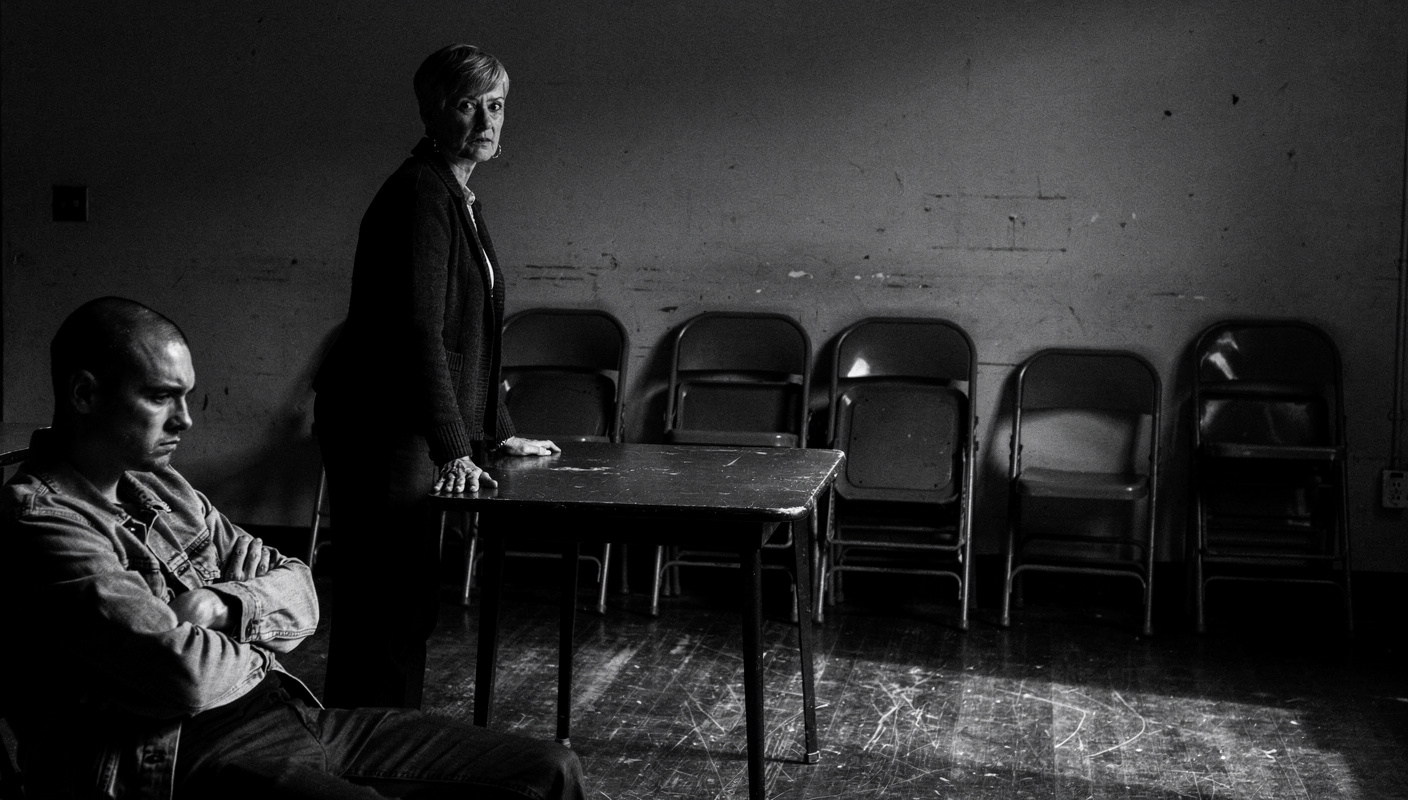
In a therapeutic group setting, a facilitator was working with six people managing chronic illness. Most of the group leaned forward during discussion, engaged, present. One woman sat with her back pressed against her chair, arms folded, chin slightly down. She contributed occasionally, competent words that tracked the conversation but offered nothing personal.
The facilitator, drawing on skills for how to deal with dominant voices in a discussion and their quieter counterparts, made a decision not to call on the woman directly but to reshape the room. She shifted the group's discussion toward a topic that required less verbal exposure. Within twenty minutes, the woman's posture had opened slightly. By the session's end, she had made one small, personal disclosure.
You do not always need to name what you see. Sometimes you respond to it structurally, and the person finds their way in when the conditions feel safer.
The Pattern That Runs Through All of It
Look across these six scenarios and one thing becomes clear: body language in clinical settings is almost always about safety. The patients and clients who held themselves rigid, withdrew, or angled away were not being difficult. They were managing exposure. They had not yet decided that the environment was safe enough for full disclosure.
The practitioners who read those signals well did not confront them. They responded to them, by slowing down, by matching posture, by removing physical barriers, by creating conditions where the body could relax its guard. The one who missed them, the therapist in scenario two, missed them not because he lacked skill but because he had stopped looking. Familiarity dulled his attention.
This connects directly to what the empathy bridge technique teaches about reading emotional readiness before a difficult exchange begins. That skill applies just as much in a consultation room as it does in a workplace.
There is also a pattern among the practitioners who got it right: they were aware of their own body language, not just their patient's. The doctor who stood and scrolled was not aware of what his posture was communicating. The psychiatrist who sat at an angle, matching the boy's stillness, absolutely was. Your body sends a signal whether you intend it to or not. The question is whether that signal is the one you want to send.
What This Means for Your Own Practice
If you work in any clinical or therapeutic setting, I want you to try something specific. In your next three appointments or sessions, before you speak, spend ten seconds reading the physical scene. Where is the person sitting? How are they holding their arms? Are they still, or moving? Does their body language match what they are saying?
You do not need a framework to do this. You need the habit. The S.B.I. method teaches you to name specific observable behaviour before drawing conclusions, and that discipline transfers directly here: see first, interpret second, respond third.
It is also worth examining what your own posture communicates. Do you sit at eye level? Do you orient toward the patient or toward your notes? Are there physical objects between you that reduce the sense of direct connection? These questions matter more than most practitioners realise. The role of communication in meeting success makes the same point in professional contexts: how you hold yourself shapes the quality of every exchange.
And if you work in a setting where difficult emotions arise, learning to handle conflict during meetings will give you tools for moments when physical signals escalate rather than settle.
The truth of it is this: body language medical practitioners must read is not mysterious. The signals are there in almost every encounter. The only question is whether you are still paying attention.
Frequently Asked Questions (FAQ)
What is body language medical professionals should recognise?
Body language medical professionals need to recognise includes protective postures, gaze aversion, muscle tension, and sudden stillness. These signals often appear before a patient admits distress. Reading them accurately can change the quality of care and the depth of trust in the clinical relationship.
How does body language differ in therapy versus medical settings?
In therapy, body language medical and emotional states blend together, and a therapist must read shifts in posture or breath as clues about emotional resistance. In medical settings, physical signals more often indicate pain or fear. Both require the same core skill: noticing what the body says before the mouth does.
Can a patient misread a clinician body language signal?
Yes, and it happens often. A clinician checking notes, turning briefly, or maintaining a neutral expression can all be read as indifference by an anxious patient. Practitioners who understand this become deliberate about orienting their body toward the patient and making physical presence felt, even during routine tasks.
What body language signals suggest a patient is not being honest?
Watch for incongruence: a patient who says they are fine while their shoulders rise, jaw tightens, or hands grip the armrests is showing physical disagreement with their own words. This is not deception so much as self-protection. The body often tells the truth before the person is ready to.
How can a clinician use body language to build trust with a patient?
A clinician can use body language to build trust by sitting at eye level, orienting their torso toward the patient, reducing physical barriers like clipboards or desks, and mirroring the patient's gentle pace of movement. These signals communicate safety without a single word being spoken.
What happens when body language is ignored in a clinical encounter?
When body language is ignored in a clinical encounter, distress goes unnoticed, patients feel unseen, and important information never surfaces. A patient whose clenched posture is never addressed will often leave without disclosing the symptom or fear that mattered most.