

What Happened
Sprout Social's research into brand transparency reveals a widening gap between what consumers expect from companies on social media and what they actually get. Audiences are demanding honesty — about mistakes, values, and business practices — at levels brands weren't built to handle. The data makes one thing clear: silence and spin are losing strategies, and consumers are done pretending otherwise.
The Communication Angle
Picture this: a customer tweets a complaint at a major retailer. The brand's social team fires back a cheerful, hollow non-answer — "We're so sorry to hear this! Please DM us your order number!" — and considers the matter handled. Meanwhile, five thousand people watched that exchange and made a decision about that brand. Not based on the product. Based on the answer.
That's the moment we're living in now, scaled across every industry, every hour of every day.
What Sprout Social's research exposes isn't a social media problem. It's a communication character problem. For decades, brands treated transparency as a PR tactic — something you deployed when crisis forced your hand. Now audiences expect it as a baseline. You don't get credit for being honest when things go wrong. You get punished for being fake when things go right.
The brands winning this new game understand one thing that most communication teams still don't: specificity is the currency of trust. Vague apologies buy you nothing. Generic mission statements cost you everything. When you say "we're committed to doing better," you've said absolutely nothing. When you say "we got this wrong, here's exactly what we changed, and here's how you can hold us to it" — that's a communication act with weight behind it. That's the difference between a press release and a promise.
There's also a posture problem. Most brands still communicate at their audiences instead of with them. Social media isn't a broadcast channel — it never was. But companies keep treating it like a billboard. Real transparency is conversational. It means saying things that make your legal team uncomfortable. It means answering the question that was actually asked, not the safer version of it. The brands that get this right don't sound like brands at all. They sound like people who actually work there.
The lesson isn't "be more transparent." That's useless advice. The lesson is this: every communication choice you make in public either builds or spends trust, and right now, consumers are keeping a very accurate ledger.
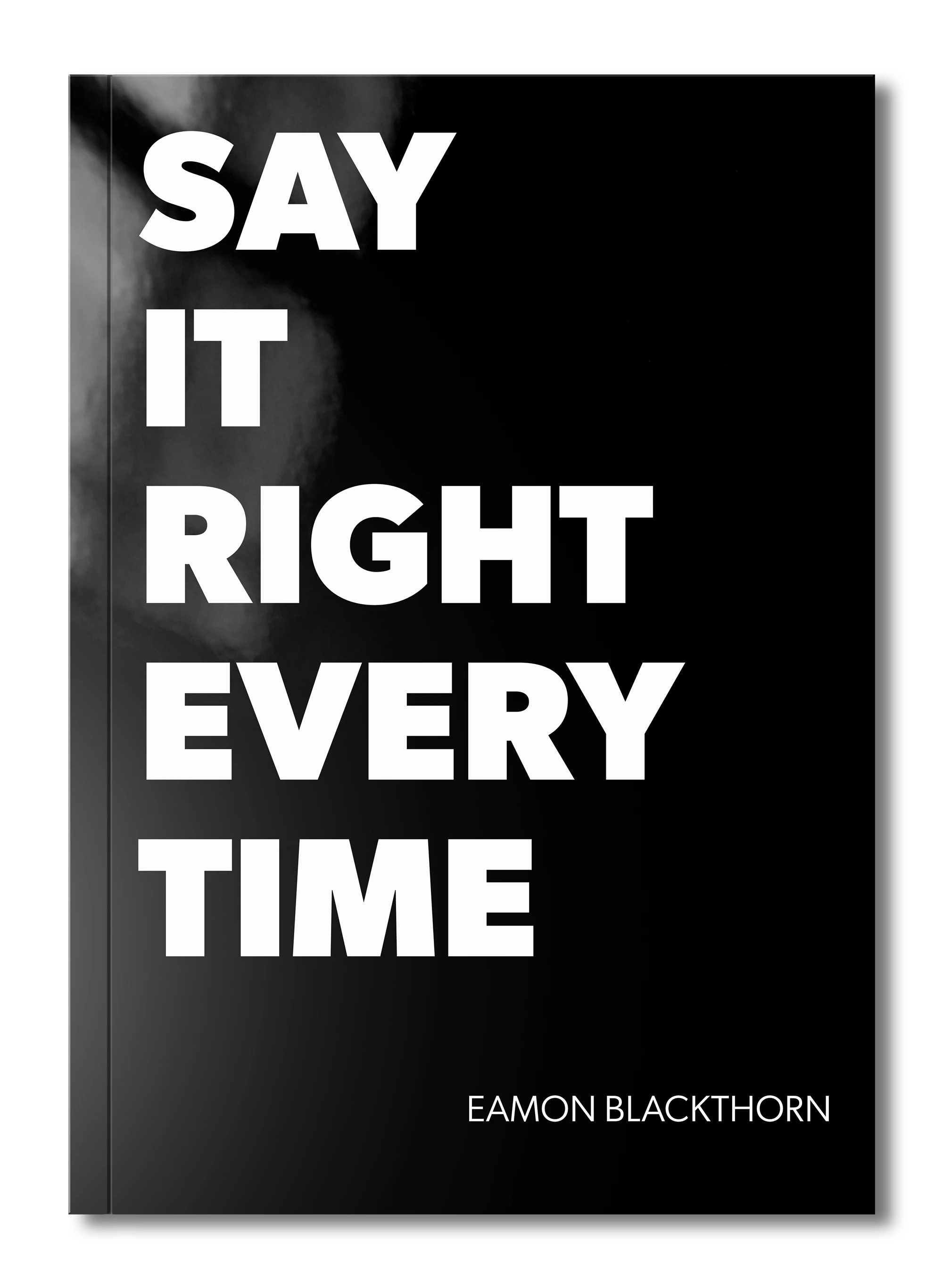
This is exactly the kind of scenario I break down in Say It Right Every Time — the chapter on earned credibility gives you a framework for understanding why transparency only works when it's consistent, not just convenient. One honest moment surrounded by months of corporate-speak doesn't build trust. It highlights the gap. The book walks you through how to audit your own communication patterns so you stop spending credibility faster than you earn it.
Never Be Lost
for Words Again
Get word‑for‑word scripts for the conversations that shape your life, from job interviews and negotiations to difficult talks with family and partners, so you always know exactly what to say and how to say it.
Never Be Lost
for Words Again
Get word‑for‑word scripts for the conversations that shape your life, from job interviews and negotiations to difficult talks with family and partners, so you always know exactly what to say and how to say it.
Key Takeaway
Before your next public-facing statement — social post, response to a complaint, company announcement — ask yourself one question: Would I be comfortable if this answer were read back to me in a courtroom? Not because you're in legal trouble, but because that standard strips away every hedge, every filler phrase, every piece of spin. What's left is either something worth saying or something that reveals you're not ready to say the truth yet. Post the thing that passes that test.