

What Happened
Crowe Global published an analysis examining how companies rebuild trust after a major scandal. The piece breaks down the stages organizations go through — from initial damage control to long-term reputation repair — and argues that recovery is not accidental. It depends on deliberate, structured responses. How a company communicates during and after a crisis, Crowe suggests, determines whether it survives with its credibility intact or becomes a cautionary tale.
The Communication Angle
Picture this: a CEO steps to the podium 72 hours after a company scandal breaks. The room is full of journalists. Cameras are rolling. And instead of speaking plainly, she delivers four paragraphs of legal-sounding language that says, effectively, nothing. The company's stock drops another eight points by end of day — not because of the scandal itself, but because of that press conference.
This is the moment that kills companies. Not the crisis. The response to the crisis.
Trust restoration is fundamentally a communication problem, and most organizations get it wrong for the same reason: they let lawyers write their public-facing statements. Legal is there to protect the company from liability. Communication is there to protect the company from abandonment. Those are not the same job, and they require different language. When legal wins the argument about what to say publicly, you get statements stuffed with passive voice, vague timelines, and zero accountability. Audiences aren't stupid. They read the subtext instantly: we don't actually want to talk to you. That reading is devastating and almost always irreversible.
The companies that recover — and they do recover, some of them spectacularly — do three things with their words. First, they name the problem out loud, in plain language, without softening it with corporate euphemisms. "We failed" lands differently than "there were certain process deficiencies." The first one sounds like a human being. The second one sounds like a cover-up in progress. Second, they commit to specifics. Not "we will do better" — that's noise. But "we are removing the executive responsible, restructuring our compliance team, and releasing a third-party audit by March 15" — that's something you can hold them to. Accountability only means something when it's attached to a date and a name. Third, they sustain the communication. One press release is not trust restoration. Trust is rebuilt through repeated, consistent behavior over time, narrated out loud. Silence between milestones lets the public fill the void with their worst assumptions.
Here's what I find most interesting about the Crowe analysis: it implicitly confirms that the anatomy of recovery is predictable. That means the failure is always a choice. Companies that collapse under scandal didn't lack options — they lacked the discipline to communicate honestly when honesty felt dangerous.
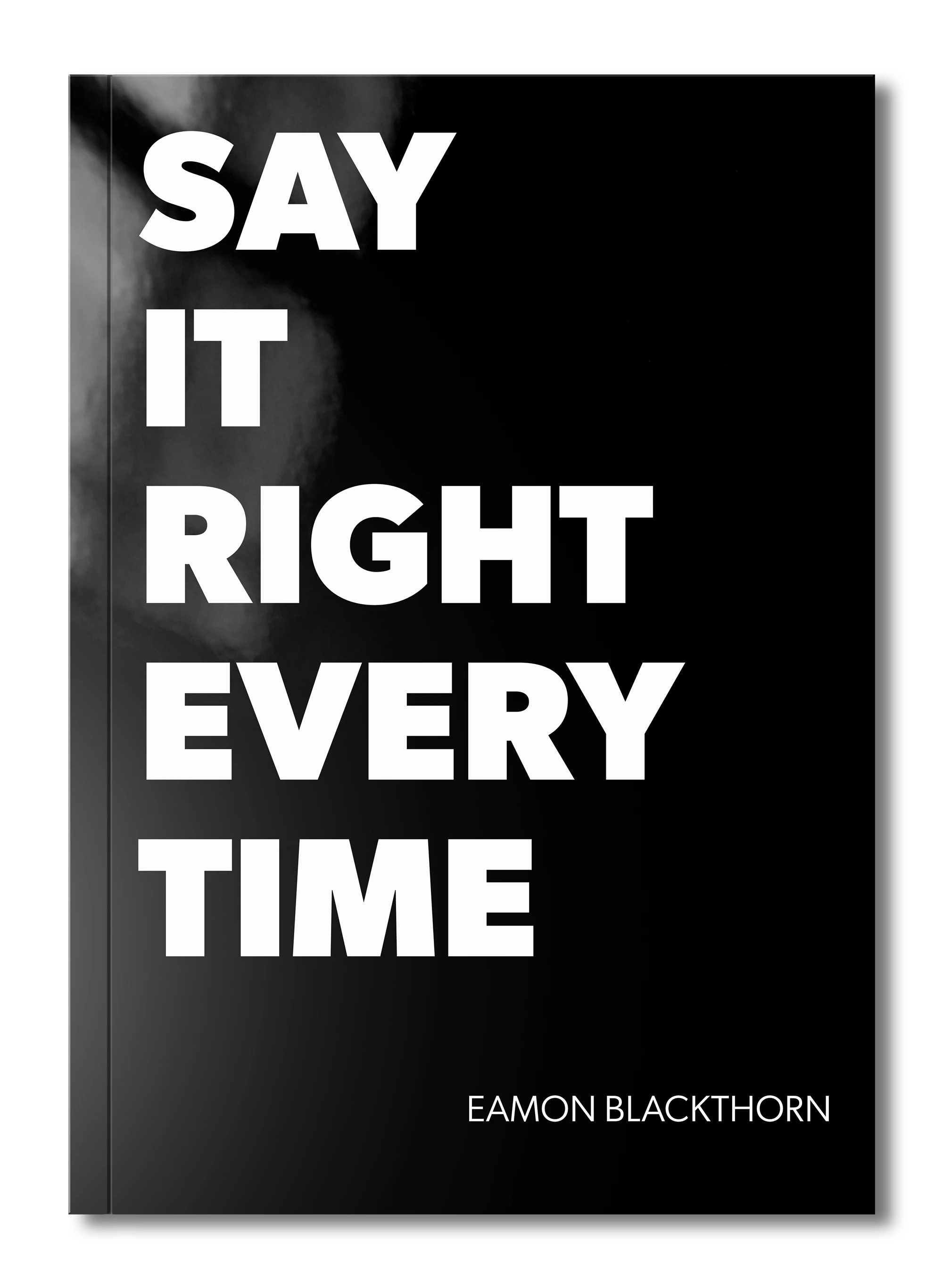
This is exactly the kind of scenario I break down in Say It Right Every Time — the chapter on high-stakes transparency gives you a framework for structuring accountability statements so they actually land with credibility instead of reading like a hostage note written by a legal team. The specific language patterns in that chapter have saved more than a few careers I know of.
Never Be Lost
for Words Again
Get word‑for‑word scripts for the conversations that shape your life, from job interviews and negotiations to difficult talks with family and partners, so you always know exactly what to say and how to say it.
Never Be Lost
for Words Again
Get word‑for‑word scripts for the conversations that shape your life, from job interviews and negotiations to difficult talks with family and partners, so you always know exactly what to say and how to say it.
Key Takeaway
The next time you're facing a difficult public statement — whether you're a CEO, a manager, or a team lead explaining a mistake to your organization — write this down before you draft a single word: What is the one thing my audience needs to hear to believe I am taking this seriously? Not what protects you. Not what sounds good. What do they need. Answer that question first. Build your statement around it. Everything else is decoration.