

What Happened
Harvard Law School's corporate governance forum published a guide aimed at board directors on using transparency as a tool for building trust with stakeholders. The piece positions openness not as a feel-good value but as a deliberate leadership strategy. Corporate directors are being told, essentially, that what you reveal — and how you reveal it — is now a core governance skill, not a PR afterthought.
The Communication Angle
Here's the question worth asking: Why do so many executives confuse transparency with oversharing?
Transparency is not a data dump. It's not sending a 47-slide deck to shareholders or posting a rambling letter on the company website at 11pm on a Friday. Real transparency is selective, purposeful disclosure — you choose what to say, when to say it, and to whom, based on what your audience actually needs to make decisions. The Harvard piece is right to treat it as a skill. The problem is most directors have never been taught that skill. They learned finance, operations, legal exposure. Nobody sat them down and said: here's how to tell a hard truth without losing the room.
The biggest communication failure I see in boardrooms is what I call the "we'll say something when we know more" trap. Directors delay disclosure because they want certainty before they speak. Understandable impulse. Completely wrong move. Silence reads as evasion. The moment stakeholders sense you're holding back, trust collapses — and you spend three times as long rebuilding it as you would have spent just talking earlier with less information. Imperfect honesty beats polished silence every time.
What effective transparency actually looks like is this: you name the problem clearly, you state what you know and what you don't, and you tell people exactly what you're doing next. Three moves. That's it. No qualifications, no corporate throat-clearing, no "we remain committed to our stakeholders at this challenging time." That language doesn't protect you — it signals that you're hiding behind words.
The directors who get this right treat communication as architecture, not decoration. They build the message before the crisis, not during it. They know which stakeholders need what kind of information, and they deliver it in plain language at the right moment. That's not spin — that's competence.
This is exactly the kind of scenario I break down in Say It Right Every Time — the chapter on high-stakes disclosure gives you a framework for deciding what to say, what to hold, and how to sequence a difficult message so your audience stays with you instead of turning against you. The core principle there is that trust isn't built by saying everything — it's built by saying the right thing at the right moment with nothing hidden behind it.
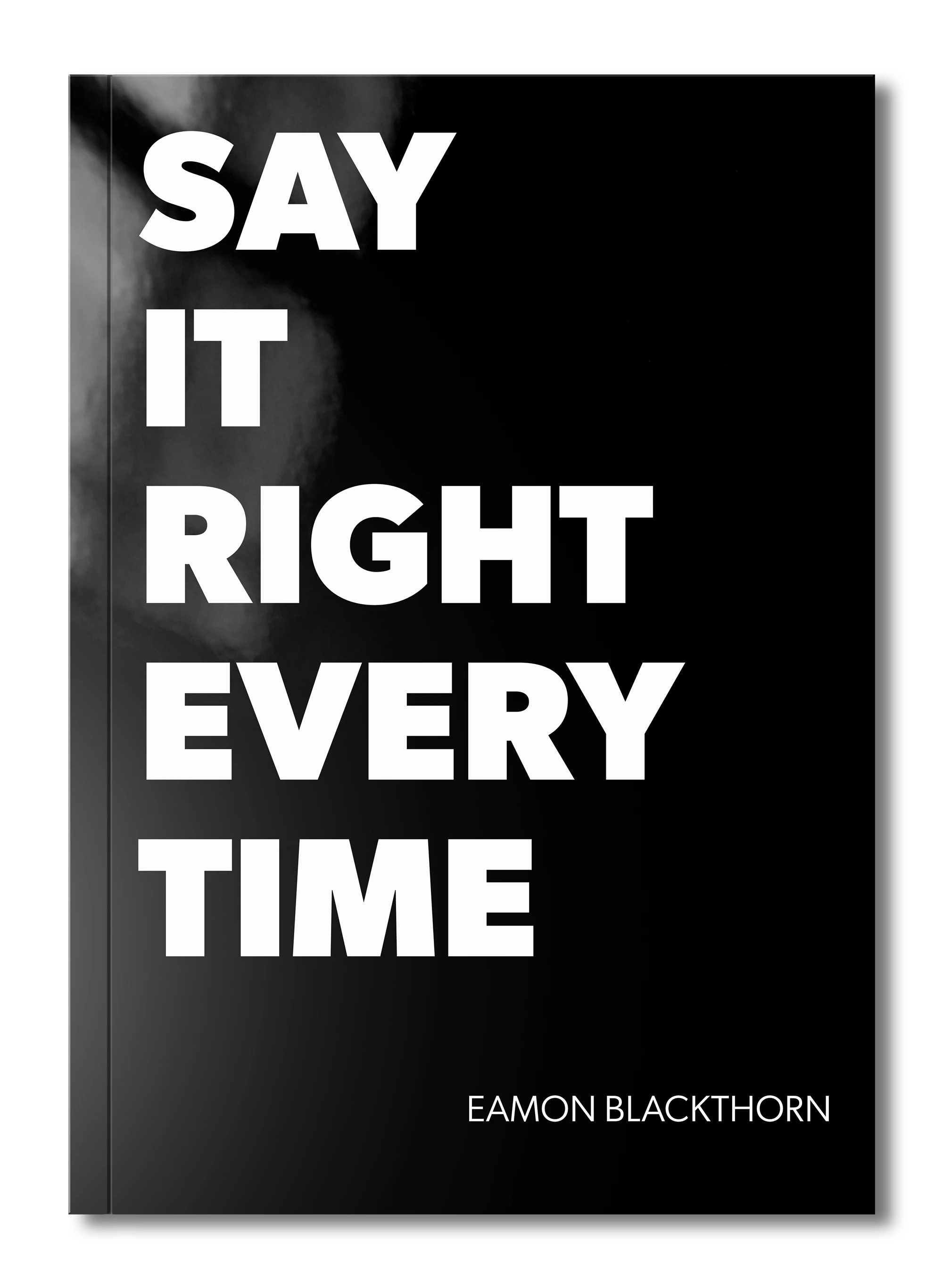
Never Be Lost
for Words Again
Get word‑for‑word scripts for the conversations that shape your life, from job interviews and negotiations to difficult talks with family and partners, so you always know exactly what to say and how to say it.
Never Be Lost
for Words Again
Get word‑for‑word scripts for the conversations that shape your life, from job interviews and negotiations to difficult talks with family and partners, so you always know exactly what to say and how to say it.
Key Takeaway
Before your next board communication or stakeholder update, write one sentence that completes this prompt: "What our audience most needs to know right now — and doesn't — is ___." If you can't write that sentence clearly, you're not ready to communicate yet. That gap between what they need and what you're telling them is where trust breaks down. Fill it before someone else fills it for you.