
What Happened
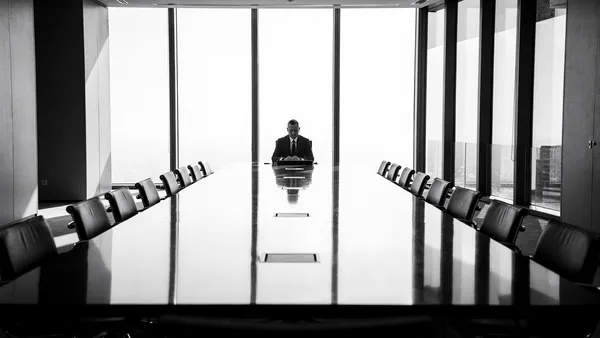
McKinsey recently spotlighted how elite CEOs build lasting relationships with stakeholders — boards, employees, investors, communities. The research distinguishes top-performing CEOs from their peers by examining not just what they do, but how they communicate their priorities and intentions to people who have very different agendas. It's a study in contrast between leaders who manage stakeholders and those who genuinely move them.
The Communication Angle
Here's the trap most executives fall into: they treat stakeholder communication like a press release. They broadcast. They announce. They update. And then they wonder why nobody feels connected to them.
Compare that to what McKinsey's best-in-class CEOs actually do. They don't walk into a board meeting and recite performance metrics. They walk in having already answered the question every board member is silently asking: Do you know what I'm worried about? That's the difference between a CEO who informs and a CEO who leads. One is delivering information. The other is having a conversation — even when they're the only one talking.
The weak version of stakeholder communication looks like this: quarterly calls with scripted talking points, town halls where employees submit questions in advance, investor letters that read like legal disclaimers. The message being sent — even if unintentional — is I've prepared what I want to say, not what you need to hear. Stakeholders feel managed, not respected. And managed people don't stay loyal. They stay convenient.
The strong version requires one thing most executives resist: specificity about tension. The best CEOs name the conflict directly. If layoffs are coming, they don't call it a "workforce restructuring initiative." They say: this is painful, here's why it's necessary, and here's what I owe you in return. That kind of honesty isn't soft — it's strategically powerful. It signals that you're not hiding, which is the single fastest way to earn trust under pressure.
What separates these two approaches isn't charisma or eloquence. It's preparation of a very specific kind. Great communicators don't prepare what they want to say. They prepare what the other person needs to hear — and those are almost never the same thing.
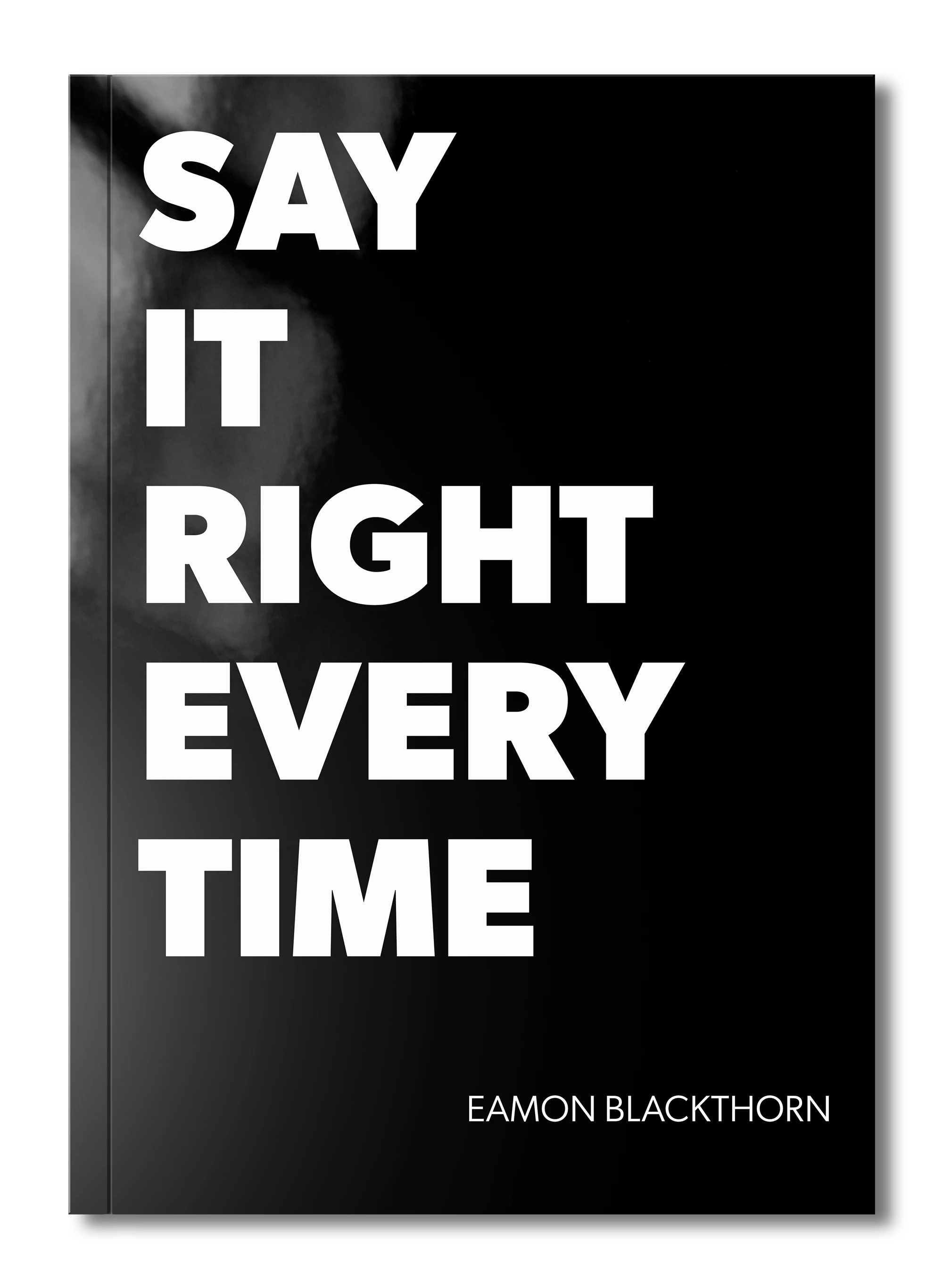
This is exactly the kind of scenario I break down in Say It Right Every Time — the chapter on audience-first preparation gives you a framework for flipping your communication instinct entirely. Most people walk into high-stakes conversations thinking about their own message. That chapter teaches you to build your message backward, starting from the other person's fear, and working your way toward what you actually need to say. It changes how you prepare for everything from difficult one-on-ones to company-wide announcements.
Never Be Lost
for Words Again
Get word‑for‑word scripts for the conversations that shape your life, from job interviews and negotiations to difficult talks with family and partners, so you always know exactly what to say and how to say it.
Never Be Lost
for Words Again
Get word‑for‑word scripts for the conversations that shape your life, from job interviews and negotiations to difficult talks with family and partners, so you always know exactly what to say and how to say it.
Key Takeaway
Before your next stakeholder meeting — board, team, investor, it doesn't matter — write down one sentence that answers this question from their perspective: What am I most afraid this person isn't telling me? Then open your meeting by addressing it directly. You don't need a perfect answer. You need to prove you asked the question. That single move will do more for your credibility than any polished presentation ever will.