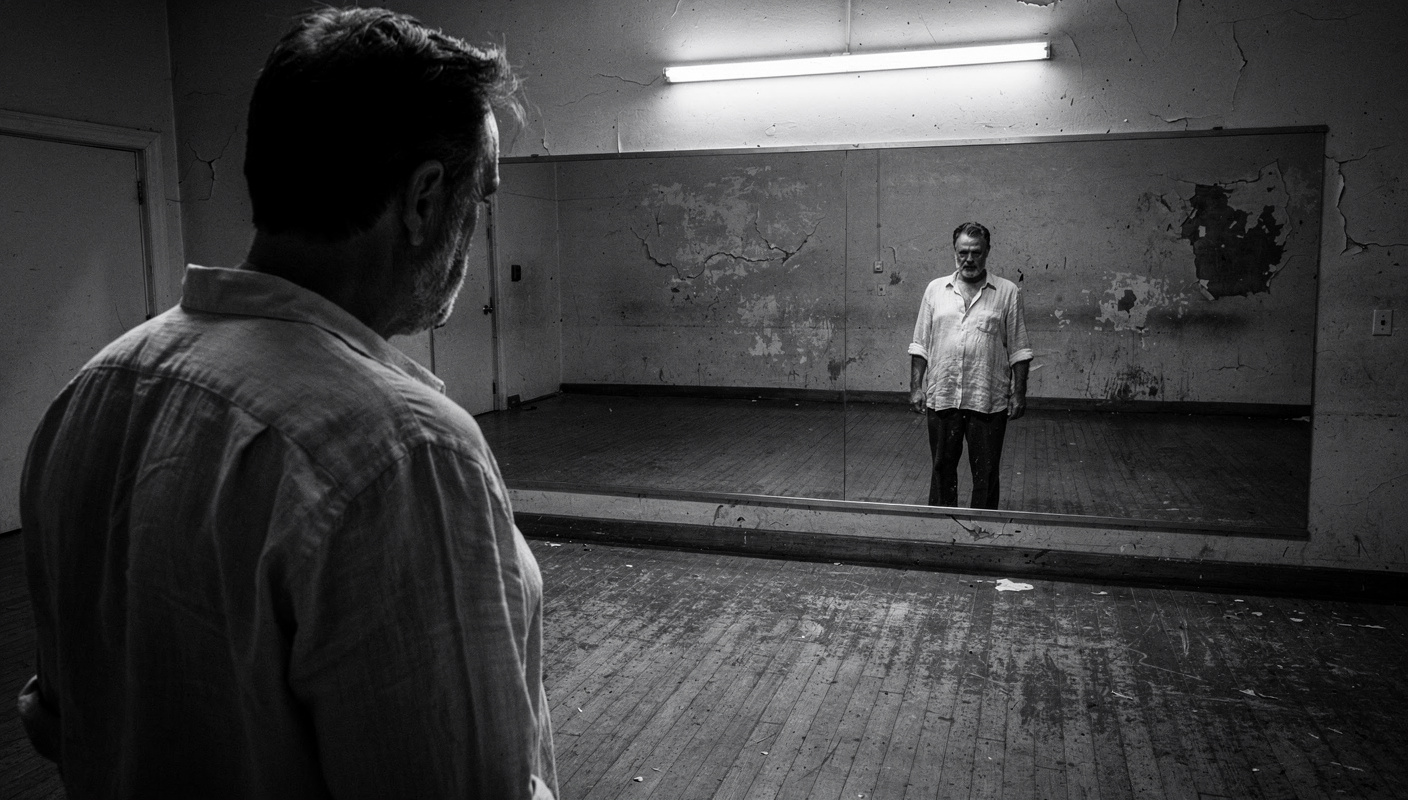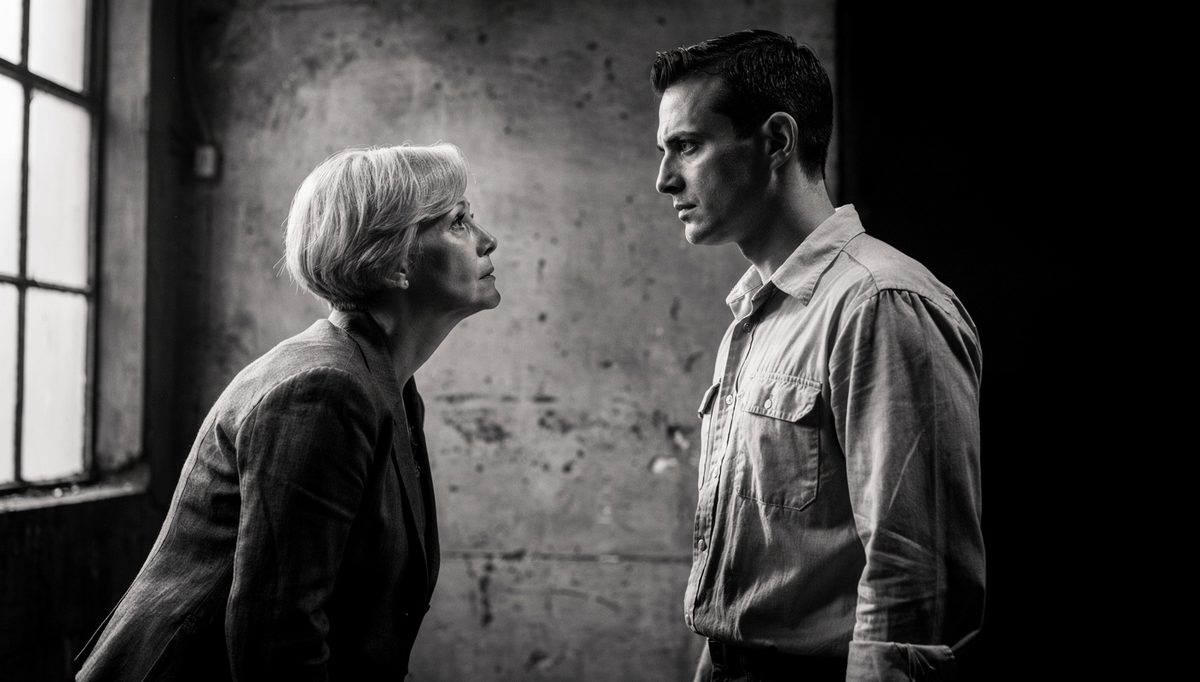

In Short
Physical expression is the way you communicate through your body, using posture, gesture, facial cues, and movement to convey meaning beyond words.
- Your body sends signals whether you intend it to or not, so awareness is essential.
- Congruence between what you say and how you hold yourself is what builds real trust.
- Physical expression is a learnable skill, not a fixed personality trait.
Physical expression communication is the use of body language, posture, gesture, facial cues, and movement to convey meaning, emotion, and intent. It operates alongside spoken words and often carries more weight than the words themselves in shaping how others receive your message.
Introduction
You have just finished explaining your idea clearly. The words were right. But the person across the table looks unconvinced. You wonder what went wrong. What went wrong was not your words. It was everything else.
Physical expression sits at the heart of how people actually experience you in conversation. Your posture, the steadiness of your gaze, the tightness in your shoulders: these things land before a single word registers. In professional settings, this matters enormously. People decide whether to trust you, follow you, or believe you based on signals your body sends, often before you have finished your opening sentence.
In this guide, you will understand what physical expression in communication actually means, why it has such power over your relationships and your results, and what it looks like when it is working well versus when it is quietly working against you.
If you want to see how this plays out in group settings, The Role of Communication in Meeting Success covers that ground well. Here, we focus on the body itself.
"The Conversation You're Avoiding Is the One You Need to Have."
"The Conversation You're Avoiding
Is the One You Need to Have."
Stop rehearsing conversations you'll never have. Say It Right Every Time gives you 115 word-for-word scripts and 16 proven frameworks to speak with confidence in every conversation that matters.
What Physical Expression Actually Means
Physical expression is the full range of signals your body sends during communication: posture, gesture, facial expression, eye contact, body orientation, and your use of physical space.
It is not performance. It is not about striking poses or rehearsing a smile. It is the ongoing, moment-to-moment language your body speaks in parallel with your words. The trouble is that most people are only half-aware of what their body is saying, and the other half is often saying something they did not intend.
Consider a manager who tells her team she welcomes questions. She says the words sincerely. But her arms are crossed, her eyes are already drifting to her phone, and she is angled slightly toward the door. Her team stops asking questions within a week. Her body told them the real story. Her words told them one thing; her physical presence told them another.
This gap between intention and expression is where most communication breaks down. Understanding physical expression means learning to close that gap, so your body and your words are saying the same thing at the same time. That congruence is what people experience as genuine.
Why Physical Expression Matters in Every Interaction
Here is the truth of it: people respond to what they see before they respond to what they hear. Your physical presence shapes the emotional tone of every exchange before a conversation even begins.
Trust is built or broken nonverbally. When your body language contradicts your words, people instinctively believe your body. A slumped posture during a confident pitch, a tense jaw during a calm conversation: these signals register as dishonesty, even when none is intended. As described in Emotional Intelligence in Feedback Conversations, the emotional signals you send physically are often louder than any feedback you deliver verbally.
Confidence is perceived, not just declared. You can tell someone you are capable, or you can show them through how you carry yourself. Upright posture, steady eye contact, and deliberate movement communicate competence far more powerfully than any claim you make about yourself.
Disengagement is visible. Wandering eyes, restless hands, and a body angled away from the speaker all send the same signal: you are not fully present. This matters deeply in team settings, where presence signals respect. How Empathy Bridges in Team Communication Create the Conditions for Lasting Synergy explores this connection between physical attentiveness and genuine connection.
Physical expression shapes the room. In leadership particularly, your body sets the emotional temperature. A calm, open physical presence can steady a tense group. A closed, withdrawn posture can amplify anxiety in others.
Every interaction you have is filtered through the lens of your physical expression. Getting this right is not cosmetic. It is foundational.
The Key Characteristics of Strong Physical Expression
You know physical expression is working when you see these observable signs in yourself or the people around you.
Open, upright posture. The body is neither collapsed nor rigid. The chest is open, the shoulders are relaxed and back, and the spine carries its own weight without strain. This communicates readiness and confidence. For example, a team leader who stands with weight evenly distributed and shoulders at ease signals stability before speaking a word.
Purposeful, natural gesture. Hands move to support meaning, not to fill silence. Gestures are visible, clear, and connected to what is being said. They amplify the message rather than distract from it. Fidgeting, hiding hands in pockets, or wild gesturing all undermine clarity.
Steady, engaged eye contact. The gaze is direct without being aggressive. It moves naturally, pausing with genuine attention on the speaker or listener. This signals respect and interest. Leaders who maintain this during difficult conversations, such as those covered in How to Give Constructive Feedback Without Causing Tension, earn far more credibility than those who look away.
Congruent facial expression. The face reflects what the words are saying. When there is a mismatch, such as a smile while delivering serious news, people sense the disconnect and trust erodes. Congruence here means your expression matches your intent.
Respectful use of space. The physical distance between you and another person sends clear signals. Too close and it feels invasive; too far and it feels cold. Calibrating this distance shows awareness and respect.
Stillness under pressure. The ability to remain physically calm when a conversation is difficult is one of the most powerful signals of strength. Stillness communicates control, while restlessness communicates anxiety.
Together, these characteristics create a physical presence that reinforces everything you say. They are the difference between being heard and being believed.
Common Misconceptions About Nonverbal Body Communication
Let me clear up three things people consistently get wrong about physical expression.
Misconception: Physical expression is something you either have naturally or you do not. The truth: This is simply not true. Every element of physical expression, from how you hold your posture to how you use eye contact, is a learnable skill. I have watched people transform their presence entirely through deliberate practice over months. It requires the same commitment as any other communication skill, and it responds to practice just as well.
Misconception: Controlling your body language means performing or being fake. The truth: There is a difference between performing and preparing. A surgeon who practises a procedure is not being fake; they are being competent. Bringing conscious attention to how you carry yourself does not make you inauthentic. It makes you intentional. How Leaders Can Model Effective Feedback Behavior makes this point clearly: deliberate physical presence is a form of leadership, not manipulation.
Misconception: If your words are right, your body language does not really matter. The truth: The body will always undercut weak words, and strong body language will often rescue weak ones. In every conversation I have witnessed where trust broke down, the physical signals told the story first. Words matter enormously, but they work in partnership with your body, not in spite of it.
The short version: physical expression is a skill, intentionality is not fakery, and your body is always communicating something.
Physical Expression in Real Situations
Here is what physical expression looks like when it is and is not present.
Scenario 1: The performance review. A manager sits down to give feedback, but before she says a word, she has her arms folded tight and her eyes on her notepad. The employee reads the body and braces for attack. The manager's words are measured and fair, but the employee leaves feeling criticised and undervalued. The body undermined everything the words tried to do. How to Give Feedback That Strengthens Team Synergy Instead of Breaking It addresses exactly this pattern.
Scenario 2: The team presentation. A project lead presents his quarterly results to the group. His posture is open, his gestures are deliberate, and he pauses and makes genuine eye contact with individuals around the room as he speaks. People lean in. Questions are engaged and curious rather than challenging. His physical presence created a climate of confidence before the first slide appeared.
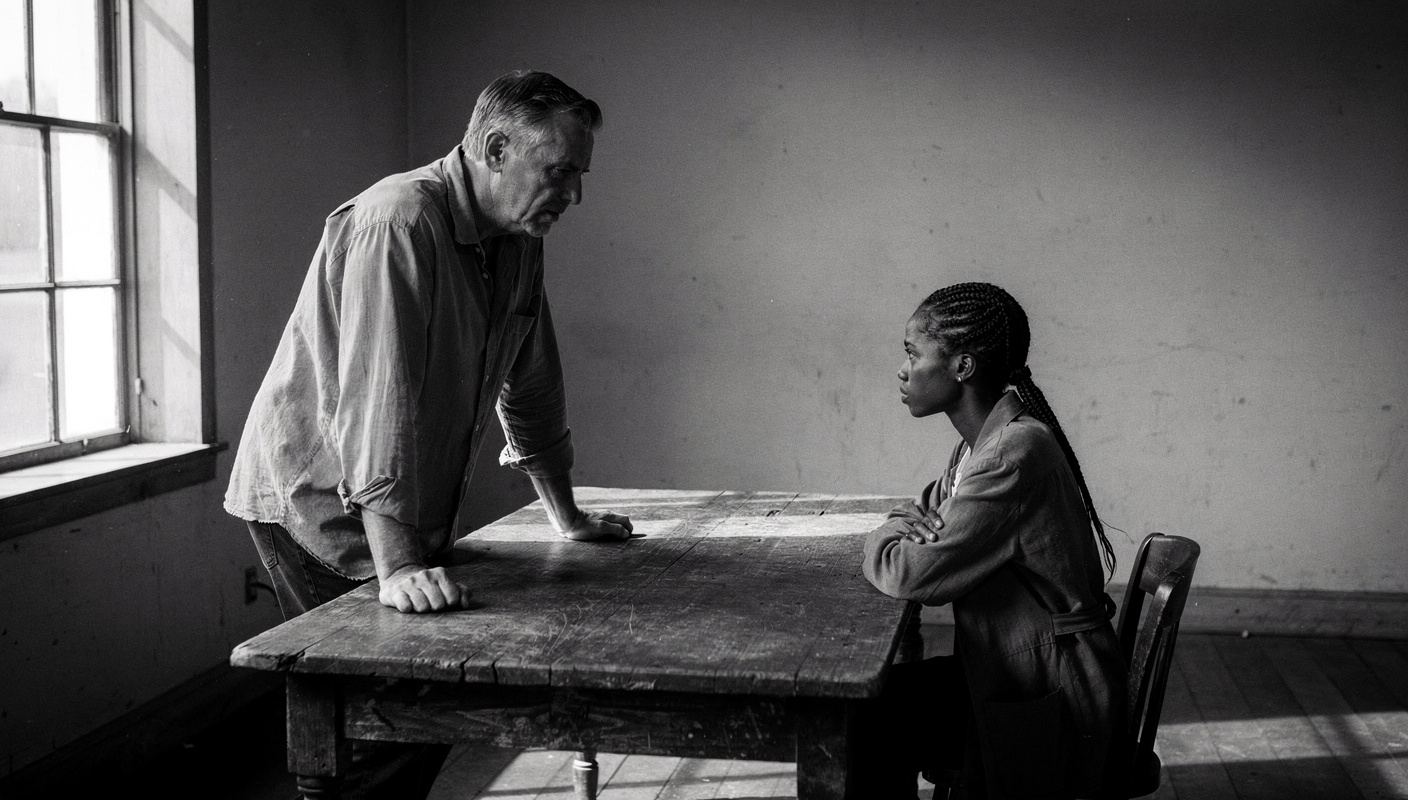
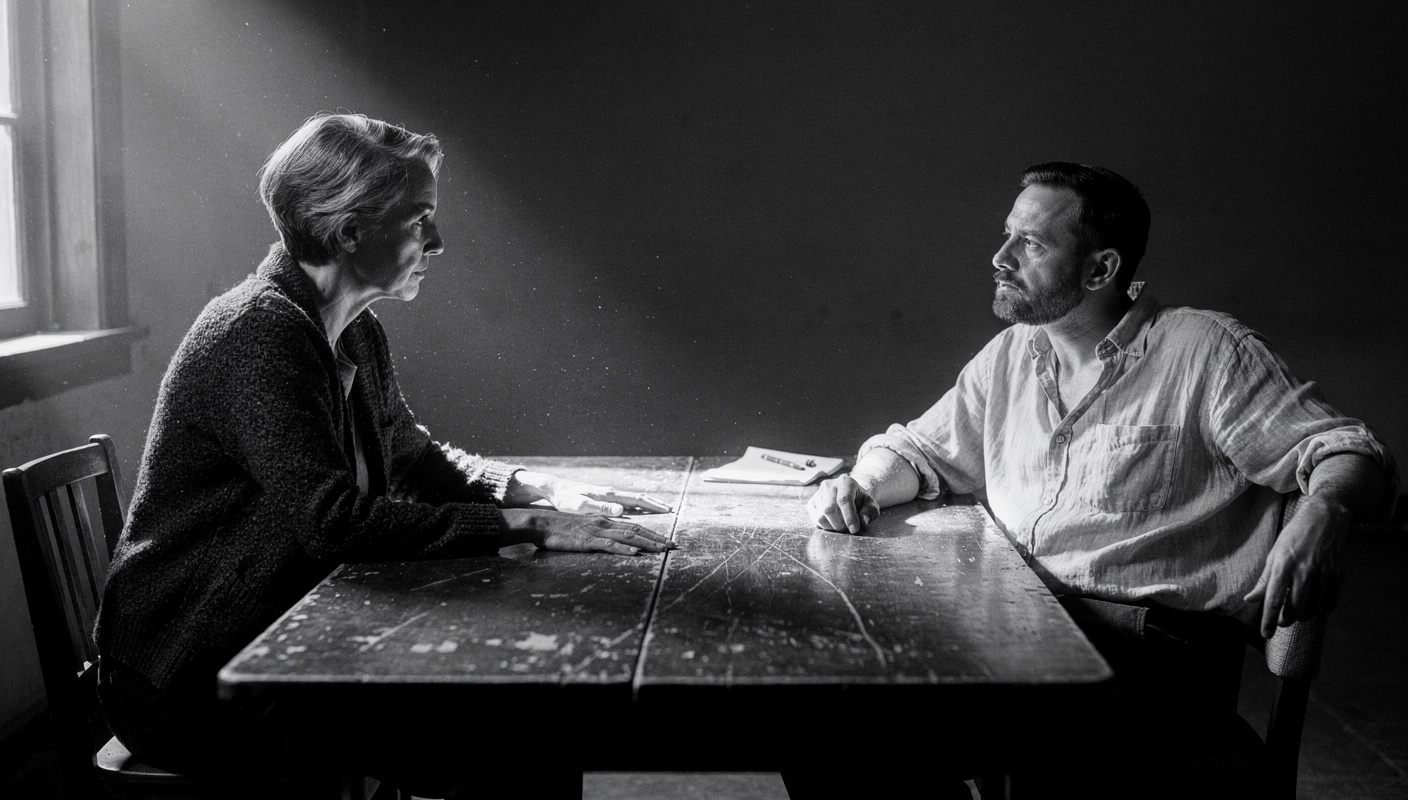
Scenario 3: The difficult conversation. Two colleagues need to resolve a long-standing tension. One sits with his body angled away, arms wrapped around himself, occasional eye contact. The other sits facing him directly, hands resting open on the table, expression calm and attentive. The second person's physical expression carries the conversation. It signals safety. It signals respect. The first person gradually mirrors it, and within minutes the tone of the exchange shifts. Best Practices for Virtual Meeting Communication explores how these same physical signals translate, with adaptation, into video-based conversations.
What these scenarios share is simple: physical expression set the conditions for everything that followed.
Key Takeaways
Here is what matters most about physical expression.
- Your body speaks before your words do. The posture you walk in with, the way you settle into a chair, the steadiness of your gaze: these create the emotional context that your words will either confirm or contradict.
- Congruence is the goal. When your body and your words are saying the same thing, people trust you. When they conflict, people will always believe your body. Close that gap deliberately.
- Stillness is a strength, not a lack of energy. Learning to stay calm and open in your physical presence during difficult exchanges is one of the most powerful communication tools you will ever develop.
- Awareness comes before change. You cannot adjust what you cannot see. Start by noticing your own physical habits in low-stakes conversations. What does your body do when you are anxious? When you are disengaged? That awareness is where all improvement begins.
- Practice in real situations. Decide on one specific physical habit to work on, such as maintaining eye contact, keeping your posture open, or stilling your hands. Apply it in your next five conversations. That is how physical expression communication becomes a genuine skill.
If you want to go further, the natural next step is to look at how these physical signals interact with the emotional dimension of conversation. Emotional Intelligence in Feedback Conversations is a strong place to continue.
Frequently Asked Questions (FAQ)
What is physical expression in communication?
Physical expression in communication is the use of body language, posture, gesture, facial cues, and movement to convey meaning. It works alongside spoken words and often carries more weight than what is actually said, shaping how others interpret your intent and confidence.
Why does physical expression matter in the workplace?
Physical expression matters because colleagues and leaders read your body before they process your words. Closed posture, avoiding eye contact, or tense gestures can undermine clear messages. Open, congruent body language builds trust and signals that you are engaged and confident in what you are communicating.
Can you improve your physical expression communication skills?
Yes. Physical expression is a learnable skill, not a fixed trait. You can practise open posture, steady eye contact, and deliberate gesture in low-stakes situations before applying them where the stakes are higher. Awareness is the first step, and consistent practice builds real change over time.
What are the main components of physical expression?
The main components include posture, facial expressions, eye contact, hand gestures, body orientation, and use of physical space. Each element sends signals to the people around you, and together they form a message that either reinforces or contradicts what your words are communicating.
How does physical expression affect how others perceive you?
Physical expression shapes first impressions and ongoing trust. Slumped shoulders or wandering eyes can make you appear disengaged or uncertain, even when your words are strong. Upright posture, direct eye contact, and relaxed open gestures signal confidence, credibility, and genuine interest in the other person.
What is the difference between physical expression and verbal communication?
Verbal communication is the content of your words. Physical expression is everything your body communicates at the same time: how you stand, what your face does, where your eyes go, and how you move. When the two are congruent, people trust you. When they conflict, people trust your body.