
In Short
Negotiation conflict driven by personality differences is rarely about the deal itself. Two people can want the same outcome and still clash badly because their instincts, pace, and communication style are pulling in opposite directions. Recognising the style beneath the behaviour is the first step to resolving the real conflict.
Negotiation conflict personality describes the friction that arises when two people's behavioural tendencies, communication styles, and underlying values collide during a negotiation. It is the clash not of positions, but of the instincts, temperaments, and relational needs each person brings to the table.
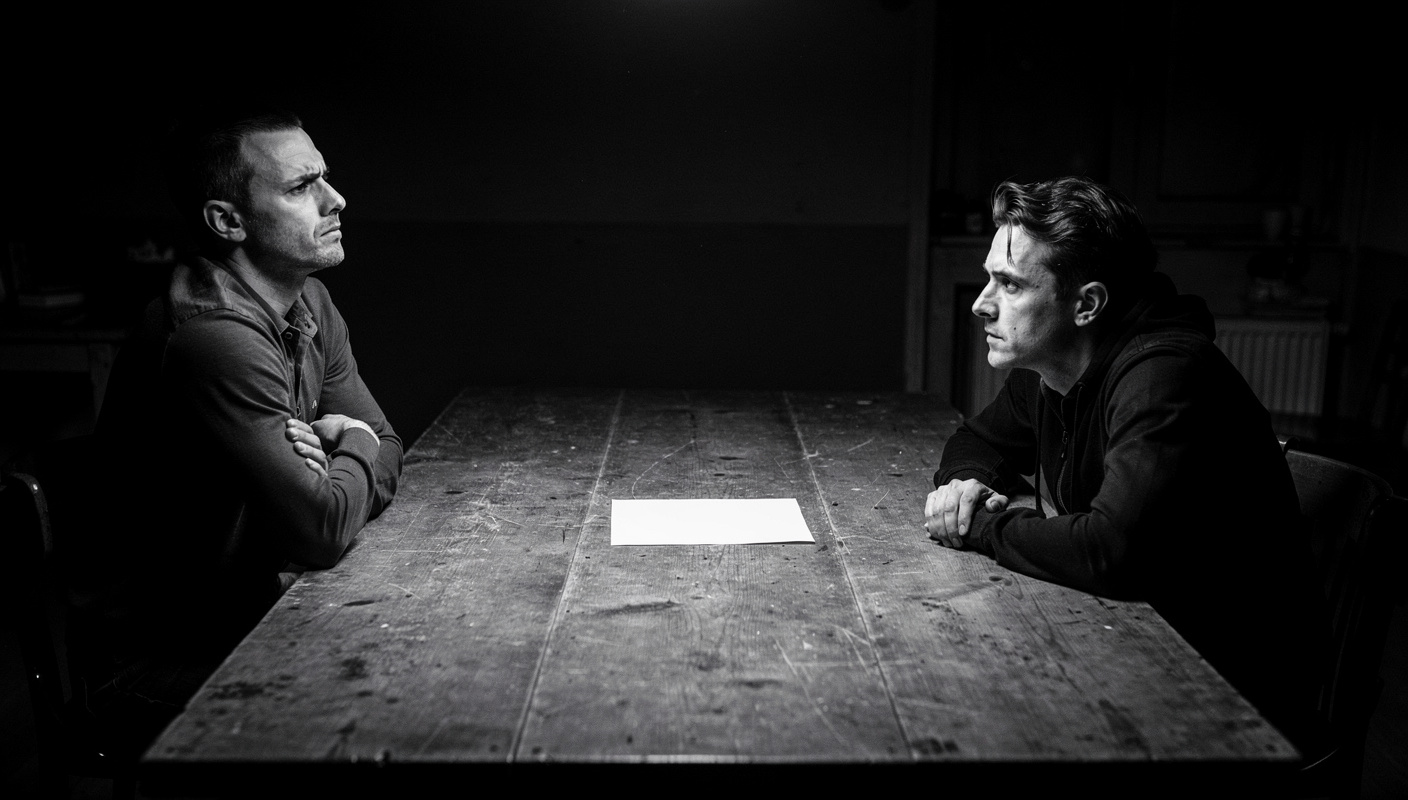
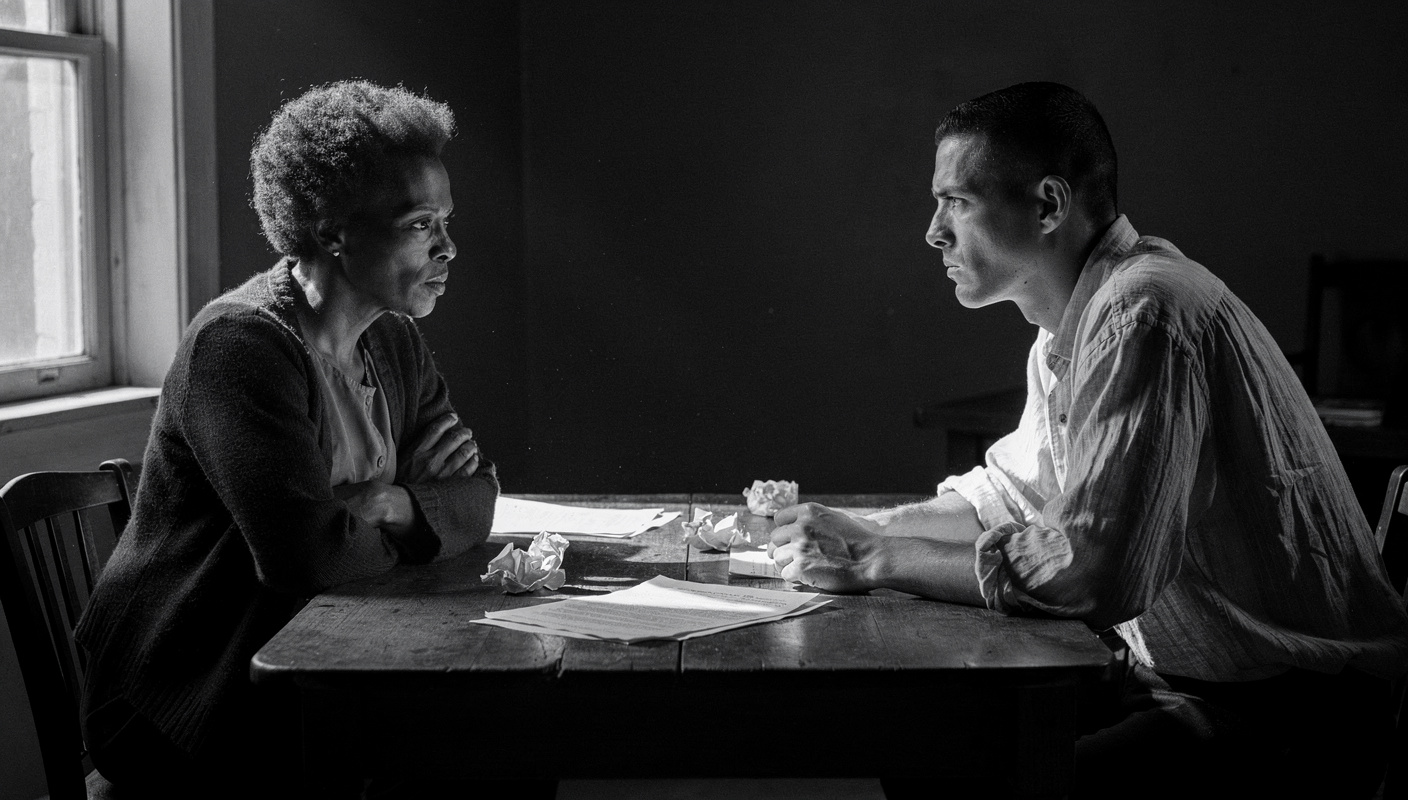
Sit in enough negotiation rooms and you will notice something. Two people can enter a conversation wanting almost the same thing and still end up in a standoff so bitter it poisons the relationship for months. The deal is not the problem. The personalities are.
Negotiation conflict rooted in personality is one of the most misunderstood dynamics I have encountered across six decades of working with teams, leaders, and individuals trying to reach agreement. Most people assume conflict means incompatible goals. But I have watched two people with perfectly compatible goals destroy a negotiation because one needed to think slowly and the other needed to decide quickly, and neither one understood why the other person felt so impossible to work with.
This article is about what is actually happening underneath those clashes. Not the positions, not the stakes, but the invisible collision of temperament, instinct, and style that turns a negotiation into a conflict nobody wanted.
What Most People Blame When a Negotiation Falls Apart
The easy explanation is always the issue on the table. Salary. Timeline. Budget. Scope. When a negotiation breaks down, people point at the gap between positions as the cause. Sometimes they are right.
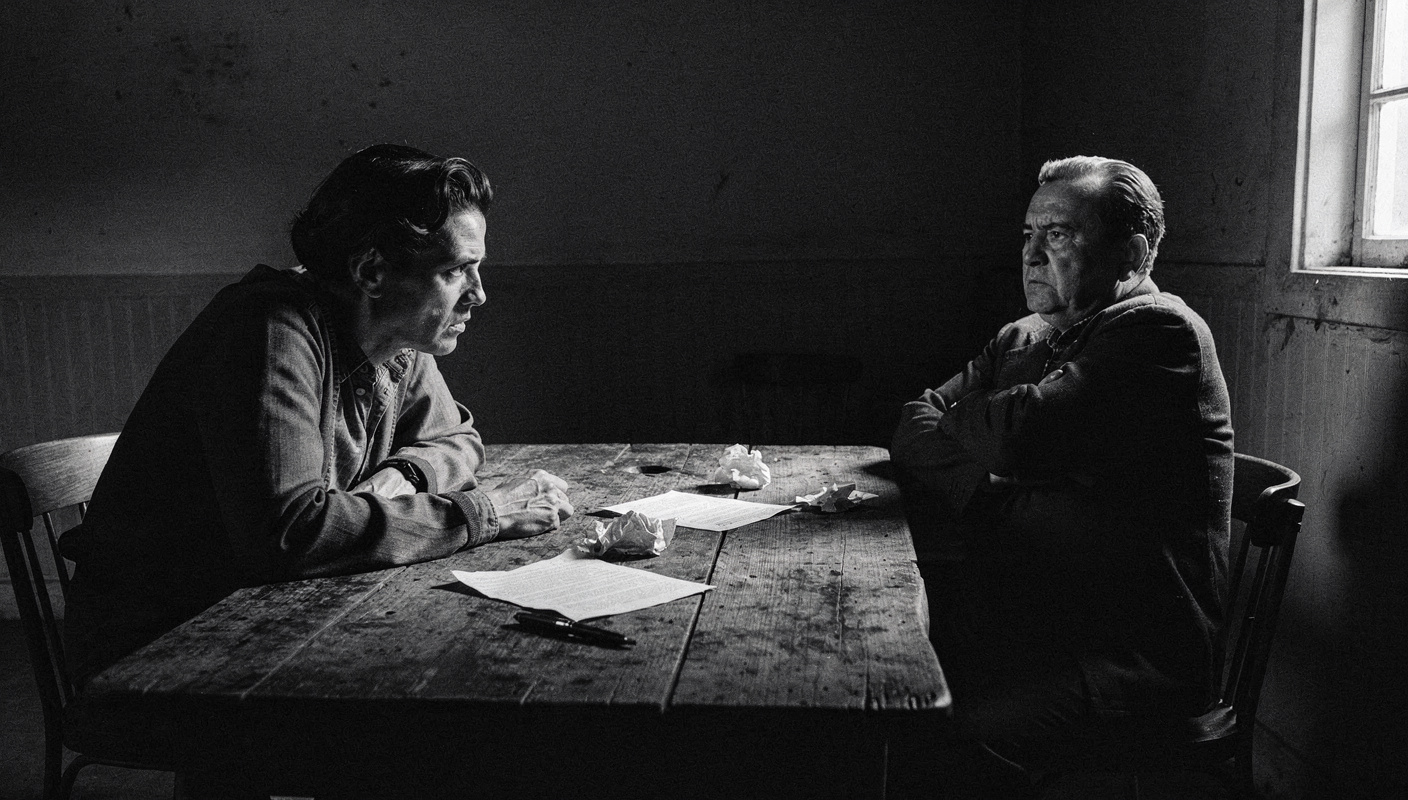
But often, the real fracture happened earlier and over something harder to name. One person moved too fast. The other went quiet in a way that felt hostile. Someone pushed for a firm answer before the other was ready to give one. These are not disagreements about outcomes. They are personality systems in conflict.
Here is the truth of it: most people explain conflict in terms of what was said, when the real problem is how it was said, and why one person's natural style felt like an assault to the other's natural style.
"The Conversation You're Avoiding Is the One You Need to Have."
"The Conversation You're Avoiding
Is the One You Need to Have."
Stop rehearsing conversations you'll never have. Say It Right Every Time gives you 115 word-for-word scripts and 16 proven frameworks to speak with confidence in every conversation that matters.
The Core Mechanism: How Style Becomes the Conflict
Every person walks into a negotiation carrying a set of instincts about how this is supposed to go. Some people are assertive and direct. They see negotiation as a problem to solve efficiently, and delay feels like a red flag. Others are relational and deliberate. They need to build trust before they commit, and pressure feels like manipulation.
Neither of these is a flaw. Both are legitimate ways of being human. The problem begins when each person interprets the other's style through their own frame of reference.
The assertive negotiator reads the deliberate person's caution as evasion or weakness. They push harder, trying to close the loop. The deliberate person reads that push as aggression or bad faith. They pull back further, protecting themselves. The assertive person pushes again. Now you have a conflict that has almost nothing to do with the original issue and everything to do with two people triggering each other's defences without knowing it. If you have ever watched a negotiation unravel in real time and wondered what just happened, this is usually what happened.
The mechanism runs deeper than just pace. Risk tolerance is another major driver. Some people are comfortable making decisions with incomplete information. Others will not commit until they feel certain. When these two types negotiate, the risk-tolerant person looks reckless to the cautious one. The cautious person looks obstructive to the risk-tolerant one. Both are doing exactly what their temperament tells them is responsible.
Relational needs add another layer. Some negotiators need to feel respected and heard before they can engage productively on the substance. Others find relational conversation wasteful and see getting straight to the point as a sign of respect. When a relationship-first person meets a task-first person, the task-first person's directness lands as dismissal. The relationship-first person's need for connection lands as time-wasting. Each person is being exactly who they are, and each is making the other person feel exactly wrong.
This is why I often say that negotiation conflict is not one problem. It is two people experiencing each other's strengths as threats.
Three Scenarios Where This Plays Out Visibly
The rushed close. A sales negotiator with a fast, decisive style is closing a deal with a procurement manager who processes decisions slowly and needs time to consult colleagues. The sales negotiator, reading the silence as hesitation, increases the pressure. The procurement manager, feeling pushed into a corner, digs in and asks for a two-week delay. The sales negotiator interprets this as a power play. It is not. It is a person who genuinely cannot commit under pressure, pulling back to protect their own process. Understanding this matters: if you want to de-escalate arguments during meetings like this one, the first step is recognising that the other person is not playing games.
The feedback standoff. Two colleagues negotiate the scope of a project review. One is blunt and outcome-focused, offering direct criticism as a form of efficiency. The other needs criticism delivered with care, in the context of relationship. The blunt colleague's feedback lands as an attack. The careful colleague's response sounds, to the blunt one, like defensiveness and fragility. Neither person understands that disagreements about feedback at work are often less about the feedback itself than about the gap between how it was given and how it needed to be received.
The silent impasse. A team leader and a senior specialist need to agree on a timeline. The specialist is an introvert who processes by going quiet and thinking carefully. The team leader reads silence as resistance and starts filling the gaps with assumptions and arguments. By the time the specialist is ready to speak, they feel railroaded. The leader feels stonewalled. This is the kind of tension that, if left unaddressed, becomes the sort of thing described in how unmet needs drive team conflict: two people with compatible goals who could not find common ground because neither understood what the other actually needed from the process.
Why This Pattern Goes Unrecognised for So Long
The reason people do not see personality as the driver is that by the time the conflict surfaces, it looks like something else entirely. The argument is about the budget. The impasse is about the deadline. The grievance sounds positional. But the energy in the room, the heat of it, the stubbornness, that comes from somewhere older and deeper than the issue on the table.
People do not think of themselves as having a negotiation style. They think of themselves as behaving reasonably and the other person as being difficult. That is almost always the experience on both sides simultaneously. When something feels like a personal slight, the brain stops analysing and starts defending. You are no longer thinking about the deal. You are managing a threat. This is close to what happens during an amygdala hijack in high-pressure moments: your instincts take over before your reason can intervene.
The other reason this goes unrecognised is humility. Specifically, the lack of it. Seeing your own style clearly requires a willingness to accept that your natural way of doing things might be difficult for someone else, even when it feels completely reasonable to you. That is hard to sit with. Most people would rather identify the problem as the other person's stubbornness than examine their own contribution to the friction.
What This Means for How You Prepare and Engage
Understanding the mechanism changes how you approach negotiation conflict. Not in an abstract way. In a practical, immediate way.
Before you negotiate, build a picture of the other person's style. Watch how they communicate in lower-stakes situations. Do they get straight to the point or do they like to build context? Are they comfortable with ambiguity or do they need clear structure? You are not trying to profile them. You are trying to avoid the trap of assuming your way is the only sensible way. The D.E.A.L. method for resolving conflicts that fracture team synergy uses exactly this kind of prior awareness as its starting point.
- Slow down when you feel the urge to push. That urge is almost always triggered by the other person's style activating your threat response. Pushing rarely works. It tends to confirm whatever story they have already formed about you.
- Name the dynamic without blaming the person. Something as simple as "I think we may be approaching this differently, and I want to understand your perspective better" can break a cycle that two intelligent people have been locked in for an hour.
- Earn trust before you press for commitment. If the other person is relationship-oriented, skipping straight to the terms is not efficient. It is counterproductive. Take the time to connect. For the relationship-focused negotiator, trust is not a nicety. It is a precondition.
When a negotiation has already collapsed into open conflict, the work shifts. You are no longer negotiating the original issue. You are repairing the relationship first. That takes a different set of tools, closer to what the B.R.I.D.G.E. method covers for rebuilding relationships after genuine breakdown. Knowing when you have crossed that line, when you need to stop negotiating and start repairing, is its own skill.
When two colleagues are so locked in conflict that cooperation has stopped entirely, the conversation has to go back to basics before the negotiation can restart. The D.E.A.L. method for defusing tension between colleagues who refuse to cooperate gives you a structured way to do exactly that.
The Thing You Cannot Outsource
I have learned this the hard way, across decades of watching people talk past each other in rooms that should have produced agreement. You cannot negotiate well if you do not know your own style. You have to be honest about how you come across when you are under pressure. You have to understand what your instincts do to other people who are wired differently.
That is not a comfortable exercise. But it is a necessary one. Every negotiation conflict carries a lesson about the gap between your intentions and your impact. The people who close that gap, who learn to adjust their style without abandoning their substance, are the people who earn real trust at the table.
Negotiation conflict personality is not a personality flaw. It is a gap in understanding, and understanding is something you can always choose to build.
Frequently Asked Questions (FAQ)
What causes negotiation conflict personality clashes?
Negotiation conflict personality clashes happen when two people bring fundamentally different styles to the table. One may be assertive and fast-moving while the other is cautious and deliberate. Neither is wrong, but each reads the other as difficult, uncooperative, or even dishonest.
How do personality differences affect negotiation outcomes?
Personality differences in negotiation often derail deals before the real issues are even discussed. When style gets mistaken for intent, trust breaks down. One person pulls back, the other pushes harder, and the conflict escalates far beyond the original disagreement.
Can you negotiate successfully with someone who has a different personality?
Yes, and I have seen it done well hundreds of times. The key is recognising that their style is not an attack on you. When you stop reacting to how they negotiate and start focusing on what they actually need, the path forward becomes much clearer.
Why do negotiators mistake personality style for bad faith?
When someone behaves in a way that feels threatening or disrespectful to your style, your instinct reads it as intentional. An aggressive negotiator seems dishonest to a collaborative one. A quiet, slow negotiator seems evasive to a direct one. Style becomes evidence of character, wrongly.
What is the most common personality clash in negotiation conflict?
The most common clash is between assertive, outcome-focused negotiators and relationship-focused, process-oriented ones. The first wants a decision now; the second wants to feel heard first. Neither gets what they want because each keeps triggering the other person's defences without realising it.
How do you de-escalate a negotiation clash caused by personality differences?
Name what is happening without blaming the person. Say something like: I think we may be approaching this differently, and I want to understand your perspective better. That one sentence breaks the cycle of reaction and opens space for both people to reset and engage more clearly.