
In Short
Third-party mediators step into conflict negotiations when direct dialogue has broken down or become unsafe. A skilled mediator does not take sides or impose solutions; they create the conditions for both parties to find their own way through. Without that neutral presence, many disputes harden into permanent damage.
- Mediators work with interests, not just stated positions.
- The process is voluntary, which is exactly what gives it strength.
- Mediation preserves relationships in ways that adjudication rarely can.
Third-party mediators are neutral facilitators who enter conflict negotiations between two or more parties to help them communicate, identify shared interests, and reach a voluntary agreement. They hold no decision-making power; their role is to create structured dialogue where none exists.
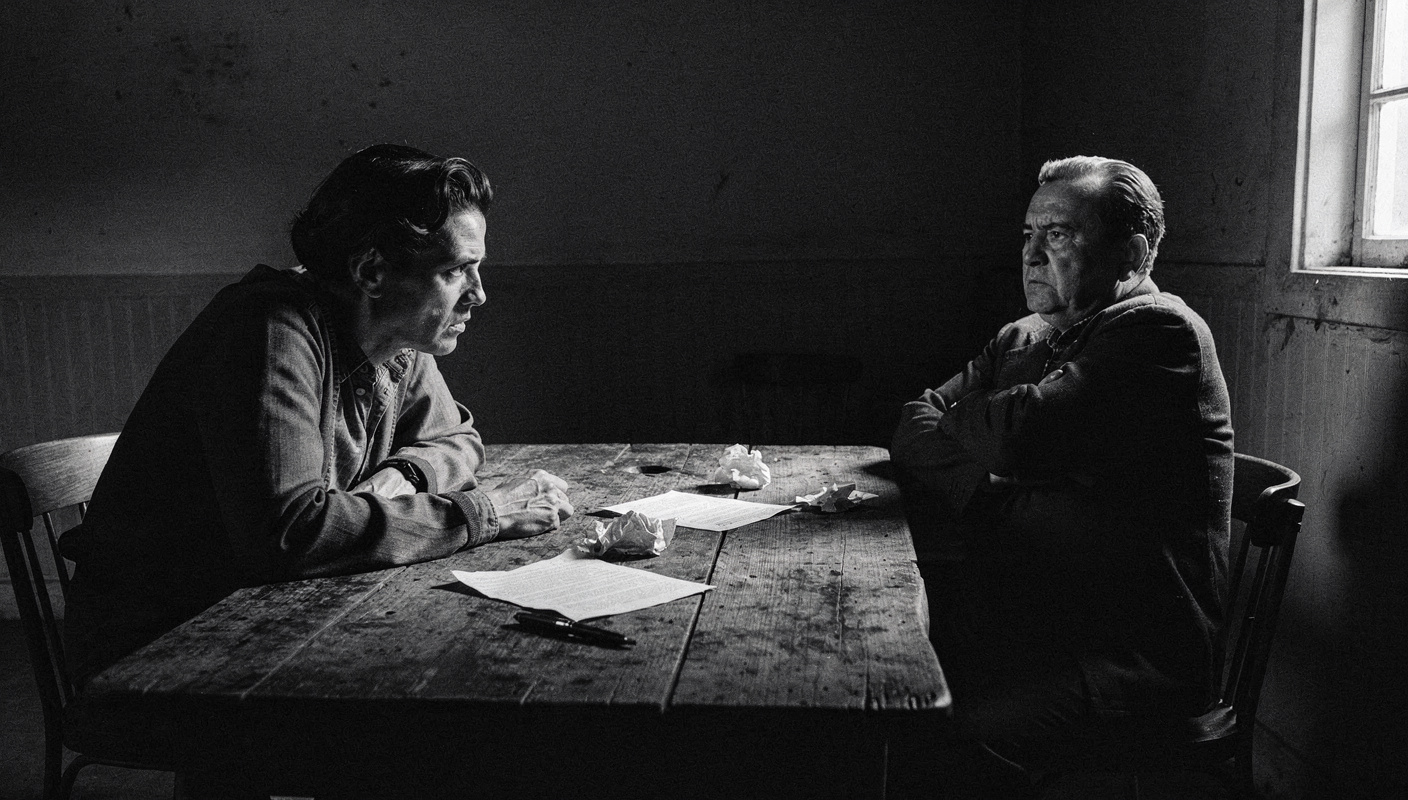
Two directors at a company I worked with years ago had stopped speaking entirely. Their teams could feel it. Decisions stalled. Projects died quietly on both sides of the divide. A colleague suggested they sit down and talk it out. Both agreed in principle and went nowhere. The conflict had gone past the point where the two people inside it could navigate it alone. What finally moved things was bringing in someone from outside, someone with no stake in the outcome, who could hold the space steady while both men said what they had never managed to say directly.
That is where third-party mediators earn their place in conflict negotiations. Not as a last resort, and not as a sign of failure. As a tool with a specific purpose: to make dialogue possible when direct communication has collapsed or become too charged to be productive.
What Third-Party Mediators Actually Do in a Conflict
A mediator's job is not to solve the problem. That distinction matters more than people realise.
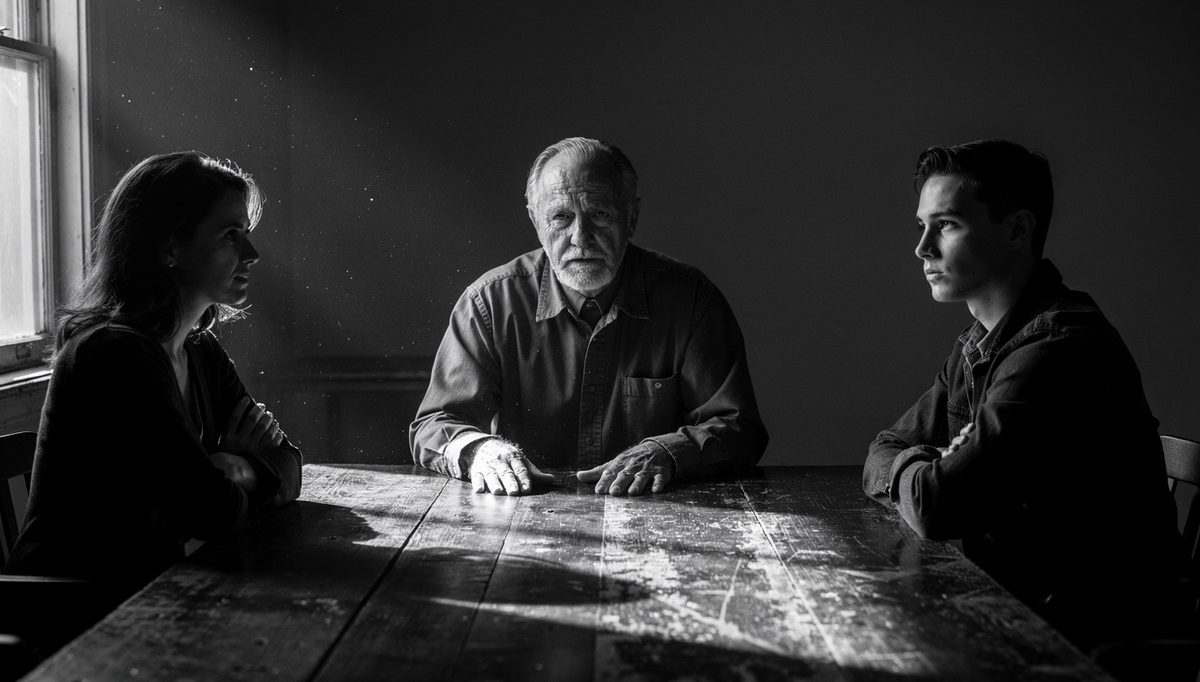
The mediator's role is to create the conditions under which the people inside the conflict can solve it themselves. They manage the process; the parties manage the content. A skilled mediator listens carefully to both sides, not to judge who is right, but to understand what each party actually needs beneath the position they are defending.
Here is what that looks like in a real situation. A long-term client relationship breaks down over a disputed contract. Both parties have lawyers on standby. Before litigation, they agree to mediation. The mediator meets with each side separately first, a process sometimes called a caucus. She listens to the grievances, maps the interests behind the stated demands, and identifies the one thing both sides have in common: they want to preserve the commercial relationship. She brings them together with that shared interest on the table. The legal arguments recede. Within half a day, they have a resolution neither side had considered before she asked the right questions.
That is mediation working as it should.
"The Conversation You're Avoiding Is the One You Need to Have."
"The Conversation You're Avoiding
Is the One You Need to Have."
Stop rehearsing conversations you'll never have. Say It Right Every Time gives you 115 word-for-word scripts and 16 proven frameworks to speak with confidence in every conversation that matters.
When a Conflict Has Gone Past Direct Resolution
There is a specific moment in a dispute when the people involved lose their ability to hear each other clearly. Positions harden. Every word from the other side lands as an attack. Even a well-intentioned attempt to talk becomes fuel for the fire.
Knowing when to call in a third-party mediator is a skill in itself. You need outside help when the same conversation keeps looping without progress; when one party holds significantly more power than the other and that imbalance is distorting the dialogue; when both sides have stopped engaging on substance and started attacking character; or when the emotional temperature has climbed so high that rational exchange is impossible. You can learn more about managing that temperature in How to De-escalate Arguments During Meetings, which covers practical techniques for bringing a conversation back from the edge.
Waiting too long is the most common error. The longer a conflict sits unaddressed, the more entrenched both sides become, and the costlier resolution becomes in time, trust, and sometimes money.
The Three Misconceptions That Undermine Mediation
People arrive at mediation with assumptions that can sabotage the process before it starts. Here are the three I have seen cause the most damage.
The mistake: Mediation means someone splits the difference and both sides walk away disappointed.
Why it happens: People confuse mediation with arbitration or negotiated compromise.
What to do instead: Understand that mediation surfaces what each party genuinely needs, and those underlying interests often point toward solutions that a simple split would never find. When both sides feel heard, options open up that positional bargaining closes down.
The mistake: Calling a mediator is an admission that you failed.
Why it happens: There is still a cultural bias toward resolving conflict internally, as if needing outside help signals weakness.
What to do instead: Reframe it as a practical choice. A mediator is a specialist tool for a specific situation. You would not hesitate to call an engineer when a structure needs expert assessment. Conflict at impasse deserves the same respect. If your team struggles with the dynamics that create these impasses in the first place, How Unmet Needs Drive Team Conflict and What to Say to Restore Synergy offers a useful framework for understanding what sits beneath the surface.
The mistake: The mediator will take the side of whoever has the stronger case.
Why it happens: People project the adversarial logic of litigation onto a non-adversarial process.
What to do instead: A good mediator holds impartiality as an absolute. Their credibility depends on it. Both parties must trust that the mediator has no agenda beyond helping them reach their own resolution. The moment a mediator appears to favour one side, the process collapses.
What the Process Looks Like From the Inside
If you have never been through a mediated conflict negotiation, the structure can feel unfamiliar. Understanding it before you enter the room reduces anxiety and increases your chances of a good outcome.
Most formal mediation begins with separate sessions. Each party speaks privately with the mediator, without the other side present. This is where the mediator listens, not just to the facts of the dispute, but to the emotion behind it and the interests beneath it. People say things in a private caucus that they would never say across the table. That honesty is part of what makes the subsequent joint session productive.
The joint session is where the mediator brings both parties together. The ground rules are set clearly: each person speaks without interruption, the mediator manages the flow, and nothing said in the room can be used in subsequent legal proceedings unless both parties agree. That last point, confidentiality, is one of the pillars that makes mediation safer than litigation for preserving an ongoing relationship.
The mediator reframes. This is one of the most powerful skills in the process. When one party says, "They deliberately misled us," a skilled mediator might reflect back, "So what matters most to you is that communication is clear and reliable going forward?" That shift from blame to interest changes the texture of the conversation entirely. For a practical method you can use to prepare for conversations like these, How to Use the C.O.R.E. Framework to Stay Grounded During a Tense Workplace Conversation gives you a clear personal system.
Three Situations Where Mediation Changed Everything
I want to give you three scenarios that show how this plays out across different settings, because mediation is not only a corporate tool.
A team fractured by a leadership decision. A senior manager made a resourcing call that left half the team feeling sidelined. Resentment built for months. Two camps formed. Productivity dropped. A mediator was brought in, not to re-litigate the decision, but to help both sides articulate what they needed to move forward. The manager heard things she had never heard directly. The team felt seen for the first time. They returned to work with a clear, shared understanding. For teams dealing with these fractures, How to Use the D.E.A.L. Method to Resolve Conflicts That Are Fracturing Team Synergy provides a practical complement to what a mediator can initiate.
Two colleagues locked in mutual refusal. A project had two leads who simply would not cooperate. Both were competent. Both believed the other was the problem. Their manager had tried everything and run out of options short of reassignment. A skilled mediator met with both separately, identified that both felt professionally disrespected, and built a joint session around that shared experience. They were not friends afterwards. But they worked together effectively, and the project was delivered. The D.E.A.L. Method for defusing tension between colleagues who refuse to cooperate can help you handle the earlier stages before a situation reaches that point.
A business partnership breakdown. Two founders had built something genuinely good together, then hit a wall over the direction of the company. Conversations had become circular and bitter. Lawyers were involved. A mediator was brought in at the eleventh hour. She spent a full day with them. By the end, they had not saved the partnership, but they had agreed a separation that preserved the business, protected their employees, and left them able to speak civilly to each other. Without her, neither of those outcomes was likely. For situations where a relationship needs rebuilding after serious breakdown, How the B.R.I.D.G.E. Method Rebuilds Working Relationships After Tension Has Created a Genuine Breakdown offers a structured path forward.
How to Prepare Before You Enter a Mediated Conversation
Being inside a mediated conflict negotiation is not the same as being passive. The mediator creates the conditions; you still have to do the work.
Before the session, get clear on your interests, not just your positions. A position is what you are demanding. An interest is why you need it. The mediator will ask you to go deeper, so do that work beforehand. Write down what a good outcome actually looks like for you, and ask yourself honestly what the other party might need that you have not considered. Being prepared on conflict dynamics inside meetings also helps; How to Handle Conflict During Meetings is worth reading before you sit down.
Practice speaking about the impact without assigning blame. Not "they deliberately undermined me," but "when that decision was made without consultation, I lost confidence in the process." That distinction, impact rather than accusation, changes how the other party can receive what you are saying.
What Happens After the Room
A mediated agreement is only as strong as the commitment both parties bring to it. Here is the truth of it: mediation can create the agreement, but it cannot create the will to honour it. That part is on you.
The best mediators know this. They close a session not just with a written agreement, but with a conversation about what implementation looks like, who is responsible for what, and what both parties will do if friction arises again. Some conflicts need a follow-up session a few weeks later to catch early drift before it becomes a new dispute.
Third-party mediators work because they remove the ego from the process long enough for sense to enter. They give both sides a neutral container to say the difficult thing and hear the difficult thing without the conversation collapsing. That is not a small thing. In a dispute that has hardened over months or years, it can be the difference between resolution and permanent rupture.
If you are navigating a conflict right now and the direct conversation keeps ending in the same place, consider whether what you need is not another attempt at that same conversation, but a different kind of structure entirely. Third-party mediators exist precisely for that moment.
Frequently Asked Questions (FAQ)
What do third-party mediators do in conflict negotiations?
Third-party mediators create a structured, neutral space where opposing parties can speak and be heard without the conversation collapsing into argument. They reframe positions, surface underlying interests, and guide both sides toward a voluntary agreement they can each live with.
When should you bring in a third-party mediator?
You should bring in a third-party mediator when direct conversation has broken down, when both sides have hardened into fixed positions, or when the power imbalance between parties makes fair dialogue impossible. Waiting too long usually makes the conflict harder and costlier to resolve.
Are third-party mediators the same as arbitrators?
No. A mediator guides both parties toward their own voluntary agreement and has no power to impose a decision. An arbitrator hears both sides and makes a binding ruling. Mediation preserves relationships far better because the solution belongs to the people in the room.
How do third-party mediators stay neutral in a conflict?
Mediators stay neutral by focusing on interests rather than positions, by giving equal time and space to both parties, and by refusing to side with either narrative. Good mediators are transparent about the process and keep their own opinions entirely out of the conversation.
Can third-party mediation work in workplace conflicts?
Yes, and it is often the most effective route when a workplace conflict has reached a point where colleagues refuse to engage directly. Mediation works particularly well when both parties still need a functioning working relationship after the dispute is resolved.
What makes third-party mediation fail?
Mediation fails most often when one or both parties enter it without genuine willingness to move, when the mediator lacks the skill to manage power imbalances, or when the process is used as a delaying tactic rather than a sincere attempt at resolution. Timing matters enormously.