
In Short
Conflict that comes back was never fully resolved the first time. A surface agreement cannot hold if the underlying need was never addressed. To close conflict for good, you must find the root, not just the symptom, and build a shared commitment that both people can actually keep.
Recurring conflict resolution is the practice of addressing a dispute that returns after an earlier attempt to settle it. It focuses on identifying the unmet need or unspoken grievance beneath the surface, so that any new agreement is durable rather than temporary.
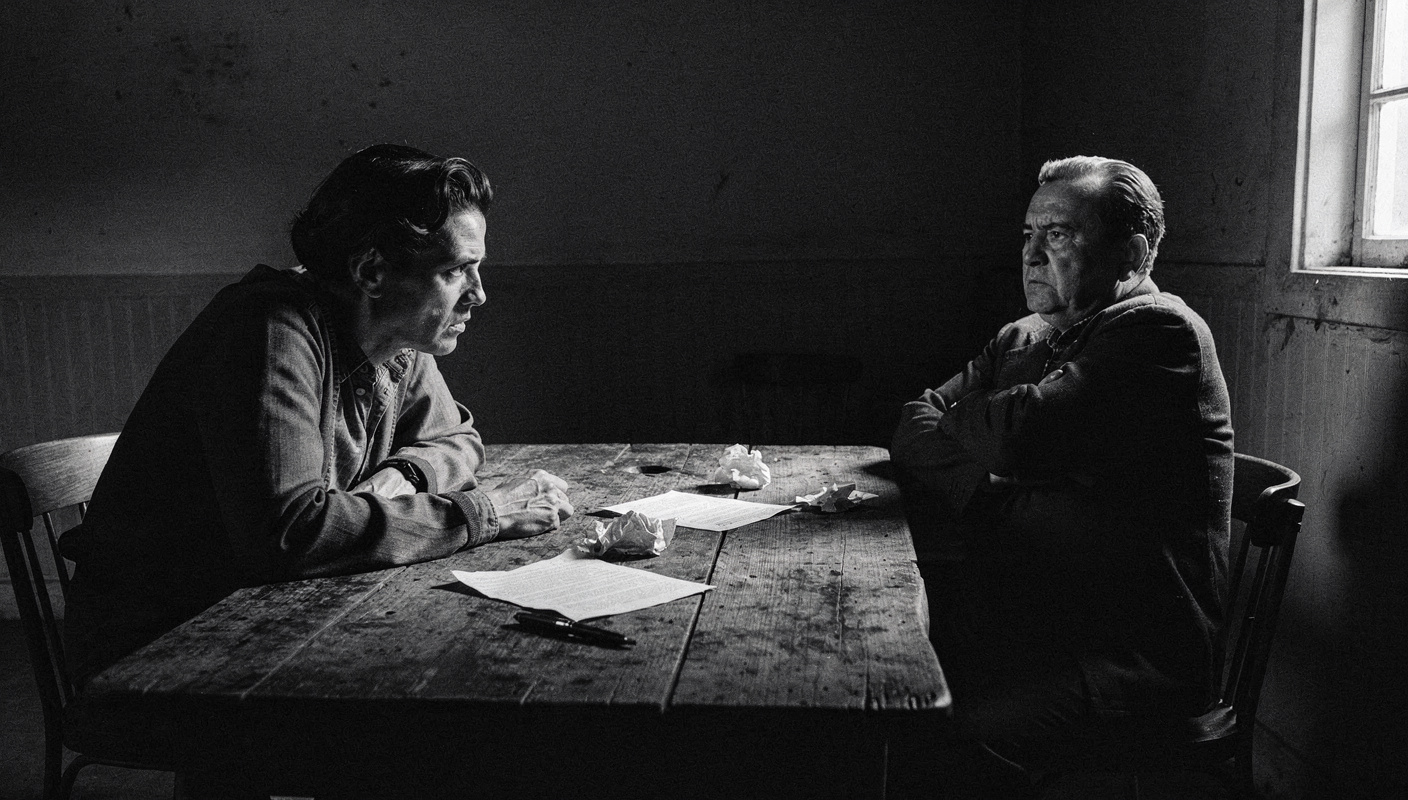
You sat across from someone, talked it through, shook hands, and believed it was done. Then, three weeks later, there it was again. The same sharpness in the room. The same old argument in a new set of clothes. And you felt something worse than frustration: you felt foolish for thinking it was over.
I have been in that room more times than I care to count. Recurring conflict is one of the most demoralising experiences in any working relationship because it makes you doubt whether resolution is even possible. But here is the truth of it: when conflict comes back, it almost never means the other person is impossible. It means the first conversation fixed the surface and left the root completely untouched.
This guide gives you a working process for handling conflict that re-emerges. You will know how to diagnose why it returned, how to reopen the conversation without making things worse, and how to build an agreement that actually holds.
Why Recurring Conflict Is Harder to Resolve Than New Conflict
New conflict is uncomfortable. Recurring conflict carries something extra: the weight of having already tried. Both people arrive at a second conversation with less trust, more caution, and a quiet suspicion that talking will not help. The person who felt unheard the first time is now doubly guarded. The person who thought it was resolved feels blindsided and, often, accused.
There is also a pattern problem. Once conflict has cycled once, it is far more likely to cycle again. Each return deepens the groove. People start to expect friction in certain interactions, and that expectation can trigger the very behaviour they are bracing against. You are not just resolving a dispute; you are interrupting a pattern that has already taken root.
If you want to understand what drives these patterns at a deeper level, the article How Unmet Needs Drive Team Conflict and What to Say to Restore Synergy is worth your time. Unmet needs are almost always what sits beneath a conflict that refuses to stay resolved.
"The Conversation You're Avoiding Is the One You Need to Have."
"The Conversation You're Avoiding
Is the One You Need to Have."
Stop rehearsing conversations you'll never have. Say It Right Every Time gives you 115 word-for-word scripts and 16 proven frameworks to speak with confidence in every conversation that matters.
What You Need Before You Reopen the Conversation
Do not rush back in. Before you sit down with the other person again, two things must be in place.
First, you need clarity on what the first resolution actually was. Not what you intended it to be. What was actually said, what was agreed, and what each of you understood those words to mean. Misaligned interpretations are one of the most common reasons conflict returns: both people thought they agreed, but they agreed on different things.
Second, you need your own honest account of what you have and have not done since the last conversation. If you committed to something and did not follow through, the conflict may have returned partly because of your own gap. Going back in without acknowledging that will make the other person feel gaslit, not heard.
The Six-Step Process for Closing Conflict That Keeps Returning
Step 1: Name the Pattern Before You Name the Problem
Open the conversation by acknowledging that this has happened before. Do not treat this meeting like a fresh start, because the other person knows it is not.
Say something like: "I want to start by acknowledging that we have been here before. The fact that this has come back tells me we did not get to the root of it last time, and that is on both of us."
This does two things. It signals that you are not here to win the argument; you are here to understand something you missed. And it shares the responsibility, which reduces the other person's defensiveness before you have even reached the substance.
Step 2: Revisit the First Agreement Explicitly
Ask the other person what they understood the last resolution to be. Then share your own understanding. Do not skip this step, even if it feels redundant.
You might say: "Can we both say out loud what we thought we agreed on last time? I want to make sure we are starting from the same place."
You will often find, right here, that the gap is already visible. One person thought a behaviour would change immediately; the other thought it was a gradual shift. One person thought the issue was closed; the other was still waiting for something that never came. That gap is your first real piece of information.
Step 3: Find the Need Behind the Grievance
Every recurring conflict has an unmet need sitting underneath it. It is rarely the thing being argued about. It is what that thing represents: respect, fairness, recognition, security, control. Until you identify that need, any new agreement will be as fragile as the last one.
Ask directly: "What was it about this situation that mattered most to you? Not just what happened, but what it meant."
Give the person time to answer. Do not rush to your own point. What they say here will tell you more than everything that came before it. If you want a structured method for working through this kind of deep-root conversation, the D.E.A.L. Method for resolving conflicts that are fracturing team synergy offers a clear framework you can apply directly.
Step 4: Acknowledge What Was Missed the First Time
This step takes courage. You need to name, plainly, what the first resolution failed to address. Not as a criticism of either person, but as an honest account of what happened.
Try: "I think what we missed last time was X. We focused on the immediate situation, but we did not talk about what was underneath it. I want to address that now."
If you contributed to the gap, say so. "I agreed to do X and I did not follow through consistently. That matters, and I want to own it." This kind of honesty is not weakness. It is the thing that makes the next agreement worth anything.
Step 5: Build the New Agreement Together
Do not propose a solution and ask the other person to agree. Build the agreement in the open, line by line, so both people have shaped it. A solution that one person designed and the other accepted is one crisis away from collapsing again.
Ask: "What would need to be true for this to feel genuinely resolved to you?" Then answer that question yourself. Find the overlap. Where there is no overlap, negotiate specifically: "I can commit to X. I cannot commit to Y, but I can offer Z instead."
Write down what you agree to, even informally. A text message summary, an email, a note on a shared document. The act of writing it makes the commitment real and removes any future ambiguity about what was said.
Step 6: Agree on How You Will Know It Is Working
Every durable resolution needs a way to check itself. Without a clear signal, both people will interpret daily events through their own lens, and the first friction will feel like proof that nothing has changed.
Agree on something specific: "Let us check in on this in two weeks. Not a formal meeting, just a quick conversation to see how it feels." Or: "If either of us feels this starting to resurface, we agree to say so directly within 48 hours rather than letting it build."
This step is where most people stop short, and it is the step that does the most work. For guidance on rebuilding the broader relationship after repeated tension, the article How to Rebuild Trust After Unresolved Tension Has Damaged a Working Relationship goes deeper into what trust repair actually requires over time.
When the Conflict Is Happening in a Remote or Distributed Team
Remote settings add a specific complication to recurring conflict. In person, a conversation has a beginning and an end. Over a screen, meetings blur together, messages arrive without tone, and follow-through is harder to observe. Conflict that resurfaces in a remote team often does so invisibly: a message that goes unanswered for a day longer than usual, a person who stops contributing in a shared channel, a meeting where someone is present but not really there.
In a remote context, you need to be more explicit about everything. Name the conflict by name in a private message before the meeting, so the other person is not blindsided. Use a video call, not a chat thread, for the conversation itself. Summarise agreements in writing immediately after the call, while the words are still fresh. And build the check-in into your calendar before the call ends, because without a scheduled moment, it will drift.
The D.E.A.L. Method for defusing tension between colleagues who refuse to cooperate is particularly useful in remote settings because it gives both people a shared structure to follow, which reduces the ambiguity that asynchronous communication creates.
Where People Go Wrong When Conflict Returns
These are the three mistakes I see most often. I have made every one of them myself.
The mistake: Treating the returning conflict as proof the other person is the problem.
Why it happens: When something you thought was resolved comes back, frustration turns quickly into blame. It is easier to conclude the other person is difficult than to accept that the resolution was incomplete.
What to do instead: Approach the return as diagnostic information, not evidence of bad faith. Ask what you both missed, not who failed.
The mistake: Starting the second conversation with a stronger version of your original argument.
Why it happens: We assume that if our point did not land the first time, we need to make it more clearly or more forcefully. But the issue is rarely clarity. It is that the other person's underlying concern was not addressed.
What to do instead: Lead with curiosity, not conviction. Start by understanding what the other person experienced since the last conversation before you offer any position of your own. For a practical look at how tension keeps resurfacing and what to say when it does, the article How to Address Tension That Keeps Resurfacing After You Thought It Was Resolved has specific language you can use.
The mistake: Reaching a new agreement without a follow-through mechanism.
Why it happens: By the time an agreement is reached, both people are tired and relieved. Nobody wants to schedule another conversation about something they want to be done with.
What to do instead: Build the follow-up into the agreement itself. Name the date. Name the signal. Make it part of what you both commit to, not an optional extra.
Your Recurring Conflict Resolution Checklist
Use this before, during, and after any conversation about a conflict that has returned.
Before the conversation:
- Write down what the original agreement was, as you understood it.
- Note what you have and have not followed through on since that agreement.
- Identify, honestly, what unmet need might be driving the other person's continued frustration.
During the conversation:
- Open by naming the pattern and sharing responsibility for the incomplete resolution.
- Compare your understanding of the first agreement with the other person's understanding.
- Ask what mattered most to them, and listen without preparing your rebuttal.
- Name what was missed the first time, including your own contribution to that gap.
- Build the new agreement out loud, with both people shaping it.
- Write down what you have agreed to before the meeting ends.
- Set a specific date and trigger for your check-in.
After the conversation:
- Send a written summary within 24 hours, framed as "this is my understanding of what we agreed."
- Honour your commitments visibly and early, because the first few days set the tone.
- If friction returns before the check-in date, name it within 48 hours rather than waiting.
If you are working with a relationship where trust has broken down more significantly, the B.R.I.D.G.E. Method for rebuilding working relationships after a genuine breakdown offers a more structured repair process for situations where goodwill has been genuinely depleted.
The Conversation That Finally Closes It
Decades ago, I watched a partnership between two talented people collapse over a dispute that had been "resolved" four separate times. Each resolution fixed the visible argument. None of them ever touched what was underneath: one person felt their contribution was consistently undervalued, and the other never understood that was even at stake. They kept solving the wrong problem with increasing efficiency.
Recurring conflict is not a character judgment. It is a signal that the original conversation stopped too soon. The moment both people acknowledge that, the real work can begin. For guidance on handling feedback-related disputes that cycle in a similar way, How to Resolve Disagreements About Feedback at Work is a practical companion to the process above.
The goal is not to win the next conversation. The goal is to make it the last one on this particular matter. Recurring conflict resolution done well does not just end a dispute; it changes how two people work together from that point forward. That is worth the effort. It is worth the discomfort of revisiting something you wished was already done. And it is entirely within your reach.
Frequently Asked Questions (FAQ)
What is recurring conflict resolution?
Recurring conflict resolution is the process of addressing a dispute that has already been discussed but keeps returning. It focuses on finding the root cause rather than treating the symptoms, so that any agreement reached is durable and both parties genuinely commit to it.
Why does conflict keep coming back after it seems resolved?
Conflict returns because the original resolution addressed behaviour or outcomes without touching the underlying need or grievance. Both parties may have agreed on the surface while privately feeling unheard, which means the tension has nowhere to go except back to the table.
How do you start a recurring conflict resolution conversation?
Start by naming the pattern honestly, without assigning blame. Say something like: the last time we spoke about this we both agreed on X, but the tension has returned, and I want to understand what we missed. That framing invites reflection rather than defensiveness from the other person.
What is the difference between a surface fix and a durable resolution?
A surface fix resolves the visible symptom, usually a specific incident or behaviour, without addressing the need or value behind it. A durable resolution reaches the underlying concern, produces a shared commitment to change, and includes a clear way to check whether that commitment is being kept.
How long does recurring conflict resolution take?
It depends on how long the conflict has been cycling. A pattern that has repeated twice may take one focused conversation of thirty to sixty minutes. A long-standing conflict with accumulated resentment may need two or three separate conversations to work through fully and reach a lasting agreement.
What do you do if the other person refuses to engage with recurring conflict resolution?
If someone refuses a direct conversation, name what you observe without pressure: I notice we keep returning to this, and I am ready to talk whenever you are. Then document your own commitments in writing. Refusal is information too, and it may require involving a third party to move forward.