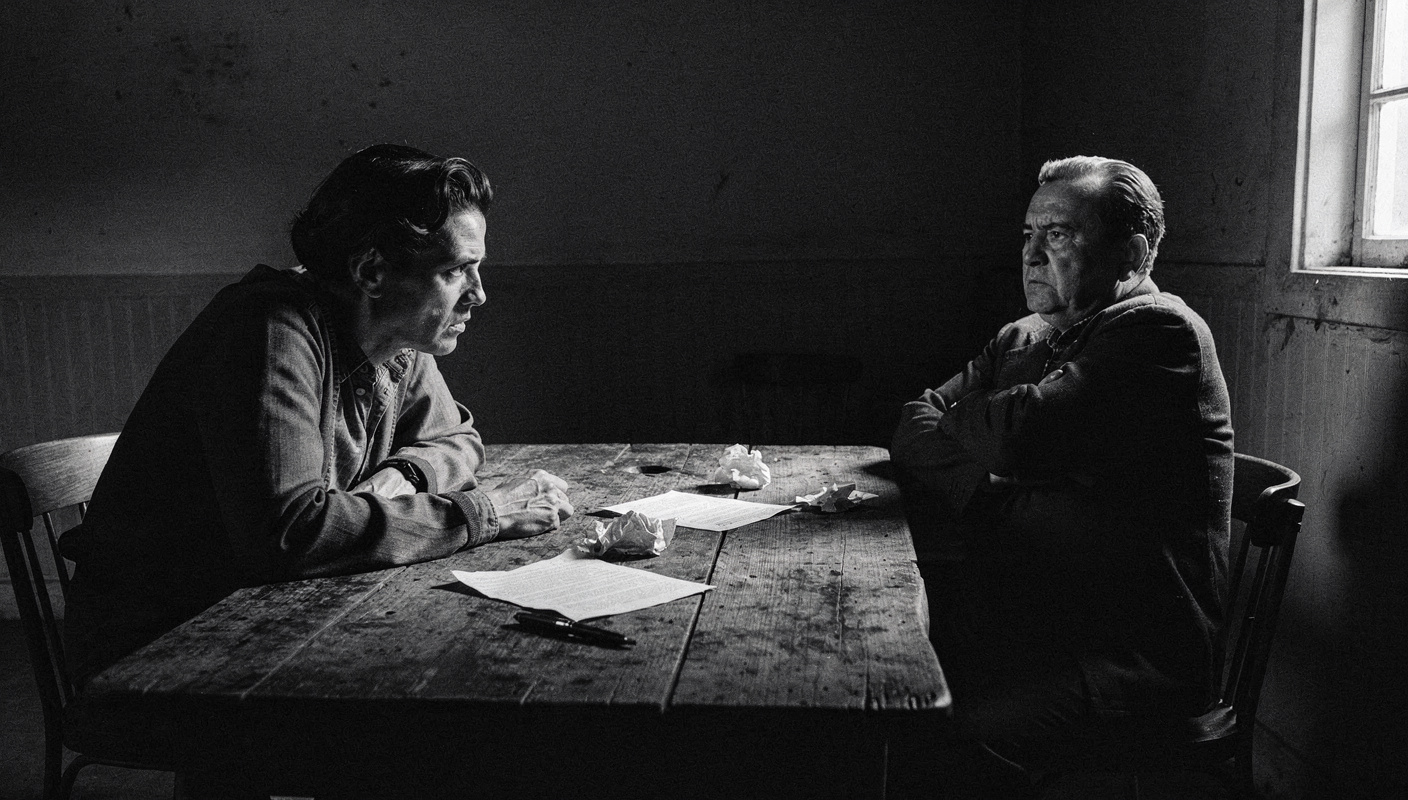

In Short
The instinct to end conflict in a negotiation is almost always about relieving your own discomfort, not improving your deal. Rushing to resolution before the tension has done its work produces agreements that are fragile, lopsided, or both.
- Premature settlement feels like progress but is often a form of surrender.
- The discomfort you are trying to escape is frequently the most valuable part of the process.
- Knowing when NOT to resolve conflict quickly is a skill that takes years to build and a moment of awareness to apply.
Resolving conflict quickly in negotiation means reaching agreement before the underlying disagreement has been fully examined. It typically produces worse deal terms because the settlement is driven by the desire to end discomfort rather than by a clear understanding of both parties' real interests and limits.
Someone I worked with years ago came back from a negotiation looking pleased. He had sorted the dispute in under an hour. Both sides shook hands. Everyone went home without raised voices. I asked him what terms he had agreed to. His face changed. He had given away three months of payment deferral and dropped his price by eight percent. He had not planned to do either. What he had actually done was buy his way out of an uncomfortable room, and called it a deal.
Resolving conflict quickly is one of the most seductive mistakes in any negotiation. It masquerades as competence. It feels decisive. The other person stops pushing, the air in the room lightens, and you tell yourself the hard part is over. But in my experience, the agreements reached fastest under conflict are also the ones most likely to unravel, to breed resentment, or to anchor the wrong number in every conversation that follows.
The warning signs are rarely dramatic. They look like professionalism, like good faith, like emotional maturity. That is precisely why they are so easy to miss.
Why the Pressure to Settle Feels Like the Right Thing to Do
Conflict in a negotiation is uncomfortable by design. Two parties want different things. The gap between them is real, and naming it out loud creates tension that most people are not trained to tolerate. The natural human response is to close that gap as quickly as possible, even if closing it means giving ground you did not intend to give.
Here is the truth of it: the discomfort is not a problem to solve. It is information. It tells you that something real is at stake for both sides. The moment you treat that tension as an emergency, you stop negotiating and start appeasing.
Most people have been rewarded their whole lives for smoothing things over quickly. In meetings, in families, in friendships, the person who de-escalates fast is usually seen as the reasonable one. That habit is useful in most of life. In negotiation, it is a liability. If you want to understand how conflict can fracture a team context before it reaches the table, How Unmet Needs Drive Team Conflict and What to Say to Restore Synergy is worth reading first.
"The Conversation You're Avoiding Is the One You Need to Have."
"The Conversation You're Avoiding
Is the One You Need to Have."
Stop rehearsing conversations you'll never have. Say It Right Every Time gives you 115 word-for-word scripts and 16 proven frameworks to speak with confidence in every conversation that matters.
Six Signs You Are Settling Too Fast
1. You feel relief rather than satisfaction when the deal closes.
What it looks like: The moment the other party agrees, your dominant emotion is relief that the tension is over, not confidence in the terms you secured.
Why it happens: You were negotiating to escape the discomfort, not to reach the best possible outcome. The goal shifted without you noticing.
Why it matters: Relief fades by the next morning. What remains are the terms you agreed to, and the quiet awareness that you did not fully test them.
What to do: Before you close, pause for thirty seconds and ask yourself: "Would I accept these terms if the conversation had been entirely comfortable?" If the answer is uncertain, do not close yet.
I have felt that relief myself. It took me years to learn that it was a warning signal, not a reward.
2. You make a concession immediately after the other party shows frustration.
What it looks like: The moment the other person raises their voice, sighs heavily, or expresses impatience, you move your position. You may frame it as flexibility, but it follows their emotional signal, not new information.
Why it happens: Frustration in others triggers appeasement behaviour in most people. It is wired deep. The negotiation equivalent is offering a concession to lower the temperature.
Why it matters: You have just taught the other party that emotional pressure works on you. Expect them to use it again, perhaps more deliberately, before the conversation ends.
What to do: When you feel the pull to concede after someone expresses frustration, say instead: "I hear that this is important to you. Help me understand why this point matters so much." Buy yourself a minute to think rather than a moment of quiet.
The first person who taught me this lesson cost me a significant contract. I am grateful to them still.
3. You stop asking questions once a provisional agreement is within reach.
What it looks like: Both parties are moving toward agreement. The tone softens. You stop probing and start confirming. The questions disappear because asking them feels like reopening a wound.
Why it happens: Proximity to agreement creates its own pressure. Nobody wants to be the person who pulls the deal apart at the final moment.
Why it matters: The questions you stop asking are usually the ones that would reveal whether the agreement is durable. Hidden constraints, unstated expectations, and unresolved ambiguities all survive a rushed close and surface later as disputes.
What to do: Make it a rule to ask at least two clarifying questions after both parties have signalled agreement, before you confirm anything in writing. How to Handle Conflict During Meetings has useful framing for keeping those questions productive rather than provocative.
4. You agree to vague language because it feels less contentious than precision.
What it looks like: The final terms contain phrases like "reasonable timeframe," "as soon as practicable," "broadly in line with," or "subject to review." Neither party defines these phrases. Both parties leave with different mental pictures of what they mean.
Why it happens: Precise language surfaces disagreement. Vague language buries it. When both sides want the conflict to end, vague language feels like consensus.
Why it matters: Vague agreement is not agreement. It is a deferred argument. The dispute you avoided at the table will reappear, usually at a worse time and with compounded frustration on both sides.
What to do: For every vague phrase in a draft agreement, write beside it: "This means exactly what, by exactly when?" If both parties cannot answer that question consistently, the phrase needs to be replaced before you sign.
5. You confuse the other party's silence with satisfaction.
What it looks like: You make a proposal. The other party says very little. You interpret the silence as acceptance and move forward. They may nod, or simply stop objecting.
Why it happens: Silence in conflict feels dangerous. Most people rush to fill it, or interpret the absence of protest as consent. In reality, silence often signals that the other party is regrouping, not conceding.
Why it matters: You may reach what feels like a settled deal while the other party is already planning their next move. Agreements built on misread silence collapse at implementation.
What to do: After a period of silence, say directly: "I want to make sure we are genuinely aligned here. What is your honest read on what we have just agreed?" Invite them to push back before you move on.
6. You rush to resolve the conflict before understanding what is actually driving it.
What it looks like: Two parties are arguing about price, or timing, or scope. You negotiate on those surface terms, reach a number both sides can accept, and close. The argument stops. The deal holds for three weeks, then the same conflict re-emerges in a slightly different form.
Why it happens: Positional bargaining focuses on stated positions rather than underlying interests. The stated position is the tip. The interest beneath it is the iceberg.
Why it matters: A deal built on unexamined positions is a temporary ceasefire. The moment circumstances shift, the unresolved interest resurfaces and reopens the conflict.
What to do: Before you negotiate terms, spend ten minutes on this question: "What does the other party need this agreement to do for them?" The answer almost never matches their opening position. This is genuinely the most important question in any negotiation, and most people never ask it. For a structured method of working through underlying interests before they fracture relationships entirely, the D.E.A.L. Method for resolving conflicts that are fracturing team synergy gives you a clear place to start.
7. You treat any sign of agreement as permission to stop pushing.
What it looks like: The other party makes a small concession. You respond warmly, signal that you are satisfied, and begin wrapping up. The concession was minor. You have left the larger points unaddressed.
Why it happens: A concession, even a small one, releases tension. It feels like the other party has shown good faith. Asking for more immediately afterwards feels greedy or ungrateful.
Why it matters: Skilled negotiators often make a low-cost concession deliberately to trigger closure instincts in the other party. If you respond by closing down rather than continuing to test the space, you may have been managed without realising it.
What to do: When the other party concedes on a minor point, acknowledge it directly and then stay on the field: "I appreciate that. Let me make sure we have the bigger picture sorted before we formalise anything."
This one took me embarrassingly long to see. I used to think I was being gracious. I was being played.
The Root That Produces Most of These Mistakes
Every sign above has a different face, but they share a single root: discomfort avoidance. The negotiator who settles too fast is not weak or foolish. They are human. They have learned, as we all have, that conflict is costly and resolution is rewarded. They carry that learning into a context where it works against them.
When you treat the tension in a negotiation as something to be eliminated rather than something to be understood, you stop gathering information and start managing feelings. Your own feelings, mostly. The deal you reach will reflect that priority.
This is the pattern. Name it, and most of the signs above become far easier to catch. For situations where conflict has already escalated past the point of productive tension, how to de-escalate arguments during meetings gives you a practical path back to solid ground.
A Quick Diagnostic: Are You Settling to End Discomfort?
Read each statement and mark it honestly. Yes or No.
- I feel genuine relief, not satisfaction, when a difficult negotiation ends.
- I have made concessions immediately after the other party showed frustration or impatience.
- I have agreed to vague language in a final deal because precise terms felt too contentious.
- I have stopped asking questions once agreement seemed close.
- I have misread the other party's silence as acceptance and moved forward.
- I have agreed to terms I later regretted within 48 hours of the conversation.
- I find it hard to sit with unresolved tension for more than a few minutes without doing something to reduce it.
Scoring:
- 0 to 2 Yes: You have reasonable tolerance for negotiation conflict. Stay alert to the less obvious signs.
- 3 to 4 Yes: Discomfort avoidance is influencing your deal terms. The pattern is costing you.
- 5 to 7 Yes: You are consistently negotiating to end conflict rather than to reach good agreements. The next section is your starting point.
Where to Begin If You Recognise This Pattern
The first move is not a technique. It is a question you ask yourself before the next difficult conversation begins: "What am I willing to stay uncomfortable for?"
Name your walkaway point clearly before you sit down. Know what you will not give, and why. When you have that anchor, the discomfort in the room has somewhere to land. You can feel it without being driven by it.
If the conflict has already produced a breakdown in working relationship, the B.R.I.D.G.E. Method for rebuilding relationships after tension has created a genuine breakdown gives you a structured path forward. If a previous attempt to manage the tension has made things worse, the R.E.C.O.V.E.R. Method addresses exactly that situation. And if you are working with colleagues who are refusing to engage at all, the D.E.A.L. Method for defusing tension between two colleagues who refuse to cooperate is a practical tool worth having ready.
The goal is not to be comfortable with conflict. The goal is to be more comfortable with it than the other person is. That small edge, practised over time, is where better deals are made.
Frequently Asked Questions (FAQ)
What does resolving conflict quickly mean in negotiation?
Resolving conflict quickly in negotiation means settling a dispute or disagreement before its underlying causes have been fully examined. It often happens under time pressure or discomfort. The result is an agreement that looks final but leaves one or both parties worse off than a slower process would have produced.
Why does resolving conflict quickly produce a worse deal?
When you resolve conflict quickly, you typically make concessions to relieve tension rather than to serve your interests. You skip the diagnostic work that reveals what the other party actually needs. That rushed agreement rarely holds, and it sets a weak precedent for every negotiation that follows.
How do you know if you are settling too fast in a negotiation?
The clearest sign is that the relief you feel after agreeing is stronger than the satisfaction you feel about the terms. If you are mainly glad the discomfort is over, you likely settled for less than you deserved. A good deal feels earned, not escaped.
What should you do instead of resolving conflict quickly?
Pause before conceding. Name the tension out loud rather than trying to dissolve it. Ask one more question about what the other party actually needs. Discomfort in a negotiation is information. Learning to sit with it, rather than rush past it, almost always improves the final terms.
Is conflict in negotiation always a bad sign?
No. Conflict in negotiation often signals that both parties care about the outcome. Tension that surfaces real differences in interest is far more productive than a smooth conversation that papers over them. The goal is not a conflict-free negotiation but a conflict-managed one that reaches durable agreement.
When is it genuinely right to resolve a negotiation conflict fast?
Speed is appropriate when the relationship matters far more than the specific terms, when a delay would cause irreversible harm to both parties, or when the disputed point is genuinely minor relative to the overall deal. Even then, name the trade-off explicitly rather than pretending it does not exist.