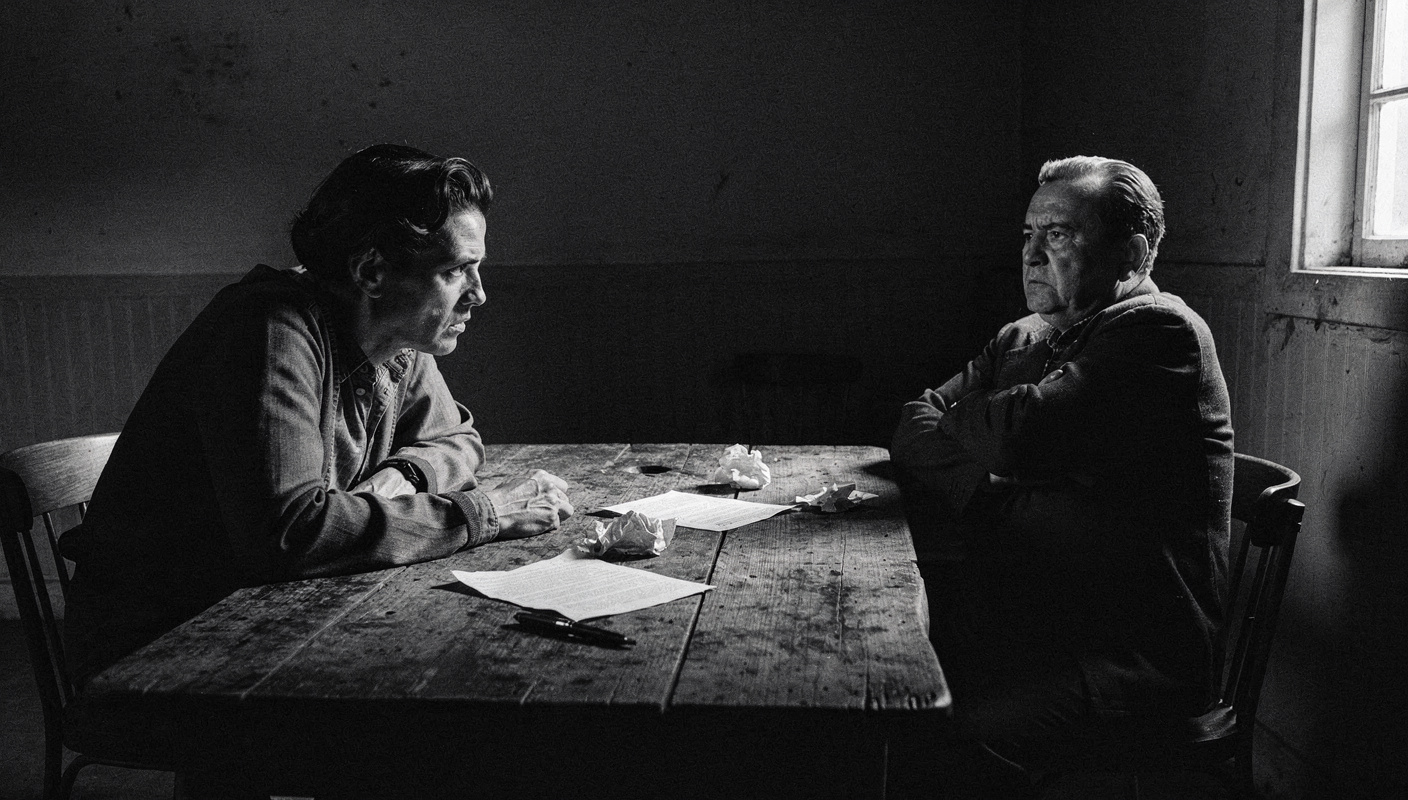

In Short
Having less power in a conflict does not mean you are without options. The side with more authority does not always control the outcome.
- Preparation and clarity of purpose level the ground more than rank ever could.
- Framing the conflict as a shared problem, not a personal challenge, changes what is possible.
- Knowing your walk-away point before the conversation starts is the single most protective thing you can do.
Negotiating conflict effectively is the process of working toward a resolution that protects your core interests when the other party holds more formal authority, resources, or influence. It relies on preparation, disciplined communication, and the ability to stay focused on outcomes rather than power dynamics.
I watched a colleague destroy a two-year working relationship in one afternoon. She had a genuine grievance with her department head, a real conflict over credit and workload, and she went into that meeting unprepared, emotional, and with no clear sense of what she actually needed. She came out having said too much, conceded too quickly, and agreed to terms she resented for months afterward. The relationship never recovered. The problem was not that she had less power. The problem was that she had no process.
Negotiating conflict from a weaker position is one of the most genuinely difficult things you will face at work. When the other side has more authority, more resources, or simply more willingness to stay comfortable, the instinct is either to push too hard or to say nothing at all. Both choices leave you worse off. What follows is a process I have tested and refined across decades of difficult conversations. It will not guarantee you win everything. But it will give you a real method for protecting what matters and being heard when it counts.
Why Low-Power Conflict Feels Like a Trap
The difficulty here is not just psychological. It is structural. When someone holds authority over your role, your salary, or your reputation, raising a conflict carries real cost. You are not imagining the risk. And that awareness can make even a reasonable grievance feel impossible to raise without triggering consequences.
There is also a second trap, less obvious but just as damaging. When you believe you have less power, you tend to prepare less. You walk into the conversation hoping things will go well rather than having a clear plan for what you need, what you are willing to offer, and what you will do if the conversation fails. That lack of preparation is where most low-power conflicts are lost, long before anyone sits down.
The truth of it is this: power in a conflict is rarely as fixed as it feels. The person who enters the conversation prepared, specific, and emotionally steady carries more weight than their title suggests. That is what this process is designed to give you.
"The Conversation You're Avoiding Is the One You Need to Have."
"The Conversation You're Avoiding
Is the One You Need to Have."
Stop rehearsing conversations you'll never have. Say It Right Every Time gives you 115 word-for-word scripts and 16 proven frameworks to speak with confidence in every conversation that matters.
What You Must Settle Before the Conversation Begins
Do not begin the process below until you have done this groundwork. Skipping it is the single most common reason people fail in difficult conflicts.
Know the difference between your position and your interests. Your position is what you are asking for: a different deadline, a retraction, a fairer allocation of work. Your interest is why it matters: you need to be trusted, you need your contribution recognised, you need sustainable working conditions. If you go into the conversation defending a position, you create resistance. If you go in representing an interest, you open the door to creative solutions the other side might actually accept.
Identify your BATNA before you speak. BATNA stands for Best Alternative to a Negotiated Agreement. Put plainly: what will you do if this conversation produces nothing? If you have no answer to that question, you are at the other side's mercy. Your BATNA does not need to be dramatic. It might be escalating to HR, requesting a transfer, or simply deciding to document the pattern and revisit in three months. Knowing it in advance stops you from agreeing to terms you will regret under pressure.
Choose the right moment. Conflicts raised when the other party is under stress, time pressure, or public scrutiny tend to trigger defensiveness rather than engagement. A private, unhurried setting protects you both.
How to Navigate Conflict from a Weaker Position
This is the sequence. Follow it in order. Each step depends on the one before it.
Name the issue without assigning blame. Open by describing the situation, not the person. "There is something affecting my ability to do good work, and I need to talk it through with you" lands very differently than "You have been undermining me." The first invites a conversation. The second provokes a defence. Practise your opening sentence until it is clean and specific, containing no accusations and no apologies.
State your interest, not your demand. Once the issue is named, say clearly what you need and why it matters. Not what you want the other person to do, but what outcome you are trying to protect. "What I need is to know my contributions are being represented accurately when the project is discussed upward" is both specific and non-combative. It tells the other side what resolution looks like without painting them as the villain.
Invite their perspective before you argue yours. This step takes courage. After stating your interest, ask the other side what they see. "I want to understand how this situation looks from where you sit." You are not conceding anything by asking. You are gathering information that will tell you where the real disagreement lies, and whether there is more room to move than you expected. People who feel heard are significantly more willing to hear.
Identify shared ground explicitly. Even in a conflict with someone who holds more power, there is almost always something you both want: the project to succeed, the team to function well, the relationship to remain workable. Name it aloud. "I think we both want this to work without ongoing friction" is not flattery. It is a reframe that shifts the conversation from adversarial to collaborative. If you need guidance on how to move from tension to a shared framework, How to Use the D.E.A.L. Method to Resolve Conflicts That Are Fracturing Team Synergy offers a structured approach that works well alongside this step.
Make a specific, proportionate ask. Do not ask for everything. In a low-power conflict, overreaching destroys credibility and invites refusal. Identify the one or two things that matter most to your core interest, and ask for those clearly. "What I am asking for specifically is that my name appears on the project summary, and that we agree on how decisions about my work get communicated going forward." Specificity signals preparation. Preparation signals strength, regardless of rank.
Acknowledge what you are offering in return. A conflict negotiation is not a grievance submission. You are in a relationship with this person, even an unequal one, and the resolution has to work for both sides. Before the conversation, think about what you can genuinely offer: flexibility on timing, willingness to take on a different task, a commitment to raise future concerns earlier rather than letting them build. Offering something real, rather than waiting to be asked, changes the dynamic in your favour.
Agree on a specific next step before you leave. Do not let the conversation end with vague goodwill and nothing concrete. Even a small, defined commitment from both sides gives the resolution traction: a follow-up conversation in two weeks, a written summary of what was agreed, a change that takes effect from a specific date. Without a next step, the conversation evaporates, and you are back where you started.
When the Other Side Uses Their Power Against You
Some conflicts escalate. The person across from you may use pressure tactics: dismissing your concerns, raising their voice, threatening consequences, or simply refusing to engage. This deserves its own treatment because it changes what the process requires.
The first rule is to slow down. When pressure tactics appear, your instinct will be to match the energy or to collapse. Both are mistakes. Instead, name what is happening, calmly and without accusation: "I want to continue this conversation, but I need us to stay focused on the issue." That sentence does two things: it signals that you are not going away, and it refuses to reward the escalation with a reaction. How to De-escalate Arguments During Meetings covers this kind of real-time management in detail if you need specific language for the moment.
If the conversation becomes genuinely unproductive, you have the right to pause it. "I think we need to come back to this when we are both in a better position to resolve it" is not weakness. It is a strategic decision to protect the quality of the outcome. Before you do, name a specific time to reconvene. Leaving without a follow-up hands control back to the other side.
For situations where a relationship has already broken down significantly before the conflict conversation even begins, the B.R.I.D.G.E. Method for rebuilding working relationships after tension provides a structured path for repair.
Where People Go Wrong in These Conversations
These are the mistakes I have seen most often, and made some of them myself.
The mistake: Staying silent and hoping the issue resolves itself.
Why it happens: Silence feels safe when the other side has more power.
What to do instead: Recognise that unaddressed conflict compounds. The longer it sits, the more ground you lose and the harder the eventual conversation becomes.
The mistake: Leading with emotion rather than evidence.
Why it happens: The situation genuinely feels unfair, and the frustration is real.
What to do instead: Prepare specific, observable examples before the conversation. "On three occasions in the past month" is far harder to dismiss than "I always feel like."
The mistake: Trying to win every point.
Why it happens: Once you are finally in the conversation, the temptation is to surface every grievance at once.
What to do instead: Choose your two most important interests and protect those. Let the smaller points go. You can always return to them once trust is partially rebuilt. If unmet needs are driving repeated conflict patterns, How Unmet Needs Drive Team Conflict and What to Say to Restore Synergy offers a useful framework for understanding what is really underneath the surface.
The mistake: Making threats you cannot or will not carry out.
Why it happens: People feel they need leverage, and threats feel like a way to create it.
What to do instead: Only ever name consequences you are genuinely prepared to follow through on. Empty threats damage your credibility immediately and permanently.
The mistake: Failing to prepare a walk-away point.
Why it happens: People hope agreement will emerge naturally in the room.
What to do instead: Before you sit down, decide the minimum acceptable outcome. If the conversation cannot reach it, you need to know that in advance.
For conflicts involving feedback specifically, How to Use the D.E.A.L. Method to Resolve Disagreements About Feedback at Work addresses a particularly common low-power scenario with practical scripts. And if you are trying to raise conflict concerns with a manager who refuses to take the problem seriously, How to Use the V.A.L.U.E. Method to Advocate for Tension Resolution With a Manager Who Dismisses the Problem gives you a specific approach for that situation.
Your Pre-Conversation Preparation Checklist
Work through this before any significant conflict conversation. Print it, write it in a notebook, or read it on your phone in the corridor outside the room. The content matters, not the format.
- What is the specific issue I need to raise? (One sentence only.)
- What is my core interest, the reason this matters beyond the surface complaint?
- What two concrete examples can I point to that illustrate the problem?
- What is the one most important thing I am asking for?
- What can I genuinely offer in return?
- What is my BATNA if this conversation produces no agreement?
- What is the minimum acceptable outcome I will accept before walking away?
- What shared interest can I name that the other side also holds?
- What is the specific next step I will propose at the end of the conversation?
- Have I chosen a time and place where both of us can engage without distraction?
Work through every item before you walk in. Leave blank answers visible, not guessed. If you cannot answer item 6 or 7, you are not ready yet.
When two colleagues are in a long-running standoff rather than a single conversation, How to Use the D.E.A.L. Method to Defuse Tension Between Two Colleagues Who Refuse to Cooperate offers a facilitated approach that can complement the individual preparation outlined here.
The Ground You Can Hold
Here is what sixty years of difficult conversations have taught me: the person with less formal power is not the person with less say. They are the person who has not yet prepared well enough to use it.
Negotiating conflict effectively from a weaker position is not about aggression, and it is not about submission. It is about knowing what you need, saying it clearly, and being willing to stay in the room long enough for the other side to hear you. That takes preparation. It takes courage. And it takes the discipline to protect your core interests without making the conversation about your ego.
The ground does not shift because someone outranks you. It shifts when you stop treating rank as the thing that decides what is possible. Walk in prepared, stay specific, and give the other side something real to work with. That is how negotiating conflict effectively actually gets done.
Frequently Asked Questions (FAQ)
What does negotiating conflict effectively mean?
Negotiating conflict effectively means working toward a resolution that addresses your real interests, even when the other side holds more authority or resources. It requires preparation, clear communication, and the discipline to stay focused on outcomes rather than ego or emotion.
How do you negotiate conflict when your boss holds all the power?
Start by separating your interests from your position. Identify what you genuinely need, prepare your strongest case with specific examples, and request a private conversation. Framing the issue as a shared problem rather than a challenge to their authority gives you far more traction.
Can you win a conflict when you have less power?
Winning looks different from a weaker position. The goal is not to overpower the other side but to protect your core interests and preserve the relationship. A clear, calm, well-prepared approach earns far more ground than aggression or silence ever will.
What are the biggest mistakes people make in low-power conflict situations?
The most common mistakes are staying silent out of fear, making threats you cannot back up, and trying to win every point rather than protecting the things that matter most. Each of these weakens your position further and erodes the trust you need to reach any resolution.
How do you stay calm during a conflict when you feel powerless?
Preparation is the best antidote to panic. When you know what you need, what you are willing to concede, and what your alternative is if the conversation fails, fear loses its grip. Slowing your speech and breathing during the conversation itself also signals confidence to the other side.
When should you walk away from a conflict negotiation?
Walk away when continuing would require you to compromise something that matters more than the relationship or outcome itself. Before any difficult conversation, identify your walk-away point clearly. Knowing it in advance prevents you from agreeing to terms you will regret under pressure.