
In Short
When both sides cannot agree on how to resolve a conflict, the process itself has become the dispute. You cannot skip past this. Negotiate the method before you touch the problem, or you will keep fighting about both at once.
- Name the meta-conflict clearly and separate it from the underlying issue.
- Find procedural common ground before any substantive discussion begins.
- Get explicit agreement on the rules before either side makes their case.
Negotiate conflict resolution refers to the act of reaching mutual agreement on the method, structure, and conditions for resolving a dispute, before addressing the dispute itself. It treats the resolution process as a negotiation in its own right, requiring the same care and consent as the conflict it precedes.
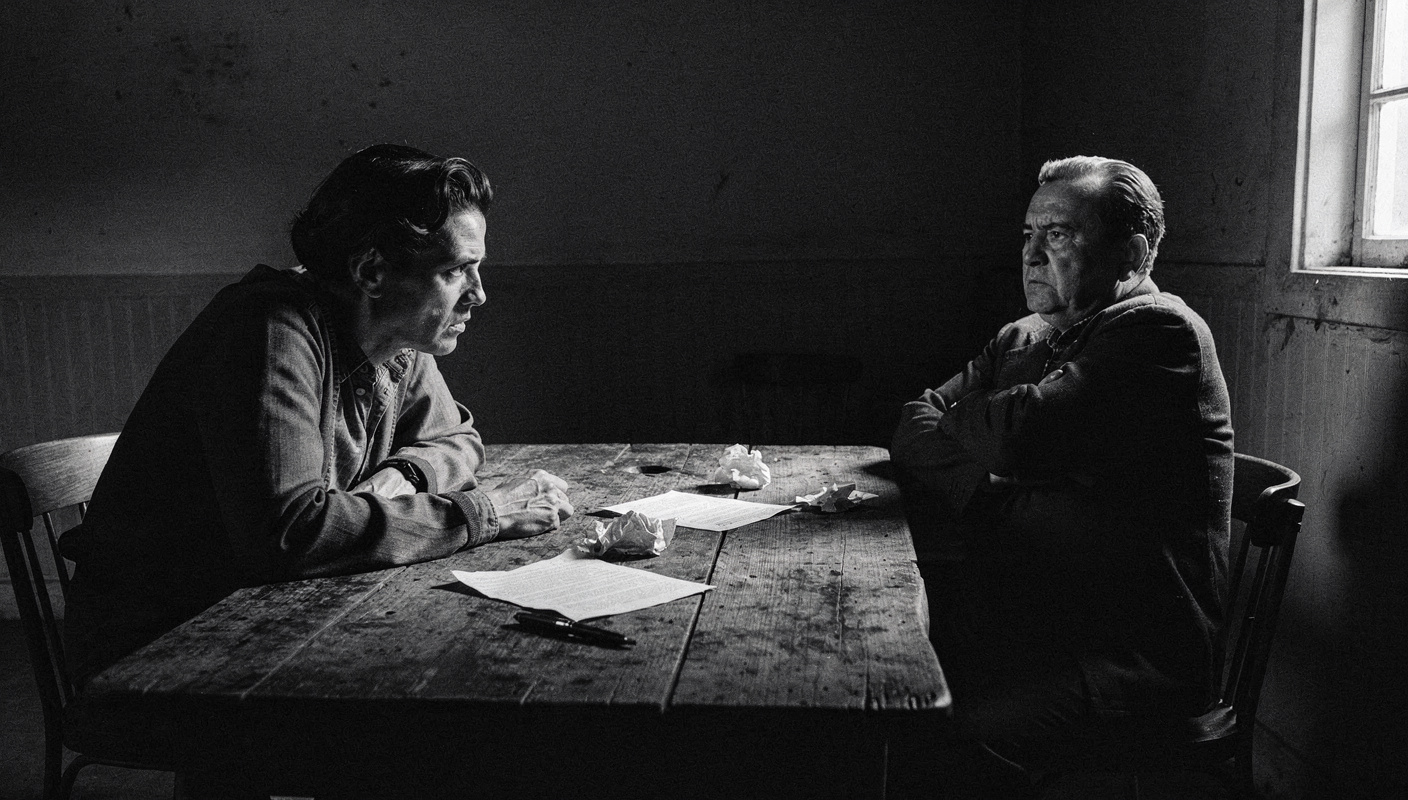
I watched a project team fall apart in the spring of a particularly difficult year. Not because the conflict between two senior managers was unresolvable, but because they could not agree on how to resolve it. One wanted a formal mediation with HR present. The other refused any process that involved a third party. So they argued about the argument, week after week, while the team around them splintered. To negotiate conflict resolution successfully, you have to recognise when the process itself has become the problem. That is where this begins.
Most people assume that if two people are willing to talk, the hard work is over. It is not. The moment both sides want different methods, different settings, or different rules, you are in what I call a meta-conflict: a conflict about the conflict. And a meta-conflict will kill any resolution attempt before it starts unless you address it directly.
Why the Process Becomes Its Own Battleground
Here is the truth of it: when someone disputes the process, they are almost never being difficult for the sake of it. They are protecting themselves.
One person wants a structured mediation because they have been steamrolled in private conversations before. The other refuses a third party because they fear the conversation will be documented and used against them. Neither concern is unreasonable. But if you do not surface these fears, you will spend your energy fighting about logistics when the real issue is trust. Understanding this changes how you approach everything that follows. You can also explore how unmet needs drive team conflict to deepen your grasp of what is really happening beneath the surface.
The second reason processes collapse is that people confuse procedure with power. Whoever sets the terms of the conversation often controls the outcome, and both sides know this instinctively. Agreeing to someone else's process can feel like conceding before you have even started. That fear is worth naming out loud.
"The Conversation You're Avoiding Is the One You Need to Have."
"The Conversation You're Avoiding
Is the One You Need to Have."
Stop rehearsing conversations you'll never have. Say It Right Every Time gives you 115 word-for-word scripts and 16 proven frameworks to speak with confidence in every conversation that matters.
What Must Be True Before You Begin
You cannot negotiate a resolution process in the middle of an active argument. The emotional temperature has to drop first.
If you are mediating between two others, give each person time to speak privately before any joint process conversation. If you are one of the parties, commit to a pause before proposing anything. This is not weakness. It is the same discipline a carpenter applies before measuring: you still the material before you mark it.
One more precondition matters. Each party must acknowledge, even minimally, that resolution is possible. You do not need agreement that the conflict is solvable. You need agreement that the process of trying is worth attempting. That small commitment is your foundation. For high-tension situations, the C.O.R.E. Framework can help each party stay grounded before they enter the process conversation.
The Six-Step Method for Negotiating the Resolution Process
Step 1: Name the Meta-Conflict Without Blame
Say it plainly. "Before we get into the issue itself, I want to acknowledge that we seem to disagree about how this conversation should happen. Can we start there?"
This does two things. It separates the process dispute from the content dispute, and it signals that both are legitimate topics. Do not skip this step by diving into the substantive problem. You will drag the process argument into every subsequent exchange and confuse both conversations.
Step 2: Ask Each Party What They Need to Feel the Process Is Fair
Not what outcome they want. What conditions they need. There is a meaningful difference.
Try this: "What would need to be true about how we do this for you to feel it was a fair conversation?" Give each person time to answer without interruption. Write the responses down where both can see them. You are not solving anything yet. You are gathering the raw material for a process agreement. Many of these concerns link directly to unmet needs, and you can learn more about naming them precisely through the D.E.A.L. method for team conflicts, which I describe in detail at how to use the D.E.A.L. method to resolve conflicts that are fracturing team synergy.
Step 3: Find the Overlap and Name It Explicitly
Look at what both parties said they need. There will almost always be at least one shared requirement. Perhaps both want the conversation to be confidential. Perhaps both want equal time to speak without being cut off.
Start there. Say: "It looks like you both want this to stay between you. Can we agree on that as the first ground rule?" Do not move on until both parties confirm. Each explicit agreement, however small, is a brick in the foundation. The process begins to feel safe because they built part of it together.
Step 4: Negotiate the Points of Disagreement One at a Time
After you establish common ground, turn to the points where they diverge. One wants HR present. The other does not. Do not try to decide this for them, and do not let it become a new argument.
Instead, treat each point of disagreement as its own small negotiation. Ask: "What is the concern behind that requirement?" Then: "Is there another arrangement that would address that concern?" You are looking for interests beneath positions. The person who wants HR present may really want a record kept. The person who opposes it may accept a written summary they both sign. A solution exists, but you will not find it while both sides are defending positions. For conflicts that have already escalated, the approach to de-escalating arguments during meetings can help you manage the temperature while you work through this step.
Step 5: Draft a Simple Process Agreement
This does not need to be formal. A shared understanding, stated aloud and confirmed by both parties, is often enough. If the situation is serious, write it down in simple language.
It might say: "We agree to meet once a week for three weeks. Each person speaks for ten minutes without interruption. What is said stays between us unless we both agree otherwise." That is a process agreement. It is not a resolution. It is the container you will put the resolution in. Getting this in writing matters more than most people realise. Misremembering agreed terms is one of the most common ways a hard-won process collapses in its first week.
Step 6: Confirm Consent and Set the First Meeting
Do not assume agreement. Ask directly: "Are you both comfortable enough with this process to try it?" A reluctant yes is still a yes, and it is something to work with. A hesitant yes also tells you where the fragility is, so you can watch for it.
Set the first meeting before anyone leaves the room. The longer the gap between agreeing on a process and beginning it, the more time doubt has to take root. Momentum is part of the method here.
When One Party Refuses the Whole Process
Sometimes one side will not engage with any process discussion at all. They stonewall, disengage, or insist there is nothing to resolve.
This is where you need to separate willingness from readiness. Refusal to engage is almost always about safety, not indifference. Ask the question privately, away from the other party: "What is it about this conversation that feels unsafe or pointless to you?" Listen without countering. You are not there to argue them in. You are there to understand the block. Once you understand it, you can often address it without the other party present, lowering the risk enough for the reluctant person to try. If someone is avoiding a process entirely rather than just disagreeing about its terms, the guidance on handling conflict during meetings gives you additional tools for keeping the conversation moving even in resistant conditions.
Where People Go Wrong Attempting This
Three mistakes come up reliably, and I have made all of them myself at various points.
The mistake: Trying to resolve the content dispute and the process dispute simultaneously.
Why it happens: It feels inefficient to talk about "how we talk" when the real problem is sitting right there.
What to do instead: Enforce the separation firmly. Say: "I know we both want to get to the real issue. We will. But if we skip this step, we will keep tripping over it. Give me twenty minutes on the process first."
The mistake: Proposing a process without asking what the other person needs.
Why it happens: The mediator or the more organised party has a clear process in mind and leads with it.
What to do instead: Always ask before proposing. Even if your process is excellent, an imposed structure breeds resentment. Ask first, then offer your suggestion as one option among several.
The mistake: Declaring the process agreed when one party has only gone quiet.
Why it happens: Silence feels like consent, especially when the room is tense.
What to do instead: Ask explicitly. "Does this work for you?" Silence is not a yes. A nod is not a yes. A verbal confirmation is a yes. For feedback-related conflicts where this pattern is especially common, see the approach outlined in how to use the D.E.A.L. method to resolve disagreements about feedback at work.
Adapting This for Remote and Hybrid Teams
Remote settings strip out the natural cues that signal good faith. You cannot read the room. You cannot feel the shift when tension eases.
This means you must make everything explicit that an in-person conversation handles silently. Before any process conversation with a remote team, agree in writing: which platform you will use, whether cameras are on, who can attend, how long each segment runs, and whether a recording or transcript will be made. These details feel procedural, but they carry significant weight. A person who discovers mid-conversation that they are being recorded when they did not consent will not trust anything that follows. State every condition in advance and confirm each one separately. If you are managing an ongoing dispute between two colleagues in a remote setting, the D.E.A.L. method applied to uncooperative pairs is worth reading at how to use the D.E.A.L. method to defuse tension between two colleagues who refuse to cooperate.
Your Pre-Conversation Checklist
Use this before any attempt to negotiate the resolution process. It takes five minutes and saves considerably more than that.
- Have I separated the process question from the content question in my own thinking?
- Do I know what each party needs to feel the process is fair? Have I asked, not assumed?
- Have I identified at least one point of procedural common ground to start from?
- Have I addressed any immediate safety concerns privately before bringing parties together?
- Do I have a simple, written process agreement ready to be modified based on their input?
- Have I confirmed explicit verbal consent from both parties before proceeding?
- Is the first meeting scheduled before anyone has left the room?
If you cannot answer yes to all seven, you are not ready to start. Go back to whichever step is incomplete.
The Work That Makes the Real Work Possible
Here is what decades of watching conflicts unspool have taught me: the people who resolve hard disputes well are not necessarily better arguers. They are better process builders. They know that before you can disagree productively, you have to agree on how disagreement will work.
When you negotiate conflict resolution before you tackle the conflict itself, you are not delaying progress. You are making progress possible. The process agreement is not a detour. It is the road. Build it carefully, get genuine consent from every person who has to walk it, and you will find that the dispute at the end is usually more manageable than it looked from the outside.
Frequently Asked Questions (FAQ)
What does it mean to negotiate conflict resolution itself?
It means reaching agreement on how a conflict will be resolved before tackling the conflict itself. When both parties disagree on the process, the method of resolution becomes the first dispute to solve. Settling this creates the conditions for every other conversation to follow.
How do you negotiate conflict resolution when one side refuses to engage?
Start by naming the resistance without judging it. Ask what would need to be true for them to feel safe enough to talk. Focus on the process, not the problem. Often, refusal to engage is about distrust of the method, not indifference to the outcome.
Why do people disagree on the conflict resolution process?
Usually because they have different expectations about fairness, different levels of trust, or past experiences where a process failed them. One person may want a private conversation; the other may want a third party present. Both positions are often about safety, not stubbornness.
What is the first step when both sides cannot agree on how to resolve a conflict?
Separate the process question from the content question. Do not try to resolve the underlying dispute while you are still arguing about how to resolve it. Name the meta-conflict clearly and invite both sides to treat the process itself as the first item to negotiate together.
How do you build trust before a difficult conflict resolution conversation?
Agree on small things first. Ask each person to name one condition that would make them feel the conversation is fair. Find the overlap, honour it visibly, and start from there. Trust in a process grows when people see their requirements being taken seriously before the hard part begins.
Can you negotiate conflict resolution in remote or hybrid teams?
Yes, but you must be more deliberate about the conditions. Agree on the platform, who will be present, whether cameras are on, and how interruptions will be managed before the substantive conversation starts. Remote settings remove the natural cues that signal good faith, so you have to state them explicitly.