
In Short
Chronic conflict patterns between organizations do not stay at the institutional level. They travel into the room with every individual negotiator, shaping perception, poisoning goodwill, and making agreement harder before a single proposal is on the table.
- Past disputes create a lens that distorts how negotiators read the other side's moves.
- Defensive and adversarial behavior feels rational to the person doing it, which makes it nearly invisible.
- Naming the pattern directly is the first and most powerful move available to any negotiator caught inside it.
Chronic conflict patterns are recurring cycles of dispute and breakdown between two organizations, built from accumulated grievances, broken agreements, and repeated adversarial encounters. Over time, these cycles create a relational residue that contaminates future negotiations even when the specific issues are entirely new.
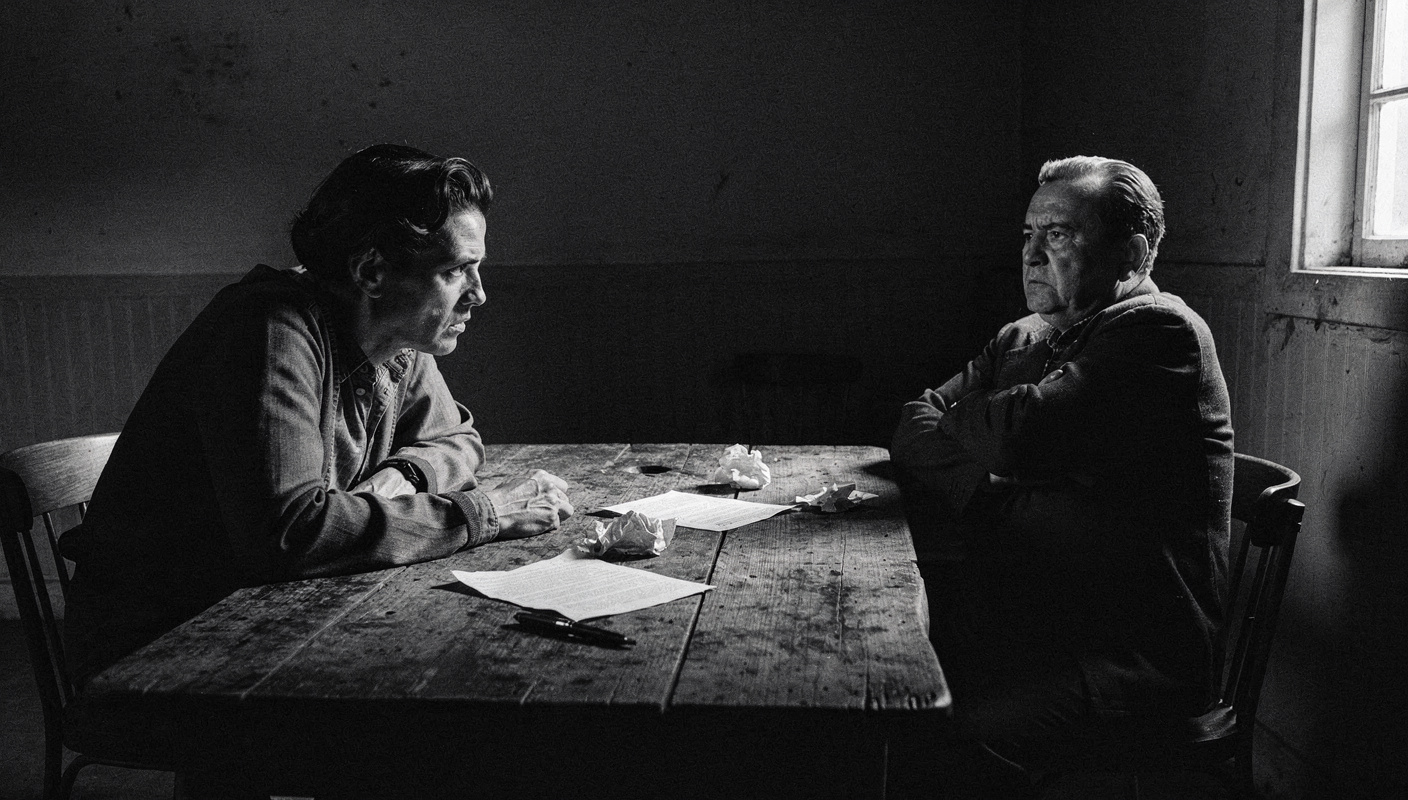
When two organizations have a long history of disagreement, something strange happens to the people they send to negotiate. Those people may be skilled, reasonable, and genuinely motivated to reach a deal. But they walk into the room carrying weight they cannot always see. Chronic conflict patterns between organizations operate below the surface of any single conversation. They shape what negotiators expect, what they hear, and what they are willing to believe. The result is that history does not stay in the past. It rewrites the present in real time, at the table, in ways that neither side fully recognizes.
I have watched this play out more times than I can count. Two capable people sit across from each other, and within twenty minutes they are behaving like adversaries with something to prove. The conflict is not in the room because of anything that happened that day. It is in the room because of everything that happened before.
What Most Negotiators Believe About Inter-Organizational Conflict
Most people treat organizational conflict the way they treat weather. Something to acknowledge, then move past. The common assumption is that skilled negotiators can set aside whatever happened between their organizations historically and focus on the specific issue in front of them. This is a reasonable idea. It is also almost never true.
The belief rests on a picture of negotiation as a clean, contained event. Two parties, one set of issues, a shared interest in resolution. But negotiation does not happen in a vacuum. It happens between people who carry institutional memory, who represent organizations with shared histories, and who have often been personally involved in previous disputes themselves. That context does not disappear because both sides have agreed to sit down today.
"The Conversation You're Avoiding Is the One You Need to Have."
"The Conversation You're Avoiding
Is the One You Need to Have."
Stop rehearsing conversations you'll never have. Say It Right Every Time gives you 115 word-for-word scripts and 16 proven frameworks to speak with confidence in every conversation that matters.
How Institutional History Rewrites the Negotiation Before It Starts
Here is the mechanism that most negotiators miss. When two organizations have a chronic conflict pattern, the people they send to negotiate arrive with a pre-loaded interpretation framework. They already know, before anyone opens their mouth, what the other side is likely to do. They have seen it before. They have been burned before.
That prior experience does not sit quietly in the background. It actively filters incoming information. When the other side asks a clarifying question, it reads as probing for weakness. When they request a recess, it signals they are stalling. When they make a concession, it triggers suspicion rather than goodwill, because experience says concessions from this organization tend to come with conditions attached. Every neutral move gets passed through a filter built from accumulated grievances, and it comes out the other side looking hostile.
This is not paranoia. This is pattern recognition working exactly as it was designed to work. The problem is that pattern recognition built on institutional history is often responding to an organization that existed three years ago, or to a negotiating team that has since been replaced. The person sitting across the table today may have nothing to do with the decisions that built the conflict. But they inherit its consequences.
The practical cost is immediate. When one side reads a neutral move as hostile, they respond defensively. That defensive response then reads as hostility to the other side, who respond in kind. Neither side is acting in bad faith. Both sides believe they are reacting to what the other is doing. What they are actually doing is re-enacting a conflict that predates them both. If you recognize this cycle, it connects directly to what chronic workplace tension looks like when it differs from isolated conflict episodes, because the same compounding dynamic operates between teams and between entire organizations.
What This Looks Like When It Plays Out at the Table
Consider a procurement negotiation between a supplier and a client organization that have been through three disputed contracts in five years. The current negotiator on the client side is new to the role. She has read the file. She knows what happened. She has also been briefed by colleagues who lived through it, and those briefings carry tone as much as fact.
She enters the room prepared for disappointment. When the supplier's representative presents favorable terms early in the discussion, she does not feel encouraged. She feels cautious. The offer seems too good. Her institutional memory, absorbed through every internal conversation she has had about this supplier, tells her to look for what they are hiding. She asks probing questions that the supplier's representative reads as distrust. He responds by becoming more guarded, less forthcoming. By the end of the first session, both sides are frustrated, and neither understands why the conversation went flat so quickly.
Nothing happened in that room to justify the outcome. The conflict was not between those two people. It was between the organizations they represented, and it was years old, and it showed up anyway.
I have seen this same pattern in labor negotiations, in inter-departmental disputes, in agency and client relationships. How unmet needs drive team conflict is a useful frame here too, because when organizations have chronic patterns, the unmet needs on both sides are often relational rather than transactional. They want acknowledgment of what went wrong before. They want to know the other side has actually changed. Those needs rarely appear on the agenda, but they govern the room.
Why Negotiators Do Not Catch Themselves Doing This
The bias that chronic conflict patterns create is almost impossible to detect from inside it, because it does not feel like bias. It feels like clear thinking.
When you have been burned before, your caution feels like hard-earned wisdom. When you keep your cards close, it feels like smart strategy. When you push back on a proposal that seems reasonable on its surface, it feels like due diligence. The behavior that comes from chronic conflict patterns is almost identical to the behavior that comes from legitimate strategic caution, which is exactly why it persists.
There is also an organizational reinforcement mechanism. When a negotiator returns from a difficult session and reports that the other side was difficult, their colleagues nod knowingly. The institutional narrative is confirmed. The pattern is strengthened. Nobody in that debrief is asking whether the difficulty was genuinely created by the other side today, or whether it was a re-run of a script written years ago.
The compound effect of small daily communication habits applies in reverse here. When small adversarial signals accumulate over months and years, they build a relational environment so loaded with tension that even a clean, well-intentioned negotiation triggers the old responses automatically.
What This Means for How You Prepare and How You Act
If you are walking into a negotiation with an organization that has a conflict history with yours, preparation needs to go further than the issues on the table. You need to do three things that most negotiators skip entirely.
Audit your own filter before you walk in. Ask yourself directly: what am I expecting this to feel like? What moves am I already watching for? What will I read as a bad sign? When you can name your pre-loaded expectations, you can hold them a little looser when the actual conversation starts. This connects to the kind of structured self-reflection described in how to handle conflict during meetings, where recognizing your own triggered state is the first requirement for responding well.
Separate the person from the institution. The individual across the table did not personally create the conflict history between your organizations. Treat their moves on their own merits, not through the lens of what their predecessors did. This takes discipline when the institutional history is painful. It is also the only way to let a new outcome be possible.
Name the history directly, early. This is the move most negotiators avoid, and it is the most powerful one available to you. Something as direct as: "We both know there have been some difficult conversations between our organizations before now. I want this one to go differently, and I am prepared to do my part to make that happen." That kind of opening does not pretend the past does not exist. It acknowledges it, and then creates an explicit invitation to try something new. For the structure behind this kind of direct address, the D.E.A.L. method for resolving conflicts that fracture team dynamics offers a practical framework that transfers well from team settings to inter-organizational ones.
When the other side is the one arriving loaded with institutional grievance, you need the same tool. How to use the D.E.A.L. method to defuse tension between two parties who refuse to cooperate gives you a step-by-step approach to de-escalating that kind of entrenched resistance. And when an organization's leadership continues to dismiss the damage these patterns cause, the V.A.L.U.E. method for advocating with a manager who dismisses the problem provides the language to make the case for repair at the senior level.
When History Is Not the Enemy
Here is something I have learned from watching these situations over a long time. Institutional history is not always the obstacle. Sometimes, naming the history honestly is the thing that finally creates trust. When one side acknowledges what went wrong before, without defensiveness and without assigning blame, it often triggers something in the other side that all the skilled positioning in the world cannot reach. People want to be seen. Organizations, through the people they send, want acknowledgment that the difficulties were real.
The negotiation that honestly says "we did not handle that well, and this time we want to do better" is in a stronger position than the one that pretends the history does not exist. Acknowledgment is not weakness. In a relationship loaded with chronic conflict patterns, it is the most direct path to ground firm enough to build on.
Frequently Asked Questions (FAQ)
What are chronic conflict patterns in negotiation?
Chronic conflict patterns are recurring cycles of dispute, grievance, and breakdown between two organizations that have a shared history of disagreement. They shape how negotiators enter every new conversation, often producing distrust and defensive behavior before a single word is exchanged.
How do chronic conflict patterns affect individual negotiations?
They create a bias in every negotiator involved. People read neutral moves as hostile, interpret reasonable requests as manipulation, and resist agreement because past experience tells them any deal will be broken or exploited. The current negotiation pays the price for every previous one.
Can you negotiate effectively when chronic conflict patterns exist?
Yes, but only if you name what is happening. When you acknowledge the institutional history directly rather than pretending it is not there, you remove its invisible power. From that foundation, you can rebuild enough trust to reach a genuine agreement on the current issue.
What is the difference between a single conflict and a chronic conflict pattern?
A single conflict is an isolated dispute that can be resolved on its own terms. A chronic conflict pattern is a repeated cycle where each dispute reinforces the last, building a relational residue that distorts future interactions even when the specific issues are different.
How do you break a chronic conflict pattern between organizations?
Start by separating the institutional history from the current negotiation. Name the pattern openly, invite the other side to agree that this conversation deserves its own fair hearing, and build small, verifiable agreements that begin to replace the record of broken trust with a new one.
Why do negotiators often fail to recognize when chronic conflict is influencing them?
Because the bias feels like clear thinking. When you have been burned before, your caution and suspicion feel like wisdom. You do not notice that you are reacting to history rather than to the person in front of you, which is why so many negotiations fail before they truly begin.