
In Short
When conflict collapses a negotiation, the instinct is to push through or back away. Both fail. Trust must be repaired before the substantive issues can be revisited. Without it, every word you say will be filtered through suspicion, and the conversation will collapse again.
- Acknowledge the breakdown before you touch the agenda.
- Take responsibility for your part, even if it was small.
- Rebuild safety first; the negotiation can only follow after that.
Rebuild trust negotiation refers to the deliberate process of repairing a damaged relationship after conflict has caused talks to break down. It involves acknowledging harm, restoring good faith, and creating the conditions for both parties to re-engage honestly with the substantive issues.
Why Conflict in Negotiation Is so Hard to Come Back From
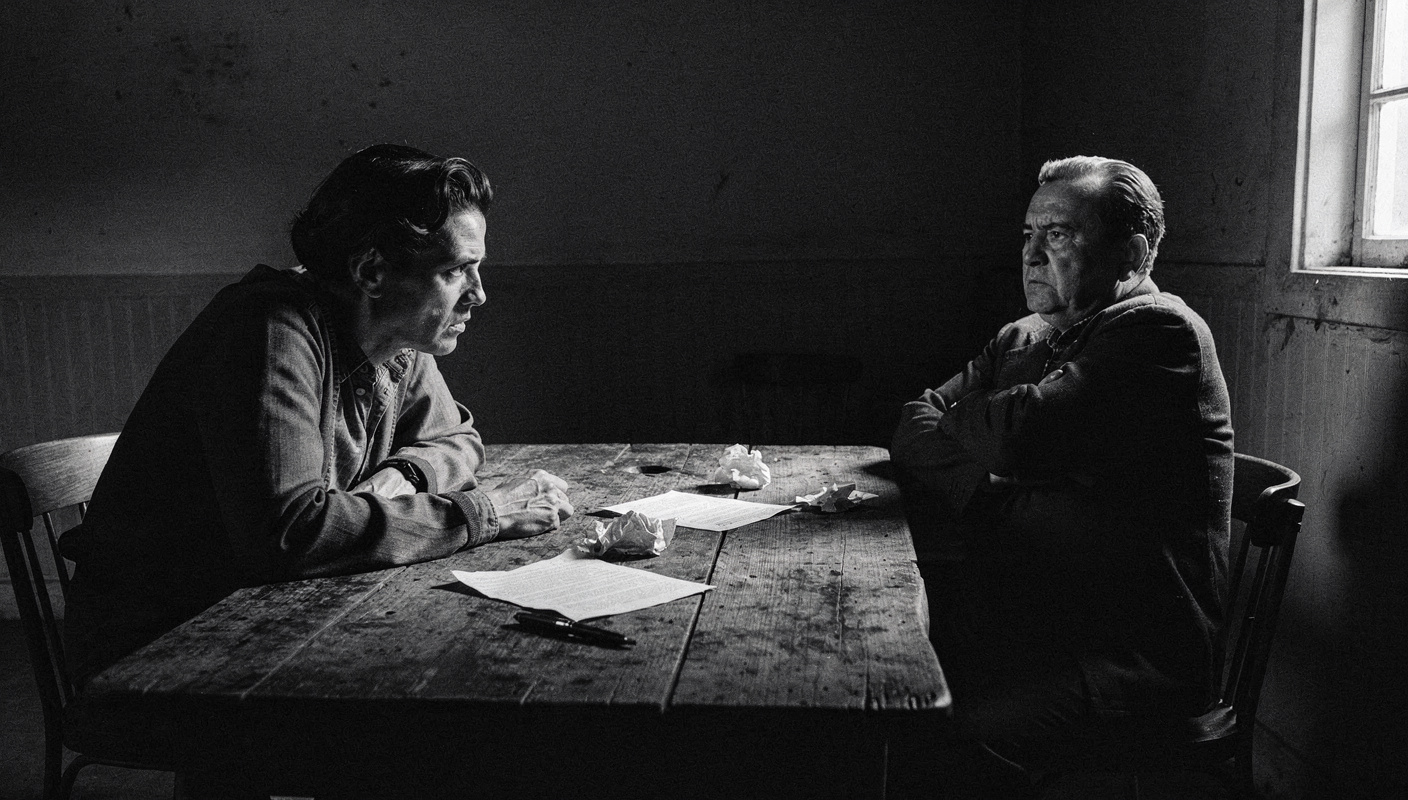
A colleague of mine spent three months negotiating a partnership agreement with another firm. The numbers were close. The relationship was warm. Then a single meeting went badly wrong. One side felt blindsided by a late change to the terms; the other felt accused of bad faith. Both parties left the room without a word. The deal was dead within a week, and so was the relationship.
That story is not unusual. What makes conflict in a negotiation so damaging is not just the disagreement itself; it is what the conflict does to the trust that holds the conversation together. When that trust breaks, every subsequent communication gets read through the lens of the damage. A reasonable request feels like a provocation. A concession feels like a trap. The other person is no longer a counterpart; they are an adversary.
This is the specific difficulty you face when you try to rebuild trust negotiation after a collapse. You are not just solving a problem. You are trying to repair a relationship while that relationship is still raw, still reading your every move with suspicion. Pushing too hard feels like a grab for power. Going too quiet feels like abandonment. There is no comfortable middle ground, and most people never find it without a real process to follow.
Here is what I have learned in six decades of watching negotiations recover and fail: the path back does not run through the agenda. It runs through the relationship. And that requires a different kind of courage than most people expect.
"The Conversation You're Avoiding Is the One You Need to Have."
"The Conversation You're Avoiding
Is the One You Need to Have."
Stop rehearsing conversations you'll never have. Say It Right Every Time gives you 115 word-for-word scripts and 16 proven frameworks to speak with confidence in every conversation that matters.
What Must Be True Before You Attempt to Restart
Before you take a single step toward restarting the conversation, two things must be in place. If either is missing, the process will not hold.
First, you must be genuinely willing to examine your own role in the breakdown. Not just willing to apologise if you have to, but willing to sit honestly with the question: what did I do, or fail to do, that contributed to this? A conflict in a negotiation almost never has one source. If you arrive at the repair conversation certain that the damage was entirely the other party's fault, you will not rebuild anything. You will simply deliver a sophisticated version of the same accusation that caused the breakdown.
Second, the other person must be reachable. That does not mean willing and eager; many people are not, especially shortly after a conflict. It means that some line of communication remains open, even if it is indirect. If the other party has completely disengaged, your first task is simply to establish contact, nothing more. If they have indicated they are not ready to talk, look at what unmet needs may be driving that withdrawal, and address those before you try to arrange a conversation.
The Six-Step Process for Rebuilding Trust After a Negotiation Breakdown
This sequence works. I have used it, taught it, and watched it pull negotiations back from what seemed like permanent collapse. Follow it in order. Skipping steps is where most repair attempts fail.
Request a separate conversation, away from the original agenda. Do not try to repair trust inside the negotiation meeting itself. The agenda will pull you back into positions too quickly, and the conflict will reignite. Instead, ask for time specifically dedicated to the relationship, not the deal. Your ask might sound like this: "I think we both know the last meeting went badly. Before we try to go back to the numbers, I would like to have a different kind of conversation. Would you be willing to meet for thirty minutes, just to talk about where things stand between us?" That framing is specific, low-pressure, and it communicates respect.
Acknowledge the breakdown clearly and without deflection. When you sit down together, name what happened. Not your interpretation of why it happened, just what happened. "That meeting was damaging. The conversation went somewhere neither of us wanted it to go, and I think we both left feeling worse than when we arrived." This kind of clear, plain acknowledgement does something that defensiveness and qualification never can: it tells the other person that you are living in the same reality they are. That, on its own, begins to dissolve suspicion.
Take responsibility for your part, specifically. This is where most people stumble. They offer a vague, general apology, and the other person can feel how little it costs. A real acknowledgement names your specific contribution to the damage. "I pushed too hard on the deadline without checking whether it was workable for your side. I can see now how that felt like pressure rather than problem-solving." You are not required to accept responsibility for everything. You are required to be honest about what you did or failed to do. That specificity is what makes the acknowledgement credible.
Ask what the other person needs to feel safe returning to the table. This step surprises people, but it is essential. Once you have acknowledged and taken responsibility, the conversation shifts. You are no longer performing contrition; you are beginning to solve the actual problem. The question "What would you need to feel comfortable continuing this conversation?" does two things. It gives the other person real agency in the repair process, and it gives you specific, actionable information about what trust-building requires here. Listen to the answer without interrupting or explaining. Write it down if you can.
Make one concrete gesture of good faith before the next meeting. Do not wait for the next negotiation session to demonstrate that things have changed. Do something small and specific that shows the other person their answer was heard. If they said they needed more transparency around the terms, send a clear, plain-language summary of your current position before you meet again. If they said they felt rushed, suggest a timeline that gives them adequate preparation time. The gesture does not need to be large. It needs to be real, and it needs to reflect what they actually told you. This is how you earn the right to use structured frameworks to resolve the remaining conflict when you return to the table.
Return to the agenda slowly, starting with areas of genuine agreement. When you do re-enter the negotiation, resist the pull to jump straight to the sticking points. Start with what you agree on. Name it explicitly: "I think we both want this to result in something workable for both sides. Let us start from there." Building on common ground first rebuilds momentum and reminds both parties that the relationship is stronger than the conflict was. Only after you have re-established that shared foundation should you approach the issues that caused the breakdown. Knowing how to use the D.E.A.L. method to resolve conflicts that are fracturing collaboration can give you a clear structure for this re-entry.
When the Breakdown Happened in a Remote or Hybrid Setting
Rebuilding trust after a negotiation conflict is already hard in person. When the conflict happened across screens, or when one or both parties are remote, it becomes significantly harder.
The core problem is that conflict over video or email strips away almost everything that repair depends on: tone, body language, the physical presence that communicates sincerity. A written apology, however carefully worded, will always be read in the other person's worst-case voice when the relationship is already damaged. An email that took you an hour to craft can be read in twenty seconds with the maximum negative interpretation applied.
The repair for this is simple but often resisted: move to the highest-bandwidth channel available, as soon as possible. If the conflict happened over email, repair it on a call. If it happened on a call, repair it over video. If video is possible, use it. This is not about convenience; it is about giving the other person the full range of communication signals they need to read your sincerity. You cannot rebuild trust through the same channel that carried the damage.
Beyond channel choice, be more explicit than you would be in person. Remote settings strip context, so name what you are doing. "I want to be clear that I am not trying to re-litigate what happened. I am genuinely trying to understand what you need." That kind of transparency feels unnecessary in person, but over a screen, it is the difference between a repair that lands and one that gets misread as another manoeuvre. You can also apply the B.R.I.D.G.E. method for rebuilding working relationships after genuine breakdown to structure the remote repair conversation.
What Goes Wrong When People Try to Repair a Broken Negotiation
Most repair attempts fail not because the person did not care, but because they reached for the wrong tool. Here are the most common errors I have seen, and what to do instead.
The mistake: Jumping straight back to the agenda as if the conflict did not happen.
Why it happens: People assume that getting back to business signals confidence and forward momentum.
What to do instead: Always address the relationship before the agenda. Even a brief, direct acknowledgement at the start of the meeting changes the atmosphere entirely. Skipping it tells the other person that the deal matters more to you than they do.
The mistake: Offering a vague, all-purpose apology: "I am sorry if anything was said that upset you."
Why it happens: People want to apologise without admitting too much, in case it weakens their negotiating position.
What to do instead: Be specific. Name exactly what you did or failed to do. A specific apology costs more but builds far more trust. A vague one often makes things worse because it signals you are still protecting yourself.
The mistake: Trying to explain your side of the conflict during the repair conversation.
Why it happens: The urge to be understood is natural, especially when you feel you have been misread.
What to do instead: Hold your explanation until the other person feels fully heard. If you start explaining before they feel acknowledged, every explanation sounds like a justification. Save it for later in the conversation, and even then, frame it as context rather than defence. Staying calm when a conversation triggers a defensive reaction is a skill worth developing before you enter this conversation.
The mistake: Making the repair too fast and returning to negotiation in the same session.
Why it happens: Both parties may feel that progress has been made and want to capitalise on the good feeling.
What to do instead: Let the repair session be its own thing. End it with a clear agreement to meet again on the substantive issues at a later time. Rushing from repair into negotiation collapses the boundary between the two and risks reopening the wound before it has had time to settle. This applies equally when resolving disagreements that arise around sensitive topics like feedback.
Your Pre-Conversation Checklist for Rebuilding Trust After a Negotiation Conflict
Before you request the repair conversation, run through this. Every item should be a genuine yes.
- I can name at least one specific thing I did, or failed to do, that contributed to the breakdown.
- I am prepared to acknowledge the breakdown plainly, without immediately explaining or defending my position.
- I know what I genuinely want this repair to achieve: a restored relationship, a path back to the table, or both.
- I am ready to ask what the other person needs, and to listen to the answer without interruption.
- I have thought of at least one concrete gesture of good faith I can make before our next substantive meeting.
- I have chosen a private, neutral setting for this conversation, away from the original negotiation context.
- I am prepared for the possibility that the other person is not ready to repair yet, and I have a plan for that outcome.
If any of these is a no, address it before you reach out. A repair attempt that is not genuinely ready tends to make things worse. Unresolved tension that is not directly addressed only deepens, and a failed repair attempt can close the door that you are trying to reopen.
The Ground Must Be Solid Before You Build
Here is the truth of it: a negotiation is only ever as strong as the relationship it rests on. When conflict breaks that foundation, no amount of clever positioning or well-crafted terms will hold. The deal will collapse again, and again, until the ground beneath it is repaired.
The process above is not complicated. But it asks something real from you: the willingness to go first, to acknowledge damage before you know whether the other person will meet you halfway, to act in good faith when good faith has not yet been returned. That takes courage. It also takes the understanding that your ability to rebuild trust negotiation is not a soft skill; it is the core skill. Every agreement you have ever reached depended on it, and every future one will too.
Go slowly. Be specific. Do what you say you will do. The trust will follow.
Frequently Asked Questions (FAQ)
What does it mean to rebuild trust after a negotiation conflict?
Rebuilding trust after a negotiation conflict means deliberately repairing the relationship that the breakdown damaged. It requires acknowledging what went wrong, taking responsibility for your part, and creating the conditions for both sides to re-engage in good faith. It is a process, not a single gesture.
How do you rebuild trust negotiation after a serious falling-out?
Start by creating a private, neutral space for an honest conversation. Acknowledge the breakdown without blame, name your own role in it, and ask what the other person needs to feel safe returning to the table. Trust is rebuilt through consistent, small actions over time, not through a single apology.
How long does it take to restore trust after a conflict breaks a negotiation?
There is no fixed timeline. Minor breakdowns may resolve in a single conversation. Serious conflicts, especially those involving public confrontation or broken commitments, can take weeks of consistent behaviour to repair. The speed depends on the depth of the damage and how seriously both sides engage in the repair process.
What should you never do after a negotiation breaks down due to conflict?
Never go silent, assign blame publicly, or try to force a restart before trust is addressed. Pushing straight back to the agenda without acknowledging the damage tells the other person that the relationship is less important than the deal. That message is very hard to undo once it is sent.
Can a negotiation recover after trust is completely broken?
Yes, but only if both sides are willing to engage in a genuine repair process before returning to the substantive issues. The negotiation itself cannot restart until the relationship is stable enough to hold it. Trying to negotiate across a broken relationship is like building on cracked ground.
What is the first step to rebuild trust negotiation after conflict?
The first step is to stop negotiating and focus entirely on the relationship. That means requesting a separate conversation, away from the agenda, where you acknowledge the breakdown and express a genuine commitment to repair. Until the other person feels heard, no progress on the issues is possible.