
In Short
Positional conflict and interest-based conflict are not just two names for the same thing. They are fundamentally different in cause, structure, and what it takes to resolve them.
- Positional conflict locks people onto fixed demands; moving feels like surrender.
- Interest-based conflict involves competing needs that can often be reconciled with the right conversation.
- Knowing which type you are in changes what you should do next.
Positional conflict in negotiation occurs when each party commits to a fixed demand and treats any movement away from that demand as defeat. It focuses on stated positions rather than the underlying needs driving them, which frequently creates deadlock even when a workable solution exists.
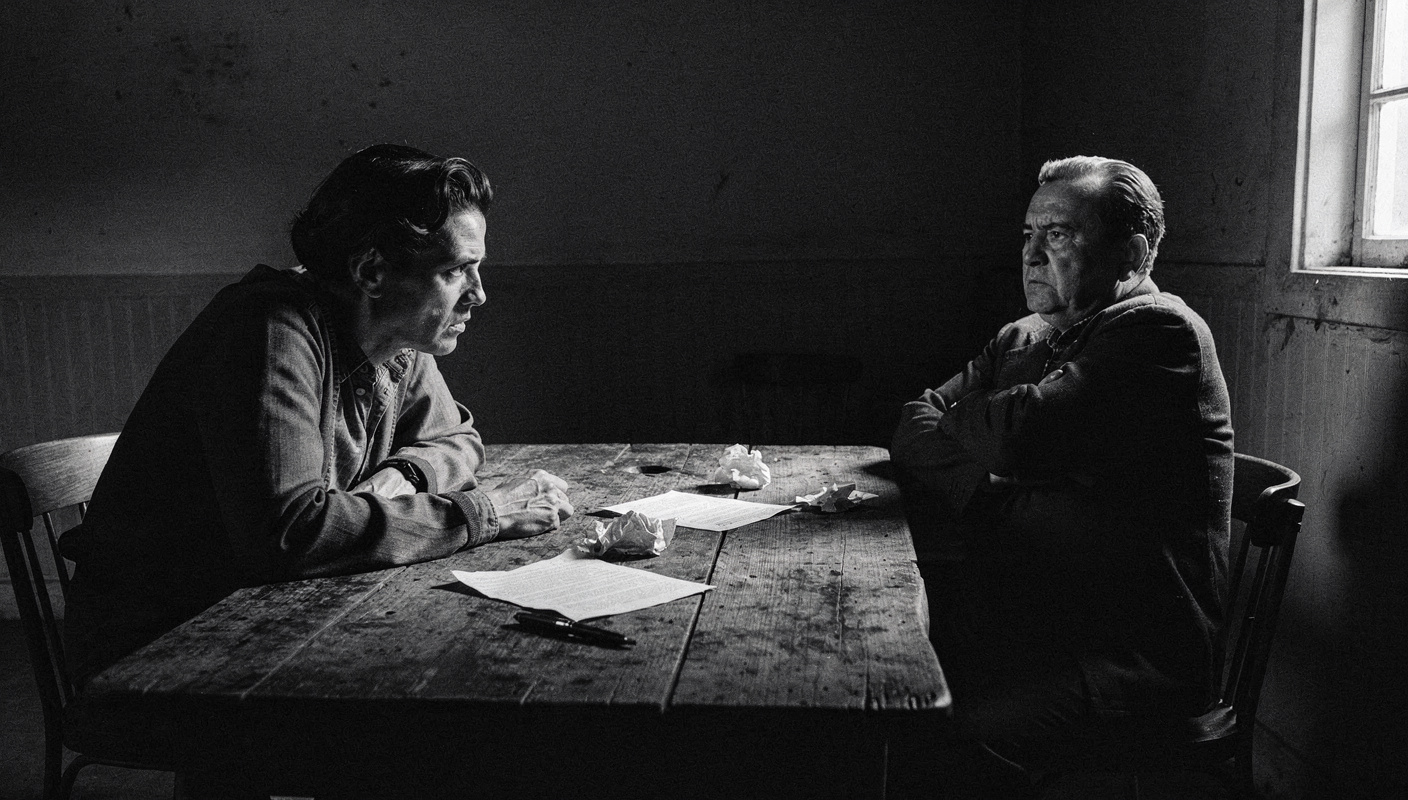
Two colleagues are negotiating over a shared budget. One says she needs sixty thousand. The other says he cannot go above forty. They go back and forth for an hour, each repeating the same number with slightly different words. Nothing moves. The meeting ends with both of them frustrated and neither of them asking the one question that would have changed everything: why?
That is positional conflict in negotiation. It is one of the most common reasons deals collapse, teams fracture, and working relationships quietly erode. Understanding what it actually is, and how it differs from the other kind of conflict you will face in a negotiation, is the first step toward doing something useful about it.
What Positional Conflict in Negotiation Actually Looks Like
The word "positional" tells you everything. A position is a fixed point: a specific number, a particular outcome, a firm demand. In positional conflict, each party has staked out their position before the negotiation truly begins, and the entire discussion becomes a contest to see whose position survives.
The sixty-thousand-versus-forty-thousand argument above is a clean example. So is the team leader who insists the deadline cannot move, and the project manager who insists it must. Neither is asking what the other person actually needs. Both are defending where they stand.
Here is what makes this type of conflict so sticky: the longer someone holds a position publicly, the harder it becomes to move. Backing down starts to feel like losing face. This is not weakness; it is human nature. But it is also how negotiations die.
If you want to understand how this kind of conflict escalates inside a meeting, how to handle conflict during meetings walks through what to do when the temperature rises before anyone has found the real issue.
"The Conversation You're Avoiding Is the One You Need to Have."
"The Conversation You're Avoiding
Is the One You Need to Have."
Stop rehearsing conversations you'll never have. Say It Right Every Time gives you 115 word-for-word scripts and 16 proven frameworks to speak with confidence in every conversation that matters.
Interest-Based Conflict: A Different Animal Entirely
Interest-based conflict looks similar on the surface. Two people are still in disagreement. There is still friction and tension. But the disagreement is rooted in competing needs, concerns, or priorities rather than fixed demands.
The distinction matters enormously. Interests are flexible in a way that positions are not. They can overlap, bend, and be combined in creative ways. Positions either win or they lose. There is no third option.
Return to the budget dispute. If both colleagues stopped arguing over the numbers and instead asked each other what the money was actually for, a different conversation would begin. She might need sixty thousand because she is carrying the cost of two delayed projects from last quarter. He might be holding at forty because he has a procurement review in six weeks and needs to show fiscal restraint. Those are interests, and they are not necessarily incompatible. A phased allocation, a joint request to leadership, or a reframed cost structure might satisfy both without either person surrendering their position, because in interest-based conflict, there often is no fixed position to surrender.
This is the core insight of principled negotiation, and it is one of the most practically useful ideas in the field. When people argue over interests rather than entrench around positions, the conversation becomes collaborative instead of combative. How unmet needs drive team conflict and what to say to restore synergy explores how this plays out specifically in team settings, where the stakes feel personal as well as professional.
The Three Beliefs That Keep People Stuck in Their Positions
Over many years of watching negotiations break down, I have seen the same false beliefs surface again and again. Each one drives people deeper into positional conflict instead of out of it.
The mistake: Moving from your position means you were wrong.
Why it happens: People confuse their position with their identity. Changing a demand feels like admitting a flaw. The truth: Adjusting your position in response to new information is not weakness; it is the entire point of a negotiation. Rigidity is not strength. It is just rigidity.
The mistake: The other person's position is the real problem.
Why it happens: In positional conflict, the opposing demand feels like an obstacle. It is easier to push against it than to look past it. The truth: The stated position is rarely the real problem. The real problem is what neither party has said yet: the need, the fear, or the constraint hiding behind the demand.
The mistake: Compromise means splitting the difference.
Why it happens: When two people are locked on opposing numbers, meeting in the middle feels like the only fair outcome. The truth: Splitting the difference is the lazy version of resolution. It usually leaves both parties equally dissatisfied and ignores whether the middle ground actually serves anyone's real interest.
If positional conflict has created a genuine breakdown in a working relationship, how the B.R.I.D.G.E. method rebuilds working relationships after tension has created a genuine breakdown offers a structured way back from that damage.
Three Moments Where You Can See the Difference Clearly
The contract renewal. A supplier holds firm at a price the client says she cannot accept. Both have been stating their numbers for weeks. This is textbook positional conflict. But when the client finally explains that her constraint is a quarterly cap set by finance, not a judgement of the supplier's value, the supplier offers to restructure the invoicing schedule. The numbers barely change. The agreement gets signed. The positions were always secondary to the interests behind them.
The team deadline dispute. Two department heads are locked in a standoff over a project launch date. One will not move it forward; the other will not let it slip. This looks positional, and it is. But the moment a third person asks each of them separately what a bad outcome would cost them, both reveal concerns about resource strain and client trust, not the date itself. The conflict shifts from positional to interest-based, and suddenly there are options. How to use the D.E.A.L. method to resolve conflicts that are fracturing team synergy gives you a practical method for moments exactly like this one.
The performance review. A manager insists a rating stays at "meets expectations." The employee insists it should be "exceeds." Both are anchored. But if the manager explains that the rating reflects one missed deliverable, and the employee explains the circumstances behind that miss, the conversation changes. It is no longer about defending a number; it is about what the evidence actually shows. That is interest-based conflict, and it can be resolved. How to de-escalate arguments during meetings gives you practical tools for managing moments like this before they harden into a standoff.
When Conflict During Negotiations Gets Physical in the Room
I mean physical in the simplest sense: you can see it in the room. Positional conflict has a particular texture. Voices get quieter and more careful, not louder. People repeat themselves with extra precision, as if saying the same thing more clearly will somehow produce a different result. Eye contact becomes a contest. Silence feels like pressure.
Interest-based conflict, even when tense, tends to sound different. There are more questions. People pause to think rather than to hold their ground. Someone says "I had not thought of it that way" and means it. The conversation moves.
Learning to read which kind of conflict you are in is a real skill, and it is one you develop through practice rather than theory. The C.O.R.E. framework is a practical system for staying grounded in exactly these moments; how to use the C.O.R.E. framework to stay grounded during a tense workplace conversation walks through how to apply it under pressure. When two people have genuinely refused to cooperate, how to use the D.E.A.L. method to defuse tension between two colleagues who refuse to cooperate gives you a clear method for getting things moving again.
What to Do the Moment You Recognise Positional Conflict
Here is the truth of it: you cannot solve positional conflict by arguing harder for your position. That is the same fire with more fuel. The only move that actually works is to change the question being asked.
Instead of "what do you want," ask "what would that give you?" Instead of "this is my number," say "here is what I need this to do for me." One sentence can shift a negotiation from a standoff into a genuine conversation.
This is not naïve. It is not soft. It is the most direct and courageous move available when two people are locked in place. You are not giving up your position; you are choosing to compete on a better level, the level of interests, where creative solutions actually live.
The difference between positional conflict and interest-based conflict in negotiation is not just academic. It is the difference between a conversation that goes nowhere and one that has a chance of landing somewhere both people can respect.
Frequently Asked Questions (FAQ)
What is positional conflict in negotiation?
Positional conflict in negotiation occurs when each party locks onto a fixed demand and refuses to move. The focus is on winning the stated position rather than solving the underlying problem. This creates deadlock because neither side explores what they actually need.
How does positional conflict differ from interest-based conflict?
Positional conflict is about defending a fixed demand. Interest-based conflict is about competing needs that can often be reconciled. In positional conflict, movement feels like losing. In interest-based conflict, movement toward a shared solution feels like progress for everyone involved.
Why do people get stuck in positional conflict during negotiations?
People get stuck in positional conflict because they confuse their demand with their goal. Once a position is stated publicly, backing away from it feels like defeat. Pride, fear, and the desire to appear strong all push people deeper into their positions rather than toward a real solution.
Can positional conflict ever be resolved without someone losing?
Yes, but only by shifting the conversation from positions to interests. When both sides explain what they actually need and why, it often becomes clear that their real interests are compatible, even when their stated positions are not. That shift is where resolution becomes possible.
What is interest-based conflict in negotiation?
Interest-based conflict in negotiation arises when people have competing needs, priorities, or concerns rather than simply opposing demands. Because interests are more flexible than positions, there is usually room to find an arrangement that satisfies both sides at least partially.
How do you move from positional conflict to interest-based negotiation?
Ask why, not just what. When someone states a position, ask what they need it to accomplish. When you state your own, explain the reason behind it. This shifts the conversation from defending fixed demands to solving a shared problem, which opens space for genuine agreement.