
In Short
Conflict in a negotiation almost never erupts without warning. The signals arrive early, quietly, and most people miss them entirely.
- Positional hardening, verbal hostility, and physical withdrawal are measurable signs you can learn to read.
- Catching these signals early gives you the chance to de-escalate before trust breaks down.
- Ignoring them is the single most expensive mistake a negotiator can make.
Conflict in a negotiation is the point at which tension between two or more parties shifts from productive disagreement into resistance, distrust, or hostility that threatens the progress or outcome of the negotiation itself.
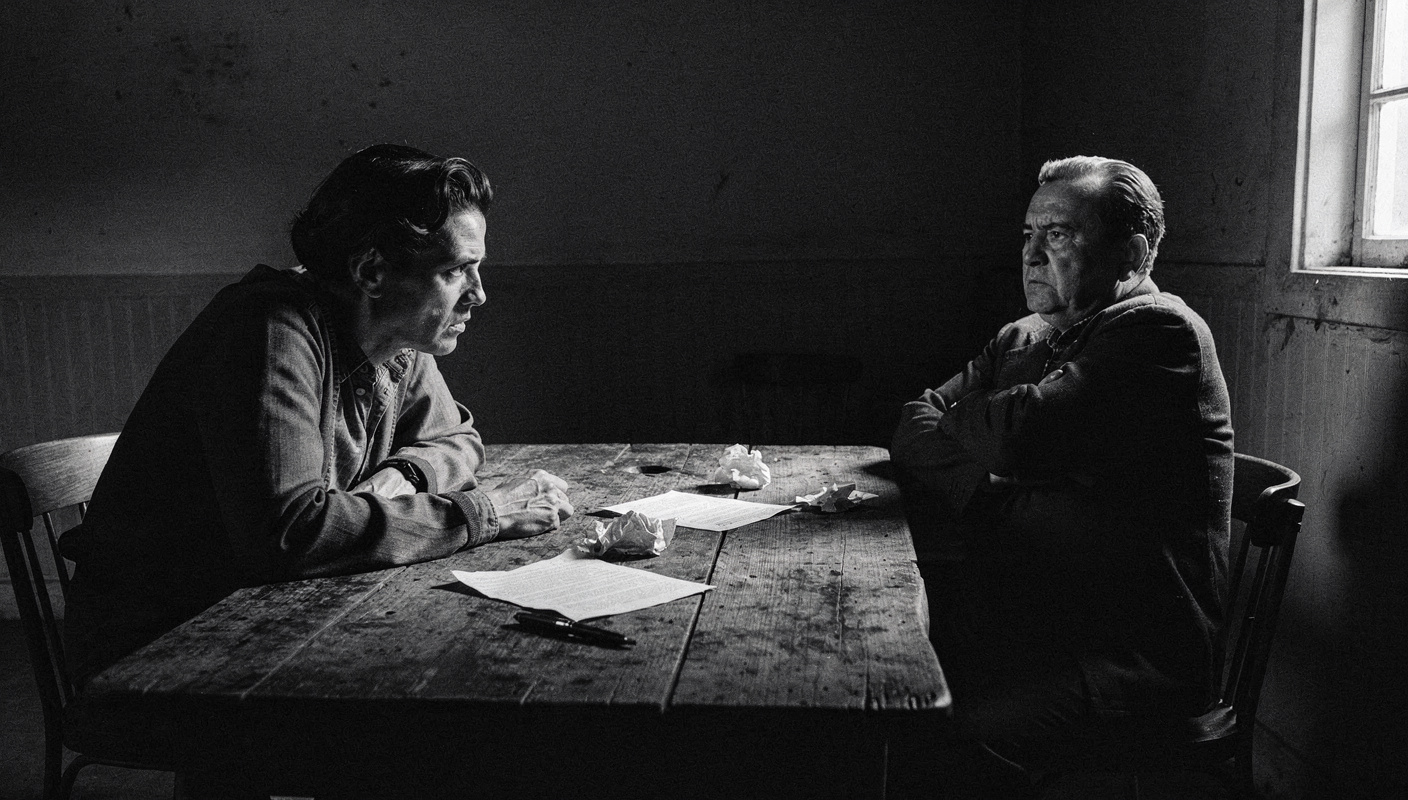
I watched a colleague lose a three-year client relationship in under twenty minutes. Not because the terms were wrong. Not because the other side came to the table in bad faith. He missed the signals. The other party's answers grew shorter. Their legal counsel started speaking for them. The lead negotiator stopped making eye contact. My colleague kept pushing on price, convinced he was close to a yes, while the other side was already mentally packing up and leaving. By the time he noticed something was wrong, it was too late to repair. The deal died, and so did the relationship.
Spotting the early warning signs of conflict in a negotiation is one of the most underrated skills in the room. People train for hours on opening positions, anchoring, and concession strategy. Very few train themselves to read what is happening beneath the surface of the conversation, in the body language, the word choices, the silences. This article gives you a practical, numbered process for doing exactly that, before the table breaks down.
What You Need to Accept Before You Can Read the Room
There is one truth you need to hold onto before any of the steps below will work. Conflict does not arrive like a storm. It builds like one. Pressure accumulates over time, often across multiple conversations, and the eruption you witness at the table is rarely where the problem started.
This means your job begins before you sit down. You need to know what matters most to the other side, not just what they are asking for. Positions are what people say they want. Interests are why they want it. Most negotiation conflict is born when interests go unacknowledged. If you walk into the room focused only on your own position, you will miss every signal the other side sends that their core concerns are not being heard.
How Unmet Needs Drive Team Conflict and What to Say to Restore Synergy applies directly here. The same unmet-needs dynamic that fractures teams operates at every negotiating table.
Prepare yourself to be a reader of people, not just a manager of terms.
"The Conversation You're Avoiding Is the One You Need to Have."
"The Conversation You're Avoiding
Is the One You Need to Have."
Stop rehearsing conversations you'll never have. Say It Right Every Time gives you 115 word-for-word scripts and 16 proven frameworks to speak with confidence in every conversation that matters.
Six Steps for Catching the Signals Before They Become a Crisis
Step 1: Set Your Baseline in the First Ten Minutes
You cannot recognise deviation unless you know the norm. Spend the opening ten minutes of any negotiation observing the other party's natural behaviour. How much do they talk? What is their pace? Do they lean in or sit back? Do they respond with questions or with statements? How long are their answers?
This is not small talk. This is intelligence. You are building a reference point so that when something changes later, you notice it quickly and clearly. I make a habit of asking a low-stakes open question early, one that I already know the answer to, just to hear how they respond when they are relaxed. That gives me a clean baseline to measure against.
Step 2: Listen for the Language of Hardening Positions
The first verbal signal of building conflict in a negotiation is an increase in absolute language. Words like "never," "always," "non-negotiable," "that is simply not possible," and "we will not consider" are flags. One instance might be a firm opening position. Two or three in quick succession, especially in response to a reasonable proposal, tell you the other side is moving from negotiating to defending.
Watch also for a shift from "we" language to "I" or "they" language. When a team that has been speaking collectively suddenly fragments, it usually means internal alignment is breaking down, and that kind of pressure tends to spill outward fast.
A concrete example: if your counterpart says "We are looking for something in this range," and twenty minutes later they say "I told you from the beginning that was not something we were prepared to do," the shift in pronoun is telling you something important.
Step 3: Read the Body Before It Speaks
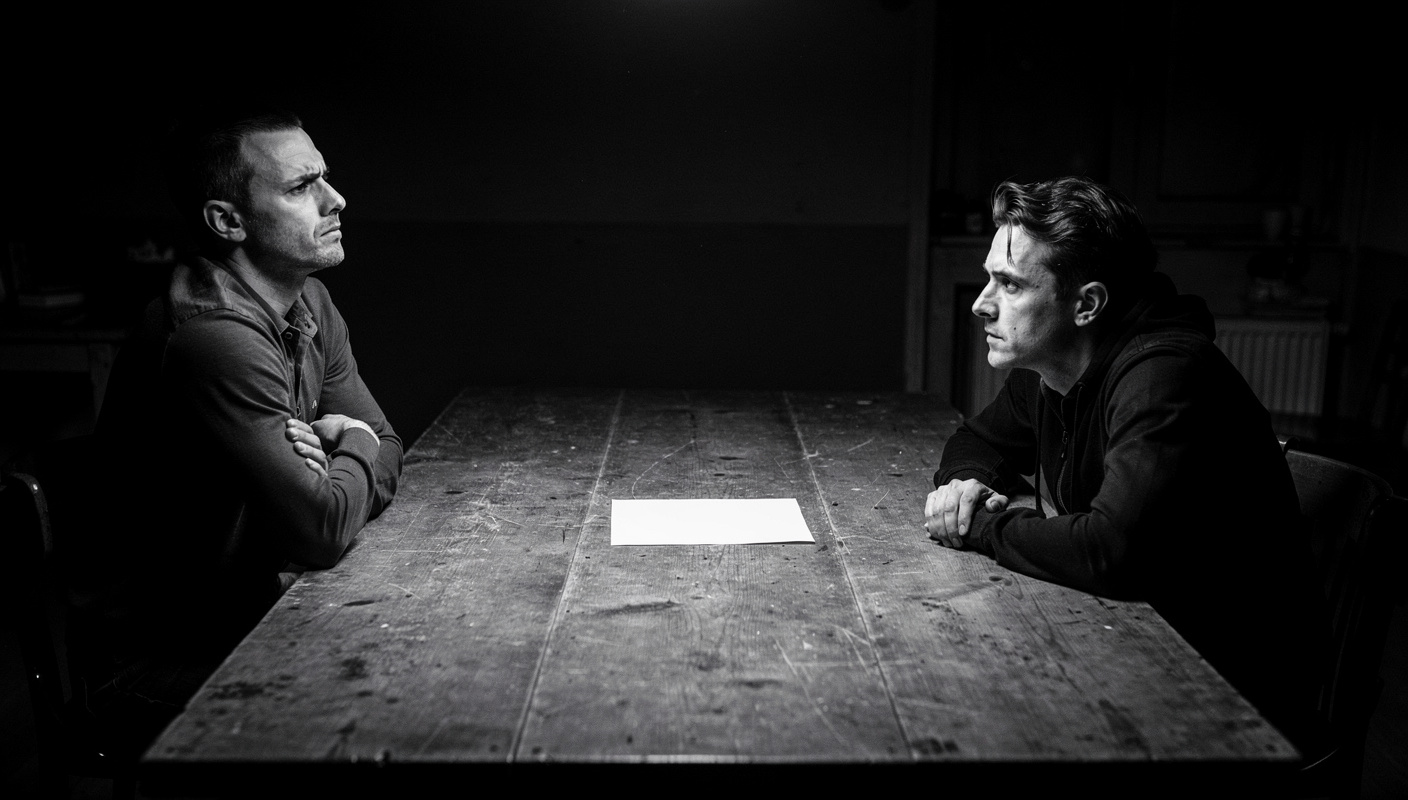
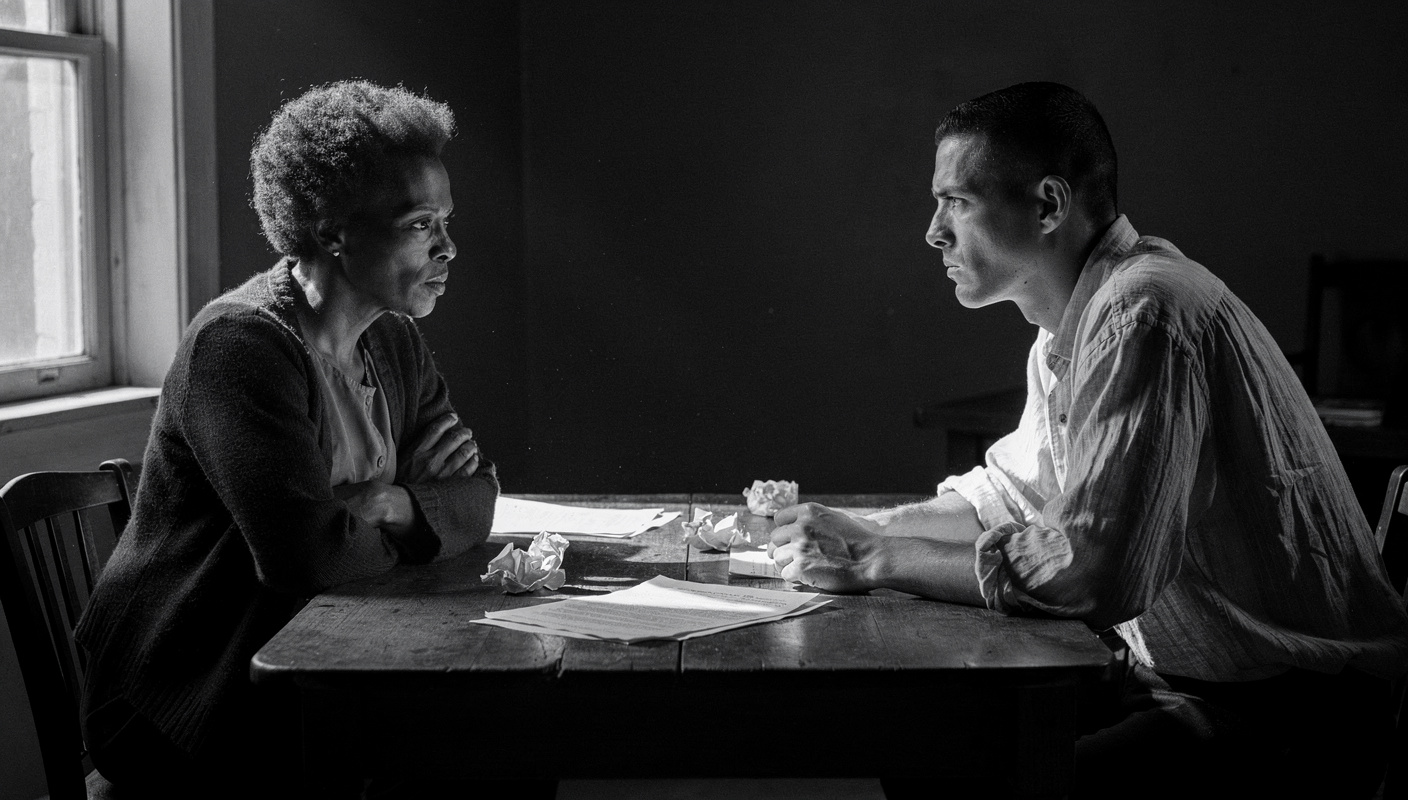
Physical withdrawal is one of the most reliable early indicators of conflict in a negotiation. Watch for the person who was leaning forward to gradually lean back. Watch for arms crossing, for chairs being pushed back slightly, for the body angling away from the table. Watch for eye contact disappearing, not suddenly, but gradually. These are not conclusions. They are signals worth noting and tracking.
A single shift in posture means very little. A pattern of shifts over fifteen or twenty minutes means the other side is becoming less engaged and more guarded. That distinction matters. React to patterns, not moments.
How to Handle Conflict During Meetings covers the same dynamic in a group setting and is worth reading alongside this process.
Step 4: Pay Attention to What Stops Being Said
Silence and omission are underestimated signals. When someone who has been actively contributing suddenly stops asking questions, that is a change worth noting. When a topic that both sides agreed to discuss is quietly avoided, that avoidance is communicating something. When a party stops offering alternatives and simply restates their position, the creative problem-solving part of the conversation has ended on their side.
Ask yourself during any negotiation: what was this person talking about twenty minutes ago that they are not talking about now? The answer will often point you directly at the source of the tension.
This is also where you watch for implicit threats, comments that are technically neutral but carry an edge. "We do have other options available to us" spoken in response to a request for flexibility is not a neutral statement. It is a warning. Hear it as one.
Step 5: Name the Tension Without Assigning Blame
Once you have spotted a pattern of signals, the worst thing you can do is ignore them and press on. That is exactly what my colleague did. The right move is to name what you are observing, carefully, and without accusation.
This requires courage. Most people avoid naming tension because they fear making it worse. In my experience, naming it calmly almost always reduces it. The silence around an unspoken problem is usually more damaging than addressing it directly.
Try something close to this: "I want to pause for a moment because I sense we may have hit a pressure point. I want to make sure we are still working toward the same outcome together. Is there something I have said or proposed that has not landed the way I intended?"
That is not weakness. That is control. You are demonstrating that you are paying attention, that you respect the other side enough to check in, and that your goal is an agreement, not a victory. For a framework to help you stay grounded in moments exactly like this, How to Use the C.O.R.E. Framework to Stay Grounded During a Tense Workplace Conversation is a direct and practical resource.
Step 6: Redirect Toward Interests, Not Positions
After naming the tension, your next move is to redirect the conversation away from competing positions and back toward shared interests. This is where the conflict either de-escalates or sets in more deeply.
Do not make a concession at this point. A premature concession under visible pressure signals that pressure works, and that will create more conflict, not less. Instead, ask a question that opens up the underlying need. "Help me understand what is most important to you about this particular term" is far more useful than dropping your number.
How to De-escalate Arguments During Meetings gives you additional language for exactly this kind of redirect, drawn from a meeting context but directly applicable at any negotiating table.
When the Negotiation Happens Remotely
Reading conflict signals across a video call demands a different kind of attention. You lose most of the body below the shoulders. You lose the texture of a room. You lose the ambient signals that tell you how a group is feeling.
What you gain, if you use it well, is a closer view of faces. On a screen, micro-expressions are actually more visible than they are across a conference table. Watch the eyes more carefully than you would in person. Watch the jaw. Watch whether someone's attention drifts off screen during a key point. That drift is the remote equivalent of the chair being pushed back.
Also pay attention to audio cues. Is someone's response time increasing? Are answers becoming shorter? Is a person who has been vocal now responding in one or two words? These are the same signals as in-person hardening, translated into the medium.
One additional factor in remote negotiations: silence reads differently on video. A three-second pause in a room can feel contemplative. A three-second pause on a video call, with everyone staring at their own face in a small box, can feel hostile. Build in explicit check-ins. Ask the room if there are questions before moving on. You will surface tension that would otherwise stay hidden until it erupts.
The Mistakes That Cost People Deals
The mistake: Waiting for the other side to say "I am unhappy" before responding to the signals. Why it happens: Most of us are taught to stay focused on the task. Watching for emotional cues can feel soft or off-topic. What to do instead: Accept that the emotional temperature of a negotiation is as much a part of the task as the numbers. Monitor it actively, not as a courtesy, but as a strategic tool.
The mistake: Interpreting a single signal as a pattern and reacting prematurely. Why it happens: When we are under pressure, we look for information and sometimes find it too quickly. What to do instead: Apply the "three signal" rule. Wait until you observe three distinct indicators before naming the tension. One is a moment. Three is a pattern.
The mistake: Naming the tension in a way that assigns blame. Why it happens: When we feel tension, we instinctively try to understand whose fault it is. What to do instead: Use language that describes your observation, not your verdict. "I notice we have slowed down" is very different from "you seem frustrated with our position."
The mistake: Making a concession the moment you sense conflict building. Why it happens: The instinct to relieve tension is natural and not entirely wrong. But timing matters. What to do instead: De-escalate first through conversation, then return to the substantive issues once the temperature has dropped.
For additional guidance on resolving conflicts that have already taken hold between parties, How to Use the D.E.A.L. Method to Resolve Conflicts That Are Fracturing Team Synergy and How to Use the D.E.A.L. Method to Defuse Tension Between Two Colleagues Who Refuse to Cooperate both offer structured approaches once the signals have already become a situation.
Your Pre-Negotiation and In-Room Conflict Signal Checklist
Use this before and during any significant negotiation. It takes two minutes and it will save you from the mistake my colleague made.
Before you walk in:
- What do I know about the other side's core interests, not just their stated position?
- What pressure are they likely under that I may not be able to see directly?
- What past history between us or our organisations might create sensitivity today?
During the negotiation, watch for:
- Are their answers getting shorter compared to how they were talking at the start?
- Have I heard absolute language ("never," "always," "non-negotiable") more than twice in the last ten minutes?
- Has their body position changed? Are they leaning back, crossing arms, or angling away?
- Has eye contact reduced noticeably compared to the opening of the conversation?
- Is there a topic we agreed to address that has quietly disappeared from the conversation?
- Have I heard any comments that sound neutral but carry an edge?
If you identify three or more of the above:
- Pause. Do not push forward on the substantive issue.
- Name the tension without blame, using observation language.
- Ask an open question that invites them to share what they need.
- Listen fully before responding. Do not reach for a concession.
- Redirect toward shared interests before returning to positions.
If a relationship has already sustained damage before the conversation even begins, How the B.R.I.D.G.E. Method Rebuilds Working Relationships After Tension Has Created a Genuine Breakdown is the tool you need alongside this checklist.
The Negotiator Who Pays Attention Wins More Than the One Who Prepares the Best Arguments
Here is the truth of it. I have sat across the table from people with far more preparation than me and watched them lose ground because they stopped reading the room the moment they thought they were close to a deal. Preparation matters. Arguments matter. But neither of those will save you once the other side has emotionally left the table.
The ability to spot conflict in a negotiation before it becomes a breakdown is a skill you build through deliberate practice, not a talent you either have or do not. Start with the checklist above. Apply it in your next negotiation, even a low-stakes one. Notice what you begin to see that you were missing before. The signals were always there. Now you are looking for them.
Frequently Asked Questions (FAQ)
What are the early warning signs of conflict in a negotiation?
The earliest signs include shortened answers, increased use of absolute language like never or always, physical withdrawal such as leaning back or breaking eye contact, and a shift from discussing interests to defending fixed positions. These signals often appear well before either party names the tension directly.
How do you de-escalate conflict in a negotiation before it becomes a breakdown?
Name the tension without assigning blame, then redirect the conversation toward shared interests rather than competing positions. A phrase like "I sense we have reached a pressure point, can we step back and look at what both sides actually need" tends to lower the emotional temperature without putting either party on the defensive.
Why does conflict in a negotiation happen even when both sides want a deal?
Most negotiation conflict grows from unmet needs that neither side has named clearly. Both parties may want an agreement but feel their core concern is not being heard. When people stop believing the other side understands them, they stop looking for solutions and start defending ground.
What is the difference between healthy tension and destructive conflict in a negotiation?
Healthy tension is the natural friction of two parties testing positions and pushing for better terms. It produces movement. Destructive conflict is tension that has curdled into distrust or hostility, where one or both parties are no longer focused on the outcome but on winning the argument or protecting themselves.
How do you handle conflict in a negotiation when the other person goes silent?
Silence in a negotiation is rarely neutral. It usually signals either deep discomfort or a deliberate withdrawal of engagement. Acknowledge it directly without pressure. You might say "I notice we have gone quiet and I want to make sure we are still working on this together" before checking in on what they need.
Can you recover a negotiation after conflict has already started?
Yes, but you need to act before the conflict hardens into a named breakdown. The window is the moment either party becomes more focused on their grievance than on the outcome. Acknowledge what happened, separate the relationship from the issue, and return to the shared goal that brought both sides to the table.