
In Short
Both cultural differences and personal communication style cause conflict in negotiation, but they operate differently and require different responses.
- Cultural conflict comes from clashing assumptions about how negotiation should work: who speaks, how directly, what silence means.
- Personal style conflict comes from individual habits, such as interrupting, dismissing, or avoiding eye contact, that feel like disrespect regardless of cultural background.
- Misidentifying the source costs you the repair. Treat a style clash as a cultural problem and you will offend. Treat a cultural clash as a personality flaw and you will do worse.
Negotiation conflict causes refer to the specific forces that turn a negotiation from a productive exchange into a breakdown. Cultural differences shape expectations around process and protocol. Personal style shapes moment-to-moment behaviour. Both trigger conflict, but through different mechanisms and at different depths.
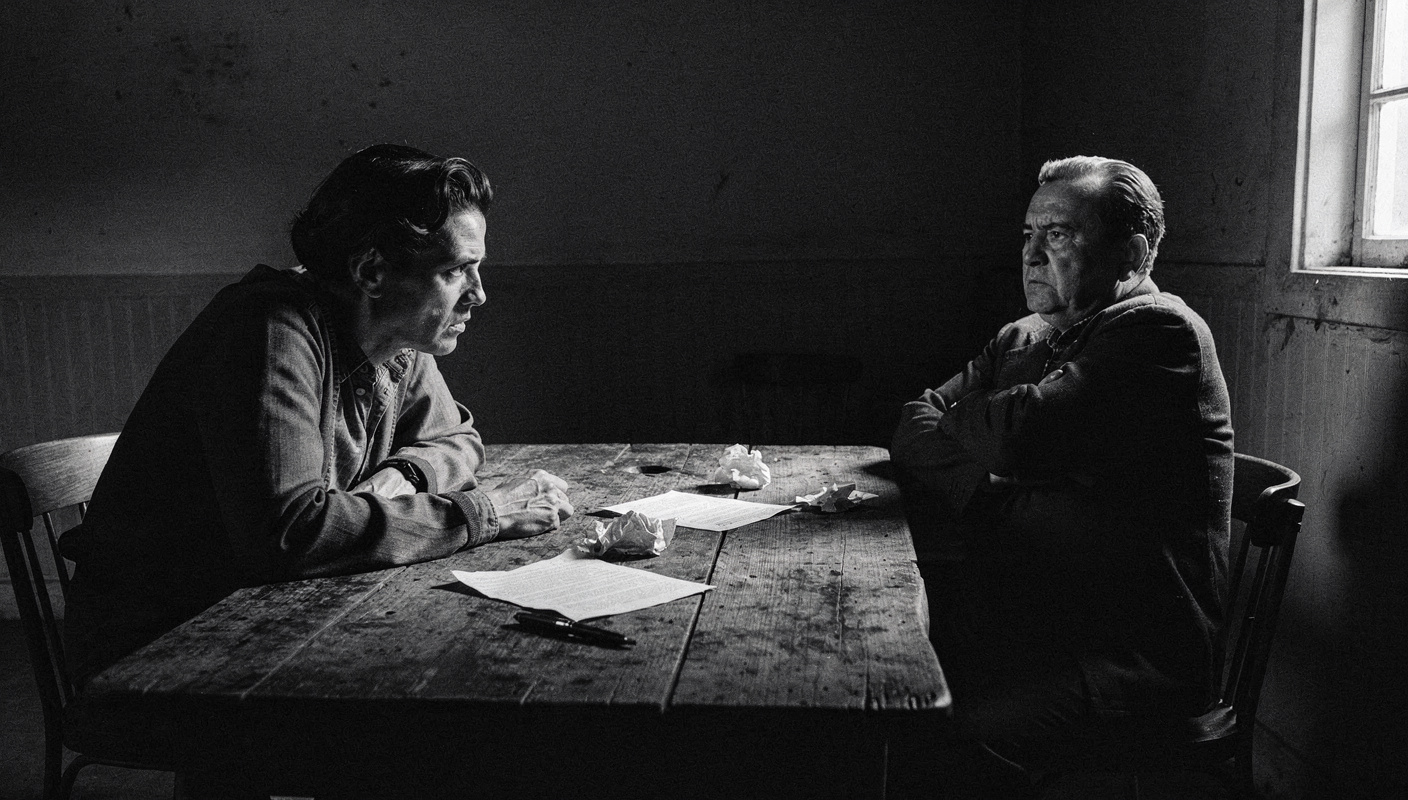
I sat across a table from a man once, a supplier from Seoul, whose silence I read as stonewalling. I pressed harder. He went quieter. The deal fell apart, and I spent weeks believing it was a cultural misunderstanding. It was not. I learned later that his silence was respectful consideration, and my pressing was the problem. That was my personal style, my impatience, colliding with a different communication rhythm. The negotiation conflict that followed was real, but I had blamed the wrong cause entirely. Understanding the difference between what culture brings to a negotiation and what personality brings is not an academic exercise. It is the thing that decides whether you can repair the damage.
What Cultural Differences Actually Do at the Negotiation Table
Culture shapes the invisible rules of a negotiation. It sets expectations about who should speak first, how directly disagreement should be expressed, whether silence is disrespectful or deliberate, and whether a signed agreement is the end of negotiation or simply a milestone in an ongoing relationship.
These are not small matters. In high-context communication cultures, meaning travels through tone, timing, and relationship context, not just words. In low-context communication cultures, directness is valued and ambiguity reads as weakness or evasion. When both styles meet across a negotiating table, neither party is wrong. But both parties are working from different rules, and neither has shown the other their rulebook.
The conflict that emerges from this tends to feel impersonal at first. It is not that the other person seems difficult. It is that the whole process feels off. Agreements feel fragile. Silences feel loaded. Proposals that seem perfectly reasonable to one side feel aggressive or premature to the other. If you want to understand how cultural tension builds before it becomes a real breakdown, this piece on how to manage tension when cultural differences are at the root of the conflict is worth your time.
"The Conversation You're Avoiding Is the One You Need to Have."
"The Conversation You're Avoiding
Is the One You Need to Have."
Stop rehearsing conversations you'll never have. Say It Right Every Time gives you 115 word-for-word scripts and 16 proven frameworks to speak with confidence in every conversation that matters.
What Personal Style Brings to Negotiation Conflict
Personal communication style is the individual layer. It is the habits a person has developed over a lifetime: whether they interrupt, how much silence they can tolerate before filling it, whether they make direct eye contact when making a firm point, how they handle being told no.
These patterns operate below conscious awareness most of the time. The person who consistently talks over others does not usually think of themselves as domineering. The person who goes very quiet under pressure does not think of themselves as evasive. But at a negotiating table, these behaviours land hard, and they land regardless of cultural background.
Here is the truth of it: personal style conflict is more frequent in everyday negotiation than cultural conflict is. Most people negotiate with colleagues, clients, and managers who share their broad cultural context. What they do not share is temperament, communication rhythm, or history. A style clash between two people from the same country, the same industry, even the same office can produce just as much conflict as any cross-cultural exchange. Understanding how unmet needs drive team conflict helps here, because personal style conflicts almost always have an unmet need underneath them.
Side by Side: How the Two Sources of Conflict Differ
| Dimension | Cultural Differences | Personal Style |
|---|---|---|
| Origin | Shared group norms and learned social expectations | Individual habits developed over a lifetime |
| Visibility | Often invisible until a specific behaviour violates an expectation | Often visible in real time as repeated patterns |
| Scope | Affects the whole structure and process of negotiation | Affects moment-to-moment interactions |
| Triggers | Violated protocol, face-saving failures, hierarchy breaches | Interruptions, dismissiveness, silence, aggression |
| Repair approach | Acknowledge the process gap; adjust structure and pace | Address the specific behaviour; name what you noticed |
| How it feels | The whole negotiation feels wrong, not just one person | One person's behaviour feels consistently grating |
| Predictability | Somewhat predictable if you know the cultural context | Unpredictable; requires reading each individual |
The table tells you the shape of the difference. What it cannot tell you is how these two forces tangle together in practice, which they almost always do.
Cultural expectations create a backdrop, and then personal style plays out against that backdrop. Someone from a culture that values indirect communication might still have a blunt personal style that cuts against that cultural norm. Someone from a direct culture might still be personally conflict-avoidant. The cultural lens matters, but it cannot replace actually observing the individual in front of you.
The most persistent negotiation conflicts I have witnessed were ones where someone locked onto a cultural explanation and stopped paying attention to the person. Culture gave them a story that felt satisfying, and that story prevented them from seeing what was actually happening. If you are in a meeting where conflict has already surfaced, the guidance on how to handle conflict during meetings offers practical steps for the moment itself.
Where the Two Causes Genuinely Overlap
There is a real grey area here, and naming it honestly matters. Cultural patterns and personal style are not fully separate systems. Culture shapes personal style from childhood. The person who grew up in an environment where direct disagreement was normalised will carry that into their individual behaviour. The person who grew up navigating hierarchy carefully will do the same.
This means a behaviour can be simultaneously cultural in its origin and personal in its expression. Directness is a good example. One negotiator might be direct because their cultural context rewards it. Another might be direct simply because it is who they are, regardless of cultural background. From across the table, the behaviour looks identical. The source is different. The correct response might be different.
Face-saving is another overlap point. The need to preserve dignity in a disagreement exists across virtually all cultural contexts. What changes is how visible and explicit that need is. Dismissing a counterpart's proposal too bluntly will damage the relationship whether you are negotiating in Tokyo or Toronto. The mechanisms differ; the human need does not. Good nonverbal communication in tense situations can protect face across both cultural and personal style differences without a word being spoken.
Three Ways People Confuse These Two Causes
Most of the negotiation conflict I have seen go unrepaired came from misidentifying what was actually driving it. Here are the three confusions that happen most often.
The mistake: Labelling every cross-cultural friction as a cultural problem.
Why it happens: Culture is a visible, socially acceptable explanation. It feels less confrontational than saying someone is being difficult.
What to do instead: Ask whether the same behaviour from someone sharing your cultural background would still create friction. If yes, the problem is personal style, not culture.
The mistake: Treating a personal style clash as a personality flaw.
Why it happens: When someone's behaviour consistently frustrates us, we move quickly from "they communicate differently" to "they are difficult." The label sticks.
What to do instead: Look for the pattern underneath the behaviour. An interrupter often fears not being heard. A silencer often fears losing standing. Address the need, not the habit.
The mistake: Assuming cultural knowledge is enough to prevent conflict.
Why it happens: People do their reading before a cross-cultural negotiation and believe preparation removes the risk. It reduces it, but it does not remove it.
What to do instead: Treat cultural knowledge as a starting point, not a script. Stay curious about this specific person in this specific situation. The D.E.A.L. method for resolving conflicts that fracture team synergy gives you a reliable structure when cultural preparation alone has not been enough.
How to Respond When Conflict Breaks Out
The right response depends on what you are actually dealing with. Getting this right requires a moment of honest observation before you act.
If the conflict feels structural, if the whole process seems misaligned, if you and the other party seem to be playing by different rules entirely, treat it as a cultural difference. Slow the process down. Ask process questions rather than content questions. "Can I check how you prefer to approach this part?" is more useful than pressing your position harder. Staying grounded during a tense workplace conversation is the foundation for any repair, regardless of cause.
If the conflict is more localised, if it centres on specific moments and specific behaviours rather than the whole shape of the negotiation, treat it as a personal style issue. Name what you noticed without blame. "I want to make sure I am hearing your position fully. Can we take turns walking through our thinking?" This kind of language gives the other person an invitation to adjust without losing face.
When colleagues are involved and the conflict has become entrenched, the D.E.A.L. method for defusing tension between colleagues who refuse to cooperate offers a tested structure for breaking the deadlock.
Before You Walk Into the Next Negotiation
After decades of watching negotiations succeed and fail, the pattern I keep returning to is this: the conflicts that did the most damage were not the biggest ones. They were the ones nobody named correctly. A cultural difference left unacknowledged grows into a story about bad faith. A personal style clash left unaddressed grows into a story about character. Both stories are usually wrong, and both are very difficult to undo.
The question worth carrying with you is a simple one. Before you decide why a negotiation is breaking down, ask yourself whether you are reading the situation or whether you are reading a story you have already written. Culture and personal style are both real negotiation conflict causes. Your job is to observe before you conclude, and to respond to what is actually in front of you. That discipline, more than any framework or technique, is what keeps a difficult negotiation from becoming an irreparable one.
Frequently Asked Questions (FAQ)
What causes negotiation conflict causes most often?
Negotiation conflict is most often caused by misread communication styles rather than genuine cultural clashes. When one person reads directness as aggression or silence as rejection, the conflict that follows feels cultural but is really personal. Identifying the real source is the first step to repair.
How do cultural differences affect negotiation conflict?
Cultural differences shape expectations around directness, hierarchy, silence, and face-saving. When these expectations collide without awareness, they produce misunderstanding that can escalate into real conflict. The key is recognising that cultural patterns are tendencies, not fixed rules, and treating each person as an individual first.
How do you tell if negotiation conflict is personal or cultural?
Ask whether the same behaviour from someone of the same background would still bother you. If yes, the conflict is likely rooted in personal style differences. If the friction only appears across cultural lines, cultural expectations are probably at play. Most real conflicts involve both factors at once.
Can personal style cause more conflict than cultural differences in negotiation?
Yes, and it does more often than most people expect. Personal communication patterns such as interrupting, dismissing, or avoiding eye contact trigger conflict regardless of cultural background. These style clashes are more frequent in everyday negotiation because they operate below conscious awareness and are rarely named directly.
What is the best way to reduce negotiation conflict from communication style?
Name what you are noticing without assigning blame. Say something like: I want to make sure I understand your position clearly. Can you walk me through your thinking? This invites the other person to clarify without putting them on the defensive. Consistent, curious, respectful language is the most reliable tool.
How does face-saving relate to negotiation conflict?
Face-saving is the need to preserve dignity and social standing during a disagreement. In high-context cultures it is a central concern, but the need exists across all backgrounds. When someone feels publicly corrected or dismissed in a negotiation, the resulting conflict is often about face-saving even when it looks like a positional dispute.