
In Short
Explosive anger during a negotiation does not have to end the deal or destroy the relationship. The person who stays calm holds the power. When you have the right words prepared before the moment hits, you can redirect the conversation, hold your ground, and keep both parties in the room long enough to find a resolution.
Conflict in negotiation is the point at which competing interests, emotional triggers, or unmet needs shift a conversation from problem-solving into confrontation. It ranges from firm disagreement to full volatility and, without the right response, it stalls or breaks the negotiation entirely.
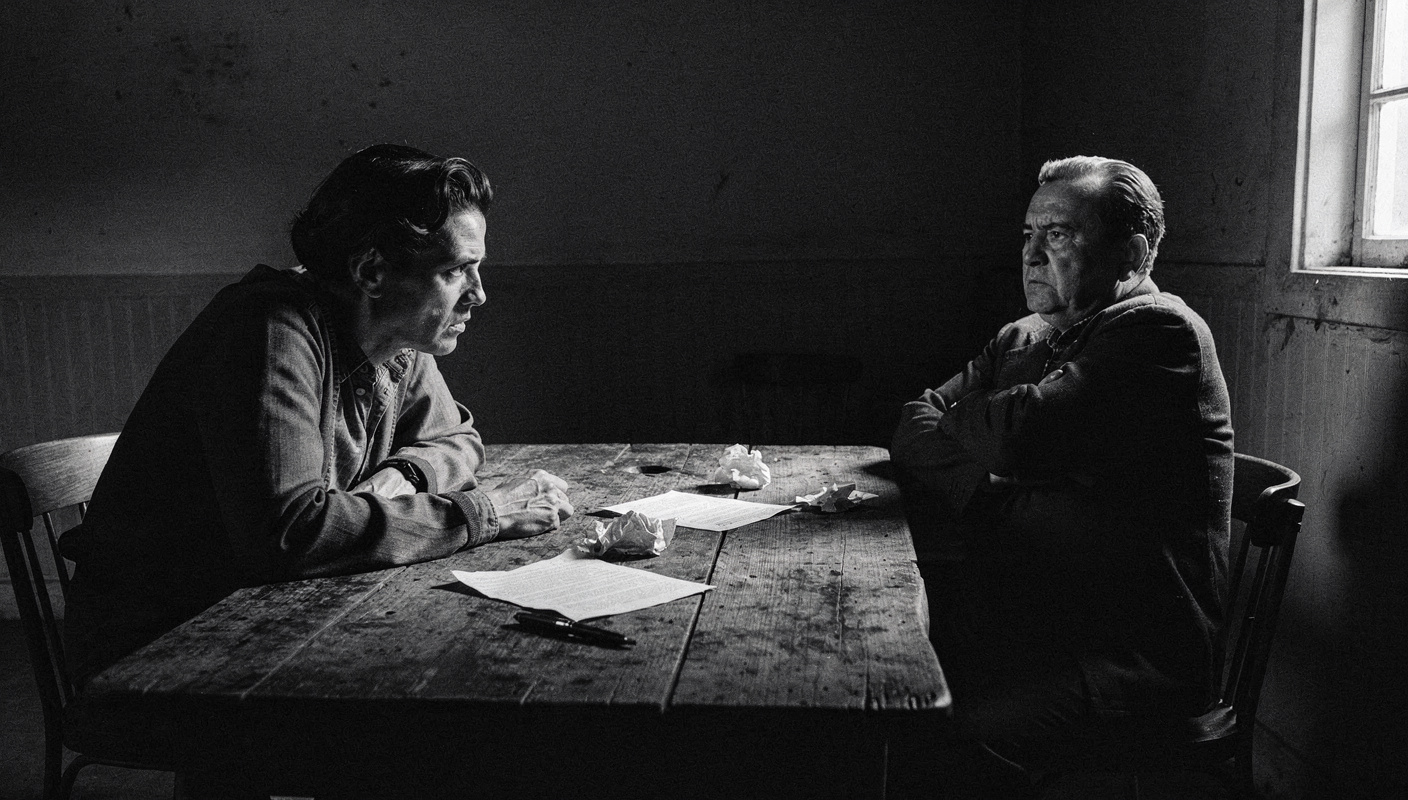
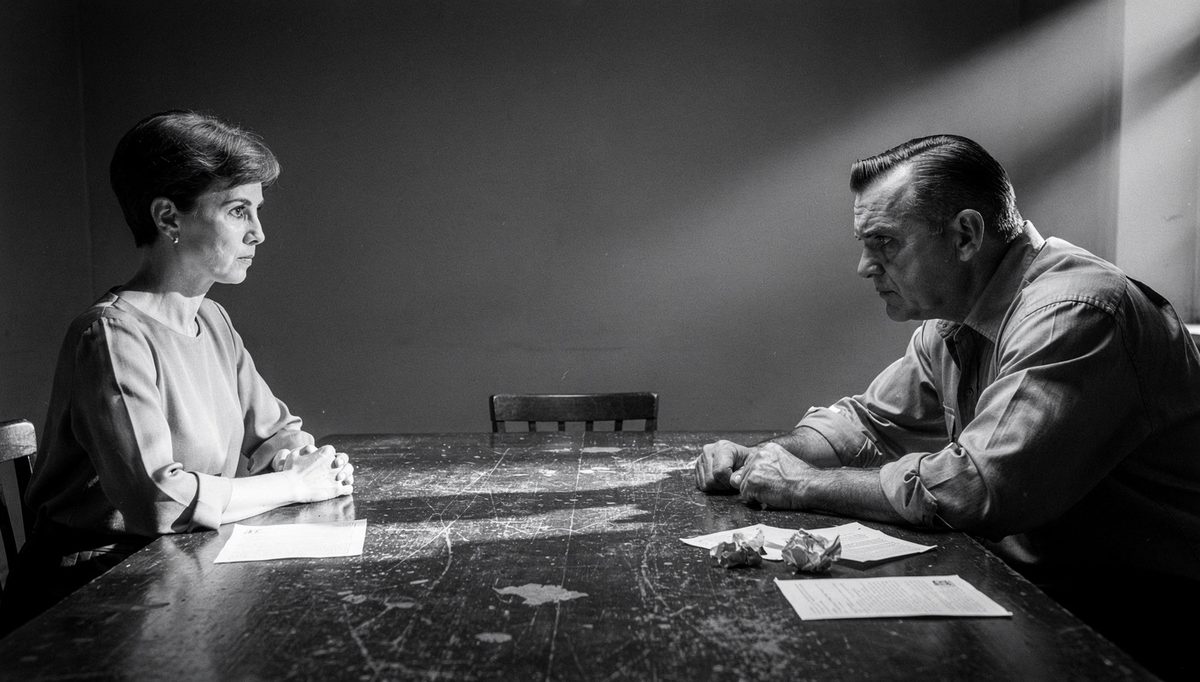
I have sat across tables where the temperature changed in a single sentence. One moment you are discussing terms; the next, someone's voice has risen, a fist has landed near a document, and everything you prepared feels suddenly useless. Conflict in a negotiation is rarely about the thing people say it is about. It is almost always about fear dressed up as fury. I learned that the hard way, in rooms where I had no script and paid dearly for it.
What changed everything for me was preparation. Not emotional preparation, though that matters too. Word-for-word preparation. Having the exact sentence ready before the moment arrives. In Say It Right Every Time, I cover this directly in Chapter 11, where I argue that high-stakes conversations require more than good instincts. They require mastery. The scripts in this article come from that chapter. They are tested, practical, and designed for the moment when the room catches fire.
Before You Open Your Mouth: What These Scripts Are Actually For
Use these scripts as a starting point, not a performance. Read the situation first. Find the script that matches the emotional temperature in front of you. Then adapt the words to fit your voice, your relationship with this person, and the specific conflict at hand.
One rule applies to all of them: read each script aloud before you ever need it. In your car. In the corridor before the meeting. Anywhere. The words need to live in your mouth before they can work under pressure. A script you have only read on a page is not a tool yet. It is just text.
For conflicts that have already caused damage to a working relationship, the B.R.I.D.G.E. Method for rebuilding after tension has created a genuine breakdown offers a longer-term repair framework alongside these immediate scripts.
"The Conversation You're Avoiding Is the One You Need to Have."
"The Conversation You're Avoiding
Is the One You Need to Have."
Stop rehearsing conversations you'll never have. Say It Right Every Time gives you 115 word-for-word scripts and 16 proven frameworks to speak with confidence in every conversation that matters.
Scripts for When Anger Erupts at the Table
Script 1: When Someone Explodes and the Volume Goes Up
The situation: The other party raises their voice, uses sharp or aggressive language, and the conversation tips from firm into volatile.
Why it works: You do not match the anger. You name it, you hold a boundary around how the conversation continues, and you offer a clear path forward. This removes the fuel without removing the conversation. As I write in Say It Right Every Time, anger feeds on anger. When you refuse to provide fuel, the fire eventually burns out.
Standard version:
"I can see you're frustrated, and I want to hear everything you have to say. I need us to bring the temperature down first. When you're ready to talk calmly, I'm right here."
Formal version (Script 110 from Chapter 11):
"I can see that you're very upset, and I want to understand what's going on. However, I need us to have this conversation calmly. I'm asking you to lower your voice so we can talk this through productively. If you're not able to do that right now, I'm going to suggest we take a break and come back to this when we're both calmer."
Brackets for adaptation: Replace "very upset" with "[specific emotion you observe]" if a more precise word fits the moment.
What to watch for after: Give them time to respond. Do not fill the silence. If they de-escalate, move directly to the substance. If the volume stays high, follow through on the break.
Eamon's note: The formal version is longer on purpose. When someone is at full heat, a fuller, calmer response creates contrast. That contrast does most of the work.
Script 2: When the Other Party Uses Manipulation to Shift the Terms
The situation: During a heated negotiation conflict, the other party begins distorting what was agreed, reframing previous conversations, or making claims you know are false.
Why it works: Manipulation thrives in confusion and dies in clarity. The more specific you are about facts, the less ground manipulation has to stand on. This script pulls the conversation back to solid earth.
Standard version (Script 111 from Chapter 11):
"I hear what you're saying, but that's not what happened. Here's what actually happened: [specific facts]. I need you to stop trying to change the subject and address what I'm actually saying."
Formal version:
"I want to address what you've just said directly. My understanding of what was agreed is [specific facts]. I'd like us to focus on those facts before we move forward, because I think that's where the disconnect is."
What to watch for after: If they continue to redirect, repeat your facts without escalating. Do not apologise for being specific. The person who stays tethered to what actually happened holds the stronger position.
Eamon's note: The word "specifically" is your best friend in a manipulation moment. The moment you name the exact fact, you end the game of fog.
For situations where the manipulation has escalated into a colleague refusing to engage at all, the D.E.A.L. Method for defusing tension between two colleagues who refuse to cooperate offers a structured path through the impasse.
Script 3: When Someone Tries to Rewrite What Actually Happened
The situation: The other party denies saying something you both know they said, or claims events unfolded in a way that contradicts your clear memory. This is gaslighting, and it is not uncommon in high-conflict negotiations.
Why it works: You anchor yourself in what you know. You do not equivocate or soften to keep the peace. A written record before conversations like this one, noted in Chapter 11 of Say It Right Every Time, is your strongest ally. Use it if you have it.
Standard version (Script 112 from Chapter 11):
"I know what I experienced. You're trying to tell me it didn't happen that way, but I was there. I remember it clearly. I'm not going to let you rewrite history. This is what happened: [specific facts]."
Formal version:
"I want to be direct with you. My record of this conversation, including [specific detail], is clear. I understand we may remember things differently, but I'm not in a position to accept an account that contradicts what I know to be true. Let's work from the documented version."
What to watch for after: If you have notes, emails, or any written record, now is the time to produce them. If you do not, keep your language confident and specific. Doubt in your own voice is the only tool a gaslighter has left once you name what happened.
Eamon's note: Keep written notes before any negotiation you expect to be contentious. A brief email summary after each session, sent to all parties, is a simple anchor to reality.
Script 4: When the Conflict Reveals You Are Both Communicating on Different Frequencies
The situation: The anger or frustration in the room is not entirely about the deal. It is partly about how each of you communicates. One person reads directness as aggression. The other reads politeness as evasion. The conflict is real, but its source is partly stylistic.
Why it works: Naming the style difference removes some of the personal heat. You are not attacking each other; you are navigating different systems. This creates enough distance for both parties to breathe.
Standard version (Script 114 from Chapter 11):
"I think we communicate differently, and I want to figure out how to make this work better. I'm more [your style], and you seem more [their style]. How can we meet in the middle?"
Formal version (Script 113 from Chapter 11):
"I'm aware that we may have different cultural approaches to communication, and I want to make sure we understand each other. In my experience, [your norm] is typical in situations like this. I'm curious about your perspective. Can you help me understand how you prefer to approach this kind of conversation?"
What to watch for after: Listen carefully. Do not defend your style as superior. The goal is mutual adjustment, not a verdict on who communicates better.
Eamon's note: I have watched negotiations collapse not over money but over misread tone. Neither party was wrong. They were just speaking different languages and calling it conflict.
The C.O.R.E. Framework for staying calm when feedback triggers a defensive reaction is worth reading alongside this script, particularly when your own defensiveness is part of what needs managing.
Script 5: When You Need to Move a Heated Exchange Off Text or Email
The situation: A conflict in a negotiation has spilled into a text or email thread. The messages are getting sharper, the tone is deteriorating, and nothing is being resolved. The medium is making everything worse.
Why it works: Chapter 11 of Say It Right Every Time introduces the Communication Medium Richness Hierarchy: in-person is richest, text message is leanest. Conflict needs richness. You cannot read tone, catch a moment of softening, or build trust through text. Moving to a richer medium is not retreat; it is strategy.
Standard version (Script 116 from Chapter 11):
"This feels like a conversation we should have by phone or in person. Text isn't great for this kind of thing. When can we talk?"
Formal version:
"I think we'd both be better served by speaking directly rather than continuing over email. The nuance this conversation needs isn't possible in writing. Can we schedule a call or a meeting in the next [timeframe]?"
What to watch for after: If the other party resists moving to a richer medium, that resistance itself tells you something. Name it gently: "I notice we keep returning to email on this one. I'd genuinely like to resolve it. A conversation would help us both."
Eamon's note: I have never seen a conflict get better over text. More words, more misreading, more heat. Pick up the phone.
Script 6: When a Negotiation Conflict Damages the Relationship and You Need to Repair It
The situation: The anger has cooled, but the damage is done. You said something in the heat of the moment that you regret, or the conversation ended badly, and the working relationship is now strained.
Why it works: A real apology requires three things, as I lay out in Chapter 11: acknowledgment of what you did, recognition of the impact on the other person, and a genuine commitment to change. Anything short of that is not an apology. It is a defence.
Standard version (Script 118 from Chapter 11):
"I've been thinking about our conversation, and I don't feel good about how it went. I said some things I regret, specifically [what you said]. I want to make this right. Can we talk?"
Formal version (Script 117 from Chapter 11):
"I want to apologize for [specific action]. I understand that this [specific impact on them]. There's no excuse for what I did. I take full responsibility. Moving forward, I'm committed to [specific change in behavior]. I value our relationship, and I hope you can forgive me."
What to watch for after: Give the other person time to receive what you have said. Do not rush to move on. If they need to express what the impact was, listen without defending yourself. The repair begins in that listening.
Eamon's note: Taking responsibility for your part first is not weakness. It is the only move that creates space for the other person to do the same.
The R.E.C.O.V.E.R. Method for when a tension-management conversation makes things worse gives you a full seven-step framework for navigating the recovery when the repair attempt itself needs a second chance.
Script 7: When Conflict Surfaces in a Group or Public Negotiation Setting
The situation: The anger or conflict is not between two people in a private room. It happens in front of a team, a committee, or multiple stakeholders, and how you handle it will be witnessed and judged.
Why it works: Public conflict requires extra care because there is an audience. You are managing not just the immediate conflict but the perception of how you handle conflict. Staying objective, naming the group interest, and inviting participation shifts the dynamic from confrontation to collective problem-solving.
Formal version (Script 119 from Chapter 11):
"I'd like to address something that I think affects all of us. [State the issue objectively]. I'm bringing this up because [reason it matters to the group]. I'd like to hear everyone's perspective on this and work together to find a solution."
Standard version:
"I want to name something that's affecting this conversation for all of us. [State the issue]. I think it's worth addressing directly so we can move forward together. Who wants to start?"
What to watch for after: Watch for the person whose anger triggered the public moment. After the group conversation, a private follow-up with that person is almost always necessary. What needed to be said in the room is rarely the whole story.
Eamon's note: Public conflict is not just between two people. Everyone in that room takes something home with them. Handle it accordingly.
For situations where team conflict is at the root of the breakdown rather than a single volatile exchange, how unmet needs drive team conflict and what to say to restore synergy offers the underlying framework worth reading first.
Making These Scripts Sound Like You
The fastest way to undermine a good script is to deliver it in a voice that does not match your own. If the formal version feels stiff for your relationship with this person, use the standard version and trust it. If neither version fits exactly, take the structure and swap the phrasing. What you preserve is the intention: calm, clear, direct, factual.
Three things to adapt before any conversation:
- The register. Match the formality to the relationship and the setting. A long-standing vendor relationship needs a different tone than a first negotiation with a new client.
- The specifics in brackets. Every bracketed element in these scripts is a placeholder. Fill it with the actual detail. A specific fact lands harder than a general claim every time.
- The pace. Slow down when you deliver these. The impulse under pressure is to rush. Slower delivery reads as confidence, not hesitation.
The C.O.R.E. Framework for staying grounded during a tense workplace conversation is the internal anchor that makes these external scripts possible. If you find yourself losing composure before the words come, that framework prepares the ground these scripts need to land on.
Where These Scripts Break Down
Even good scripts fail when people use them badly. Here are the four ways I see it happen most often in high-conflict negotiations:
The mistake: Delivering the script at the same volume as the anger in the room.
Why it happens: Matching someone's energy feels natural under pressure.
What to do instead: Drop your volume slightly below normal. Calm is contagious, but only when it contrasts sharply with the heat.
The mistake: Skipping the brackets and leaving the script generic.
Why it happens: People forget to prepare the specifics in advance.
What to do instead: Before any negotiation you expect to be difficult, fill in every bracket with the exact facts relevant to your situation. The specific version is always stronger.
The mistake: Using the apology script too quickly, before you have had time to process what actually happened.
Why it happens: The discomfort of conflict pushes people toward resolution before they are ready.
What to do instead: Wait until you are clear on what your part was, what the impact was, and what you will actually change. A rushed apology without all three elements damages trust further.
The mistake: Treating a boundary statement as a suggestion and then not following through.
Why it happens: Enforcing a boundary feels confrontational in the moment.
What to do instead: As I write in Chapter 11 of Say It Right Every Time, a boundary without enforcement is just a suggestion. If you say you will call a break and then stay in a conversation that has become abusive, you have handed over control.
For team-level conflict that these scripts alone cannot resolve, the D.E.A.L. Method for resolving conflicts that are fracturing team synergy and the how to use the D.E.A.L. Method to defuse tension between colleagues who refuse to cooperate frameworks extend this work into longer-term repair.
Frequently Asked Questions (FAQ)
What is conflict in a negotiation?
Conflict in negotiation occurs when competing interests, unmet needs, or emotional triggers cause one or both parties to shift from problem-solving into confrontation. It can range from firm disagreement to explosive anger, and it often stalls or derails the negotiation entirely if not handled with care.
How do you respond to explosive anger in a negotiation?
Stay calm, lower your own voice, and name what is happening without matching the other person's intensity. Use clear, direct language to set a boundary around how the conversation continues. If the anger does not subside, suggest a break rather than pushing through a conversation that has lost its footing.
Why does conflict in negotiation trigger such strong emotions?
Negotiations involve stakes: money, status, security, or respect. When people feel those stakes are threatened, anger often surfaces as a shield for fear. The more someone stands to lose, the more volatile the conflict can become, especially if they feel unheard or cornered.
What should you never do when conflict in a negotiation turns angry?
Never match explosive anger with anger of your own. Anger feeds on anger, and escalating the emotional temperature destroys any chance of reaching agreement. Equally, do not retreat into vague or apologetic language. Stay factual, stay calm, and stay in the room unless the conversation becomes abusive.
How do you handle manipulation during a negotiation conflict?
Name what is happening and anchor yourself in facts. Manipulation thrives in confusion and dies in clarity. State what actually occurred, what you need, and what you will not accept. The clearer you are, the less power the manipulation has over the direction of the conversation.
When should you end a negotiation conflict conversation and come back later?
End the conversation when anger makes productive exchange impossible, when you feel yourself losing your own composure, or when the other party is no longer listening. A short, clean break is not failure. It is strategy. Returning calmer and more prepared is almost always better than pushing through at peak heat.
Here is the truth of it: the gap between knowing what to do and actually doing it is where most people lose their negotiations. Not at the table. In the preparation they skipped. These scripts give you the words. Practice gives you the confidence to deliver them. The next time conflict in a negotiation tips into anger, you will not freeze, you will not fight back on instinct, and you will not walk out having said things you regret. You will reach for words you have already rehearsed, and you will use them well.