
In Short
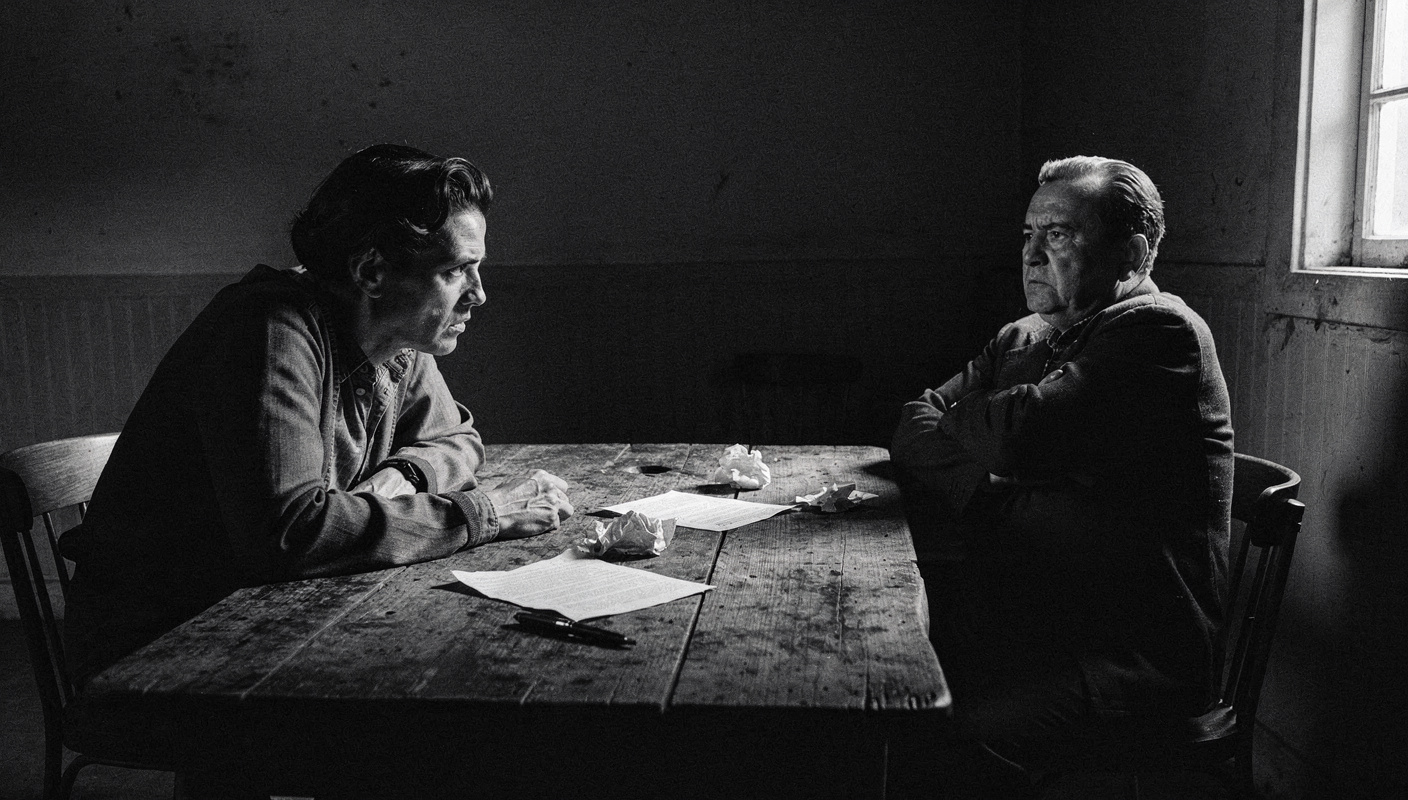
Conflict inside a negotiation is not a sign that the process has failed. It is a sign that both people care about the outcome. Without structure, that energy burns everything down. With structure, it becomes the most productive force in the room.
- Most negotiation conflicts are driven by unmet needs, not irreconcilable differences.
- A clear four-step process gives you traction when emotions would otherwise strip it away.
- The D.E.A.L. Method turns a chaotic dispute into a structured path toward genuine agreement.
The D.E.A.L. Method is a four-step conflict resolution process, covering Define the Issue, Explore Perspectives, Agree on a Solution, and Lock in the Commitment, designed to guide structured problem-solving through emotionally charged disputes in negotiations.
I have watched good negotiations collapse in the space of a single bad exchange. Not because the two parties had incompatible goals. Not because the deal was impossible. Because one person felt unheard, the other felt accused, and neither of them had a structure to reach for when the room turned cold. The conflict in a negotiation is rarely the problem itself. It is what happens to people when conflict arrives without a method to contain it.
In Say It Right Every Time, I call this the difference between conflict as destruction and conflict as energy. As I write in Chapter 9, "Conflict is a form of energy. Left uncontrolled, it's destructive. It burns down relationships, destroys trust, and grinds productivity to a halt. But harnessed correctly, it's the most powerful engine for growth and innovation you have." The D.E.A.L. Method, which I introduce in Say It Right Every Time, is how you harness it.
What Happens When Conflict Hits a Negotiation Without a Process
Most people, when they feel the temperature rise in a negotiation, do one of two things. They push harder, digging into their position. Or they back off and let resentment fester quietly. Both responses share the same flaw: they treat conflict as something to be won or avoided, not solved.
Here is what I have learned over sixty years of difficult conversations. Avoidance is the worst response of all. "I realized that avoiding the conflict was the worst thing I could have done," I note in Chapter 9. "I wasn't leading; I was hiding." And the cost of hiding shows up later, usually at the worst possible moment. Negotiations stall. Agreements collapse. Trust corrodes.
What people need in those moments is not more courage in isolation. They need a system. When you are under pressure, when your heartbeat is up and your instincts are pulling you toward fight or flight, a clear process is the only thing that keeps you on solid ground. That is exactly what the D.E.A.L. Method is built for. If you are navigating ongoing tension between colleagues before you even reach the negotiation table, the principles in how to start a difficult conversation that's blocking your team's synergy apply directly.
"The Conversation You're Avoiding Is the One You Need to Have."
"The Conversation You're Avoiding
Is the One You Need to Have."
Stop rehearsing conversations you'll never have. Say It Right Every Time gives you 115 word-for-word scripts and 16 proven frameworks to speak with confidence in every conversation that matters.
The D.E.A.L. Method: A Step-by-Step Guide to Resolving Conflict in Negotiations
The D.E.A.L. Method is covered in Chapter 9 of Say It Right Every Time as a four-step process for turning emotionally charged disputes into structured problem-solving sessions. Each step has a specific purpose. Each one builds on the last. You do not skip ahead. You do not loop back without reason. You work through it in sequence, and the sequence does its job.
Step 1: Define the Issue
The first step is naming the actual problem, clearly and without accusation. This sounds simple. It rarely is.
Most people open conflict conversations with a position, not a problem. "You agreed to the timeline and now you are changing it." That is an accusation. It immediately puts the other person on the defensive, and a defensive person cannot problem-solve. What you need instead is a neutral problem statement: a plain description of the situation that both parties can agree is accurate.
- Strip the blame. Identify what the observable disagreement is, separated from who caused it.
- Name the impact. State what is at stake if this issue is not resolved.
- Invite agreement on the frame. Ask whether the other person sees the situation the same way before you proceed.
Example: "We have a disagreement about the delivery timeline on this contract. My understanding is that we committed to a six-week window, and your current proposal extends that to ten weeks. Can we agree that is the issue we need to work through?"
Eamon's note: The neutral problem statement is not weakness. It is precision. You are not backing down from the issue. You are making sure both of you are looking at the same thing before you try to fix it.
Step 2: Explore Perspectives
Once you have named the issue, the next step is genuine curiosity about how each party sees it. Not polite listening. Not waiting for your turn to talk. Actual curiosity, the kind a journalist brings to an interview when they want to understand something they do not yet know.
This is where most people lose the thread. They hear the first sentence of the other party's view and begin preparing a counter-argument. In a conflict inside a negotiation, that instinct will cost you every time. The real issue is almost always beneath the surface argument. Until you hear it, you are negotiating over symptoms.
- Ask open questions. "Help me understand why the ten-week timeline is necessary from your side."
- Listen without interrupting. Let them finish before you respond. Summarise what you heard before you offer your own view.
- Share your perspective in turn. Use "I" statements, not accusations. "My concern is that our client has a hard deadline that a ten-week timeline would breach."
- Name the unmet needs. What does each party actually need from this negotiation? Name it plainly.
Example: A supplier and a procurement manager are locked in a dispute over contract terms. The manager hears the supplier out fully, then says: "So what I'm hearing is that the ten-week window is about production capacity, not reluctance. Is that right?" The supplier confirms it. Suddenly the conversation shifts from blame to problem-solving. That shift only happens when someone genuinely listens first.
Eamon's note: "Most conflicts are just two people with unmet needs," I write in Chapter 9. "When you can see past the anger and the defensiveness to the underlying need, you can find a solution that works for everyone." Exploration is not a soft skill. It is the most strategically powerful thing you can do in a conflict.
For situations where one party has gone silent and the conflict is playing out through behaviour rather than words, the guidance on how unmet needs drive team conflict and what to say to restore synergy runs parallel to this step.
Step 3: Agree on a Solution
This is where the work of the first two steps pays off. You have a shared definition of the problem and a clear picture of what each party actually needs. Now you build something both people can own.
The critical principle here is this: a solution that is imposed on one person is not a solution. It is a temporary ceasefire. And a ceasefire in a negotiation just means the conflict resurfaces at the next pressure point, usually with more force.
- Generate options together. What are two or three approaches that could address both parties' core needs? Put everything on the table before you evaluate anything.
- Test each option against the real needs. Does this address the supplier's capacity constraint? Does it protect the manager's client deadline?
- Build toward a win-win. Not a compromise where both parties lose something, but a creative solution where both parties gain something. This requires the honest exploration from Step 2.
- Confirm mutual agreement. "Can you both live with this approach? Not just tolerate it, but genuinely commit to it?"
Example: The supplier and manager find a middle path: a nine-week timeline with an agreed penalty clause that protects the client relationship if the deadline slips. Neither party got everything they wanted. Both got their core need met. That is the goal.
Eamon's note: You are not here to win. You are here to reach an agreement that holds. If you win the argument and lose the relationship, or lose the next contract because trust eroded, what exactly did you win?
If you are dealing with a conflict that erupted during a meeting before you could reach this stage, the approaches in how to handle conflict during meetings can help you stabilise the room first.
Step 4: Lock in the Commitment
This is the step most people skip. They reach agreement in the room and treat the conversation as done. Then six weeks later, the same conflict returns, because a verbal agreement with no specific accountability is not an agreement. It is a wish.
Locking in the commitment means making the agreement concrete, specific, and accountable before anyone walks out of the room.
- State the agreement out loud. Summarise exactly what was decided. Make sure both parties hear the same thing.
- Assign specific responsibilities. Who is doing what, by when, and to what standard?
- Establish an accountability check-in. When will you both review progress? Set a date before you close the conversation.
- Put it in writing. A brief written summary sent within 24 hours removes ambiguity entirely.
Example: "So to confirm: we are proceeding on a nine-week timeline. The supplier commits to weekly progress updates starting Monday. The manager confirms with the client by Thursday. We check in at the four-week mark. I'll send a summary of this by end of day. Agreed?" Both parties confirm. That is a locked commitment.
Eamon's note: I have seen more hard-won agreements dissolve not because people were dishonest, but because they were vague. Vagueness is a slow form of conflict. Lock it in while you are both still in the room.
Choosing the Right Tool: D.E.A.L. Versus Other Conflict Structures
The D.E.A.L. Method is not the only structure I cover in Say It Right Every Time. Knowing when to reach for it, and when to reach for something else, matters.
| Situation | Best Tool |
|---|---|
| Active conflict in a negotiation | D.E.A.L. Method |
| Relationship has broken down after conflict | B.R.I.D.G.E. Method |
| Giving feedback to a difficult party | S.B.I. Method |
| Preventing future conflict through role clarity | RACI Chart |
| Staying grounded during a tense exchange | C.O.R.E. Framework |
| Defusing tension between two colleagues | D.E.A.L. as mediator |
Use the D.E.A.L. Method when you are in the middle of an active dispute inside a negotiation and you need to move forward. Use the B.R.I.D.G.E. Method when the negotiation has ended badly and the relationship itself needs repair. Use the C.O.R.E. Framework when you need to stay regulated and present during an escalating exchange. Each tool has its moment. The skill is knowing which moment you are in.
For escalation that happens suddenly during a structured session, the techniques in how to de-escalate arguments during meetings pair well with the D.E.A.L. structure.
Where People Go Wrong When They Try to Use This Method
The D.E.A.L. Method is straightforward on paper. In practice, people make the same mistakes repeatedly. Here are the ones I see most often.
The mistake: Jumping to Step 3 before completing Step 2.
Why it happens: People are uncomfortable with the exploration phase and rush toward solutions to reduce tension.
What to do instead: Hold yourself in Step 2 until you can accurately name the other party's core need in your own words. If you cannot do that, you are not ready to build a solution.
The mistake: Using an accusatory tone in Step 1.
Why it happens: They are genuinely frustrated, and frustration leaks into language.
What to do instead: Write your problem statement before the conversation and test it against this question: "Could the other person read this and feel accused?" If yes, rewrite it.
The mistake: Reaching a verbal agreement and closing the meeting without Step 4.
Why it happens: Relief at reaching agreement makes people want to end the conversation immediately.
What to do instead: Keep the meeting open for five more minutes. Run through the commitment checklist before anyone stands up.
The mistake: Treating the method as a script to recite rather than a structure to think through.
Why it happens: They want certainty, so they follow the steps rigidly without responding to what is actually happening.
What to do instead: Know the steps deeply enough that you can adapt. The structure is a spine, not a cage.
Building Fluency: From Knowing the Method to Trusting It
Reading about the D.E.A.L. Method is not the same as having it available to you under pressure. In Chapter 15 of Say It Right Every Time, I lay out a sixty-day approach to building exactly this kind of fluency, moving from low-stakes practice to high-stakes application with structured reflection along the way.
You do not build fluency with a method the way you study for an exam. You build it through repetition in progressively harder situations. Start by using the Define step in a minor workplace disagreement this week. Notice what happens when you offer a neutral problem statement instead of a position. Next week, practice the Explore step in a conversation where your instinct is to interrupt. Keep a short daily log: what did you practice, what went well, what you would do differently.
"Small changes, repeated consistently over time, create massive results," I write in Chapter 15. "You don't need to have a dramatic breakthrough. You just need to be slightly better today than you were yesterday." That is how the D.E.A.L. Method moves from something you know about to something you can trust in the middle of a hard negotiation.
The goal is not perfection. It is availability: the ability to reach for the method when you need it most, and use it without having to think too hard about what comes next.
Frequently Asked Questions (FAQ)
What is the D.E.A.L. Method?
The D.E.A.L. Method is a four-step conflict resolution process covering Define the Issue, Explore Perspectives, Agree on a Solution, and Lock in the Commitment. It gives people a clear structure to follow when emotions run high and a negotiation risks breaking down completely.
How do you use the D.E.A.L. Method in a negotiation?
You work through four steps in order: state the issue neutrally, listen to both sides with genuine curiosity, build a solution both parties can own, and close with specific commitments. The structure keeps the conversation on track when pressure and emotion would otherwise derail it.
When should you use the D.E.A.L. Method for conflict?
Use it when a negotiation has stalled over a specific dispute, when emotions are elevated, or when both parties are talking past each other. It works best in one-on-one or small-group settings where all parties agree to engage honestly and work toward a shared outcome.
What does D.E.A.L. stand for in conflict resolution?
D.E.A.L. stands for Define the Issue, Explore Perspectives, Agree on a Solution, and Lock in the Commitment. Each letter names a distinct phase in the process, and each phase builds on the one before it to move a dispute toward genuine resolution.
What is the difference between the D.E.A.L. Method and the B.R.I.D.G.E. Method?
The D.E.A.L. Method resolves an active conflict by reaching a new agreement. The B.R.I.D.G.E. Method is used after a conflict, when the relationship itself has been damaged and needs deliberate repair. One settles the dispute; the other rebuilds the trust.
Why does conflict in a negotiation need a structured process?
Without structure, people under pressure default to defending positions, raising voices, or shutting down. A structured process forces both parties to slow down, name the real issue, and focus on solutions rather than winning. Structure is what turns a fight into a negotiation.
Conflict is not the enemy of a good negotiation. Silence is. The conversations people avoid, the resentments that build around unspoken expectations, the disputes that never get named and therefore never get solved: those are what kill deals and damage relationships for good. The D.E.A.L. Method will not remove the difficulty from these moments. Nothing honest will. What it gives you is a structure strong enough to hold the difficulty, and a path clear enough to walk through it. That is what the method is for. Use it.