
In Short
Most negotiations do not fail because the problem is too hard. They fail because people are solving the wrong problem.
- Relationship conflict is about the people at the table: trust, history, and how someone feels they have been treated.
- Substantive conflict is about the issues on the table: money, timelines, terms, and outcomes.
- Mixing up the two means you will keep negotiating the wrong thing, and neither conflict will ever get resolved.
Relationship conflict negotiation is the practice of identifying and separating interpersonal tensions from the actual issues being disputed, so each type of conflict can be addressed with the right approach, in the right order, before an agreement becomes possible.
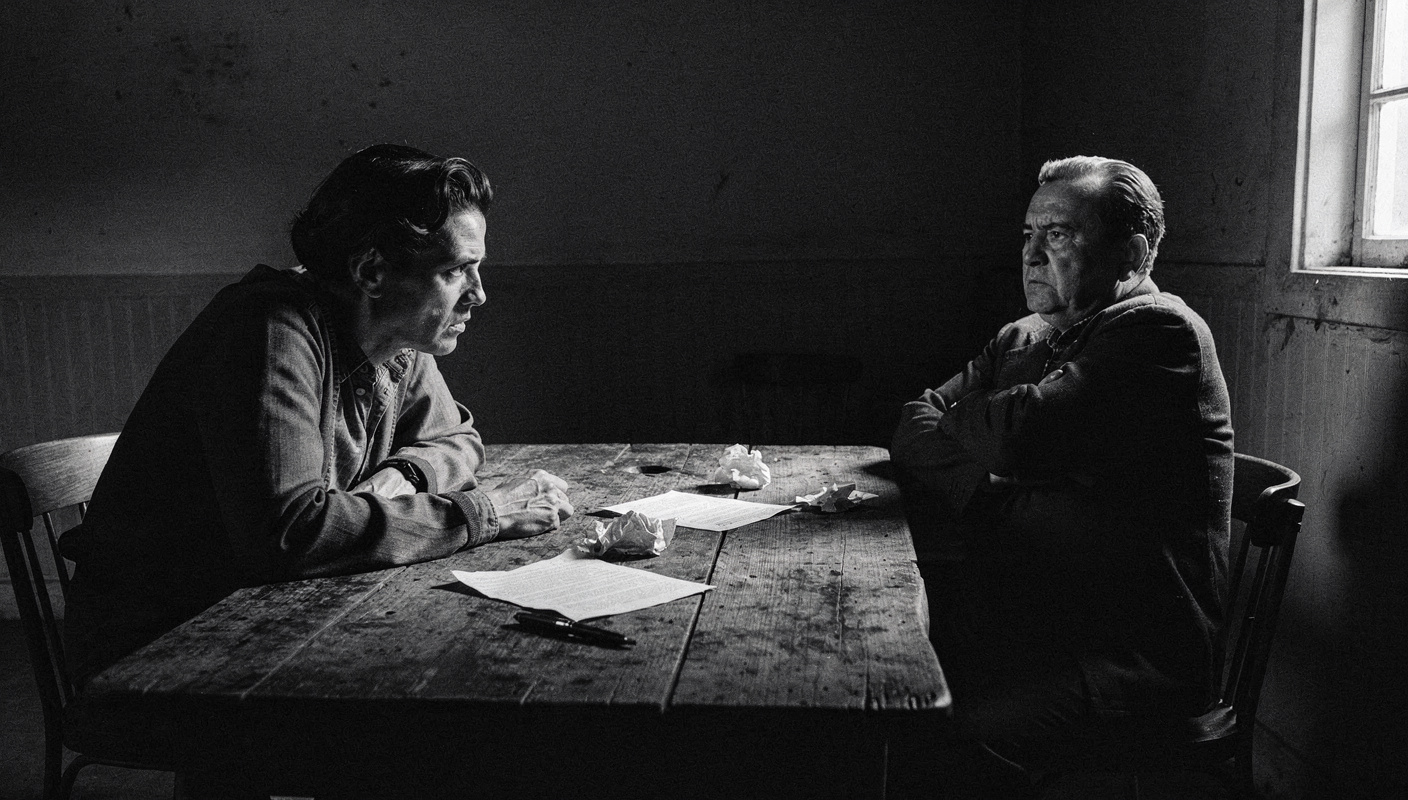
I watched a senior manager lose a contract worth three years of work because he could not tell which fight he was actually in. The other side kept raising objections about delivery timelines. He kept sharpening his response on timelines. But the real problem was something that had happened eight months earlier, a slight that had never been named and never been addressed. The timeline was just the weapon. By the time anyone understood that, the other party had walked.
That is the cost of confusing relationship conflict with substantive conflict in a negotiation. You prepare for the wrong battle. You bring the wrong tools. And you burn down the relationship while solving a problem that was never really the problem to begin with.
Why This Distinction Is So Difficult to Make in the Moment
Most people can define the difference between these two conflict types when they are calm and sitting with a coffee. The trouble is that negotiations are rarely calm. When tension rises, the distinction collapses. Everything feels personal. Every concession looks like a trap. Every delay feels like disrespect.
Here is the truth of it: relationship conflict and substantive conflict share the same surface symptoms. Raised voices. Stalled progress. Reluctance to move. Repeated objections. You cannot tell them apart by watching the behaviour alone. You have to dig underneath it.
There is also a pride problem. Naming relationship conflict out loud feels risky. It means admitting that feelings are in the room. Many negotiators would rather keep fighting about price than say, "I think there is something between us that we have not dealt with yet." So the interpersonal issue stays buried, and it quietly poisons every substantive discussion that follows.
If you have ever walked away from a failed negotiation thinking, "We agreed on almost everything, and it still fell apart," you have likely experienced this. The issue was not the terms. The issue was the table.
"The Conversation You're Avoiding Is the One You Need to Have."
"The Conversation You're Avoiding
Is the One You Need to Have."
Stop rehearsing conversations you'll never have. Say It Right Every Time gives you 115 word-for-word scripts and 16 proven frameworks to speak with confidence in every conversation that matters.
What You Need to Accept Before You Begin
Two things must be true before this process can work.
First, you need to be honest with yourself about which type of conflict is driving the room. That requires a moment of genuine stillness before you respond to anything. If you are reactive, you will misdiagnose constantly.
Second, you need to accept that you cannot resolve both types of conflict at the same time. Many negotiators try. They apologise for the past and then immediately pivot to the deal. That sequence almost never works. The other party has not had time to register the repair, so everything that comes next still feels contaminated by the original problem.
You must earn your way back to the substance. That takes patience. I have sat in rooms where the right move was to spend forty minutes talking about trust before a single term was revisited. That felt slow. It was, in fact, the fastest path to an agreement.
Understanding how unmet needs drive conflict will sharpen your ability to hear what is actually being said when someone digs in their heels. A person refusing to move on price may not be protecting margin. They may be protecting their dignity.
How to Diagnose the Conflict Type in a Live Negotiation
Before you apply any resolution, you need to know what you are dealing with. These five steps give you a reliable process for making that diagnosis under pressure.
Listen for disproportionate emotion. When someone's reaction is significantly stronger than the issue seems to warrant, that is a signal. A counterpart who becomes visibly frustrated over a minor procedural point is often carrying something heavier. Note it. Do not react to it yet.
Track the pattern of objections. Substantive conflict tends to focus on specific issues: numbers, deliverables, responsibilities. Relationship conflict tends to wander. If the objections keep shifting topic but the emotional temperature stays constant, the topic is not the real problem.
Ask yourself the substitution question. Would this same disagreement exist if completely different people were sitting in those chairs? If yes, it is substantive. If the conflict seems specific to these individuals and this history, it is relational. This single question has saved me hours of misdirected effort.
Check for past-tense language. Phrases like "you always," "last time," or "I remember when" are markers. Substantive conflict lives in the present and future. Relationship conflict keeps returning to the past. When the past keeps appearing uninvited, the past is the problem.
Name what you observe, without accusation. Before deciding anything, try this: "I want to make sure I understand what matters most here. It feels like there might be something beyond the specific terms that we have not addressed yet. Am I reading that correctly?" This question does two things. It opens a door. And it tells you immediately whether the other party is willing to walk through it.
The Six-Step Process for Separating and Resolving Both Conflict Types
Once you have diagnosed which type of conflict is present, or whether both are, here is the sequence to follow.
Pause the substantive negotiation explicitly. Do not let it drift. Say clearly: "I'd like to step back from the specific terms for a moment." This signals that you are shifting mode deliberately, not retreating in confusion. It also prevents the other party from interpreting your pause as weakness.
Address the relationship conflict first. This is not optional. You cannot negotiate clearly over substantive issues while the interpersonal wound is still open. Acknowledge what happened, what was felt, or what has created distance. You are not confessing fault. You are clearing the air. Try: "I want to acknowledge that the last few months have been difficult between our teams. I think that history is in the room with us today, and I'd rather name it than work around it."
Listen fully before responding. Once you have opened the door, let the other party speak. Do not plan your rebuttal while they talk. This is where most negotiators fail. They treat the relationship repair as a formality and rush back to substance. Real listening means the other person finishes speaking and you can accurately repeat back what they said. Use the skills covered in how to de-escalate arguments during meetings to stay regulated when what you hear is uncomfortable.
Confirm that the relationship issue has been heard. Before moving on, check: "Does that address what you needed me to understand?" or "Is there anything else about how we got here that matters to you?" Only a clear "yes" or a visible shift in the room's energy gives you permission to return to the substance.
Reframe the substantive conflict in terms of shared interests. Once the interpersonal air is cleared, come back to the table with a different opening. Instead of restating positions, name interests: "I think we both need this arrangement to be sustainable. Can we look at what each of us genuinely needs for that to be true?" This reframing prevents the substantive discussion from pulling you back into relational friction. The C.O.R.E. Framework is particularly useful here for staying grounded when the reframe gets contested.
Resolve the substantive issues with the relationship repair intact. Now you negotiate the terms, the timelines, the responsibilities. But you do it from a different posture. The grievance has been acknowledged. The trust has been partially restored. Both parties can hear proposals more clearly when they are not filtering everything through suspicion. Keep the relationship repair visible throughout: "I appreciate that we were able to clear the air earlier. I want to make sure what we agree to today reflects that."
When One Party Refuses to Separate the Two
Some counterparts will not cooperate with this process. They insist the relationship is fine when it clearly is not. Or they use interpersonal complaints as a tactical weapon, raising them whenever the substantive discussion moves against them.
This is where your diagnostic work becomes critical. If the relationship complaints appear only when a concession is being requested, they are likely tactical, not genuine. Name that pattern calmly: "I notice we tend to revisit the concerns about trust when we get close to agreeing on numbers. I want to address those concerns fully. Can we set aside twenty minutes right now specifically for that conversation, separate from the terms?"
If someone genuinely refuses to acknowledge any interpersonal dimension, you may need external support. The D.E.A.L. Method for resolving disagreements offers a structured approach that can work even when one party is resistant, because it externalises the process and reduces the feeling that either person is being targeted.
In high-conflict situations, a neutral third party who can hold the separation for both sides is sometimes the only way forward. This is not failure. It is wisdom.
Three Mistakes That Collapse the Separation
The mistake: Treating relationship conflict as a quick formality before getting back to business.
Why it happens: Negotiators are trained to focus on outcomes, and interpersonal repair feels like a distraction from the real work.
What to do instead: Give the relationship repair its own time and space. Treat it as a distinct task with a clear beginning and end, not a preface to the real agenda.
The mistake: Assuming that because you have raised the relationship issue, it has been resolved.
Why it happens: The person who names the problem often feels relieved, even if the other party does not.
What to do instead: Verify the repair. Ask explicitly whether the other party feels heard before you move forward. Their silence is not agreement.
The mistake: Letting substantive conflict drift back into relational language.
Why it happens: When substantive negotiations get hard, it is easy for both sides to personalise the difficulty. "You are being unreasonable" is almost always a sign that the separation has broken down.
What to do instead: Catch this early. Return to the interests question: "Let us get back to what we each need from this. What matters most to you here?" The B.R.I.D.G.E. Method is built precisely for moments when the relational and substantive have become tangled again.
Your Conflict Separation Checklist
Use this before and during any negotiation where tension is present.
Before you sit down:
- Ask yourself: what is the history between the parties? Has anything been left unresolved from previous interactions?
- Identify any past events that could be influencing the current conversation, even if they are not on the agenda.
- Decide in advance whether you need to address the relationship before discussing any terms.
In the room: 4. Watch for disproportionate emotional reactions early in the conversation. 5. Track whether objections are focused (substantive) or shifting (relational). 6. Apply the substitution question: would this conflict exist with different people in the room? 7. If you sense relationship conflict, pause and name it before continuing with substance.
During the repair: 8. Acknowledge what happened or what is being felt, without assigning blame. 9. Listen fully. Do not plan your next move while the other party is speaking. 10. Confirm the repair explicitly before returning to substantive issues.
Returning to substance: 11. Reframe using interests, not positions. 12. Stay alert to the conversation drifting back into relational territory. 13. If it does, name it and return to the interests question.
This checklist works for one-on-one negotiations, team-level disputes, and cross-organisational discussions. The D.E.A.L. Method for team conflicts pairs well with this checklist when the conflict involves multiple people on either side. And if the conflict has created a genuine breakdown in working relationships, the process for defusing tension between colleagues who refuse to cooperate gives you additional tools for the most resistant situations.
The Only Thing That Makes the Separation Stick
Knowledge of this distinction is not enough. I have seen people read every book on negotiation and still walk into a room and make a mess of it, because in the heat of the moment, they reached for the familiar tool: argue harder, concede faster, or shut down entirely.
What makes the separation stick is practice under pressure. That means rehearsing the diagnostic questions until they become instinct. It means sitting in a difficult negotiation and choosing to pause rather than react. It means trusting that forty minutes spent on repair is not time lost but ground gained.
Relationship conflict negotiation is not a soft skill. It is one of the most demanding things you can do at a table. It requires you to manage your own emotional state while reading someone else's, to name uncomfortable truths without blame, and to hold a clear process in your mind while the conversation tries to pull you off it. That takes courage. It takes preparation. And it takes the confidence to know that solving the right problem, even when it is harder, is always the faster path to resolution.
Frequently Asked Questions (FAQ)
What is relationship conflict negotiation?
Relationship conflict negotiation refers to the process of identifying and addressing interpersonal tensions between parties at the table, separately from the actual issues being negotiated. It means recognising when distrust, past grievances, or hurt feelings are driving the conversation rather than the substance of the deal.
How do you tell relationship conflict apart from substantive conflict?
Ask yourself whether the disagreement would still exist if the people at the table were replaced with different people. If yes, it is substantive conflict. If the same issues keep coming back regardless of the topic, or if emotions are disproportionate to the issue, you are most likely dealing with relationship conflict.
Can relationship conflict and substantive conflict happen at the same time?
Yes, and this is where most negotiations collapse. The two types of conflict feed each other. Unresolved interpersonal tension distorts how people hear proposals, and a genuinely difficult substantive issue can create personal friction if it is handled badly. You must address each type separately and in the right order.
What should you do first when relationship conflict appears in a negotiation?
Pause the substantive discussion entirely. Acknowledge the interpersonal tension directly without assigning blame. Use language that names what is happening in the room without accusing your counterpart. Only once both parties feel heard should you return to the issues on the table.
How does unresolved relationship conflict affect a negotiation outcome?
It rarely stays contained. When interpersonal tension is ignored, people stop listening to proposals on their merits and start hearing everything through a lens of suspicion. Reasonable offers get rejected. Concessions feel like traps. The negotiation either breaks down or produces an agreement neither party truly commits to.
What is the difference between positions and interests in conflict?
A position is what someone says they want. An interest is why they want it. In substantive conflict, the disagreement is usually between positions, but the resolution lives in the interests underneath. In relationship conflict, the stated position is often just a vehicle for expressing a deeper grievance that has nothing to do with the deal itself.