
In Short
Business negotiation conflict ends deals not because the numbers stop working, but because the relationship does. Conflict shifts the focus from solving a shared problem to defending a position, and once that happens, even a fair deal feels like a defeat.
- Conflict can enter a negotiation through unspoken grievances, public embarrassment, or a single moment of perceived disrespect.
- The cost of unmanaged conflict is not just a lost deal; it is a damaged relationship that poisons every future conversation.
- Recognising the moment conflict takes over is the skill that separates negotiators who close deals from those who merely attend them.
Business negotiation conflict is the interpersonal or positional tension that arises between parties at the table when competing interests, emotional triggers, or unresolved grievances overtake the substance of the deal, causing the focus to shift from reaching agreement to defending pride or winning.
Let me tell you something I learned the hard way: you can have the right price, the right terms, and a genuinely good deal for both sides, and still walk away empty-handed. Not because the deal was wrong. Because the conversation became a fight, and neither party knew how to bring it back.
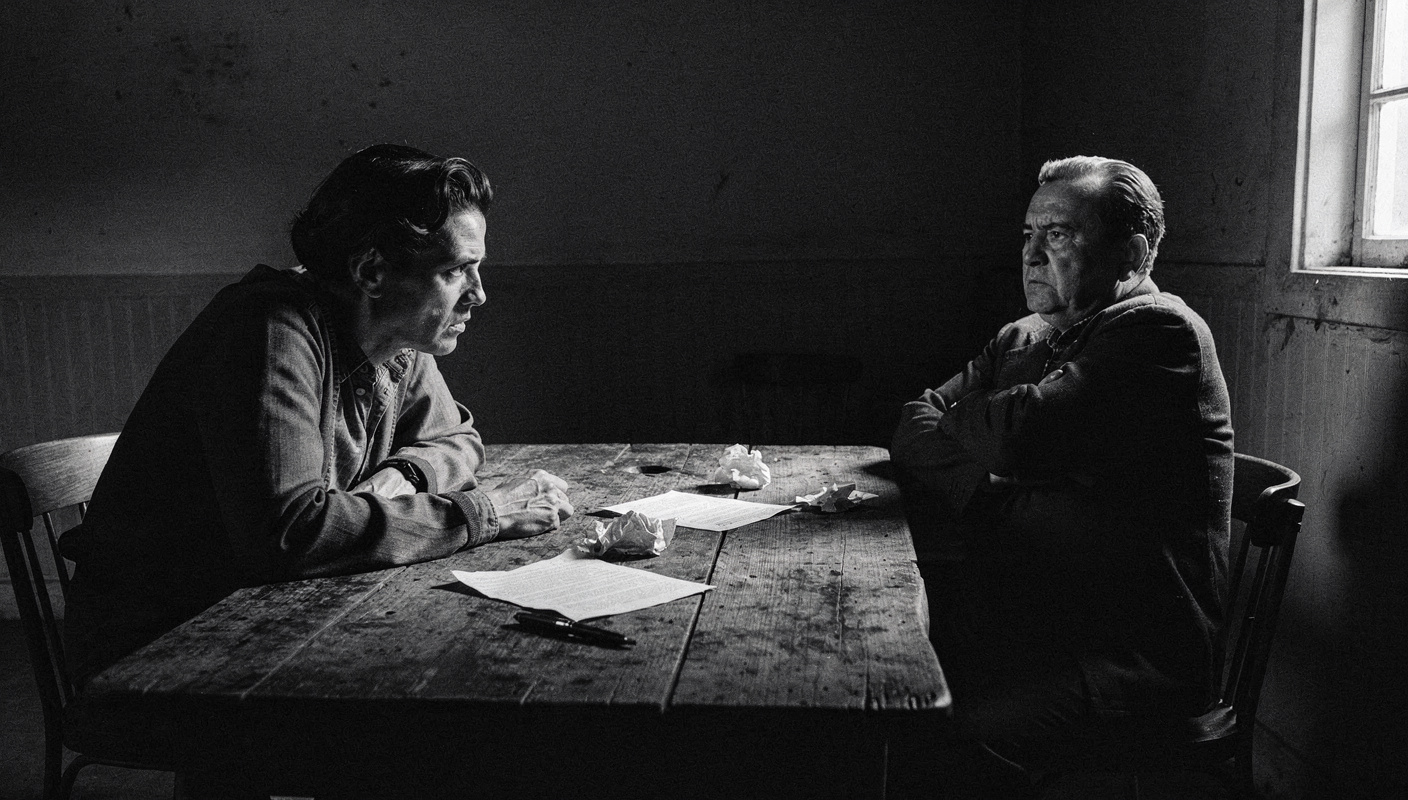
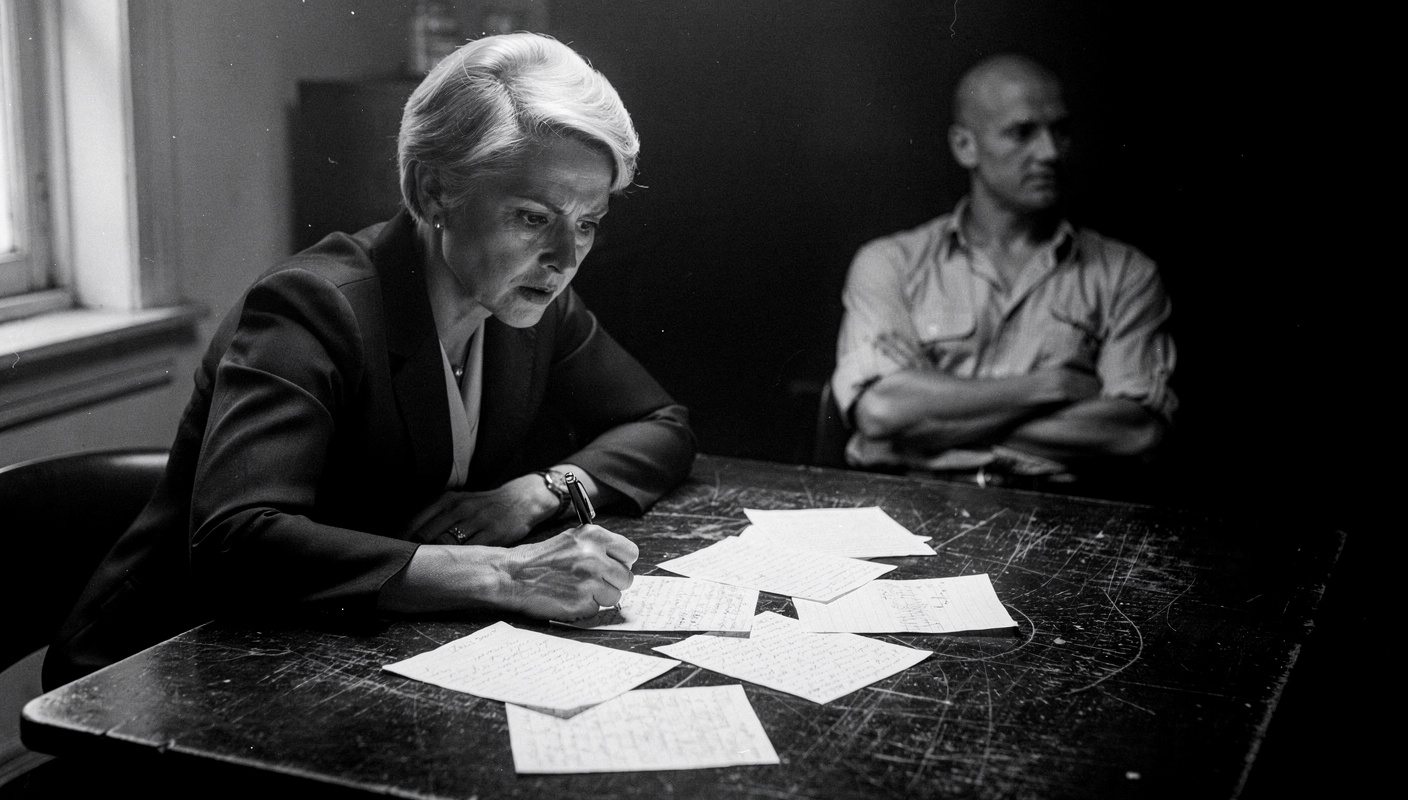
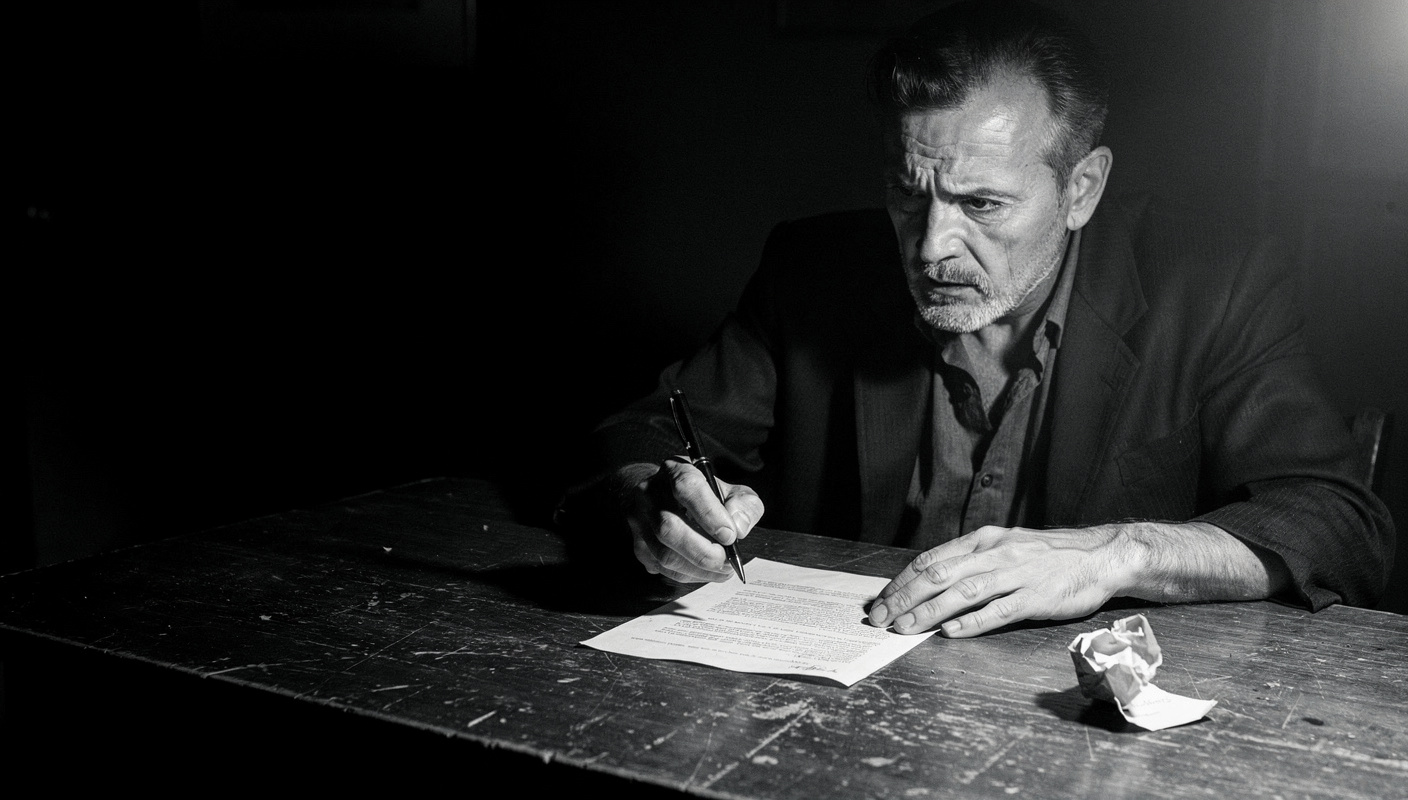
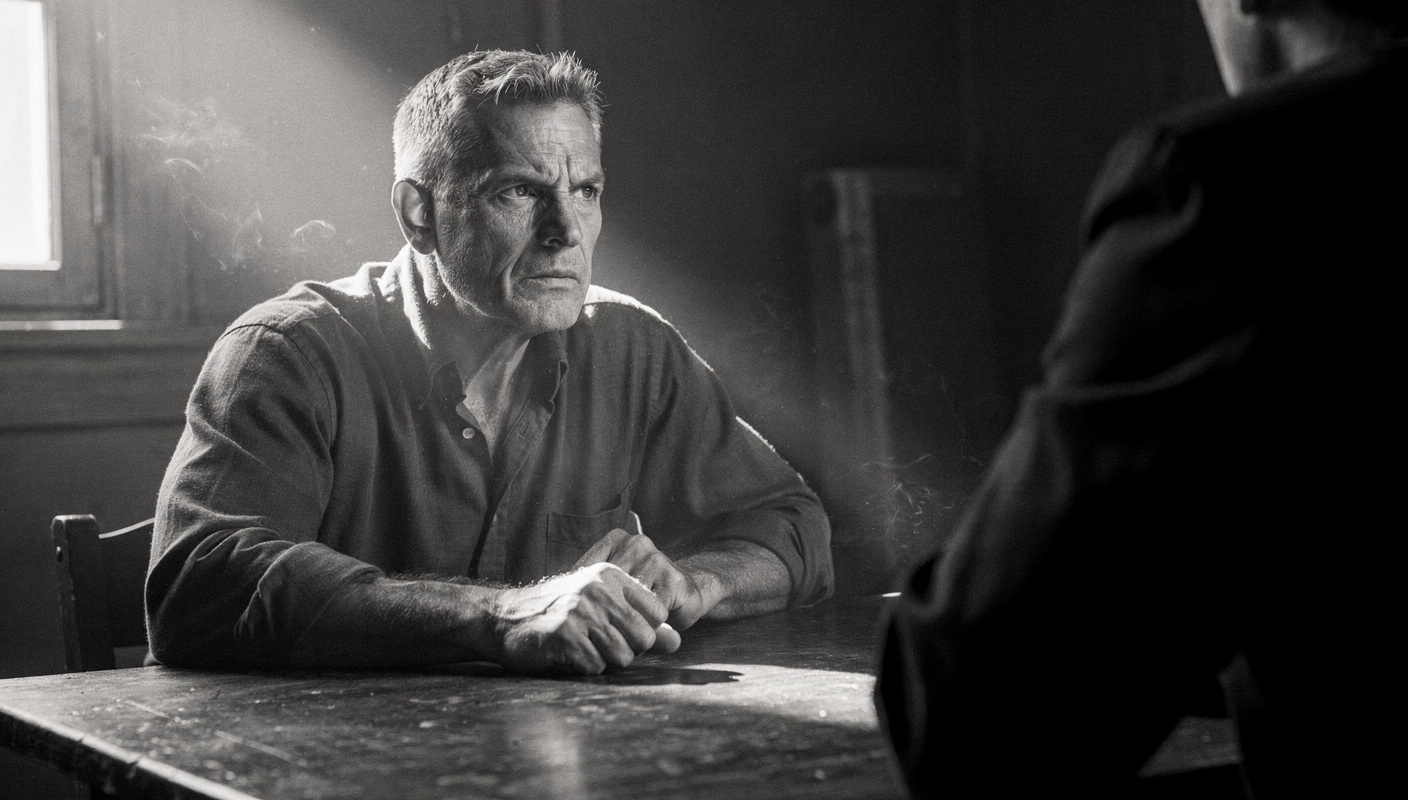
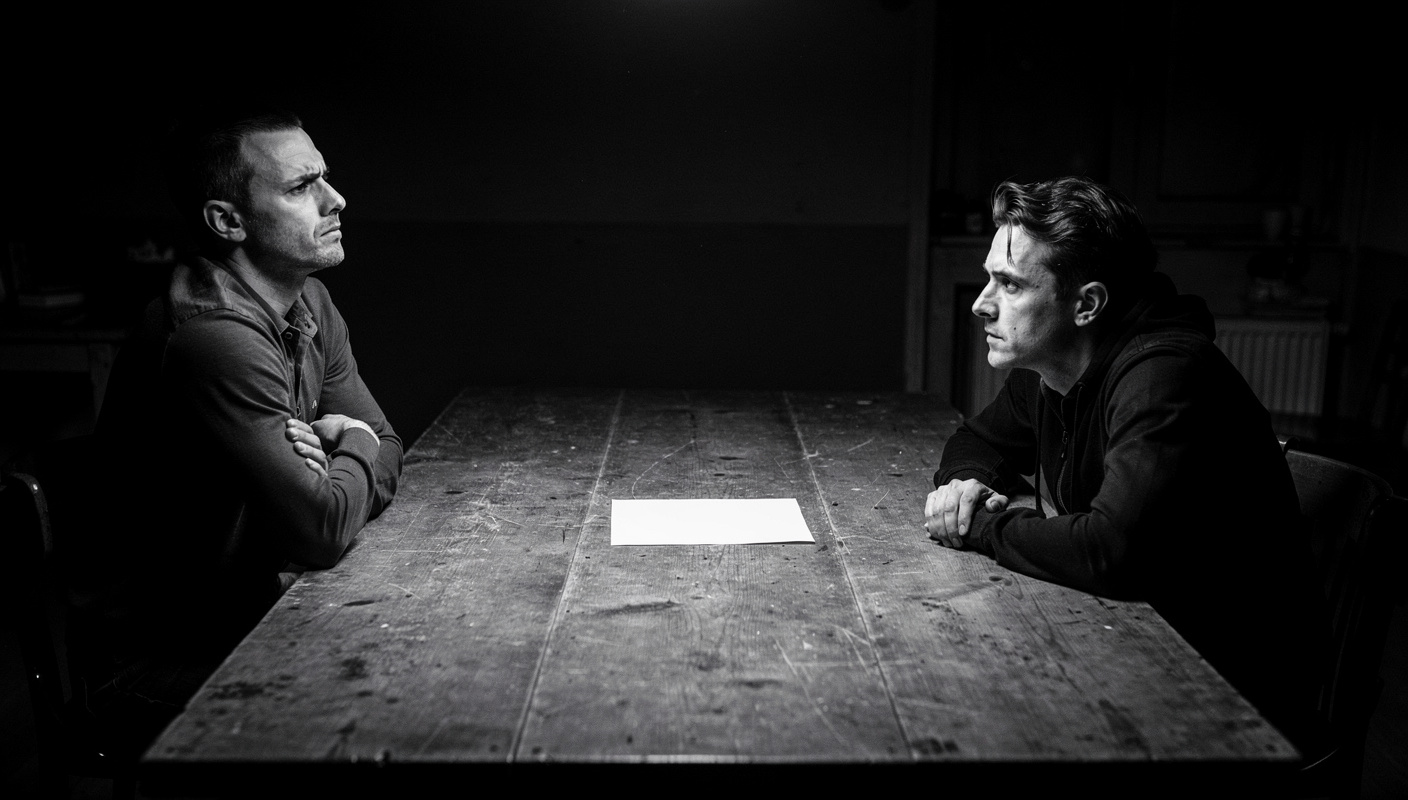
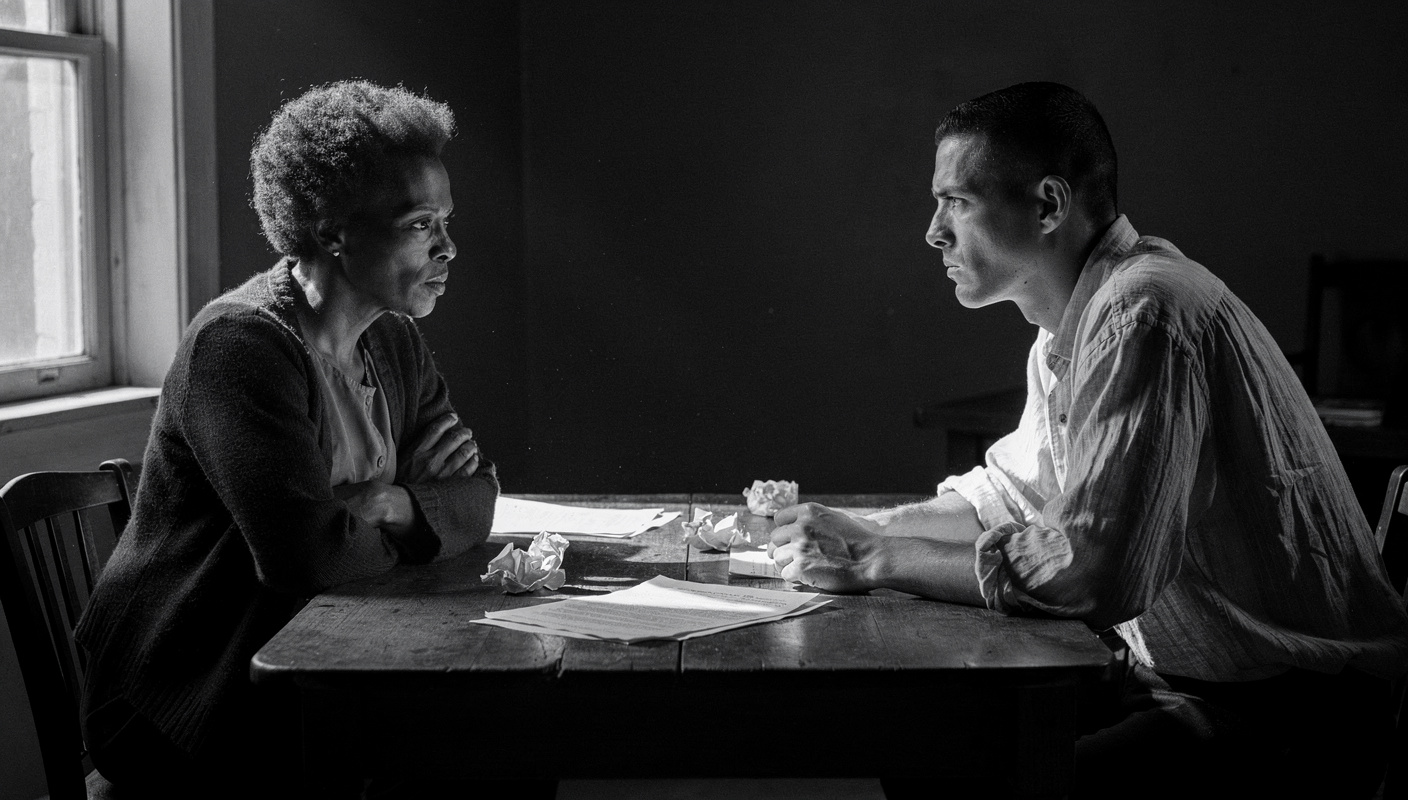
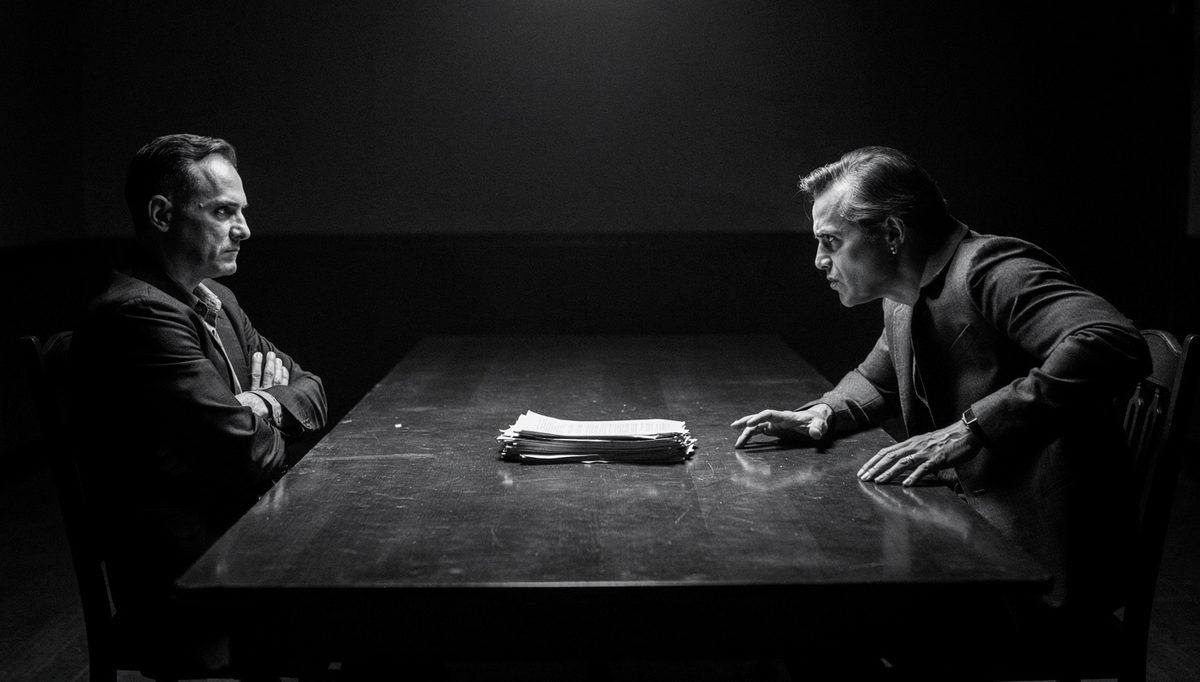
Business negotiation conflict does not always arrive loudly. Sometimes it enters the room as a clipped reply or a look exchanged across the table. By the time most people recognise it, the damage is already running deep. These five scenarios are drawn from the kind of situations I have observed across decades of working with professionals in negotiation. None are fairy tales. Each one shows what conflict in a negotiation actually looks like when it is happening to you.
What to Watch for Before You Read These Examples
Most people read case studies and see the outcome. I want you to see the turning point, the precise moment when the conversation stopped being about the deal and started being about something else entirely.
In every one of these scenarios, there is a moment where conflict could have been caught and named. Watch for it. When you can spot that moment in a case study, you will start to spot it in real time at your own table. That is where the value lives.
"The Conversation You're Avoiding Is the One You Need to Have."
"The Conversation You're Avoiding
Is the One You Need to Have."
Stop rehearsing conversations you'll never have. Say It Right Every Time gives you 115 word-for-word scripts and 16 proven frameworks to speak with confidence in every conversation that matters.
Example 1: The Supplier Who Felt Publicly Humiliated
A procurement director was renegotiating a long-standing supply contract with a vendor her company had used for eleven years. The vendor's senior account manager came to the meeting expecting a straightforward renewal. Instead, the procurement director opened the meeting by presenting a competitor's lower quote to the entire room, including two junior members of her own team who had no decision-making role.
The account manager said nothing in the moment. He smiled, nodded, and asked for time to respond. But the negotiation never recovered. Every subsequent exchange became stilted. The vendor's proposals came back late, with terms that were suddenly more rigid than anything in the prior decade of dealing. The contract lapsed without renewal. The procurement director assumed the vendor had found a better client. They had not. They had found a reason not to trust her.
This is what I call a face-saving failure. The public display of leverage was not wrong as a tactic in isolation. But it stripped the account manager of dignity in front of witnesses. Once a counterpart feels humiliated, the deal becomes secondary to self-protection. If you are learning to handle conflict during meetings, this is the scenario worth studying most closely.
Example 2: The Merger That Died Over a Seating Chart
Two mid-sized firms were in late-stage talks over a merger that had taken eight months to structure. The combined business made sense on paper. On the day the senior leadership teams met for the first time in person, one firm's CEO arrived to find that his counterpart had arranged the room with her team on one side and his team on the other, across a rectangular table.
It was practical. It was also, to him, a visual declaration of opposition rather than partnership. He said nothing at the time, but his posture shifted. His answers became shorter. His legal team, reading his mood, began hardening on clauses that had been settled weeks earlier. By the end of the day, three agreed terms had been reopened. The merger collapsed six weeks later over a dispute about governance structure that everyone in the room privately knew was not the real issue.
The real issue was that trust had not been built before the conflict arrived. When two parties enter a high-stakes conversation without a foundation of respect, even a seating arrangement carries weight. How unmet needs drive team conflict explains this dynamic precisely: when people feel unseen, they stop negotiating and start defending.
Example 3: The Deal Where Nothing Was Said and Everything Was Lost
A software firm was in talks with a distribution partner over an exclusivity agreement. Midway through the third meeting, the distribution partner's lead negotiator made an offhand comment about the software firm's pricing model being "out of touch with market reality." He moved on immediately, clearly intending it as a passing remark.
The software firm's lead said: "Noted." She wrote something down. The meeting continued. But from that moment, she answered questions with one or two words where she had previously given full explanations. She stopped volunteering information. She began requesting written confirmation of every verbal point, creating delays that stretched days into weeks. The exclusivity window closed before the deal was signed.
Nobody ever addressed the comment directly. The conflict lived entirely beneath the surface. This is perhaps the most dangerous form of business negotiation conflict: the kind nobody names. If you want to understand why tension left unaddressed grows rather than fades, how to de-escalate arguments during meetings is worth reading before your next difficult conversation.
Example 4: Two Internal Teams That Brought Their War to the Table
Not all negotiation conflict comes from outside the organisation. A company was negotiating a major IT infrastructure contract with an external vendor. Two internal departments, operations and finance, had been in a slow-running dispute for months over budget authority. The vendor could see it plainly: the operations lead and the finance director contradicted each other three times in the first meeting, twice in front of the vendor's team.
The vendor's representatives grew cautious. They began hedging terms that had been generous in early conversations. They asked for more contractual protections. They slowed down their own decision-making, apparently waiting to see which internal faction would win. The contract was eventually signed, but at terms notably less favourable than the initial proposal, and six months behind schedule.
The vendor had done nothing wrong. They had simply responded to the conflict they observed by protecting themselves. Internal disputes, when carried into external negotiations, signal instability to every counterpart across the table. The D.E.A.L. method for resolving conflicts that fracture team synergy exists precisely for moments like the one these two departments failed to resolve before they sat down with a vendor.
Example 5: The Negotiator Who Named the Conflict and Saved the Deal
A construction firm and a local authority were three months into a complex contract negotiation for a public infrastructure project. Relations had been cordial, but a disagreement over liability clauses had created a quiet impasse. Both sides kept sending revised drafts. Neither side acknowledged that the conversation had stalled.
The construction firm's lead negotiator, a project director with twenty years in the field, arrived at the next meeting and said something unusual before the agenda was opened: "I want to acknowledge that we have been going around the same point for several weeks. I do not think either of us is trying to be unreasonable. I think we have a genuine disagreement, and I would rather name it and work through it than keep exchanging drafts."
The room shifted. The local authority's representative visibly relaxed. Within ninety minutes, a compromise framework had been sketched that both teams could bring back to their principals. The contract was signed four weeks later.
This is what it looks like when someone has the courage to name conflict directly rather than manage it through paperwork. It is a skill, and it can be learned. The B.R.I.D.G.E. method for rebuilding relationships after tension offers a clear system for exactly this kind of reset, and I recommend it to anyone whose negotiation has hit a wall.
The Patterns That Run Across These Scenarios
Here is what I notice when I look at all five examples together.
Conflict almost never announces itself as conflict. It arrives as a curt reply, a hardened clause, a delay, a look. By the time both parties agree that something has gone wrong, the damage is already weeks old. The negotiators who survive conflict best are the ones who catch it early, when it is still small enough to name without drama.
The second pattern is this: pride and perceived disrespect are far more powerful deal-breakers than price. The supplier who felt humiliated, the CEO who read a seating chart as a statement of opposition, the negotiator who absorbed an offhand insult without reacting visibly: none of these deals died over numbers. They died because someone's dignity was threatened and nobody addressed it.
The third pattern is that conflict within a team is just as dangerous as conflict between teams. The internal dispute in Example 4 handed the vendor a reason to protect themselves, and they took it. Your counterpart is always watching how your side treats each other.
How to Use What You Have Just Read
Take one of these scenarios and hold it next to a negotiation you are currently in or about to enter. Ask yourself: where is the unspoken tension in this deal? What has been said that nobody has addressed? Who on the other side might be feeling unseen or disrespected?
If you can answer those questions honestly, you are already ahead of most people at the table. And if you find yourself mid-negotiation when things go sideways, how to use the R.E.C.O.V.E.R. method when a tension conversation makes things worse gives you a clear path back.
Two colleagues in your own organisation refusing to cooperate before a negotiation begins? The D.E.A.L. method for defusing tension between colleagues is built for that specific situation.
The practical question is never "will there be conflict in this negotiation?" There will be. The question is whether you will notice it quickly enough to address it before it becomes the negotiation.
Frequently Asked Questions (FAQ)
What is business negotiation conflict?
Business negotiation conflict is the tension that arises between parties at the table when competing interests, unspoken grievances, or interpersonal friction overtake the substance of the deal. Left unmanaged, it shifts the focus from agreement to winning, and deals collapse as a result.
How does unresolved conflict affect a negotiation?
Unresolved conflict erodes trust, hardens positions, and causes parties to protect themselves rather than problem-solve. Once a negotiation becomes about pride or perceived disrespect, the original deal terms become almost irrelevant. The relationship breaks down faster than the numbers do.
Can a negotiation recover after a conflict escalates?
Yes, but only if someone names the breakdown directly and creates space for both parties to reset. Pretending the conflict did not happen rarely works. A clear acknowledgment of what went wrong, followed by a return to shared interests, gives the negotiation its best chance of revival.
What are the most common causes of conflict in negotiations?
The most common causes are positional bargaining, unspoken expectations, accumulated grievances from prior dealings, and moments where one party feels publicly humiliated or disrespected. These triggers often have little to do with the deal itself and everything to do with how people feel they are being treated.
How do you prevent conflict from derailing a business negotiation?
Prepare for the emotional dimension of the deal, not just the financial one. Know your counterpart well enough to anticipate sensitivities. Name tension early before it escalates. Separate the people from the problem, and make it easy for the other party to say yes without losing face.
What is the difference between productive conflict and destructive conflict in negotiations?
Productive conflict challenges ideas and surfaces genuine disagreements about terms, which leads to better solutions. Destructive conflict attacks the relationship itself: it becomes personal, positional, and about pride. The line between the two is often crossed quietly, which is why recognising business negotiation conflict early matters so much.